


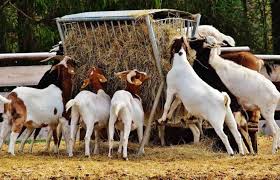
Goat farming is a rewarding agricultural venture that requires knowledge of breeds, reproduction, management, feeding, and disease control. This article provides practical guidance for farmers aiming to optimize their goat enterprise for productivity and profitability.
Effective goat farming hinges on selecting suitable breeds and implementing sound management practices. Understanding the unique traits of each breed and their care requirements ensures a thriving flock and a sustainable operation.
Goat Breeds and Characteristics
Choosing the right breed is critical for success in goat farming. Different breeds offer unique advantages, such as meat or milk production, hardiness, and fertility. Below are key details about popular goat breeds.
A. Anglo Nubian Buck
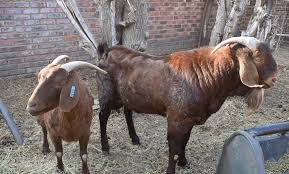
The Anglo Nubian buck is a dual-purpose breed, valued for both meat and milk production. It has a long, deep body and a distinctive Roman nose. Known for high fertility, it adapts well to various environments.
This breed exhibits excellent mothering abilities, making it ideal for breeding programs. Its large, pendulous ears are a notable feature. Bucks weigh approximately 79 kg, while does weigh around 61 kg.
The Anglo Nubian buck’s coat is fine and glossy, available in any color. Its robust build supports its reputation as a hardy and fertile breed, contributing to efficient flock growth.
B. Anglo Nubian Doe
The Anglo Nubian doe is large and double-muscled, designed for meat production and hardiness. It boasts a fast growth rate and high carcass quality, making it a favorite for meat-focused farms.
This doe is highly resistant to worms and diseases, with superior mothering skills compared to other breeds. Its docile nature and high fertility rates enhance its value. Bucks weigh 120 kg, does 100 kg.
Susceptibility to wet weather, particularly foot rot, requires careful management. Regular hoof care and dry grazing areas are essential to maintain the doe’s health and productivity.
C. Boer Goat and Crossbreeds
The Boer goat, recognizable by its white body and brown head, is bred for meat and hardiness. Its fast growth and high carcass quality make it a top choice for commercial meat production.
Boer crossbreeds are developed to enhance performance, combining desirable traits like growth rate and disease resistance. These crosses improve adaptability and productivity in diverse farming conditions.
Farmers should monitor Boer goats for foot rot in wet conditions. Proper pasture management and regular health checks ensure optimal performance of this breed and its crosses.
Read Also: How to Make Money in Poultry Farming
Reproduction and Growth Strategies
Reproduction and growth are central to a profitable goat enterprise. The number of kids raised to market reflects the effectiveness of flock management practices throughout the year.
Successful reproduction depends on strategic mating, proper gestation care, and fostering techniques. These practices maximize kidding rates and ensure healthy offspring for meat or breeding purposes.
A. Mating Methods
Mating systems influence kidding rates and flock productivity. Two primary methods are used, each with specific advantages and management requirements.
1. Paddock Mating: Bucks and does mate freely in paddocks, with a ratio of 1 buck to 20–30 does. The mating period lasts 21 days, allowing natural breeding with minimal intervention.
2. Hand Mating: Does in heat are identified using teaser bucks and mated in a single pen. The breeding season spans 21–42 days, offering controlled mating for better genetic outcomes.
3. Flushing: Conducted 2–3 weeks before mating, flushing stimulates higher ovulation rates by enhancing doe nutrition, increasing the likelihood of twins or triplets.
B. Gestation and Kidding
The gestation period averages 150 days, with does producing singles, twins, or triplets. Proper care during this phase ensures healthy kids and productive does.
1. Newborn Care: The navel of newborns should be dipped in iodine or cleaned with cotton wool soaked in iodine to prevent infections. This step is critical for kid health.
2. Colostrum Feeding: Kids must receive colostrum within 1–6 hours of birth. Weak kids should be bottle-fed as soon as they develop a suckling reflex to ensure proper nutrition.
3. Monitoring Multiples: Does with twins or triplets may need extra attention to ensure all kids receive adequate milk and care, improving survival rates.
C. Fostering Techniques
Fostering is essential when a kid cannot be raised by its biological mother. Early fostering improves adoption success and kid survival.
1. Timing: Foster kids as soon after birth as possible, preferably before they dry, to increase acceptance by the foster doe.
2. Selection: When fostering from triplets, choose the strongest kid to ensure it thrives under the foster doe’s care.
3. Persuasion Methods: Rub the kid with the doe’s placenta, use the skin of a dead kid, or employ a head gate to encourage suckling and bonding.
4. Monitoring: Keep the doe and fostered kid in a kidding pen until adoption is confirmed, ensuring the doe accepts the kid fully.
Read Also: The Historical Development of Crop Production
Management Practices for Healthy Flocks
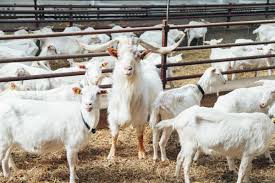
Effective management practices enhance flock health, growth, and productivity. These include castration, tagging, and tailored care routines.
Implementing these practices early in a kid’s life ensures better flock organization and improved growth outcomes, particularly for meat production.
A. Castration (Optional)
Castration is performed to manage flock behavior and improve meat quality. It is optional but beneficial for specific goals.
1. Timing: Castrate kids at 7 days old for minimal stress and faster recovery.
2. Methods: Use open castration, rubber rings, or the Burdizzo method, depending on equipment and expertise available.
3. Purpose: Castration removes unwanted traits, improves growth rates for fattening, and tames aggressive adult animals.
B. Tagging for Identification
Tagging aids in flock management by tracking individual animals and their birth details.
1. Timing: Tag kids at 3–4 days old for easy identification and record-keeping.
2. Tag Details: Include the year and sequence of birth in the tag number to maintain accurate records.
3. Benefits: Tagging supports breeding decisions and health monitoring, ensuring efficient flock management.
Feeding and Nutrition
Nutrition is vital for goat health, productivity, and flock well-being. Proper feeding strategies maximize growth and reproductive success.
Goats thrive on pasture-based diets supplemented with minerals. Understanding their preferences and production systems optimizes feed efficiency.
A. Grazing and Pasture Management
Pasture is the primary feed source for goats, with quality and quantity affecting productivity.
1. Pasture Preference: Goats favor leafy, vegetative growth (2–6 inches tall) over mature, stemmy forage, ensuring optimal nutrient intake.
2. Legume Planting: Incorporate legumes into pastures to enhance forage quality and quantity, supporting better growth and health.
3. Rotational Grazing: Move goats every 10–14 days to improve pasture health and kid production, reducing parasite risks.
B. Production Systems
The choice of production system impacts profitability and flock management.
1. Extensive Systems: Grazing-based systems are more profitable than intensive systems, relying on pasture plus salt and mineral supplements.
2. Intensive Systems: Housed goats fed harvested feeds are less cost-effective due to higher input costs.
3. Stocking Rates: Intensive rotational grazing uses higher stocking rates but increases risks of parasites, coccidiosis, and poor kid performance.
Common Health Challenges
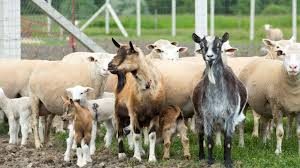
Health management is critical to prevent diseases that reduce productivity and profitability. Foot rot and worms are common issues requiring proactive care.
Regular monitoring and preventive measures ensure a healthy flock, minimizing losses from disease and poor performance.
A. Foot Rot
Foot rot is caused by overgrown hooves trapping dirt and mud, particularly in wet conditions.
1. Signs: Limping and loss of appetite are early indicators, leading to weight loss and reduced reproductive performance.
2. Prevention: Avoid wet grazing areas and trim hooves every 5–6 months to maintain hoof health.
3. Treatment: Trim overgrown hooves, apply copper sulphate with Vaseline, or dip hooves in 10% Formalin solution.
B. Worms
Worms are a common health issue in goats, impacting growth and reproduction.
1. Management: Implement a proper deworming schedule to control worm infestations effectively.
2. Pasture Rotation: Rotate pastures to reduce worm exposure, complementing deworming efforts.
3. Monitoring: Regular health checks ensure early detection and treatment, maintaining flock productivity.
Frequently Asked Questions
1. What makes the Anglo Nubian breed suitable for goat farming?
The Anglo Nubian is valued for its dual-purpose traits (meat and milk), high fertility, and excellent mothering skills. Its adaptability and disease resistance make it a strong choice for diverse farming conditions.
2. How does rotational grazing benefit goat farming?
Rotational grazing improves pasture quality, reduces parasite risks, and enhances kid production. Moving goats every 10–14 days ensures access to fresh, nutritious forage.
3. Why is colostrum important for newborn kids?
Colostrum provides essential nutrients and antibodies, boosting immunity in newborns. It must be given within 1–6 hours of birth to ensure kid health and survival.
4. What are the risks of intensive rotational grazing?
Intensive rotational grazing increases risks of internal parasites, coccidiosis, and poor kid performance due to higher stocking rates, requiring careful management.
5. How can foot rot be prevented in goats?
Prevent foot rot by avoiding wet grazing areas, trimming hooves every 5–6 months, and maintaining dry conditions to reduce dirt and mud accumulation.
6. What is the purpose of flushing before mating?
Flushing, conducted 2–3 weeks before mating, enhances doe nutrition to stimulate higher ovulation rates, increasing the chances of twins or triplets.
7. When should kids be fostered onto another doe?
Fostering should occur as soon after birth as possible, preferably before the kid dries, to maximize the likelihood of successful adoption by the foster doe.
Do you have any questions, suggestions, or contributions? If so, please feel free to use the comment box below to share your thoughts. We also encourage you to kindly share this information with others who might benefit from it. Since we can’t reach everyone at once, we truly appreciate your help in spreading the word. Thank you so much for your support and for sharing!