


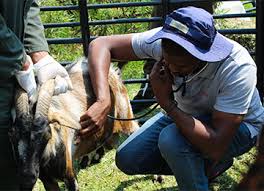
Maintaining a healthy goat herd is crucial for productive farming. This guide, adapted from a textbook article, outlines key practices for recognizing and sustaining goat health. It covers identifying healthy goats, breed selection, nutrition, immunity, stress management, and effective handling techniques.
A healthy goat exhibits specific traits, such as normal eating habits, smooth movement, and shiny hair. Recognizing these signs helps farmers prevent diseases and reduce losses. Early detection and proper management are essential for maintaining herd health and minimizing treatment costs.
This guide emphasizes the importance of local breeds for disease resistance and adaptability. It also addresses the role of nutrition, stress, and immunity in preventing illnesses. Proper handling and management practices further enhance goat productivity and welfare.
By following these guidelines, farmers can improve herd health, reduce parasite loads, and prevent stock theft. The article provides practical steps to ensure goats remain healthy, supporting both economic and cultural benefits for farmers.
Recognizing a Healthy Goat
Identifying a healthy goat is the first step in effective herd management. Healthy goats display distinct physical and behavioral traits that indicate good health. Recognizing these signs allows farmers to act quickly if issues arise, preventing disease spread and ensuring herd productivity.
Regular observation of goats helps farmers maintain a healthy herd. By understanding the characteristics of a healthy goat, farmers can implement preventive measures. This section details the key indicators of goat health and the importance of early disease detection.
A. Physical Characteristics
1. Eating Habits: A healthy goat eats normal quantities of food and chews its cud regularly, indicating a properly functioning digestive system.
2. Movement: It moves freely with the herd, showing no signs of limping or a hunched back while standing or walking.
3. Coat Condition: The goat’s hair is smooth, shiny, and free from missing patches, reflecting good overall health and nutrition.
4. Eyes and Nose: Its eyes are shiny and clear, with no runny discharge from the eyes or nostrils, indicating no infections.
B. Additional Health Indicators
1. Mucous Membranes: Healthy goats have pink mucous membranes, not white, which suggests proper blood circulation and no anemia.
2. Excretions: Dung and urine are normal in color, with regular urination and defecation, showing a healthy digestive and urinary system.
3. Body Condition: The goat’s stomach is not bloated, and it does not suffer from diarrhea, indicating a balanced diet and no infections.
4. Breathing: It breathes easily without panting, a sign of good respiratory health and no underlying infections or stress.
C. Importance of Health Monitoring
1. Disease Resistance: A healthy goat resists diseases better and recovers faster, reducing the need for costly treatments and interventions.
2. Cost Savings: Keeping goats healthy saves farmers money on medicines, syringes, and needles, improving farm profitability.
3. Early Treatment: Early detection of sickness ensures timely treatment, increasing the likelihood of recovery before conditions worsen.
Read Also: How to Make Money in Poultry Farming
Goat Breeds and Selection
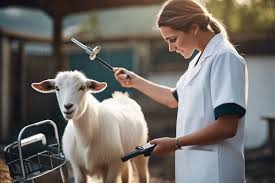
Choosing the right breed is critical for a healthy and productive herd. Local breeds are often best suited to regional conditions, offering resistance to diseases and adaptability to local diets. This section explores breed categories and their characteristics.
Understanding breed differences helps farmers make informed decisions. Indigenous, meat, and dairy breeds each serve specific purposes. Selecting the appropriate breed ensures better herd performance and aligns with farming goals, whether for meat, milk, or cultural use.
A. Indigenous Breeds
1. Adaptability: Indigenous goats are naturally selected for harsh environments, making them highly resistant to local diseases and suited to available diets.
2. Primary Use: These breeds are mainly used for meat production but also hold cultural significance in many communities, such as in Msinga.
3. Low Maintenance: Their adaptability reduces the need for intensive management, making them ideal for small-scale or resource-limited farms.
B. Meat Breeds
1. Breed Examples: Boer, Savanna, and Kalahari Red goats are bred for meat production, offering high yields but greater disease susceptibility.
2. Management Needs: These breeds require careful health monitoring due to their lower resistance compared to indigenous goats.
3. Market Value: Meat breeds are popular in South Africa for their meat-producing traits, catering to commercial markets demanding high-quality meat.
C. Dairy Breeds
1. Breed Examples: Saanen and Toggenburg goats are imported breeds selected for milk production, used for cheese and yogurt.
2. Disease Susceptibility: Dairy breeds are highly susceptible to diseases and parasites, requiring intensive management and health care.
3. Production Focus: These breeds are ideal for farmers focused on dairy products, but their care demands specialized knowledge and resources.
D. Indigenous Goat Production Norms
1. Gestation Period: Indigenous goats have a 150-day pregnancy, approximately five months, allowing for predictable kidding seasons.
2. Weight Metrics: Birth weight is around 2.5 kg, weaning weight is 12–15 kg, and mature females weigh 35–40 kg, rams 45–50 kg.
3. Breeding and Lifespan: Young ewes breed at one year, with main kidding seasons in April–June or September–December, and a lifespan of 10–12 years.
4. Ram-to-Ewe Ratio: Maintain one ram for every 25 ewes (4 rams per 100 ewes) to ensure effective breeding and herd growth.
Nutrition, Stress, and Immunity
Proper nutrition and stress management are vital for maintaining goat health. A well-fed goat is less susceptible to diseases, especially during winter when forage is scarce. This section explores how nutrition, stress, and immunity interact to keep goats healthy.
The immune system plays a critical role in fighting diseases. Stress factors like hunger or environmental changes can weaken immunity, making goats vulnerable. Understanding these dynamics helps farmers implement strategies to support herd health.
A. Nutrition and Health
1. Balanced Diet: A well-fed goat resists diseases better, particularly in winter when greenery is limited. Proper nutrition supports overall health.
2. Seasonal Challenges: In winter, supplement feed to compensate for scarce forage, ensuring goats maintain strength and immunity.
3. Nutritional Stress: Poor nutrition increases vulnerability to parasites and diseases, requiring careful feed management to avoid health issues.
B. Stress Factors
1. Common Stressors: Hunger, thirst, tiredness from long walks, and exposure to cold or dirty pens can stress goats, lowering immunity.
2. Environmental Changes: Changes in diet or environment, such as moving to a new location, can cause stress and increase disease risk.
3. Pregnancy Stress: Pregnant goats are particularly vulnerable to stress, requiring extra care to maintain health during gestation.
C. Immune System Function
1. Immune Role: The immune system, made of cells from bone marrow, fights germs to keep goats healthy, acting like an internal army.
2. Disease Recognition: Immunity strengthens with exposure to diseases like ticks, but may weaken without regular exposure, increasing risks.
3. Vaccines and Colostrum: Vaccines and colostrum exposure in young goats build immunity, protecting against specific diseases like contagious abortion.
D. Managing Disease Spread
1. Community Approach: High disease prevalence in an area requires community-wide strategies to control diseases and parasites effectively.
2. Parasite Control: Ticks and worms spread easily if not managed. Regular monitoring and treatment prevent widespread infestations.
3. Quarantine Practices: Isolate sick goats to prevent disease spread. Quarantine ensures healthy animals remain unaffected and reduces re-infection.
Read Also: How to Make Money in Poultry Farming
Handling and Management Practices
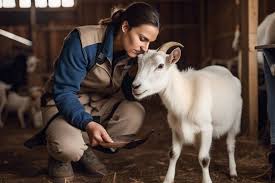
Effective handling and management reduce stress and improve goat productivity. Understanding goat behavior and implementing proper techniques ensure safety and efficiency. This section covers handling practices and management strategies to maintain a healthy herd.
Proper management also includes identifying animals to prevent stock theft, a significant issue for farmers. By combining careful handling with strategic management, farmers can enhance herd health and reduce losses.
A. Handling Techniques
1. Calm Handling: Work calmly and quietly to keep goats relaxed. Avoid sudden movements or loud noises that can cause stress.
2. Natural Behavior: Goats prefer moving toward light, staying with the herd, and following a leader. Use these traits to guide them.
3. Facility Design: Use small pens and handling facilities to simplify tasks. Ensure goats move forward by standing behind their shoulders.
4. Safe Handling: Hold goats by the base of horns, not tips, and keep them upright during hoof trimming to prevent injuries.
B. Management Strategies
1. Parasite Management: Avoid complete parasite removal to maintain immunity. Monitor and treat parasites strategically to reduce vulnerability.
2. Stock Theft Prevention: Identify animals with tags or marks to deter theft and increase the chance of recovering stolen goats.
3. Quarantine Sick Animals: Separate sick goats to prevent disease spread. Quarantine reduces the risk of infecting the entire herd.
C. Behavioral Considerations
1. Group Dynamics: Goats prefer family groups and may become aggressive when confined. Allow space to reduce stress and conflict.
2. Escape Prevention: Goats can jump gates, so secure enclosures tightly. Monitor for escape opportunities to keep the herd contained.
3. Acclimating Goats: Regularly handle goats to reduce stress during routine tasks like vaccinations or hoof trimming, improving compliance.
Frequently Asked Questions
1. What are the signs of a healthy goat?
A healthy goat eats normally, moves freely, has shiny hair, clear eyes, pink mucous membranes, normal excretions, and breathes easily without panting.
2. Why choose indigenous goat breeds?
Indigenous breeds are highly adaptable to local conditions, resistant to diseases, and require less intensive management, making them ideal for small farms.
3. How does stress affect goat health?
Stress from hunger, thirst, cold, or environmental changes lowers immunity, making goats more susceptible to diseases and parasites.
4. What is the role of the immune system in goats?
The immune system fights germs using cells from bone marrow, keeping goats healthy. Vaccines and colostrum enhance immunity against specific diseases.
5. How can farmers prevent disease spread in a herd?
Isolate sick goats, monitor parasites, and collaborate with neighbors to control diseases community-wide, reducing the risk of widespread infections.
6. Why is nutrition important for goat health?
Proper nutrition strengthens immunity, especially in winter, helping goats resist diseases and maintain health, reducing the need for treatments.
7. How should goats be handled to reduce stress?
Handle goats calmly, use their natural behavior to guide movement, and design small pens to simplify tasks and minimize stress.
8. How can stock theft be prevented?
Identify goats with tags or marks to deter theft and increase the likelihood of recovering stolen animals, reducing significant financial losses.
Do you have any questions, suggestions, or contributions? If so, please feel free to use the comment box below to share your thoughts. We also encourage you to kindly share this information with others who might benefit from it. Since we can’t reach everyone at once, we truly appreciate your help in spreading the word. Thank you so much for your support and for sharing!