


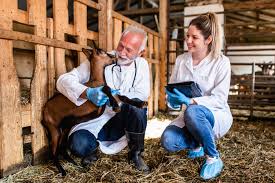
Protecting goats from disease is crucial for their health and farm productivity. Proper shelter, parasite control, and vaccinations are key to preventing stress and illness. This article outlines essential health interventions, disease agents, examination techniques, and treatment methods to ensure optimal goat care.
This guide provides practical strategies for farmers to maintain goat health. It covers identifying diseases, managing parasites, conducting visual examinations, and administering treatments correctly. By following these practices, farmers can enhance goat welfare and reduce losses from preventable conditions.
Health Interventions for Goats
Goat illnesses can stem from various causes, requiring accurate identification and treatment. Overuse of antibiotics is a growing concern, as they are often misapplied. Correct interventions, including antibiotics at proper dosages, are vital for effective disease management.
A. Identifying Disease Causes
Sick goats may suffer from viral or bacterial infections, parasites, or poisoning. Observation of symptoms like appearance, appetite, and temperature is insufficient for diagnosis.
1. Common Causes: Viral infections, bacterial infections, internal/external parasites, or poisoning can individually or collectively cause illness.
B. Proper Use of Antibiotics
Antibiotics are effective only against bacterial infections.
1. Correct Application: Use the right antibiotic at the appropriate dosage.
2. Overuse Issue: Misusing antibiotics on untreatable conditions leads to resistance, reducing their effectiveness and complicating future treatments.
C. Importance of Shelter
Providing shelter from cold, wet conditions prevents stress that can lead to disease.
1. Shelter Benefits: Reduces environmental stress.
2. Parasite Control: Dipping and deworming help goats fight diseases by minimizing parasite loads, enhancing overall health resilience.
D. Role of Vaccinations
Vaccinations are the only non-natural way to confer disease resistance.
1. Timing: Administer vaccines before disease exposure.
2. Effectiveness: Vaccines stimulate immunity, protecting goats from specific diseases, unlike treatments applied after illness onset.
Read Also: Water Snakes (Nerodia): Species, Habitat, Diet, & More
Understanding Disease Agents
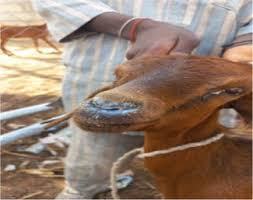
Goats face various disease-causing agents, each requiring specific interventions. Understanding these agents helps farmers choose appropriate treatments and preventive measures to maintain herd health.
A. Viral Infections
Viruses replicate inside host cells, triggering immune responses.
1. Immunity: Vaccines can induce artificial immunity.
2. Antibiotics Ineffectiveness: Antibiotics do not work against viruses, making vaccination critical for prevention of viral diseases in goats.
B. Bacterial and Rickettsia Infections
Bacteria and rickettsia cause significant illnesses.
1. Bacterial Infections: Treatable with sulphur- or cyclidine-based antibiotics, e.g., pneumonia.
2. Rickettsia: Small parasites like heartwater, transmitted by ticks, often require antibiotics to manage secondary bacterial infections.
C. Parasitic Infections
Parasites, including worms, flukes, and protozoa, harm goats.
1. Internal Parasites: Worms and flukes are treated with oral dewormers; resistance is a concern.
2. External Parasites: Ticks, fleas, and mange are managed with insecticides like dips or injectables.
D. Protozoa and Combined Infections
Protozoa, found in soil and water, cause diseases like coccidiosis.
1. Protozoal Infections: Common in the gut, requiring specific treatments.
2. Combined Infections: Bacteria and viruses often work together, necessitating antibiotics to support recovery from secondary infections.
Read Also: Importance, Domestication and Origin of Monogastric Animals
Visual Examination Techniques
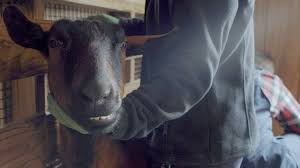
A thorough visual examination helps identify health issues early. The 17-point check provides a systematic approach to assess a goat’s condition, focusing on key areas like the head, body, rear, and feet.
A. Head Examination
Examine the head for signs of illness. 1. Eyes: Check for discharge or anemia.
2. Nose: Look for discharge or moistness.
3. Horns and Ears: Inspect for ticks.
4. Chin and Teeth: Assess for bottle jaw and age-related dental changes.
B. Body Examination
The body reveals physical abnormalities.
1. Back and Sides: Look for lumps or abscesses.
2. Hair: Check for ticks, fleas, or mange.
3. Rump: Feel for body condition.
4. Weight: Take weight for accurate treatment dosing.
C. Rear and Feet Examination
Rear and feet checks identify specific issues.
1. Under Tail: Look for diarrhea or ticks.
2. Udders and Testicles: Feel for lumps or heat.
3. Gait and Hooves: Check for limping, ticks, or overgrown nails.
D. Age and Condition Assessment
Determining age and body condition is critical.
1. Age via Teeth: Count incisors (2 at 15 months, 8 at 36 months).
2. Condition Scoring: Assess backbone, ribcage, and loineye area on a 1-5 scale, with 3 being ideal for breeding.
Treatment and Preventive Measures
Prompt and accurate treatment, along with preventive measures like vaccinations and hygiene, ensures goat health. Proper dosing, injection techniques, and vaccination schedules are essential for effective care.
A. Administering Treatments
Correct treatment is vital for sick goats.
1. Dosage: Use weight-based dosing to avoid resistance.
2. Injection Techniques: Subcutaneous or intramuscular injections require sterile needles and proper sites to prevent complications like hitting veins.
B. Taking Temperature
Temperature checks diagnose infections.
1. Method: Insert a thermometer rectally for 2 minutes.
2. Normal Range: 38.8-40.2°C; deviations indicate illness.
3. Hygiene: Wipe thermometers with antiseptic before storage to prevent contamination.
C. Vaccination Programs
Vaccinations prevent specific diseases. 1. Multivax P: Controls pasteurella, pulpy kidney, tetanus, and blackquarter; administer at 4-5 months, repeat annually.
2. Targeted Vaccines: Use for diseases like enzootic abortion only if confirmed by a vet.
D. Hygiene and Weighing
Good hygiene and accurate weighing enhance treatment efficacy.
1. Hygiene Practices: Wash hands, sterilize needles, and dispose of waste properly.
2. Weighing: Use scales or weight belts to determine correct medication dosages based on goat size.
Frequently Asked Questions
1. Why is shelter important for goats?
Shelter protects goats from cold and wet conditions, reducing stress that can lead to disease, improving overall health and resistance to infections.
2. How do vaccines help goats?
Vaccines stimulate immunity against specific diseases, preventing infection before exposure. They are critical for diseases like pasteurella and tetanus, unlike post-illness treatments.
3. What are common signs of illness in goats?
Signs include discharge from eyes or nose, ticks, lumps, diarrhea, or abnormal temperature (outside 38.8-40.2°C). A 17-point check helps identify these issues early.
4. Why is antibiotic overuse a problem?
Overusing antibiotics on untreatable conditions like viruses leads to resistance, reducing their effectiveness and making bacterial infections harder to treat in the future.
5. How can farmers manage parasites in goats?
Use oral dewormers for internal parasites and insecticides (dips or injectables) for ticks, fleas, and mange. Regular dung samples help target specific parasites.
6. How is a goat’s age determined?
Age is assessed by counting permanent incisors: 2 teeth at 15 months, 4 at 21-24 months, 6 at 30 months, and 8 at 36 months.
7. What is condition scoring, and why is it important?
Condition scoring assesses body fat on a 1-5 scale. A score of 3 is ideal for breeding, ensuring goats are neither too thin nor too fat, optimizing reproduction.
8. How should injections be administered to goats?
Use sterile needles (20-gauge for adults, 22-gauge for kids). Subcutaneous injections go under the skin; intramuscular injections target the neck or thigh, avoiding veins.
Do you have any questions, suggestions, or contributions? If so, please feel free to use the comment box below to share your thoughts. We also encourage you to kindly share this information with others who might benefit from it. Since we can’t reach everyone at once, we truly appreciate your help in spreading the word. Thank you so much for your support and for sharing!