


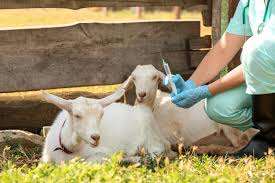
Goat farming requires vigilance to maintain herd health. This article explores prevalent diseases and conditions affecting goats, providing insights into symptoms, prevention, and treatment. Understanding these can help farmers ensure their goats remain healthy and productive.
Proper management reduces disease incidence. Regular monitoring, vaccinations, and hygiene practices are critical. This article details key conditions, their signs, and effective strategies to prevent and treat them, ensuring optimal goat health.
Heartwater
Heartwater, caused by organisms transmitted by bont ticks, is a serious disease prevalent in hot, dry bush areas. It can lead to rapid death if untreated. Early detection and management are crucial for goat survival.
Effective prevention and treatment strategies can mitigate heartwater’s impact. By maintaining immunity and using appropriate medications, farmers can protect their herds from this deadly disease.
A. Symptoms
1. Live Animal Signs: Affected goats exhibit a very high temperature and nervous signs, including high-stepping jerky gait, shivering, and walking in circles. Later stages show jerky, paddling movements with legs and head pulled backward when down.
2. Progression: The disease can result in death within 24 hours, though some cases survive 2 to 5 days. Early recognition of these symptoms is vital for timely intervention.
3. Postmortem Findings: Dead animals show excessive fluid in the heart sac, lungs, chest cavity, and abdominal cavity, indicating severe internal impact from heartwater.
B. Prevention
1. Maintain Immunity: Allow a small number of ticks to remain on goats to build immunity. This controlled exposure helps goats develop resistance to heartwater over time.
2. Regular Dipping: When ticks are visibly numerous, dip goats about once a month to control tick populations and reduce disease transmission risk.
3. Vaccination: Vaccination against heartwater is possible but complex and costly. Consult a veterinarian to assess its feasibility for your herd.
4. Post-Death Management: If an animal dies of heartwater, dip its body to kill infected ticks, preventing further spread to other goats.
C. Treatment
1. Early Intervention: Treat animals before nervous symptoms appear. Early treatment significantly improves recovery chances.
2. Medication: Use short-acting Terramycin for three consecutive days or doxycycline. Administer 5cc daily intramuscularly for adults, 2.5cc for kids, adjusting based on injection type.
3. Blocking Method: For vaccinated goats, inject long-acting oxytetracycline on day 13 post-vaccination to prevent symptoms during the 14-28 day incubation period.
Read Also: How to Water Your Plants Effectively
Pneumonia
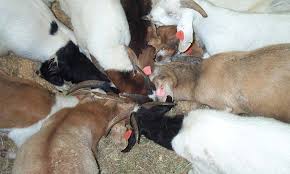
Pneumonia is a common respiratory issue in goats, often triggered by stress or poor conditions. It affects their overall health and productivity, requiring prompt attention to prevent severe outcomes.
Farmers can reduce pneumonia cases through proper care and vaccinations. This section outlines symptoms, preventive measures, and treatments to manage this condition effectively.
A. Symptoms
1. Live Animal Signs: Goats show fever, lack of appetite, rapid breathing, coughing, and nasal discharge. Loss of condition is also common, indicating respiratory distress.
2. Postmortem Findings: In autopsies, affected lung tissue sinks in water, unlike healthy lungs that float, confirming pneumonia’s impact on lung function.
3. Progression: Symptoms can worsen quickly if untreated, leading to significant health deterioration and potential death in severe cases.
B. Prevention
1. Vaccination: Use a multi-component vaccine like Multivax P to prevent certain lung infections in goats, boosting their immunity against pneumonia.
2. Stress Management: Keep goats healthy, unstressed, and well-fed. Ensure kids are sheltered during cold nights to reduce pneumonia risk.
3. Hygiene Practices: Maintain clean, dry living conditions to minimize respiratory irritants and prevent disease outbreaks.
C. Treatment
1. Antibiotic Use: Treat sick goats with oxytetracycline antibiotics like Terramycin or Hi-Tet 200 LA. Administer 1ml/10kg live mass intramuscularly, repeating after three days if needed.
2. Monitoring: Regular observation ensures early detection and treatment, improving recovery rates and reducing pneumonia’s impact on the herd.
Coccidiosis
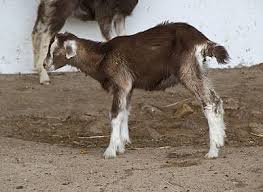
Coccidiosis primarily affects young goats and is caused by coccidia organisms, often found in contaminated water sources. It can lead to severe intestinal damage if not addressed promptly.
Preventing outbreaks requires strict hygiene and management practices. This section details how to identify and manage coccidiosis to protect young goats.
A. Symptoms
1. Live Animal Signs: Young goats show diarrhoea, dehydration, anaemia, lack of appetite, and loss of condition. Rectal straining may lead to prolapse, with a rough hair coat.
2. Outbreak Characteristics: Outbreaks feature a short period of diarrhoea followed by rapid death, highlighting the disease’s severity in young animals.
3. Postmortem Findings: Tiny, greyish-white spots are visible in the small intestine’s mucous membrane, with guts filled with fluid and blood.
B. Prevention
1. Hygiene Practices: Keep pens clean and dry, preventing kids from mixing with older goats or accessing contaminated feed and water.
2. Coccidiostats: Feed coccidiostats like Rumensin during high-risk periods to prevent disease outbreaks in vulnerable young goats.
3. Isolation: Separate sick animals from the herd to prevent the spread of coccidiosis, reducing contamination risks.
C. Treatment
1. Sulfazine Use: Administer Sulfazine 16% as a drink, initially at 14ml/10kg live mass, then 7ml/10kg daily for two days to combat infection.
2. Supportive Care: Provide water with electrolytes (one spoon salt, eight spoons sugar per litre) to prevent dehydration, especially in unweaned kids.
3. Additional Treatments: Use Immodium (0.5 tablets/day for 3-5 days) or Vecoxan (1ml/2.5kg at 4-6 weeks) to treat all kids during outbreaks.
Orf
Orf is a viral disease causing wart-like sores, primarily in young goats and lambs. It spreads easily and can affect humans, requiring careful management to control outbreaks.
Vaccination and hygiene are key to preventing orf. This section covers how to identify and manage this contagious condition effectively.
A. Symptoms
1. Visible Signs: Wart-like sores appear on lips, nose, and around the mouth of young lambs and kids, and on the teats of mothers.
2. Progression: Sores can hinder eating, especially if hard scabs form, impacting the animal’s health and growth.
3. Human Risk: Orf can spread to humans, necessitating glove use during handling to prevent infection.
B. Prevention
1. Isolation: Keep affected goats separate to prevent the spread of the virus within the herd.
2. Vaccination: Vaccinate all lambs and kids after the female breeding season using Scabivax, administered via needle in the armpit.
3. Hygiene Practices: Maintain clean environments to reduce the risk of orf transmission among goats.
C. Treatment
1. Topical Care: Spray affected areas with iodine daily. Soften hard scabs with Vaseline or glycerine to ease eating.
2. Safety Measures: Always wear gloves when treating orf to avoid human infection, as the virus is zoonotic.
Read Also: What are the Strategies for Reducing Post-Harvest Losses?
Tetanus
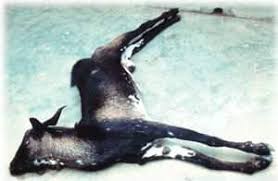
Tetanus is a fatal bacterial disease caused by wound infections, often from castration methods like elastic bands. It leads to stiffness, paralysis, and death if untreated.
Prevention through vaccination is the most effective strategy, as treatment is not possible. This section outlines key measures to protect goats.
A. Symptoms
1. Live Animal Signs: Goats exhibit stiff legs, progressing to paralysis and death, often following wound infections from bacteria in soil or faeces.
2. Risk Factors: The elastic band castration method increases tetanus risk due to open wounds, highlighting the need for careful management.
3. Progression: Symptoms escalate quickly, leading to complete paralysis and inevitable death without preventive measures.
B. Prevention
1. Vaccination: Use Multivax P Plus to prevent tetanus, ensuring goats are vaccinated to avoid this fatal disease.
2. Wound Management: Maintain hygiene during procedures like castration to minimize infection risks from tetanus-causing bacteria.
3. Regular Checks: Monitor goats for wounds, especially in high-risk environments, to prevent bacterial entry and infection.
C. Treatment
1. No Treatment Available: Tetanus has no effective treatment once symptoms appear, emphasizing the importance of prevention.
2. Focus on Prevention: Vaccination and proper wound care are critical, as no therapeutic options exist for affected goats.
Frequently Asked Questions
1. What is heartwater, and how can it be prevented?
Heartwater is a tick-borne disease causing high fever and nervous symptoms in goats. Prevent it by maintaining low tick levels for immunity, dipping monthly when ticks are numerous, and consulting a veterinarian for vaccination options.
2. How do I recognize pneumonia in goats?
Pneumonia symptoms include fever, rapid breathing, coughing, nasal discharge, and loss of condition. In autopsies, affected lungs sink in water. Early detection and treatment are crucial for recovery.
3. What causes coccidiosis, and how can I treat it?
Coccidiosis, caused by coccidia in contaminated water, affects young goats, causing diarrhoea and dehydration. Treat with Sulfazine 16% and provide electrolyte water to prevent dehydration.
4. Is orf dangerous to humans?
Yes, orf is a zoonotic viral disease causing sores in goats and can infect humans. Always wear gloves when handling affected animals and use iodine sprays for treatment.
5. Can tetanus be treated in goats?
No, tetanus has no treatment once symptoms appear. Prevent it with Multivax P Plus vaccination and proper wound hygiene, especially during castration.
6. How can I prevent internal parasites in my goats?
Use the FAMACHA© method and 5-point check to identify and treat parasites like wireworms. Regularly change dewormers with different active ingredients and send dung samples for lab analysis.
7. What should I do if my goats eat poisonous plants?
Administer activated charcoal (2g/kg body weight) and multi-B vitamins, keep goats in a shaded area, and provide ample water. Prevent overgrazing and monitor new animals in unfamiliar areas.
8. How do I manage footrot in my goat herd?
Prevent footrot with monthly zinc sulphate footbaths and clean sheds. Treat affected goats with Terramycin injections and iodine sprays, keeping them separate to prevent spread.
Do you have any questions, suggestions, or contributions? If so, please feel free to use the comment box below to share your thoughts. We also encourage you to kindly share this information with others who might benefit from it. Since we can’t reach everyone at once, we truly appreciate your help in spreading the word. Thank you so much for your support and for sharing!