


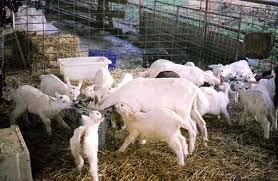
Raising healthy goat kids is vital for a thriving herd. Proper care from birth reduces mortality and ensures strong growth. This article outlines essential practices for kid rearing, including interventions to minimize mortality, castration, orphan care, creep feeding, and feeder design.
The guide emphasizes creating a safe, clean environment for newborn kids and their mothers. It covers nutritional needs, health practices, and supplemental feeding to support kid development. Practical steps like creep feeding and proper feeder design enhance kid survival and growth.
By following these evidence-based practices, farmers can improve kid health and herd productivity. The article draws from established methods, such as those applied in communal rangelands like Msinga, KwaZulu-Natal, to ensure practical and effective outcomes.
Reducing Kid Mortality
Ensuring kid survival starts with proper birthing and early care. A clean, calm environment and timely interventions are critical. Below are key practices to minimize kid mortality, focusing on health, nutrition, and protection.
A. Creating a Safe Birthing Environment
Let goats give birth in a quiet, clean, dry place without interference from other goats. This reduces stress and contamination risks. Provide a dry, clean, weather-proof shelter for newborn kids and their mothers to protect them from harsh conditions.
Dip navels with iodine at birth to stop bacterial infections. This simple step prevents diseases from entering through the umbilical cord. Give kids a drop of iodine on the tongue to prevent deficiencies, supporting early immune development.
B. Ensuring Proper Nutrition
Make sure kids are dry and bond with the ewe to consume colostrum within an hour of birth. Colostrum provides essential antibodies. Ensure the ewe is healthy post-birth, with no mastitis or retained placenta, and has enough good milk for her kid.
Ewes need access to green fodder after giving birth to stimulate milk production. It’s also important to ensure the lactating ewe gets enough feed to produce sufficient milk for kid growth. Cull ewes with poor mothering abilities or bad udders after weaning.
C. Protecting Kids from Harm
Separate ewes and kids from the herd, especially in the kraal, to avoid trampling, which may injure or kill kids. Providing enclosures to separate and feed kids prevents malnutrition. Supplemental feed from 2-3 weeks of age helps kids cope with poor milk production.
Read Also: Reasons why Garden Egg Fruit is Good for You
Castration Practices
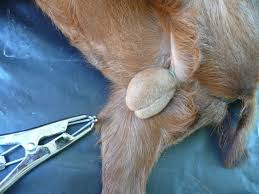
Castration is a key management practice for male kids. Done correctly, it improves herd management and kid health. Below are recommended methods and precautions.
A. Castration Timing and Methods
1. Burdizzo Method: It is recommended to castrate male kids at 3 months of age using a Burdizzo. This method is safe and effective for older kids, minimizing complications (see Section 11.3 for details).
2. Rubber Rings Warning: If using rubber rings, the kid must be less than 7 days old. Using rubber rings on older goats can lead to death, so strict adherence to this age limit is critical.
B. Importance of Proper Technique
Proper castration technique prevents infections and ensures kid welfare. Always follow recommended guidelines for tools like the Burdizzo. Incorrect methods, such as using rubber rings on older kids, can cause severe health issues or fatalities.
C. Post-Castration Care
Monitor castrated kids for signs of infection or distress. Ensure a clean environment to reduce contamination risks. Proper aftercare supports quick recovery and maintains overall kid health, contributing to herd productivity.
Rearing Orphan Kids
Orphan kids require special care to thrive. Providing colostrum and proper milk replacers is essential for their survival and growth. Below are steps to rear orphans effectively.
A. Colostrum for Immunity
Newborn kids must consume colostrum within the first hour after birth. This first milk contains antibodies that protect against disease. If the mother has died or has no milk, give colostrum from another ewe to ensure immunity.
B. Colostrum Replacement Recipe
1. Recipe: Mix 500 ml cow’s milk, 1 egg beaten in milk, 1 teaspoon cooking oil. Give four small (150-200 ml each) feeds daily for the first three days, heated to body temperature, to mimic colostrum’s nutritional content.
C. Milk Replacer Guidelines
After three days of colostrum, feed normal cow’s milk three times daily, from 400 ml to 750 ml (150-250 ml per feed) for two weeks. Then, reduce to twice daily (200-400 ml per feed) for six weeks. UHT full-cream cow’s milk works as a milk replacer.
1. Milk Replacer Caution: Avoid high-fibre milk replacers with vegetable products, as they are not suitable for kids. Incorrect mixing can cause fatal bloat, so transition gradually by mixing milk and replacer half/half for several days.
D. Hygiene Practices
Hygiene is critical when rearing orphans. Poor hygiene can spread diseases like mastitis between ewes or orf between kids if using the same bottle. Always clean feeding equipment thoroughly to prevent disease transmission and ensure kid health.
Read Also: The Different Types of Manure and How they Work
Creep Feeding for Kid Development
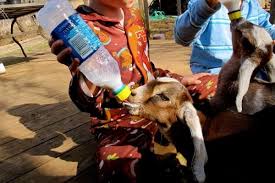
Creep feeding supports kid growth by providing supplemental nutrition. It’s vital when ewe milk production is low, ensuring proper rumen development and survival.
A. Importance of Creep Feeding
Creep feeding allows kids to eat solid food, essential for rumen development. Without it, kids may lose condition or die at weaning. Start introducing solid food at about 2 weeks of age, continuing until kids join the herd at 3 months.
Positive responses to creep feeding include improved kid growth and survival, as seen in Msinga, KwaZulu-Natal. It’s especially critical during low milk production periods, like winter, or when ewes have multiple kids, such as twins or triplets.
B. Types of Creep Feeds
1. Commercial Feeds: Use lamb creep feed specially mixed for growing kids (see Section 13.2). If unavailable, goat feed or Voermol game blocks are alternatives. Choose feeds with 18% crude protein and 12 MJ energy/kg DM, avoiding urea.
2. Natural Feeds: Kids can eat tree leaves with low tannin content or fresh-cut grass/hay for roughage. Avoid grass from areas grazed by adult goats to prevent worm transmission. Pelleted feeds ensure kids consume all nutrients evenly.
C. Feeding Practices
1. Feed Freshness: Young kids prefer finely ground feed, while older kids handle coarser feeds. Clean troughs weekly to remove stale feed, which kids won’t eat. Feed stale leftovers to older animals to avoid waste.
2. Water and Health: Provide fresh, clean water near creep feeders. Follow a vaccination and deworming schedule (see Section 11.5). Keep kids in a separate camp for 3 months to reduce worm exposure.
D. Creep Feeder Design
Design creep feeders to allow kids access while blocking ewes. Use troughs in a pen or build a pen around a feeder. Set gate bar spacing at 12-15 cm to ensure only kids can enter, promoting safe feeding.
Frequently Asked Questions
1. Why is colostrum important for newborn kids?
Colostrum provides antibodies that boost immunity, protecting kids from diseases. It must be consumed within the first hour after birth for maximum effectiveness.
2. How can I prevent kid mortality during birth?
Ensure a quiet, clean, dry birthing area, provide a weather-proof shelter, and dip navels with iodine to prevent infections. These steps reduce stress and disease risks.
3. When should I castrate male kids?
Castrate at 3 months using a Burdizzo for safety. If using rubber rings, do so only within the first 7 days to avoid fatal complications.
4. What is a good milk replacer for orphan kids?
Use UHT full-cream cow’s milk or a low-fibre milk replacer. For the first three days, mix 500 ml cow’s milk, 1 egg, and 1 teaspoon cooking oil.
5. How does creep feeding benefit kids?
Creep feeding provides supplemental nutrition, supporting rumen development and growth, especially when ewe milk is scarce. It improves kid survival and weight gain.
6. What should I consider when designing a creep feeder?
Ensure gate bar spacing is 12-15 cm to allow only kids access. Place troughs in a pen or build a pen around a feeder for safe feeding.
7. How can I ensure hygiene when rearing orphan kids?
Clean feeding equipment thoroughly to prevent disease spread, like mastitis or orf. Use separate bottles for each kid to maintain hygiene.
Do you have any questions, suggestions, or contributions? If so, please feel free to use the comment box below to share your thoughts. We also encourage you to kindly share this information with others who might benefit from it. Since we can’t reach everyone at once, we truly appreciate your help in spreading the word. Thank you very much for your support and for sharing!