


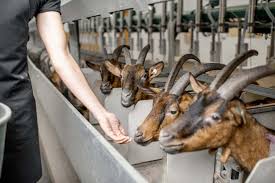
Effective goat management ensures healthy, productive animals and sustainable farming. This guide covers essential practices for identifying, handling, and caring for goats. From eartagging to nutrition, each section provides practical steps to maintain herd health and productivity.
Proper management starts with understanding legal requirements and health protocols. By implementing structured systems, farmers can track goat performance and prevent issues like disease or malnutrition. This article outlines key strategies for successful goat farming.
Herd Identification
Herd identification is critical for legal compliance and ownership verification. According to the Animal Identification Act, Act No. 6 of 2002, all livestock must be marked or identified. This ensures traceability and reduces disputes over ownership.
Goats are typically identified through ear tattooing, unlike cattle, which are branded. Each farmer needs a unique identification mark to comply with regulations. This mark helps track individual animals and maintain accurate records.
A. Obtaining an Identification Mark
1. Legal Requirement: All livestock must be marked per the Animal Identification Act, Act No. 6 of 2002. Goats are tattooed in the ear with the owner’s unique identification mark.
2. Application Process: Farmers apply to the National Department of Agriculture in Pretoria for a unique identification mark. A certificate with a unique code is issued for tattooing goats.
3. Diptank Marks: Diptanks may have a registered mark for members, but individual marks are safer to confirm ownership and avoid disputes.
B. Tattooing Process
1. Equipment Needed: Tattooing requires pliers, tattoo characters (letters/numbers), and ink, available through local farmer co-operatives.
2. Tattooing Method: Clean the goat’s ear to remove dirt and oil. Apply ink, press pliers to create holes, and rub ink into them. Ensure characters are readable as black dots.
3. Ensuring Accuracy: Verify the tattoo character sequence matches the registration certificate. Clean excess ink after application for clarity.
Castration Practices
Castration is a key management practice to control breeding and improve herd quality. Performed correctly, it minimizes health risks and ensures animal welfare. Timing and method are critical to avoid complications.
Castration is typically done at three months using a Burdizzo or, for very young kids, rubber rings. Proper technique and follow-up care, including vaccinations, prevent infections and promote recovery.
A. Castration Methods
1. Burdizzo Technique: At three months, use a Burdizzo to crush the spermatic cords separately. Ensure blood flow continues by crushing at different distances from the body.
2. Rubber Rings Warning: Use rubber rings only on kids under seven days old. Older goats risk death due to complications from this method.
3. Post-Castration Care: Vaccinate ewes with Multivax P four weeks before kidding to prevent infections. Monitor testicle shrinkage after a month; redo if necessary.
Read Also: Measures of Improving Field Crop Production
Recordkeeping for Herd Management

Accurate recordkeeping is essential for effective goat management. It provides insights into herd health, productivity, and financial performance. A simple system can track key metrics for informed decision-making.
Records should include goat numbers, birth dates, deaths, treatments, and sales. This information helps farmers monitor herd dynamics and plan breeding or health interventions effectively.
A. Essential Records
1. Goat Inventory: Track the exact number of goats, categorized by age, to monitor herd size and structure.
2. Birth and Death Records: Note ewe kidding dates, number of kids born, and details of deaths, including age and cause.
3. Treatment and Sales Data: Record treatments (what and when) and sales details, including prices and dates, for financial tracking.
B. Breeding and Age Tracking
1. Parentage Records: Identify the mother of each kid to monitor genetics and breeding outcomes.
2. Ram Introduction: Note when rams are introduced to the herd to manage breeding cycles effectively.
3. Age Monitoring: Record the birth year of each goat to track age and plan replacements or sales.
Health and Treatment Programs
Maintaining goat health requires a structured treatment calendar tailored to age and season. Preventive measures like vaccinations and parasite control reduce disease risks and improve productivity.
A general health program includes iodine for newborns, castration at three months, and seasonal treatments like Multivax P. Regular checks for worms and ticks ensure ongoing health.
A. Age-Based Health Program
1. Newborn Care: Apply iodine to the tongue of one-day-old kids to prevent infections.
2. Castration Timing: Castrate male kids at three months using the Burdizzo method for safety.
3. Vaccination Schedule: Administer Multivax P at 4-5 months, with a booster at 5-6 months, to protect against diseases.
B. Seasonal Health Program
1. Spring Vaccinations: Administer Multivax P to all goats in September, repeating after four weeks for immunity.
2. Year-Round Care: Conduct monthly footbaths with copper sulphate and check hooves to prevent infections.
3. Summer Tick Control: Control ticks monthly during summer to reduce parasite-related diseases.
Read Also: 10 Interesting Wolf Spiders (Lycosidae spp) Facts
Goat Dipping for Parasite Control
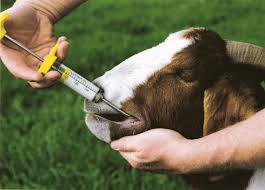
Goat dipping is an efficient method to control ticks and mange. A well-designed plunge dip ensures effective application and minimizes waste. Monthly dipping, except in mid-winter, maintains herd health.
Dips should be built with a deep pool, fenced runway, and drying area. Using a dip with Amitraz has proven effective for parasite control when applied correctly.
A. Designing a Goat Dip
1. Dip Structure: Build a plunge dip with a 2-meter-deep pool, fenced runway, and drying area to recycle dip solution.
2. Farmer Safety: Include an apron around the pool to prevent mud contamination and a cleft stick for safe goat submersion.
3. Capacity Measurement: Fill the dip with measured containers to determine volume for accurate dip medicine mixing.
B. Dipping Practices
1. Amitraz Use: Use a dip containing Amitraz for effective tick and mange control, applied monthly except in mid-winter.
2. Dipping Frequency: Maintain a regular dipping schedule to prevent parasite buildup and ensure herd health.
3. Resource Reference: Consult Section 19.5 or www.gapkzn.co.za for detailed guidance and videos on goat dipping.
Housing and Handling Facilities
Proper housing and handling facilities protect goats from weather, theft, and predation while ensuring efficient management. Shelters and handling pens reduce stress and improve care delivery.
Shelters need roofs, wind protection, and drainage to keep goats healthy. Handling facilities like crushes and sorting pens streamline vaccinations, dosing, and transportation.
A. Shelter Requirements
1. Weather Protection: Provide a roof and walls to shield goats from rain and wind, ensuring comfort.
2. Flooring Needs: Use drainage or cement floors to prevent muddy conditions, with raised slatted areas for dry resting.
3. Hygiene Maintenance: Clean kraals regularly to prevent disease buildup from dung and dust accumulation.
B. Handling Facilities
1. Crush and Pens: Use a crush for dosing and vaccinations, with a gathering pen to feed goats into the crush.
2. Sorting Pens: Separate males, females, and kids in sorting pens to prevent injuries during handling.
3. Loading Ramp: Include a loading ramp for safe transportation of goats to markets or other locations.
Nutrition and Feeding Strategies
Nutrition is vital for goat health and productivity. Well-fed goats resist diseases better and produce more milk and offspring. A year-round forage program ensures consistent feed availability.
Goats are browsers but also graze, requiring water, protein, energy, and minerals. Critical feeding times include before mating, late pregnancy, and early lactation to support health and growth.
A. Feed Requirements
1. Maintenance Needs: Mature, non-pregnant, or non-lactating goats need minimal feed to maintain body weight.
2. Additional Needs: Growing, pregnant, or lactating goats require extra feed for growth, reproduction, and milk production.
3. Environmental Factors: Goats in hilly areas or cold weather need more energy due to increased activity or temperature regulation.
B. Feed Components
1. Water Access: Provide 3-10 liters of clean water daily per goat, especially for lactating ewes or in hot weather.
2. Protein Sources: Include acacia pods, lucerne, or soybean meal to support growth, reproduction, and milk production.
3. Energy and Minerals: Offer maize, oats, or mineral supplements like P12 to address deficiencies and boost performance.
C. Supplementary Feeding
1. Supplement Types: Use licks, meals, or blocks like PROCON 33 to address nutrient deficiencies in natural veld.
2. Summer Supplements: Provide phosphate supplements like P12 mixed with salt to address veld deficiencies.
3. Winter Supplements: Use protein-energy blocks or molasses meals in winter to support digestion of poor-quality feed.
Frequently Asked Questions
1. Why is eartagging important for goats?
Eartagging ensures compliance with the Animal Identification Act and confirms ownership, reducing disputes and aiding herd management.
2. How should I tattoo my goats?
Clean the ear, apply ink, use tattoo pliers to create readable characters, and rub ink into holes, ensuring the sequence matches the registration certificate.
3. When should I castrate male kids?
Castrate at three months using a Burdizzo. Use rubber rings only for kids under seven days to avoid health risks.
4. What records should I keep for my goats?
Track goat numbers, births, deaths, treatments, parentage, ram introductions, ages, and sales for effective herd management.
5. How often should I dip my goats?
Dip monthly with Amitraz, except in mid-winter, to control ticks and mange, using a properly designed plunge dip.
6. What are critical feeding times for goats?
Focus on feeding before mating, during late pregnancy, early lactation, and for kids to ensure health and productivity.
7. How can I prevent disease in goat shelters?
Provide a roof, wind protection, drainage, and clean regularly to prevent disease buildup from dung and dust.
8. What supplements should I use in winter?
Use protein-energy blocks or molasses meals like Voermol Super 18 to support goats when veld quality is low.
Do you have any questions, suggestions, or contributions? If so, please feel free to use the comment box below to share your thoughts. We also encourage you to kindly share this information with others who might benefit from it. Since we can’t reach everyone at once, we truly appreciate your help in spreading the word. Thank you very much for your support and for sharing!