


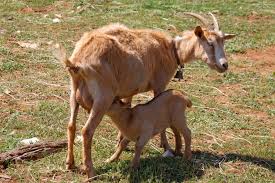
Goat reproduction and kidding are critical for herd productivity. Effective management ensures healthy kids and sustainable herd growth. This article explores key aspects of goat reproduction, from breeding seasons to ewe and ram management, offering practical insights for farmers.
Proper management directly impacts reproductive performance. By focusing on kidding intervals, kid numbers, and survival rates, farmers can assess herd efficiency. Poor management practices, such as inadequate nutrition or hygiene, often lead to high kid mortality, reducing herd sustainability.
This guide provides actionable steps to optimize goat reproduction. It covers breeding seasons, ram and ewe selection, and kidding management. Farmers can use these strategies to improve herd health and productivity, ensuring long-term success in goat farming.
Herd Reproductive Performance
Herd reproductive efficiency is vital for sustainable goat farming. Management practices significantly influence kidding success and kid survival. Assessing key metrics helps farmers identify areas for improvement and enhance overall herd productivity.
A. Key Performance Metrics
To evaluate herd reproductive performance, consider these factors:
1. Kidding Interval: The time between consecutive kiddings of a ewe, ideally less than 250 days, ensures frequent reproduction.
2. Kid Production: The number of kids per ewe reflects breeding success and herd growth potential.
3. Kid Survival Rates: The number of kids born and weaned indicates management effectiveness and kid health.
B. Challenges in Communal Areas
Low productivity in communal herds often stems from high kid mortality. Poor management practices contribute significantly to these losses, affecting herd sustainability.
1. Poor Nutrition: Inadequate feed leads to weak kids and higher mortality rates.
2. Unhygienic Conditions: Dirty kraals and facilities increase disease risks, such as coccidiosis.
3. Predators and Theft: These external factors reduce kid survival and herd numbers.
Breeding Season Management
Breeding season management shapes kidding outcomes. In KwaZulu-Natal, free-ranging goats mate year-round, with most kids born between March and September. Strategic breeding improves management and kid survival.
Year-round mating allows ewes to conceive as soon as they are ready. However, it complicates management, recording, and feeding strategies. Kids born in late winter or spring face feed shortages, impacting ewe health during pregnancy and lactation.
A. Advantages of Year-Round Mating
Year-round mating offers flexibility but poses challenges for efficient herd management.
1. Natural Breeding Cycles: Ewes mate as soon as they are ready, maximizing conception rates.
2. Continuous Kid Production: Kids are born throughout the year, maintaining herd growth.
B. Challenges of Year-Round Mating
Uncontrolled mating leads to management difficulties and resource strain.
1. Inconsistent Kidding: Kids born year-round make strategic feeding and care difficult.
2. Feed Shortages: Late winter or spring kidding coincides with low feed availability.
3. Ram Maintenance: Rams must be kept in good condition year-round, increasing costs.
Read Also: Bee Balm Flowers – All You Need to Know About
Ram Management

Effective ram management ensures successful breeding. Healthy rams with desirable traits improve herd genetics and kid quality. Proper care and selection are essential for optimal reproductive performance.
Rams must be healthy and fertile during the breeding season. A ratio of 1 ram to 20-30 ewes is recommended. Replacing rams every three years prevents inbreeding and maintains genetic diversity.
A. Choosing a Ram
Selecting a ram with strong genetics is critical for herd improvement.
1. Genetic Contribution: The ram contributes half of each kid’s production characteristics.
2. Physical Health: Ensure the ram has sound legs and feet for effective mating.
3. Reproductive Soundness: Check for abnormalities in the sheath, penis, and testicles.
B. Ram Health Checks
Regular health checks ensure rams are fit for breeding.
1. Testicle Condition: Both testicles should be equal in size, firm, and freely moving.
2. Scrotum Size: The scrotum circumference should be 34 cm from 18 months of age.
3. Absence of Wounds: Ensure no swellings or wounds on reproductive organs.
Ewe Management
Ewe management is crucial for successful kidding and kid survival. Selecting healthy ewes and providing proper care before and during pregnancy enhance reproductive outcomes.
Ewes should kid annually and have healthy udders and reproductive systems. Proper nutrition and minimal handling during mating and pregnancy support ewe health and foetal development.
A. Choosing a Ewe
Select ewes with strong reproductive traits to ensure healthy kids.
1. Udder Health: The udder should be firm, well-shaped, and free from pain or clots.
2. Teat Condition: Teats should be evenly sized, undamaged, and above the hocks.
3. Reproductive Health: The vulva should have no abnormal discharges or swellings.
B. Management Before Mating
Proper preparation ensures ewes are ready for breeding.
1. Nutrition: Provide good browse or supplementation three weeks before and after mating.
2. Body Condition: Aim for a body condition score of approximately 3 for optimal fertility.
3. Minimal Handling: Reduce stress during and two weeks after the mating season.
C. Management During Pregnancy
Proper care during pregnancy supports foetal growth and ewe health.
1. Gestation Period: Goat pregnancy lasts about 150 days, requiring consistent feed.
2. Late Pregnancy Needs: Ensure sufficient feed in the last 6-8 weeks to support foetal growth.
3. Avoid Overfeeding: Overfeeding can cause birth difficulties, harming ewe and kid.
Read Also: Balloon Flowers – All You Need to Know About
Kidding and Post-Kidding Management
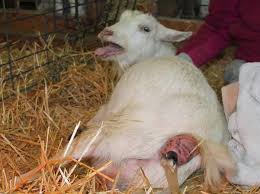
Proper kidding management minimizes stress and ensures kid survival. Post-kidding care, including culling and raising replacements, supports long-term herd health.
During kidding, avoid disturbing ewes and provide sufficient feed. Earmark kids for identification and separate ewes from the herd if possible. Culling unproductive ewes maintains herd quality.
A. Management Practices at Kidding
Careful management during kidding improves outcomes.
1. Minimize Disturbance: Avoid moving or handling ewes during kidding.
2. Separate Ewes: Isolate kidding ewes from the herd to reduce stress.
3. Earmark Kids: Number kids in relation to their mothers for tracking.
B. Culling Ewes
Culling ensures only productive ewes remain in the herd.
1. Udder Issues: Remove ewes with udder or mouth problems post-weaning.
2. Poor Performance: Cull ewes unable to raise kids effectively.
C. Raising Replacement Ewes
Raising healthy replacement ewes ensures herd sustainability.
1. Puberty Timing: Young ewes reach puberty at 5-9 months if well-grown.
2. Delay Mating: Prevent mating until 12 months to avoid stunted growth.
3. Selection Criteria: Keep ewes resistant to worms, diseases, and ticks for breeding.
Breeding for Size
Breeding for larger size, such as with Boer goats, requires caution. Larger breeds may compromise other traits, affecting herd resilience in harsh conditions.
Larger breeds like Boer goats often have stockier frames, limiting their browsing range. They may struggle in tough environments and lack strong mothering traits compared to indigenous goats.
A. Risks of Larger Breeds
Larger breeds may not suit all farming conditions.
1. Poor Mothering: Larger breeds may have weaker maternal instincts.
2. Limited Mobility: Stockier frames restrict walking and browsing on higher branches.
B. Benefits of Indigenous Goats
Indigenous goats offer advantages in harsh environments.
1. Resilience: They adapt well to tough conditions and limited feed.
2. Browsing Habits: They can stand on hind legs to reach higher branches.
Frequently Asked Questions
1. What is the ideal kidding interval for goats?
The ideal kidding interval is less than 250 days, allowing ewes to reproduce frequently and maintain herd growth.
2. Why do kids die in communal herds?
Kid mortality often results from poor nutrition, unhygienic conditions, diseases like coccidiosis, predators, and theft.
3. How many rams are needed per ewe?
A ratio of 1 ram to 20-30 ewes is recommended during the breeding season for effective mating.
4. What should I check when selecting a ram?
Ensure the ram has sound legs, no reproductive abnormalities, and a scrotum circumference of 34 cm from 18 months.
5. How can I improve ewe health before mating?
Provide good browse or supplementation three weeks before and two weeks after mating, aiming for a body condition score of 3.
6. What is the gestation period for goats?
Goat gestation lasts approximately 150 days, requiring sufficient feed, especially in the last 6-8 weeks.
7. Why should I avoid larger breeds like Boer goats?
Larger breeds may have poor mothering traits and struggle in harsh conditions due to limited mobility.
8. How should I select replacement ewes?
Choose ewes resistant to worms, diseases, and ticks, with good condition in winter and strong maternal traits.
Do you have any questions, suggestions, or contributions? If so, please feel free to use the comment box below to share your thoughts. We also encourage you to kindly share this information with others who might benefit from it. Since we can’t reach everyone at once, we truly appreciate your help in spreading the word. Thank you very much for your support and for sharing!