


Public Group
Active 8 months, 1 week ago
Group Type By Country
Group Leadership
- Group Administrators
-

Egypt Farmers Community
Agricultural Investment Opportunities in Egypt
- This topic is empty.
- AuthorPosts
- August 13, 2025 at 11:18 am #671908

 Agric4ProfitsModerator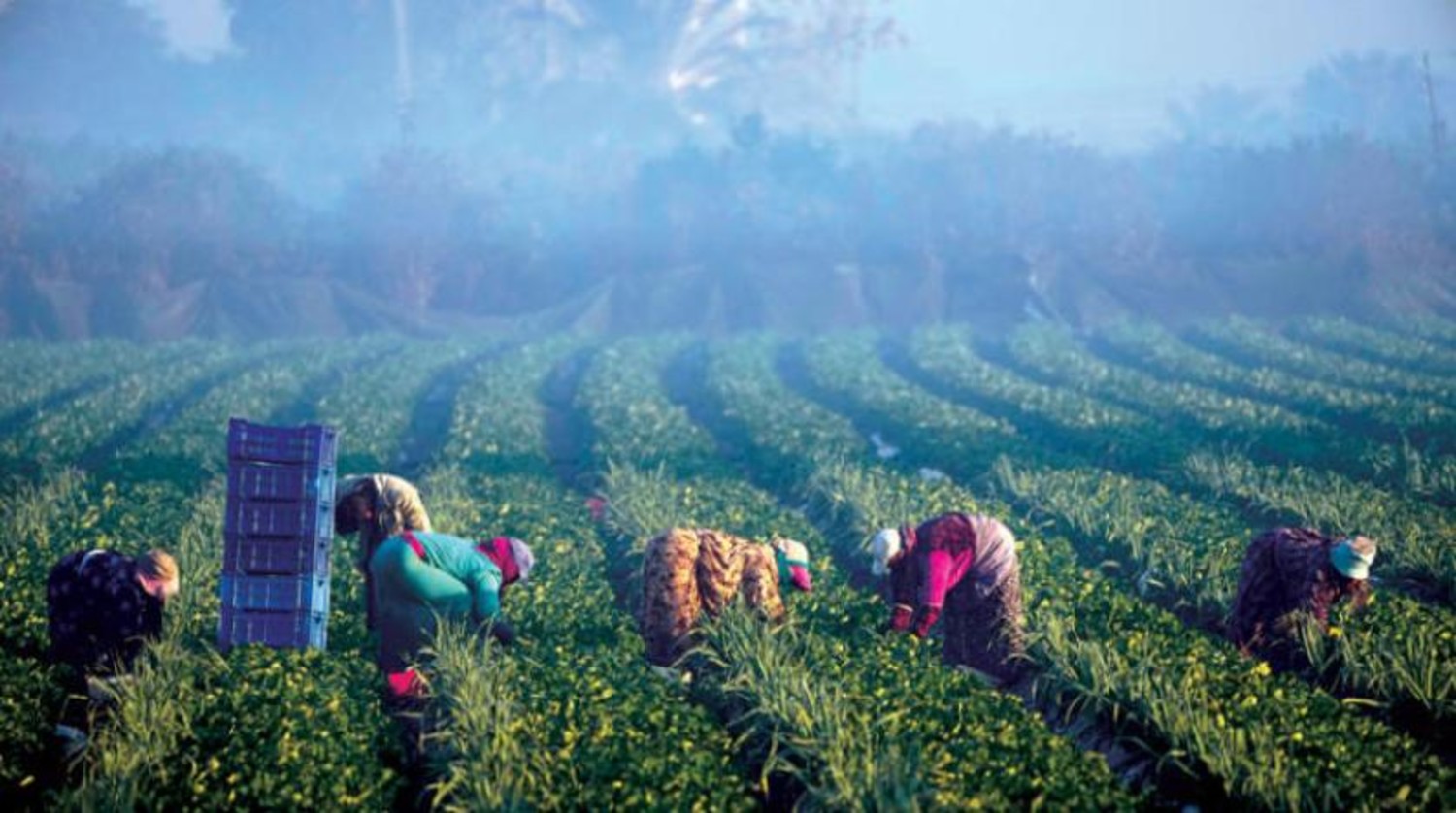
Egypt, a country with a rich agricultural heritage dating back thousands of years, continues to present promising opportunities for investment in the agricultural sector. With its vast stretches of arable land, access to major water sources like the Nile River, favorable climate conditions, and a large domestic market, Egypt is uniquely positioned to support agricultural expansion. The government is also actively promoting agricultural investment through policy reforms, infrastructure development, and land reclamation projects.
This article explores the key areas of agricultural investment in Egypt today. It highlights emerging sectors, high-potential regions, government-backed initiatives, export opportunities, and investment incentives.
Whether you are a local entrepreneur, an international investor, or a development agency, understanding these opportunities can help you make informed decisions and contribute to Egypt’s agricultural transformation.
Agriculture remains a strategic priority for Egypt, both economically and socially. As the country works to increase food security, create rural employment, and promote sustainable farming, it offers a fertile ground for smart, well-planned investments. From traditional crop cultivation to agritech innovation, the opportunities are wide-ranging and continually expanding.
1. High-Potential Crops and Livestock Sectors
Egypt’s climate and geography make it ideal for cultivating a wide range of high-value crops and supporting various types of livestock production. Investors can tap into both domestic demand and export markets by focusing on key agricultural products.
Vegetables and fruits, particularly those grown under greenhouses, represent one of the most profitable investment areas. Egypt is a major exporter of citrus fruits, grapes, strawberries, and pomegranates. With proper post-harvest handling and cold storage, these products can fetch high returns in European, Gulf, and African markets.
Field crops like wheat, maize, rice, and sugar beet are essential to national food security and benefit from government incentives. However, due to land and water limitations, investors may find higher profitability in cultivating niche crops such as herbs, spices, and medicinal plants, which require less water and have growing demand in international markets.
The livestock sector also presents investment potential. Egypt’s growing population drives demand for meat, milk, poultry, and eggs. Investments in modern poultry farms, dairy production facilities, and feed manufacturing plants are especially promising. The application of modern animal husbandry practices and biosecurity standards can significantly improve productivity and profitability.
With proper planning and technological support, investors in Egypt’s crop and livestock sectors can benefit from both market stability and export-driven growth.
Read Also: How to Apply for Agriculture Loans in Egypt
2. Promising Agricultural Regions for Investment
Egypt’s diverse geography opens up several regions with strong potential for agricultural development and investment. Government land reclamation and infrastructure projects are bringing previously unused or underused land into productive use.
The Nile Delta remains Egypt’s most agriculturally productive area, known for its fertile soil and access to water. However, land here is limited and often expensive. New investment frontiers are emerging in Upper Egypt, the Western Desert, and parts of the Sinai Peninsula.
The New Delta Project, located in the Western Desert, is a massive government initiative aimed at developing over two million feddans for agricultural use. It offers modern irrigation systems, road networks, and access to energy, making it an attractive option for investors looking for large-scale projects.
In Upper Egypt, the climate is suitable for crops like sugarcane, mangoes, and bananas. The region also benefits from a growing infrastructure base, lower labor costs, and proximity to Sudan and other African markets.
North Sinai, supported by projects like the El-Salam Canal, is being positioned as a strategic agricultural zone with significant government backing. Although some legal and security considerations apply, the region holds long-term potential.
By aligning their investments with government development zones and taking advantage of state-provided infrastructure, investors can reduce costs and improve project sustainability.
3. Government Programs and Investment Incentives
The Egyptian government has taken substantial steps to attract investment in agriculture through various programs and incentives. These measures aim to modernize the sector, enhance food security, and attract both local and international capital.
One of the flagship initiatives is the “1.5 Million Feddan” project, which offers land to investors and youth in newly reclaimed areas across Egypt. Participants are given access to long-term leases or ownership under specific conditions, along with support in infrastructure, water access, and sometimes financing.
The General Authority for Investment and Free Zones (GAFI) offers a streamlined process for registering agricultural businesses and can assist investors in identifying suitable land and funding opportunities. Special economic zones and investment areas may provide tax breaks, customs exemptions, and reduced bureaucracy for agricultural enterprises.
Additionally, the Central Bank of Egypt and the Agricultural Bank of Egypt offer low-interest loans for agricultural activities. These loans can be used for purchasing equipment, operating expenses, and developing value-added facilities such as packaging and processing units.
Investors may also benefit from research partnerships with government bodies such as the Ministry of Agriculture and Land Reclamation or agricultural universities. These partnerships support innovation in irrigation, crop breeding, and pest control.
By taking advantage of these government programs and incentives, investors can significantly reduce entry barriers and operational risks in Egypt’s agricultural sector.
4. Agribusiness and Value-Added Processing Opportunities
Agricultural investment in Egypt extends well beyond traditional farming. Agribusinesses, including food processing, storage, packaging, and logistics, are increasingly important and offer attractive investment returns.
Food processing is one of Egypt’s fastest-growing industries. With access to a wide range of raw agricultural materials and a large consumer base, the country offers excellent opportunities in the production of juice, dairy products, dried fruits, frozen vegetables, and canned goods. These products not only serve the local market but are also in high demand in neighboring countries and international markets.
Investing in cold storage facilities and warehouses is also vital. Post-harvest losses are a major issue in Egypt, particularly for perishable items like fruits, vegetables, and dairy. Entrepreneurs who develop efficient storage and distribution systems can help reduce waste while increasing supply chain efficiency and profitability.
Agro-logistics is another emerging opportunity, particularly in transportation, packaging, and export facilitation. Given Egypt’s strategic location with access to Africa, the Gulf, and Europe, agribusinesses that specialize in exporting can benefit greatly from improved logistics services.
Investors should also consider opportunities in feed production, organic fertilizers, seed development, and farm machinery manufacturing—all of which are essential to supporting the broader agricultural value chain.
By targeting value-added segments of agriculture, investors not only create jobs and reduce imports but also generate higher margins and long-term returns.
5. Emerging Technologies and Sustainable Agriculture
Modern technology is reshaping agriculture in Egypt and creating new opportunities for forward-thinking investors. Innovations in irrigation, data analytics, seed technology, and renewable energy are helping farmers boost productivity while conserving natural resources.
Drip and pivot irrigation systems are increasingly being adopted to address water scarcity. Investors can support or establish companies that manufacture, install, or maintain such systems, especially in newly reclaimed desert areas. Smart irrigation technologies that rely on sensors and mobile apps are also growing in popularity.
Precision agriculture, which uses satellite imagery, drones, and soil sensors to optimize input use and yields, is still in its early stages in Egypt but offers huge potential. Startups and investors in this space can provide services to large farms or cooperatives seeking to modernize their operations.
Renewable energy, particularly solar power, plays an important role in off-grid farming operations. Solar pumps and solar-powered greenhouses are in demand, especially in remote areas where traditional energy infrastructure is limited.
Sustainable practices, including organic farming, composting, and integrated pest management, are being encouraged by both the government and export markets. Investors can capitalize on the rising demand for environmentally friendly farming systems and products.
By integrating innovation and sustainability into agricultural investments, businesses can reduce operational costs, increase yields, and align with both domestic policy and global market trends.
Read Also: Tools for air water and soil analysis
- AuthorPosts
- You must be logged in to reply to this topic.