



Public Group
Active 8 months, 1 week ago
Group Type By Country
Group Leadership
- Group Administrators
-

Egypt Farmers Community
Best Fertilizers for Vegetables in Egypt
- This topic is empty.
- AuthorPosts
- August 7, 2025 at 11:44 am #671124

 Agric4ProfitsModerator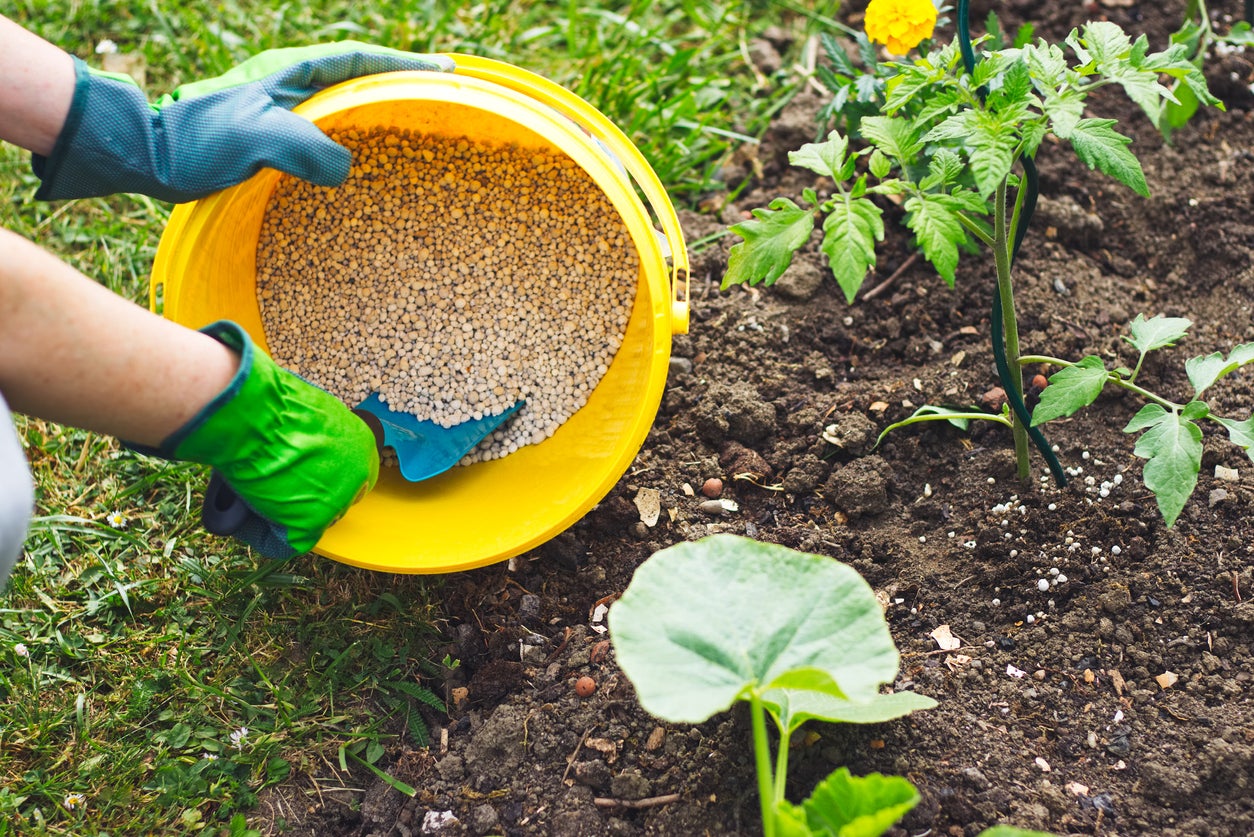
Vegetable farming in Egypt plays a critical role in ensuring food security, generating income, and supporting rural livelihoods. The country’s favorable climate allows for year-round production of a wide variety of vegetables, such as tomatoes, onions, potatoes, cucumbers, peppers, and leafy greens. These crops are cultivated both in traditional open fields and under modern greenhouse systems. However, to achieve high yields and good quality produce, farmers must apply the right types of fertilizers in appropriate quantities and at the correct growth stages.
Soil fertility in Egypt varies widely depending on location. In the fertile Nile Delta, soils are often rich in organic matter but can be affected by salinity and nutrient imbalances. In contrast, reclaimed desert lands often suffer from poor fertility, low organic content, and limited microbial activity. As a result, fertilizer selection and management are key components in the success of vegetable cultivation across the country.
This article provides a comprehensive guide to the best fertilizers for vegetables in Egypt. It covers five key aspects of fertilization tailored to local conditions. The first section discusses nitrogen-based fertilizers, essential for leafy growth and overall plant vigor.
The second section focuses on phosphorus-rich fertilizers, which are critical for root development and early plant establishment. The third highlights potassium fertilizers, important for flowering, fruiting, and disease resistance.
The fourth explores the role of organic and bio-fertilizers, which improve soil health and reduce environmental impact. Finally, the article examines fertilizer application strategies, including timing, methods, and integrated nutrient management.
Whether you are a small-scale farmer, a commercial grower, or an agricultural student, this article offers valuable insights into choosing and using the best fertilizers to boost vegetable production in Egypt’s diverse agricultural zones.
1. Nitrogen-Based Fertilizers

Nitrogen is a key nutrient in vegetable production, responsible for promoting vigorous vegetative growth, chlorophyll formation, and protein synthesis. In Egypt, nitrogen deficiencies are common, especially in reclaimed desert lands with low organic matter content. As such, nitrogen-based fertilizers are widely used across the country to support the cultivation of fast-growing and high-demand vegetables like lettuce, cabbage, spinach, and tomatoes.
Among the most commonly used nitrogen fertilizers in Egypt are urea, ammonium nitrate, and ammonium sulfate. Urea, containing 46 percent nitrogen, is highly concentrated and cost-effective, making it a preferred choice for many farmers. It can be applied as a top-dressing or dissolved in water for fertigation systems. However, urea requires careful management to prevent nitrogen loss through volatilization, especially under high temperatures.
Ammonium nitrate, which contains both ammonium and nitrate forms of nitrogen, offers rapid availability to plants and is often used during early growth stages. It is particularly useful in cooler regions or during the winter season. Ammonium sulfate is another popular nitrogen source that also supplies sulfur, an essential secondary nutrient that supports enzyme activity and flavor development in crops like onions and garlic.
For greenhouse vegetables and drip-irrigated systems, calcium nitrate is commonly used. This dual-nutrient fertilizer provides both readily available nitrogen and calcium, improving fruit quality and preventing disorders such as blossom-end rot in tomatoes and peppers.
Despite the widespread use of nitrogen fertilizers, excessive or unbalanced application can lead to problems such as nitrate leaching, water pollution, and poor crop quality. Therefore, nitrogen should be applied based on soil testing, crop type, and growth stage. Splitting applications throughout the growing season ensures better uptake and minimizes losses.
By selecting the appropriate nitrogen fertilizer and applying it properly, Egyptian farmers can significantly enhance the growth and yield of their vegetable crops while maintaining environmental sustainability.
Read Also: Guide on How to Determine Fertilizer Needs
2. Phosphorus-Rich Fertilizers
Phosphorus is an essential nutrient for vegetable crops, playing a critical role in root development, energy transfer, and early plant growth. In Egypt, phosphorus deficiency is a common problem, particularly in calcareous soils found in reclaimed desert lands. These soils often bind phosphorus, making it less available to plants despite the presence of adequate levels. Therefore, phosphorus-rich fertilizers are necessary to ensure strong root systems, early flowering, and overall plant vitality.
The most widely used phosphorus fertilizer in Egypt is single superphosphate (SSP), which contains around 16 to 20 percent phosphorus (as P2O5) along with calcium and sulfur. SSP is suitable for a range of vegetable crops and can be applied during land preparation to enhance phosphorus availability during the early stages of plant development.
Triple superphosphate (TSP) is another effective fertilizer with a higher phosphorus concentration of approximately 44 to 46 percent. It is often used for crops with high phosphorus demands, such as root vegetables like carrots and beets. TSP is typically incorporated into the soil before planting to promote deep root penetration and strong seedling establishment.
Monoammonium phosphate (MAP) and diammonium phosphate (DAP) are phosphorus-rich fertilizers that also supply nitrogen, making them excellent choices for early-stage nutrition in fast-growing vegetables. MAP is particularly useful in acidic soils, while DAP is preferred in neutral to alkaline conditions. These fertilizers dissolve readily in water and are commonly used in fertigation systems in greenhouse or drip-irrigated vegetable farms.
To maximize phosphorus uptake, it is important to ensure proper soil pH levels and good soil structure. Mycorrhizal fungi, often found in organic or biologically active soils, can also help improve phosphorus absorption. In cases of phosphorus fixation, acidifying agents or localized band placement of fertilizers near plant roots can enhance efficiency.
By using the right phosphorus fertilizers in the correct manner, Egyptian vegetable farmers can promote healthier plants, faster growth, and better yields, especially during early crop development.
3. Potassium Fertilizers
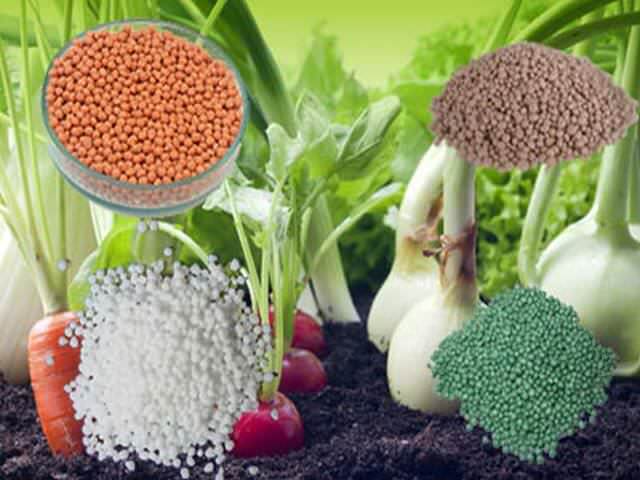

Potassium is the third major nutrient required for successful vegetable farming and is particularly vital for enhancing fruit development, improving disease resistance, and increasing drought tolerance. In Egypt’s vegetable production systems, potassium plays a crucial role in crops like tomatoes, potatoes, cucumbers, and peppers, which demand high levels of this nutrient for optimal yield and quality.
The most commonly used potassium fertilizers in Egypt include potassium sulfate (SOP) and potassium chloride (MOP). Potassium sulfate contains about 50 percent potassium and 18 percent sulfur. It is especially suitable for chloride-sensitive crops such as tomatoes and lettuce. SOP is preferred in greenhouse and intensive vegetable farming due to its low salt index and minimal risk of crop toxicity.
Potassium chloride, or muriate of potash (MOP), contains a higher concentration of potassium (around 60 percent) and is more cost-effective. However, it also contains chloride, which can be harmful to some vegetable crops when used in excess. MOP is generally applied to less sensitive crops and is often incorporated into the soil before planting to avoid chloride buildup near plant roots.
For fertigation systems and high-value crops, liquid potassium formulations such as potassium nitrate or potassium thiosulfate are increasingly popular. These provide potassium in a soluble form and can be easily mixed with other nutrients, making them ideal for controlled nutrient delivery in drip irrigation setups.
In potassium-deficient soils, symptoms such as leaf chlorosis, stunted growth, and poor fruit quality can be observed. To prevent these issues, potassium fertilizers should be applied based on soil analysis and crop-specific requirements. Splitting doses over the growing season ensures better nutrient uptake and reduces leaching losses.
Balanced potassium nutrition also improves post-harvest quality by enhancing shelf life, firmness, and taste. In Egypt’s competitive vegetable markets, where consumer preferences and export standards are increasingly important, proper potassium management is essential.
By selecting suitable potassium fertilizers and using them strategically, Egyptian farmers can achieve higher yields, better produce quality, and increased resistance to stress factors.
4. Organic and Bio-Fertilizers


Organic and bio-fertilizers are gaining significant attention in Egypt due to their role in improving soil health, reducing chemical inputs, and supporting sustainable agriculture. These fertilizers are particularly valuable in vegetable farming, where soil fertility, microbial activity, and environmental safety are essential for long-term productivity and market acceptance.
Organic fertilizers such as compost, farmyard manure, poultry manure, and green manure are widely used across Egypt. These materials enrich the soil with essential nutrients, increase organic matter content, and improve soil structure. They also enhance the water-holding capacity of sandy soils, making them more suitable for vegetable cultivation in reclaimed desert areas.
Well-decomposed compost is especially effective for leafy greens, root vegetables, and organic-certified crops. It provides slow-release nutrients and fosters beneficial microbial populations that help suppress soil-borne diseases. Organic matter also improves nutrient retention, reducing the need for frequent chemical fertilization.
Bio-fertilizers consist of living microorganisms that enhance nutrient availability. These include nitrogen-fixing bacteria like Rhizobium and Azotobacter, phosphate-solubilizing bacteria, and potassium-mobilizing microbes. When applied to seeds, roots, or soil, these microbes colonize the rhizosphere and assist in nutrient uptake. For example, Azospirillum and Azotobacter can significantly reduce the need for synthetic nitrogen fertilizers in vegetable crops.
Vermicompost and liquid organic fertilizers are also gaining popularity, especially in urban and peri-urban farming. These products are easy to apply, environmentally friendly, and suitable for intensive vegetable production under protected cultivation.
In addition to improving crop health and yields, organic and bio-fertilizers contribute to long-term soil fertility and environmental sustainability. They reduce the risk of nutrient runoff, groundwater contamination, and chemical residues in produce.
Egyptian agriculture is increasingly promoting integrated nutrient management that combines organic, biological, and chemical inputs for balanced crop nutrition. This approach not only ensures consistent production but also aligns with national goals for sustainable and climate-smart agriculture.
5. Fertilizer Application Strategies
Choosing the right fertilizer is only part of the equation. Effective fertilizer application strategies are essential to ensure maximum nutrient uptake, reduce losses, and enhance crop performance. In Egypt, where water scarcity and soil variability present challenges, strategic fertilizer management becomes even more critical for successful vegetable farming.
One of the most effective approaches is fertigation, which involves applying soluble fertilizers through drip or sprinkler irrigation systems. This method allows for precise delivery of nutrients directly to the root zone, minimizing waste and improving efficiency. Fertigation is widely used in greenhouse operations and is expanding into open-field cultivation as irrigation infrastructure improves.
Split application is another vital strategy, especially for nitrogen and potassium. Instead of applying the entire dose at once, nutrients are provided in multiple smaller doses aligned with crop growth stages. This reduces leaching, avoids nutrient buildup, and ensures that plants receive nutrients when they need them most.
Soil testing and analysis are fundamental to any effective fertilizer strategy. By understanding soil nutrient levels, pH, salinity, and texture, farmers can customize fertilizer programs tailored to their specific conditions. Regular testing also helps monitor long-term soil health and prevents overuse or underuse of nutrients.
Foliar feeding, the practice of applying liquid fertilizers directly to plant leaves, can be used to quickly correct nutrient deficiencies during critical growth periods. This method is especially useful for micronutrients such as iron, zinc, and manganese, which are often unavailable in high-pH Egyptian soils.
In reclaimed desert lands, localized placement of fertilizers, such as banding or side dressing, ensures that nutrients are accessible to young seedlings with limited root systems. This technique minimizes contact with calcareous soil particles that can fix nutrients like phosphorus.
Finally, record-keeping and planning are essential. Tracking fertilizer types, rates, and timing helps optimize future applications and improve productivity over time.
By adopting integrated, data-driven, and site-specific application strategies, Egyptian vegetable farmers can maximize the benefits of fertilizers, enhance crop yields, and support sustainable agriculture.
Frequently Asked Questions
Q1: Why are fertilizers so important in vegetable farming in Egypt?
Fertilizers are essential because soils in Egypt vary greatly. Nile Delta soils may face salinity and nutrient imbalance, while reclaimed desert lands often lack fertility and organic matter. Proper fertilizer use ensures vegetables like tomatoes, onions, and cucumbers grow with strong roots, healthy leaves, and high yields.Q2: What types of nitrogen fertilizers do farmers commonly use?
Egyptian farmers rely on urea, ammonium nitrate, ammonium sulfate, and calcium nitrate. Each has unique benefits: urea is cost-effective, ammonium nitrate provides fast action, ammonium sulfate adds sulfur, and calcium nitrate improves fruit quality in crops like tomatoes and peppers.Q3: How do phosphorus-rich fertilizers help vegetables?
Phosphorus fertilizers such as single superphosphate (SSP), triple superphosphate (TSP), MAP, and DAP support strong root development and early plant establishment. They are especially important in desert soils where phosphorus tends to get locked up and unavailable to crops.Q4: Are organic and bio-fertilizers used in Egypt’s vegetable farming?
Yes. Farmers increasingly use compost, farmyard manure, poultry manure, vermicompost, and bio-fertilizers (like Azotobacter and phosphate-solubilizing bacteria). These improve soil health, reduce reliance on chemicals, and support sustainable farming, especially in reclaimed lands.Q5: What are the best fertilizer application strategies for Egyptian farmers?
Farmers often apply fertilizers through fertigation (via drip irrigation), split applications across growth stages, and foliar feeding for quick correction of nutrient deficiencies. Soil testing is critical for tailoring fertilizer programs, especially in Egypt’s diverse soils.
- AuthorPosts
- You must be logged in to reply to this topic.