



Public Group
Active 8 months, 1 week ago
Group Type By Country
Group Leadership
- Group Administrators
-

Egypt Farmers Community
Challenges Facing Egyptian Farmers
- This topic is empty.
- AuthorPosts
- August 12, 2025 at 11:19 am #671770

 Agric4ProfitsModerator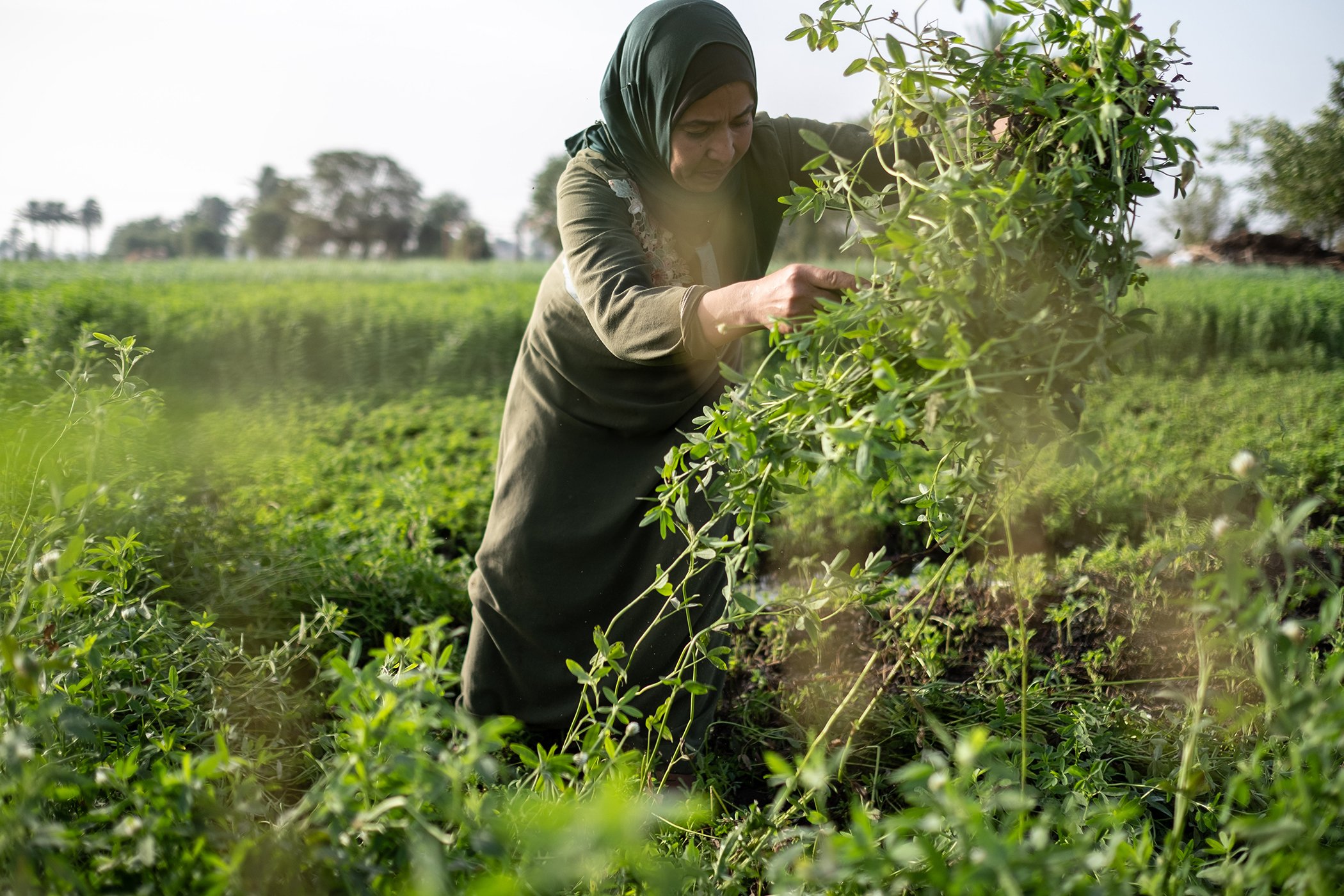
Farming in Egypt has always been a fundamental part of the country’s history, economy, and food security. The fertile Nile Valley and Delta have allowed agriculture to flourish for thousands of years, making Egypt one of the oldest agricultural civilizations in the world. However, modern Egyptian farmers face a host of evolving and interconnected challenges that threaten the sustainability of agriculture and the welfare of rural communities.
From environmental constraints to economic pressures, farmers must navigate a range of difficulties that can severely impact productivity and income. Water scarcity, land degradation, and unpredictable climate patterns are making it harder to maintain healthy crop yields. At the same time, rising costs of inputs like seeds, fertilizers, and fuel have increased the financial burden on farmers, many of whom operate on very thin profit margins.
Institutional gaps such as limited access to credit, insufficient extension services, and outdated farming practices only deepen the problem. Many smallholder farmers lack access to modern technology, agricultural training, and market information that could help them compete in a rapidly changing sector. Additionally, structural issues like land fragmentation and weak marketing systems make it difficult to scale up operations or ensure fair prices.
This article explores the most pressing challenges facing Egyptian farmers today, beginning with the effects of water scarcity on agriculture. The second section looks at how land degradation and soil salinity reduce crop productivity. The third section addresses economic difficulties, including market instability and rising production costs. The fourth section examines the lack of access to agricultural support services. Finally, the fifth section discusses the broader structural and policy-related issues that hold back the agricultural sector.
Understanding these challenges is essential for policymakers, development agencies, and investors who want to support Egypt’s farmers and unlock the sector’s full potential.
1. Water scarcity and its impact on agriculture
Water scarcity is the single most significant environmental challenge facing Egyptian farmers today. Egypt relies almost entirely on the Nile River for its water needs, and more than 80 percent of that water is used for agricultural purposes. However, the available water supply is increasingly under threat due to both internal mismanagement and external pressures.
Internally, outdated irrigation methods such as flood irrigation are still widely used across many regions. These systems are highly inefficient, leading to large-scale water loss through evaporation and runoff. Many farmers lack the resources or knowledge to adopt more modern methods like drip or sprinkler irrigation, which could significantly reduce water use and improve crop productivity.
Externally, upstream developments on the Nile, particularly the construction of dams and irrigation projects in other Nile Basin countries, have raised concerns about the long-term availability of water for Egyptian agriculture. With a growing population and increased demand for water in urban areas, the competition between different sectors will likely intensify.
The shortage of water limits the types of crops farmers can grow, forcing many to abandon water-intensive crops like rice and sugarcane in favor of more drought-tolerant varieties. This shift, while necessary, often results in reduced profitability, especially for farmers who lack experience or support in growing new types of crops.
In reclaimed desert lands, where groundwater is the main source of irrigation, water scarcity is even more severe. Overuse of underground water sources without adequate replenishment has led to declining water tables and reduced water quality, making farming less viable.
Water scarcity also increases the risk of crop failure, affects livestock health, and contributes to rural poverty. Without urgent reforms in water management, infrastructure upgrades, and farmer education, water scarcity will continue to threaten the future of Egyptian agriculture.
Read Also: Five Agri-Business Ideas in Kenya: a comprehensive guide for farmers in Kenya
2. Soil degradation and declining land productivity
Soil degradation is another major challenge confronting Egyptian farmers, particularly in areas that have been intensively cultivated for generations. In the Nile Delta and Valley, continuous farming without sufficient crop rotation or soil replenishment has led to declining fertility. Many farmers rely heavily on chemical fertilizers to maintain yields, but over time this has reduced soil health and made land less productive.
One of the most serious forms of soil degradation in Egypt is salinization. This occurs when excess salts accumulate in the soil, usually as a result of poor drainage and excessive irrigation. In coastal areas of the Delta, sea water intrusion due to rising sea levels and over-extraction of groundwater is worsening the problem. Saline soils limit plant growth, reduce crop choices, and lower overall productivity.
Newly reclaimed desert lands, while offering potential for expanding agricultural space, also come with their own soil challenges. These lands often have poor organic content and require extensive treatment before they can support consistent crop production. Without adequate planning and investment in soil improvement, many of these lands remain underutilized or fail to deliver the expected yields.
The overuse of monocultures, especially wheat and clover, contributes to soil exhaustion. Farmers often lack the technical knowledge or financial support needed to adopt crop rotation or incorporate green manures that would help restore soil vitality.
Wind erosion, particularly in desert and semi-desert areas, also strips the land of its topsoil and organic matter. Combined with the impacts of climate change, such as increased heat and reduced rainfall, soil degradation poses a serious long-term threat to Egypt’s food production capacity.
Addressing soil degradation requires a multi-faceted approach, including education, organic farming techniques, and better drainage infrastructure. If not resolved, soil-related issues will continue to reduce the productivity of Egypt’s most valuable agricultural lands.
3. Rising input costs and market instability
Economic pressures are among the most immediate and visible challenges facing Egyptian farmers. One of the main difficulties is the rising cost of agricultural inputs such as seeds, fertilizers, pesticides, animal feed, fuel, and machinery. As global prices for these goods fluctuate and the local currency experiences instability, many farmers find it increasingly difficult to afford the supplies they need for a successful season.
Fertilizer prices in particular have soared in recent years, due both to global market dynamics and local supply chain issues. In some cases, farmers resort to using substandard or counterfeit products, which can damage crops and reduce yields. Quality seed availability is also inconsistent, limiting farmers’ ability to grow high-yielding or disease-resistant varieties.
Transportation costs, affected by fuel prices and infrastructure conditions, further reduce profit margins. Farmers in remote or rural areas struggle with moving their goods to urban markets, where prices are higher and demand is stronger. The lack of cold storage and packaging facilities also leads to high post-harvest losses, especially for perishable crops like vegetables and herbs.
Market instability adds another layer of risk. Farmers often have little control over the prices at which they sell their produce. Prices can drop dramatically due to market saturation or lack of coordination among producers. Without access to reliable market information, farmers cannot plan effectively or negotiate better prices with buyers.
Moreover, there is a lack of organized marketing systems or cooperative networks that could help farmers pool their resources and strengthen their bargaining power. As a result, many remain dependent on middlemen who offer low prices but take large profits.
Unless the cost structure and marketing systems are improved, Egyptian farmers will continue to struggle financially, regardless of how well they manage their crops or land.
4. Limited access to agricultural support services
Agricultural support services such as extension programs, financing, and training are crucial for any modern farming system. In Egypt, however, many farmers—especially smallholders—lack access to these essential services, leaving them isolated and underprepared to face the complex challenges of contemporary agriculture.
Extension services, which are meant to deliver technical guidance and updates on best practices, are often underfunded and understaffed. As a result, many rural communities receive little to no regular support or education on topics such as pest control, irrigation efficiency, or sustainable soil management. In some cases, farmers rely on word of mouth or outdated practices passed down over generations, which may no longer be effective under modern conditions.
Access to credit and financing remains limited. Traditional banks often view smallholder farmers as high-risk borrowers, especially those without formal land titles or business plans. While some government programs offer subsidized loans, these are frequently difficult to obtain due to bureaucratic hurdles and lack of awareness. This financial gap prevents farmers from investing in new technologies, quality inputs, or even recovering from a poor harvest.
Training programs in areas like digital agriculture, climate-smart farming, and value-added processing are still lacking at a national scale. Without skills development, many farmers cannot take advantage of emerging opportunities in agribusiness or adapt to market demands.
Furthermore, coordination between government institutions, research centers, and farmers is weak. Innovations developed in universities or experimental stations often do not reach the farmers who need them most. The absence of inclusive, farmer-centered policy frameworks makes it difficult for rural producers to engage in long-term planning or participate in decision-making processes that affect their livelihoods.
Improving support services is essential to raising productivity, reducing risk, and fostering a more resilient agricultural sector in Egypt.
5. Structural and policy-related obstacles
Beyond environmental and economic concerns, Egyptian farmers also face deep-rooted structural and policy-related challenges that limit their ability to grow and succeed. One such issue is land fragmentation. As land is passed down from generation to generation, it is often divided among heirs, resulting in increasingly smaller plots that are difficult to farm efficiently. These small holdings hinder the adoption of mechanization and reduce overall productivity.
Policy inconsistency is another critical issue. Agricultural policies in Egypt have frequently shifted direction depending on changes in leadership, funding availability, or political priorities. This unpredictability makes it difficult for farmers to make long-term investments or adapt to government programs that may change within a few years. In many cases, farmers are not adequately consulted when new policies are introduced, leading to poor implementation and low participation.
Land ownership and registration issues also persist. Many farmers do not have clear legal title to their land, making it hard for them to secure credit or government support. Confusion over land use rights can lead to disputes or discourage investment in infrastructure such as irrigation systems or greenhouses.
Additionally, rural infrastructure is often underdeveloped. Poor roads, limited access to electricity, and inadequate storage facilities increase production costs and reduce farmers’ competitiveness. Without reliable infrastructure, even well-grown crops may never reach high-paying markets in good condition.
There is also a gap in integrating smallholder farmers into value chains. Without collective bargaining power or access to processors and exporters, many farmers are confined to low-value markets. This structural disconnect keeps rural communities trapped in cycles of low income and underdevelopment.
To address these issues, Egypt needs a comprehensive and stable agricultural policy framework that prioritizes inclusion, infrastructure, and long-term investment. Only by tackling these structural barriers can the country build a sustainable and competitive agricultural sector.
- AuthorPosts
- You must be logged in to reply to this topic.