


Public Group
Active 8 months, 1 week ago
Group Type By Country
Group Leadership
- Group Administrators
-

Egypt Farmers Community
Date Palm Farming in Egypt
- This topic is empty.
- AuthorPosts
- August 7, 2025 at 11:36 am #671120

 Agric4ProfitsModerator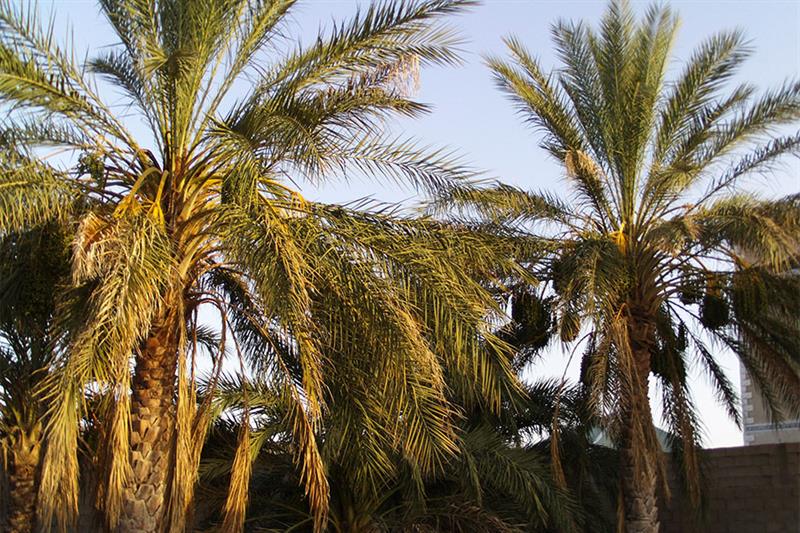
Date palm farming in Egypt holds deep historical, cultural, and economic significance. As one of the oldest cultivated crops in the region, the date palm has thrived in Egypt’s arid climate for thousands of years.
The country’s unique geography, particularly in the Nile Valley, Delta, and desert oases, provides ideal conditions for growing date palms, which are well-suited to hot temperatures and limited rainfall. In fact, Egypt is the world’s leading producer of dates, contributing a significant share to global production, with over 1.7 million tons harvested annually.
This article explores the different aspects of date palm farming in Egypt, focusing on cultivation practices, varieties, economic impact, challenges, and future prospects. It begins with an overview of the traditional and modern cultivation practices used in growing date palms across different regions. Next, it presents the major date palm varieties cultivated in Egypt, including their characteristics and uses. The article then looks at the economic significance of date farming, both domestically and internationally, highlighting the role of dates in rural livelihoods and trade.
The discussion continues with an analysis of challenges and threats facing the sector, from pests and diseases to water scarcity and market constraints. Finally, it concludes with a look at recent initiatives and the future outlook, including technological improvements, government efforts, and export development strategies aimed at enhancing the productivity and sustainability of date palm farming in Egypt.
Readers will come away with a thorough understanding of this vital agricultural sector and its importance in shaping both Egypt’s past and future.
1. Cultivation Practices
Date palm cultivation in Egypt is deeply rooted in tradition but has increasingly incorporated modern agricultural techniques to improve yield and quality. The process begins with selecting suitable sites, which are typically found in Upper Egypt, the Nile Delta, and desert oases such as Siwa, Bahariya, and Dakhla. These areas provide the warm temperatures and well-drained soils that are essential for date palms to thrive.
Planting is commonly done using offshoots taken from mature female date palms. These offshoots are preferred over seed propagation because they ensure the consistency and quality of the parent plant. Farmers usually plant the offshoots during the cooler months to reduce transplanting shock. Trees are spaced between 8 to 10 meters apart to allow sufficient sunlight, air circulation, and mechanical access for maintenance and harvesting.
Irrigation is a crucial aspect of cultivation, especially in arid regions. Traditionally, flood irrigation was widely used, but it has gradually been replaced by more efficient systems such as drip and bubbler irrigation. These modern systems help conserve water and deliver moisture directly to the root zone. Fertilization is typically carried out with a combination of organic manure and chemical fertilizers, applied periodically to support growth and fruit development.
Pollination, an essential step in date farming, is usually done manually. Since date palms are dioecious, male and female flowers grow on separate trees. Farmers collect pollen from male flowers and apply it to female flowers by hand, ensuring proper fruit set and maximizing yield.
Harvesting occurs between August and October, depending on the variety. Fruits are often picked in stages to ensure optimal ripeness and quality. With proper post-harvest handling, including sorting, cleaning, and storage, dates can be marketed locally or exported to international markets. Through these practices, Egypt maintains its position as a global leader in date production.
Read Also: The Complete Guide to Successful Date Palm Cultivation in Egypt
2. Varieties of Date Palms in Egypt
Egypt boasts a rich diversity of date palm varieties, each with unique characteristics in terms of taste, texture, appearance, and use. These varieties are broadly classified into three categories based on their level of moisture: soft, semi-dry, and dry. The type grown often depends on regional climate conditions and market demand.
One of the most famous Egyptian varieties is Zaghloul, a red-skinned, soft date that is popular in the Nile Delta. It is typically consumed fresh during the early stages of the harvest season. Zaghloul dates are highly perishable and mostly sold in local markets. Another well-known soft variety is Samani, which has a sweet taste and is often grown in Lower Egypt.
Siwi is a semi-dry variety widely cultivated in the Siwa Oasis. It is known for its long shelf life, which makes it ideal for storage and export. Siwi dates are commonly used in processing and are a staple in both local diets and commercial trade. Amhat, another semi-dry variety, is also cultivated in Upper Egypt and has gained popularity for its balanced sweetness and market versatility.
Among the dry varieties, Saidi is notable. Grown primarily in Upper Egypt, Saidi dates are dark, firm, and highly suitable for long-term storage. They are frequently used in making date paste and other processed products.
These varieties not only differ in physical attributes but also in economic and cultural value. Some are used primarily for fresh consumption, while others are ideal for industrial uses such as date syrup, paste, or confections. In recent years, research institutions in Egypt have worked on improving existing varieties and introducing new ones with better disease resistance, higher yield, and improved market appeal.
The diversity of date palm varieties in Egypt reflects the country’s long history with the crop and its adaptability to varying environmental and market conditions.
3. Economic Significance
Date palm farming plays a vital role in Egypt’s economy, particularly in rural and desert regions where agricultural options are limited. With more than 15 million date palm trees cultivated across the country, Egypt is not only the world’s largest date producer but also a key player in regional food security and job creation.
The date sector provides employment opportunities for thousands of farmers, laborers, and workers involved in post-harvest processing, packaging, and distribution. For many rural families, income from date cultivation represents a primary or supplemental source of livelihood. This is especially important in oasis communities where limited water resources restrict other forms of agriculture.
Domestically, dates are a staple food product, consumed fresh or dried throughout the year and especially during Ramadan. The demand for dates ensures a stable market within the country, supporting local economies and encouraging further investment in the sector. In addition to food uses, date by-products such as seeds, fronds, and trunks are utilized in producing animal feed, handicrafts, and construction materials, adding to the crop’s overall economic value.
On the international stage, Egypt exports dates to more than 60 countries, including Indonesia, Malaysia, Morocco, and the United States. However, while Egypt leads in production volume, it has traditionally lagged in export value compared to countries like Tunisia and Saudi Arabia due to quality and branding issues. Efforts are now underway to improve post-harvest handling, processing facilities, and marketing strategies to enhance Egypt’s competitiveness in global markets.
Government initiatives and partnerships with international organizations have also contributed to upgrading the date palm sector. These include training programs for farmers, subsidies for modern irrigation systems, and support for small and medium enterprises in the processing industry.
The economic significance of date farming in Egypt extends beyond mere crop production. It contributes to rural development, food security, and foreign exchange earnings, making it a strategic sector for the country’s sustainable growth.
4. Challenges and Threats
Despite its many advantages, date palm farming in Egypt faces several significant challenges that threaten its long-term sustainability and profitability. Among the most pressing issues is pest and disease infestation, particularly the red palm weevil, which has become a serious concern in many growing regions. This invasive insect damages the internal structure of the tree, often leading to its death if not detected early. Controlling such pests requires vigilant monitoring, regular treatment, and sometimes tree removal, all of which increase production costs.
Another major challenge is water scarcity. Although date palms are drought-tolerant, they still require a regular water supply, especially during the fruiting period. With increasing pressure on Egypt’s limited water resources, particularly in desert and reclaimed lands, farmers often struggle to maintain adequate irrigation. Salinization of soil due to poor drainage or overuse of groundwater also negatively impacts palm health and yield.
Climate change poses an emerging threat. Rising temperatures and changing weather patterns can affect flowering and fruit development, while extreme events such as heatwaves or unexpected frosts can reduce yields significantly. Moreover, outdated farming practices, lack of access to quality offshoots or seedlings, and limited use of fertilizers and pest control in smallholder farms contribute to low productivity in many areas.
Market-related issues also persist. These include inconsistent pricing, lack of standardized grading, and weak marketing infrastructure. Many farmers sell their produce to intermediaries at low prices due to limited access to direct markets or processing facilities. Post-harvest losses, caused by improper storage and handling, further reduce profitability.
Inadequate research, poor extension services, and limited financial support also hinder the sector’s ability to innovate and adapt. Addressing these challenges requires coordinated efforts between government agencies, research institutions, private investors, and farmers to ensure the future viability of date palm farming in Egypt.
5. Future Outlook and Development Initiatives
The future of date palm farming in Egypt appears promising, provided that ongoing development efforts and innovations continue to gain momentum. Recognizing the crop’s strategic importance, the Egyptian government and several international agencies have launched initiatives aimed at enhancing productivity, sustainability, and export potential.
One of the key priorities is improving post-harvest infrastructure. New investments are being directed toward building modern processing facilities, cold storage units, and packaging centers. These improvements are essential for reducing post-harvest losses and maintaining high-quality standards required for export markets. In addition, certification programs and traceability systems are being introduced to meet international food safety and quality requirements.
Research and development are also playing a pivotal role. Agricultural research centers are working to develop new date palm varieties that are more resistant to pests, diseases, and climate stresses. Extension programs are being implemented to train farmers in modern cultivation practices, efficient irrigation methods, and integrated pest management.
Digital tools and precision agriculture are being introduced to improve farm management. Remote sensing, satellite imagery, and mobile apps are helping farmers monitor crop health, plan irrigation schedules, and make informed decisions. These technologies increase efficiency and reduce waste, especially in resource-limited environments.
On the policy front, Egypt has outlined a national strategy for date palm development, aiming to increase exports and create value-added industries such as date-based food products, cosmetics, and bioenergy. International collaborations with countries like the UAE, Saudi Arabia, and India are opening new avenues for technical exchange, market access, and investment.
Furthermore, environmentally sustainable practices are gaining attention. Organic farming, intercropping, and water reuse projects are being explored to make date cultivation more eco-friendly. Young entrepreneurs and cooperatives are also being encouraged to enter the date industry, bringing innovation and new business models.
Overall, with continued support and modernization, Egypt’s date palm sector is well-positioned to maintain its global leadership and contribute more significantly to food security, economic development, and environmental resilience.
Frequently Asked Questions
Q1: Why is Egypt considered the world leader in date palm farming?
Egypt leads global date production because of its favorable climate, vast cultivated areas, and long farming tradition. With over 15 million date palm trees, the country produces more than 1.7 million tons annually, making it the largest producer worldwide.Q2: What are the most common varieties of dates grown in Egypt?
Some popular varieties include:Zaghloul (soft, red-skinned, eaten fresh)
Samani (sweet, soft variety in Lower Egypt)
Siwi (semi-dry, long shelf life, ideal for export)
Amhat (semi-dry, versatile for local and export markets)
Saidi (dry, firm, mainly from Upper Egypt, used in paste and processing)
Q3: What challenges do Egyptian date farmers face?
The sector faces threats such as pest infestations (especially the red palm weevil), water scarcity, soil salinity, outdated farming methods, and post-harvest losses. Market challenges like poor pricing, weak branding, and limited export competitiveness also affect profitability.Q4: How are dates cultivated in Egypt?
Farmers usually plant offshoots from mature female palms to ensure quality. Irrigation has shifted from traditional flood systems to efficient drip and bubbler irrigation. Pollination is mostly manual, and harvesting happens from August to October, depending on the variety.Read Also: Socio economic role of occupational hygiene
- AuthorPosts
- You must be logged in to reply to this topic.