


Public Group
Active 8 months, 1 week ago
Group Type By Country
Group Leadership
- Group Administrators
-

Egypt Farmers Community
How to Farm Wheat in Egypt
- This topic is empty.
- AuthorPosts
- August 7, 2025 at 1:01 pm #671138

 Agric4ProfitsModerator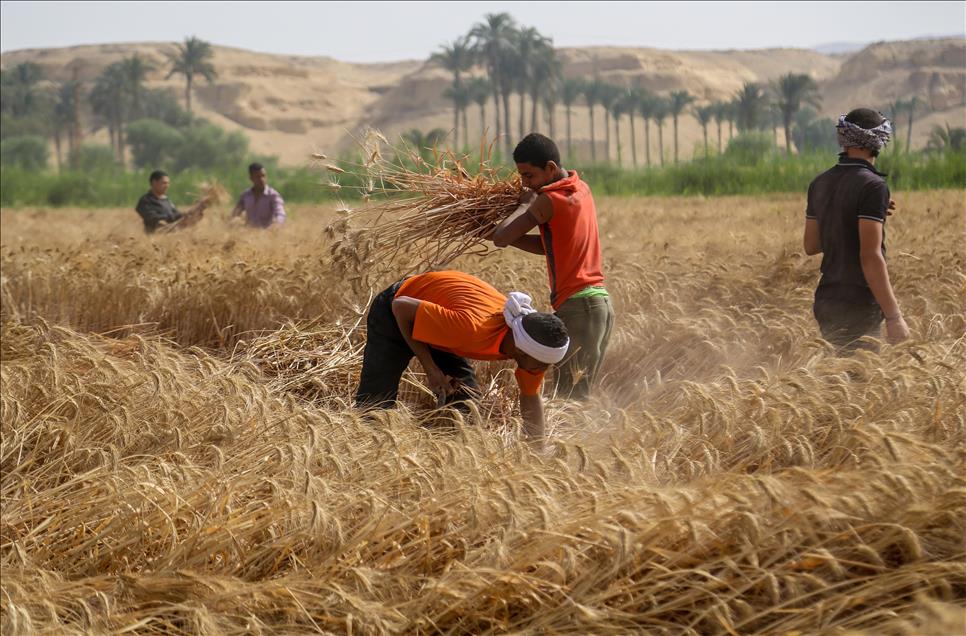
Wheat is one of the most important staple crops in Egypt and remains central to the nation’s food security strategy. As the world’s largest importer of wheat, Egypt has long prioritized boosting domestic production to reduce dependency on international markets. Increasing local yields not only supports food availability but also helps stabilize bread prices, which are vital for millions of Egyptian households.
The country’s climate offers favorable conditions for wheat cultivation. Mild winters and abundant sunshine create an ideal growing season, particularly in fertile regions such as the Nile Delta, Upper Egypt, and newly reclaimed desert lands. However, several challenges threaten production. Limited water resources, soil salinity, and fragmented small farm sizes require farmers to adopt modern and efficient farming techniques to achieve sustainable productivity.
Successful wheat farming in Egypt begins with proper land preparation, ensuring soils are well-leveled and managed to prevent waterlogging or salinity build-up. Seed selection is equally important, with improved, high-yielding, and disease-resistant varieties being promoted by the Ministry of Agriculture.
Irrigation remains a critical factor, as wheat is water-intensive, and many farmers are shifting toward modern systems like drip or sprinkler irrigation to save water. Fertilization is also necessary to improve soil fertility, while integrated pest management helps minimize losses from diseases and insects.
By combining traditional knowledge with modern agricultural practices, Egyptian farmers can increase wheat output and contribute significantly to the nation’s food security goals.
1. Land Preparation and Soil Management
Land preparation is fundamental to healthy wheat production. After summer crops are harvested, fields are cleared of weeds and residues to reduce pest and disease risks. Plowing the soil deeply improves aeration and loosens compacted layers, which is particularly important in the clay-rich soils of the Nile Delta.
For sandy desert soils, preparation focuses on enhancing water retention and fertility. The land is then leveled to ensure even irrigation and prevent waterlogging, which could damage seedlings. Soil testing helps determine if amendments such as gypsum or organic matter are needed to correct salinity or improve nutrient content.
Incorporating crop residues or green manures from legumes before planting enriches the soil naturally. In newly reclaimed areas, raised beds and precision leveling methods are becoming more popular to optimize water use and promote better root growth.
Read Also: Are Wheat Thins Good For Diabetes?
2. Seed Selection and Planting Techniques
Choosing the right wheat variety is crucial for achieving high yields in Egypt’s diverse environments. The Ministry of Agriculture recommends varieties such as Giza 171, Sakha 95, Misr 1, and Gemmeiza 11 due to their adaptability and resistance to common diseases like rust.
Using certified seeds from reliable sources ensures purity and healthy germination. The ideal planting period runs from mid-November to early December, as sowing outside this window can expose the crop to unfavorable temperatures during growth.
Farmers typically sow between 50 and 70 kilograms of seed per feddan, depending on the method used. While broadcasting seeds remains common among smallholders, using seed drills or planters improves spacing uniformity, promotes better weed control, and facilitates fertilizer application.
Seeds are planted about two to four centimeters deep in moist soil, sometimes after pre-soaking or treatment to enhance germination and disease resistance. Raised bed planting, with rows on elevated soil and irrigation furrows in between, helps conserve water and improve airflow around plants, reducing disease pressure.
3. Irrigation and Water Management
Water management is a critical component of wheat farming in Egypt, given the country’s limited water resources. Wheat’s water needs typically range between 1,800 and 2,200 cubic meters per feddan, influenced by soil conditions and climate.
Traditional flood irrigation remains widespread but often wastes water due to runoff and uneven distribution. To conserve water, farmers increasingly adopt raised bed irrigation, which channels water directly to the roots and reduces evaporation losses. Modern irrigation techniques such as drip and sprinkler systems, though more costly, are gaining traction especially in desert reclamation projects as they deliver water precisely and minimize disease risks.
The timing of irrigation is important; the crop benefits most when watered during tillering, booting, flowering, milk, and dough stages. Careful monitoring is necessary to avoid over-irrigation, which can cause root diseases and weaken plants. Employing soil moisture measurements or irrigation scheduling tools helps farmers apply the right amount of water at the right time, enhancing yield while preserving this precious resource.
4. Fertilization and Crop Nutrition
Balanced fertilization plays a vital role in wheat growth and productivity. Egyptian soils vary widely in fertility, so soil testing guides the appropriate application of nitrogen phosphorus and potassium.
Nitrogen is the most important nutrient for promoting vegetative growth and grain development and is usually applied in split doses during the growing season to maximize uptake and reduce losses. Phosphorus supports early root growth and is commonly applied before planting.
Potassium needs are generally met by Egyptian soils but may require supplementation in sandy areas. Organic fertilizers such as compost or farmyard manure are often added to improve soil structure and fertility in integrated farming systems.
Micronutrients like zinc manganese and iron might also be necessary in certain soils and can be supplied through foliar sprays during critical growth phases. Modern farms sometimes use fertigation techniques to deliver nutrients through irrigation water, increasing efficiency. Proper nutrition management results in healthier crops with higher yields and better grain quality.
5. Pest and Disease Control
Managing pests and diseases is essential to protect wheat crops and secure good harvests. Wheat diseases such as rust—especially stem rust leaf rust and yellow rust—are common threats under Egypt’s warm humid conditions. Planting resistant varieties combined with regular field monitoring allows early detection and control.
When necessary, fungicides are applied under expert guidance to contain outbreaks. Other fungal diseases like powdery mildew root rot and septoria leaf blotch are controlled through crop rotation proper spacing and avoiding excessive irrigation.
Insect pests including aphids’ armyworms and cutworms can damage wheat by feeding on plants or transmitting diseases. Biological controls such as beneficial insects and neem-based products are favored in environmentally friendly systems, with chemical insecticides used selectively when pest populations exceed safe thresholds.
Weed control is also critical since weeds compete for resources; manual weeding mechanical cultivation and herbicides are all used depending on farm size. Overall crop health is improved by following recommended sowing dates rotating crops and maintaining field hygiene.
Monitoring weather conditions can help anticipate disease outbreaks and enable timely intervention. Through integrated pest management farmers can minimize losses improve crop quality and contribute to sustainable wheat production in Egypt.
Frequently Asked Questions on Wheat Farming in Egypt
1. Why is wheat farming so important for Egypt?
Because Egypt consumes large quantities of wheat, local production reduces dependence on imports and ensures food security.2. When is the best time to plant wheat in Egypt?
Wheat is typically sown from November to December, allowing it to grow during the cool season.3. What wheat varieties are recommended for Egyptian farmers?
High-yield and disease-resistant varieties such as Misr 1, Misr 2, and Giza 171 are commonly promoted.4. How do farmers deal with water scarcity in wheat farming?
Many adopt modern irrigation systems and efficient water management practices.5. What support does the government provide to wheat farmers?
Farmers benefit from subsidized seeds, fertilizers, and guaranteed prices through government procurement programs.Read Also: Socio economic role of occupational hygiene
- AuthorPosts
- You must be logged in to reply to this topic.