



Public Group
Active 8 months, 1 week ago
Group Type By Country
Group Leadership
- Group Administrators
-

Egypt Farmers Community
Organic pesticide solutions in Egypt
- This topic is empty.
- AuthorPosts
- August 12, 2025 at 10:19 am #671744

 Agric4ProfitsModerator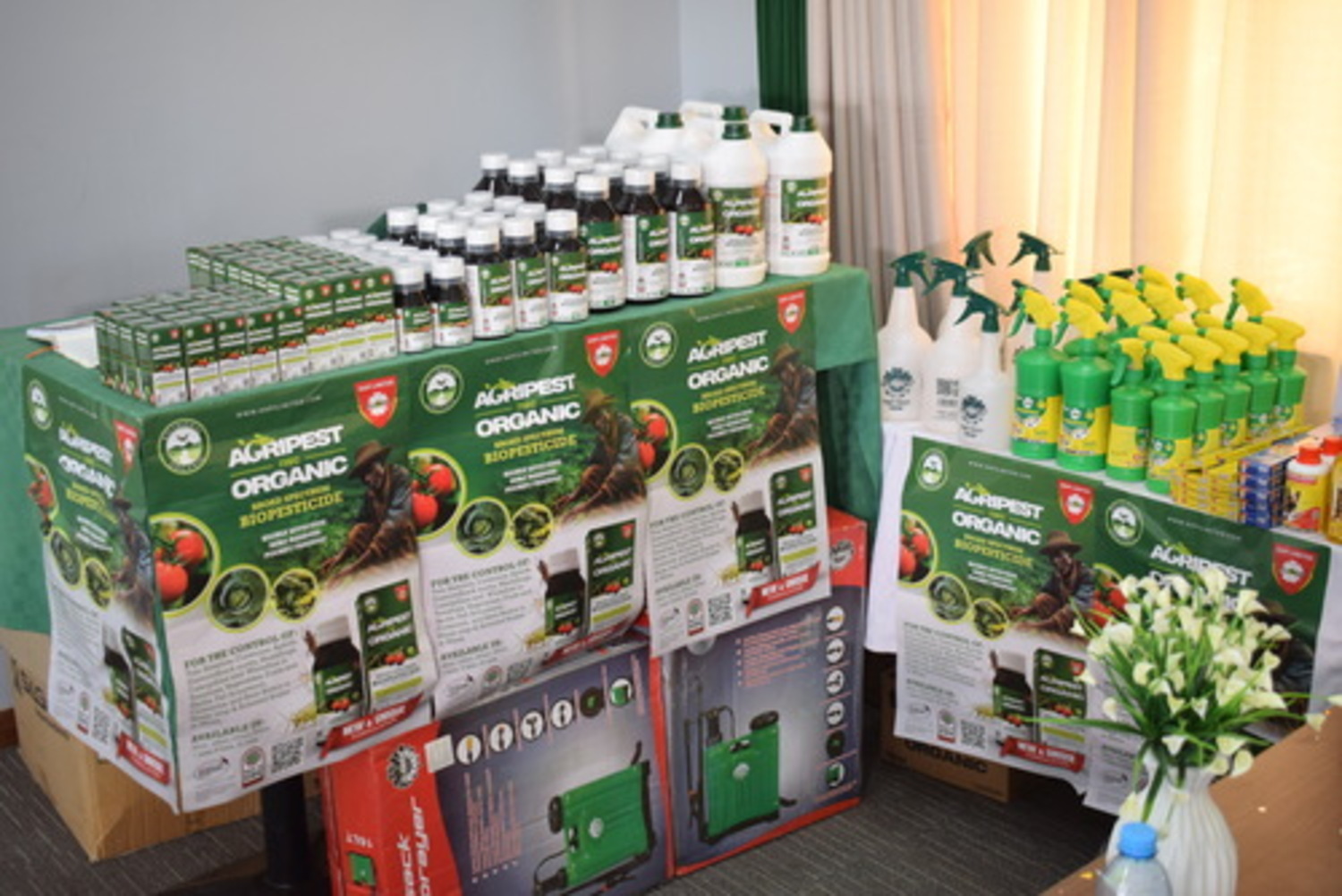
Organic pesticide solutions are gaining increasing attention in Egypt as sustainable and environmentally friendly alternatives to synthetic pesticides. In this article, you can expect a comprehensive overview of the current organic pesticide landscape in Egypt, including traditional botanical compounds and modern innovations in biological control.
We will begin with a clear outline of the primary drivers encouraging organic pesticide use, including environmental considerations and consumer demand for residue-free produce. Next, we will examine key organic pesticide types commonly used in Egyptian agriculture, including botanical extracts, microbial agents, and physical deterrents.
The third section will explore challenges and limitations farmers face when adopting organic solutions, such as cost, efficacy, and regulatory frameworks. Following that, we will spotlight several successful case studies of farms or cooperatives in Egypt that have effectively used organic pesticides and achieved positive outcomes in both yield and quality.
Finally, we will look ahead to future opportunities for expanding organic pesticide adoption across Egypt, including research directions, policy support, and capacity-building efforts.
By the end of the article, readers should have a well-rounded understanding of why organic pesticide solutions matter in the Egyptian context, the current status of adoption, the obstacles that must be addressed, and the practical steps needed to scale up use. Whether you are a farmer, a policymaker, a researcher, or simply interested in sustainable agriculture, this article aims to inform and inspire.
Look forward to digging into the details of botanical extracts, microbial biopesticides, carbon-based deterrents, real-world successes, and forward-looking opportunities.
1. Botanical Extracts as Organic Pesticides
Botanical extracts represent one of the oldest and most widely accessible forms of organic pesticides in Egypt. Farmers and researchers alike have turned to locally available plant materials such as neem leaves and seeds, clove, garlic, onion, chili pepper, and marigold to derive pest-controlling compounds.
Neem, in particular, has been studied extensively for its insecticidal, antifungal, and repellent properties. Extracts are commonly prepared using water or oil extraction methods and applied as foliar sprays or soil treatments. The prominence of botanical extracts stems from their natural availability, low cost, and multipurpose action against a range of pests and diseases. Furthermore, concerns about chemical residues in food are reduced when farmers use plant-based treatments.
Egyptian agricultural research institutions and extension services provide guidance on formulation concentrations and application timing. Still, challenges remain, such as variability in extract potency, stability under hot climate conditions, and the labor intensity of preparation at scale. Moreover, botanical extracts may offer only modest levels of control compared to synthetic pesticides, especially under severe pest pressure.
Nonetheless, when integrated into broader pest management strategies, botanical extracts can play an important role in reducing reliance on synthetic chemicals. Field trials conducted in various governorates show that combining neem-based sprays with mechanical controls and crop rotation enhances overall efficacy. This integrated approach supports a shift toward more sustainable farming systems that protect both human health and environmental quality.
Read Also: Botanical Characteristics of the Zingiberaceae Family in Agriculture
2. Microbial Biopesticides
Microbial biopesticides leverage living organisms such as bacteria, fungi, or viruses to target specific pests with minimal off-target impacts. In Egypt, formulations containing Bacillus thuringiensis are used to manage lepidopteran caterpillars on crops like cotton, maize, and vegetables. Trichoderma species-based products help control fungal pathogens in soil-borne diseases of tomatoes, cucurbits, and other high-value crops.
Commercial suppliers and research centers are collaborating to produce locally adapted strains suited to Egypt’s climate and agroecological zones. The specificity of microbial agents allows farmers to minimize collateral damage on beneficial insects like pollinators and natural predators. Moreover, microbial biopesticides break down naturally, reducing environmental persistence concerns.
However, some limitations include sensitivity to ultraviolet light, heat, and desiccation, which can reduce field efficacy. Regulatory barriers and the costs associated with product registration can also slow widespread adoption. Nonetheless, pilot programs show that integrating microbial biopesticides with organic amendments and cultural practices enhances disease and pest suppression.
Farmers participating in demonstration plots report lower input costs over time and improved soil health. Capacity building in formulation techniques and spray tank mixtures is key for successful uptake. Continued research into local microbial biodiversity and strain optimization promises to further strengthen this organic approach across Egypt’s diverse agricultural landscapes.
3. Physical and Ecological Deterrents (300 words)
Physical and ecological deterrents offer nonchemical means to reduce pest damage and are compatible with organic farming standards in Egypt. Simple approaches include use of row covers, nets, or fine mesh screens to physically exclude insect pests from vegetable crops such as cucumbers, peppers, and squash.
Trapping systems using pheromone lures, sticky traps, or light traps help monitor pest populations and reduce pest numbers while minimizing environmental impact. Ecological deterrents such as intercropping pest-resistant companion plants or planting trap crops draw pests away from main crops, enhancing natural pest suppression.
For example, planting marigold or aromatic herbs alongside tomatoes repels nematodes and certain insects, while flowering companions support predators like ladybirds and lacewings. These tactics reduce reliance on chemical treatments and enrich biodiversity in farming systems.
Challenges include costs of materials and the potential need for ongoing maintenance. Adopting these tactics also requires careful planning of spatial arrangements and crop timing. Nonetheless, farmers who integrate physical and ecological deterrents often observe longer-term benefits such as reduced pest resurgence and lower overall input needs.
These solutions align well with Egyptian small-scale and family farming contexts where labour availability and low-tech solutions are advantageous. Training programs and on-farm demonstrations encourage wider adoption. As these techniques are relatively low risk, they can be scaled gradually across farms of varied sizes and settings.
4. Case Studies of Organic Pesticide Adoption in Egypt
Case studies illustrate how organic pesticide solutions are already making practical differences for Egyptian farmers. In one region, small-scale organic growers in Fayoum Governorate implemented neem-based sprays combined with intercropping aromatic herbs to manage aphid colonization on vegetables. Results included reduced aphid damage and improved market prices for residue-free produce.
In another example in the Nile Delta, a certified organic citrus cooperative adopted Bacillus-based microbial applications to manage fruit fly larvae with good suppression levels and sustained yields. Growers reported consumer preference for organically produced citrus that translated into premium sales.
Similarly, a demonstration project in Upper Egypt integrated physical deterrents like insect netting with crop hygiene and botanical extracts to control whitefly in greenhouse tomato production. This holistic approach resulted in lower pesticide costs, improved worker safety, and enhanced ecosystem balance.
These real-world success stories highlight the feasibility of organic pesticide strategies across varied agroecosystems in Egypt. They also underscore the importance of farmer-to-farmer exchange, learning platforms, and targeted extension support.
Investment in local production of organic pesticide inputs further reduces dependency on imported chemical formulations. The documented economic and ecological benefits encourage scaling up such practices through cooperatives, government programs, and private sector partnerships.
5. Opportunities and Future Directions
Looking ahead, organic pesticide solutions in Egypt hold great potential with appropriate support and innovation. Continued research into locally adapted botanical and microbial agents tailored to diverse agroecological zones can improve efficacy and resilience.
Developing user-friendly formulations with longer shelf life and UV-protecting carriers supports broader adoption. Strengthening regulatory frameworks to streamline registration processes for organic inputs and offering subsidies or credit schemes can lower entry barriers for smallholder farmers.
Integrating organic pesticide training into agriculture curricula and extension services builds capacity at all levels. Public-private partnerships could foster local manufacturing of organic products, reducing import dependency and cost.
Market development for residue-free produce through certification, labelling, and consumer awareness campaigns can create economic incentives for farmers. Further, digital tools, including mobile apps to guide farmers in integrated pest management decision-making, can amplify impact.
Collaboration with international research networks and funding bodies can enable technology transfer and knowledge sharing. Ultimately, expanding organic pesticide use contributes not only to food safety but also to soil health, biodiversity, water quality, and climate resilience in Egypt.
By aligning policy, research, market, and community action, organic pesticide solutions can shift agricultural paradigms toward truly sustainable and profitable systems.
Read Also: Water quality monitoring and surveillance
- AuthorPosts
- You must be logged in to reply to this topic.