



Public Group
Active 8 months, 1 week ago
Group Type By Country
Group Leadership
- Group Administrators
-

Ghana Farmers Community
Best Cash Crops to Grow in Ghana
- This topic is empty.
- AuthorPosts
- August 19, 2025 at 9:35 am #673021

 Agric4ProfitsModerator
Ghana, known for its diverse agro-ecological zones and fertile lands, is a major player in Africa’s agricultural economy. For centuries, agriculture has served as the backbone of the Ghanaian economy, providing livelihoods for the majority of its population.
Today, with increasing attention on agribusiness and food security, more farmers and investors are seeking to grow profitable crops that offer both local and international market appeal. This article explores the best cash crops to grow in Ghana, considering factors such as climate adaptability, market demand, export potential, and profitability.
Whether you are a smallholder farmer looking to maximize yields or an agripreneur considering large-scale investment, understanding which crops are most lucrative is critical. This guide focuses on five of Ghana’s top-performing cash crops: cocoa, cashew, oil palm, maize, and pineapple. Each section will discuss the suitability of the crop for different regions in Ghana, agronomic practices needed for success, market dynamics, and income potential.
Additionally, readers can expect insights into value addition opportunities, government support policies, and challenges that may arise in cultivating each crop. The goal is to equip current and aspiring farmers with practical knowledge to make informed decisions about their agricultural ventures. With increasing demand for Ghanaian produce both regionally and globally, the timing has never been better to invest in cash crop farming.
Let’s dive into the top five cash crops that are transforming lives and reshaping the landscape of modern farming in Ghana.
1. Cocoa
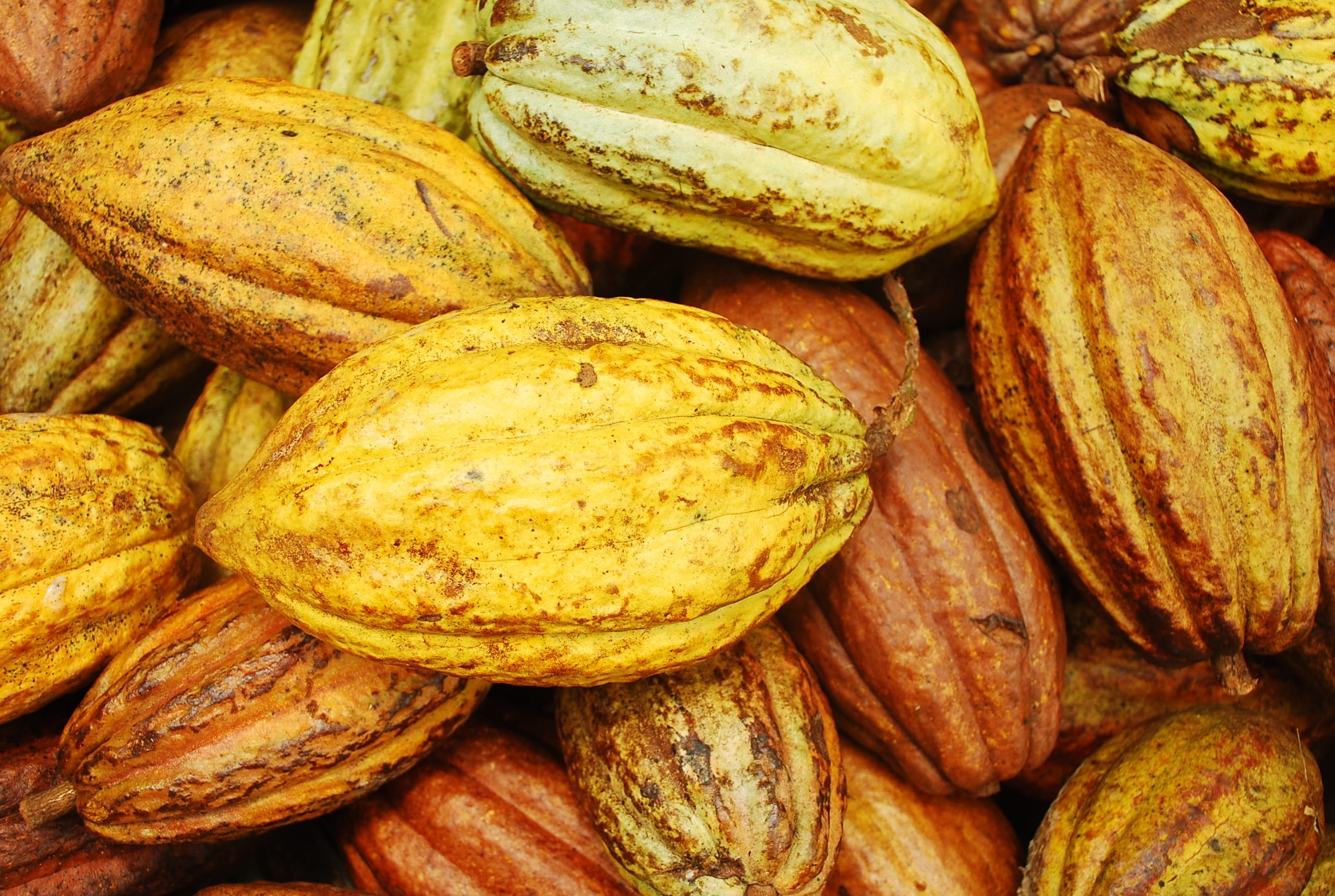

Cocoa remains Ghana’s flagship cash crop and one of the most important economic pillars of the country. As the second-largest producer of cocoa globally, Ghana has built a strong reputation for high-quality beans, particularly the Forastero variety. Cocoa farming is predominantly practiced in the forest zones of Ashanti, Brong-Ahafo, Western North, Eastern, and parts of the Volta Region, where rainfall and humidity levels are ideal for its cultivation.
The crop requires well-drained, fertile soils with ample organic matter and consistent rainfall. Cocoa trees are typically intercropped with plantains or other shade-providing crops during their early growth stages. Farmers need to pay close attention to pruning, pest control, and disease management, especially with threats like black pod disease and swollen shoot virus being common challenges.
Government interventions, such as the Cocoa Rehabilitation Programme and initiatives by COCOBOD, provide technical and financial support to farmers, further enhancing productivity. Moreover, the introduction of hand pollination techniques and improved seedlings has significantly boosted yields in recent years.
Cocoa offers strong export earnings, with prices determined on the international market. Ghanaian cocoa is particularly sought after by chocolate manufacturers worldwide due to its rich flavor and quality consistency. Farmers typically sell their beans to licensed buying companies (LBCs) who handle quality checks and export processes.
Despite price volatility on the global market, cocoa remains a stable source of income for many Ghanaian households. Opportunities also exist for value addition through local chocolate production, cocoa butter extraction, and cosmetic products. In essence, cocoa is not just a crop; it’s a cultural and economic legacy that continues to sustain millions of livelihoods across Ghana.
Read Also: Cocoa Farming Practices in Ghana
2. Cashew

Cashew cultivation has experienced rapid growth in Ghana over the past two decades, establishing itself as one of the most promising cash crops for smallholder farmers and commercial investors alike. Originally introduced in the northern regions, cashew is now widely grown in the Brong-Ahafo, Northern, Upper West, and Volta Regions due to the crop’s adaptability to semi-arid conditions and poor soils.
Cashew trees are drought-resistant and require minimal maintenance compared to other perennial crops. They typically begin producing nuts three years after planting and can remain productive for up to 30 years with proper care. Farmers benefit from both the nuts, which are processed and exported, and the apples, which can be used to produce juice, alcohol, and other products.
One of the key attractions of cashew farming is the growing global demand for cashew nuts. Ghana exports the majority of its raw cashew nuts to countries like India and Vietnam for processing, although there is a rising push toward local processing to increase value retention. The Ghana Export Promotion Authority (GEPA) and other stakeholders are working to enhance processing capacity within the country, offering added incentive to growers.
Cashew pricing is generally favorable, especially during peak harvest seasons between February and May. The crop also allows for intercropping with legumes or cereals in the early years, maximizing land use and income streams.
However, challenges include price fluctuations, middlemen influence, and lack of access to improved planting materials. Despite these, cashew remains a profitable venture with long-term income potential. With ongoing government and private sector interest, cashew farming in Ghana is poised to be a game-changer in rural agricultural development.
3. Oil Palm

Oil palm is another highly profitable cash crop in Ghana, with strong domestic and industrial demand. It thrives in the humid forest zones of the Western, Central, Eastern, and parts of the Ashanti and Brong-Ahafo regions. Ghana currently produces less than its consumption demand, creating a wide gap that investors and farmers can exploit for both local and export markets.
The crop grows well in deep, well-drained soils with high organic content and requires consistent rainfall throughout the year. Oil palm is a perennial crop, and once matured (usually after three to four years), it can produce fresh fruit bunches (FFBs) for up to 25 years. With proper agronomic practices, including the use of high-yielding varieties and timely harvesting, farmers can enjoy steady income over the long term.
Palm oil is a major component in Ghanaian cooking, soap making, cosmetics, and biofuel industries. In addition to red palm oil, the kernel oil and palm kernel cake also serve as valuable by-products for animal feed and industrial uses. The entire value chain offers vast opportunities for value addition and job creation.
Several government and private initiatives are aimed at revitalizing the palm oil sector in Ghana, including the Tree Crop Development Authority (TCDA), which regulates and supports oil palm cultivation and marketing. The availability of processing mills is also increasing, enabling farmers to process their fruit bunches locally for higher returns.
Challenges include land acquisition issues, aging plantations, and limited access to credit. However, the overall profitability and high demand for palm oil make oil palm a strategic crop for investment. It is particularly suitable for both smallholder and large-scale commercial farming in Ghana.
4. Maize

Maize is not only a staple food in Ghana but also a valuable cash crop due to its high demand across multiple sectors. It is grown in almost every region of the country, with the highest production coming from the middle belt, including the Brong-Ahafo, Eastern, Ashanti, and Northern Regions. Its adaptability to different ecological zones and relatively short maturity period make it an attractive option for both smallholder and commercial farmers.
Typically planted at the onset of the rainy season, maize grows best in loamy soils with good drainage and access to sunlight. Improved seed varieties, such as Obatanpa and Aburotia, have significantly increased yields in recent years. Farmers are also encouraged to adopt modern farming techniques, including proper spacing, fertilizer application, and pest control, to enhance productivity.
Beyond household consumption, maize is a critical input in the livestock and poultry industries, which rely heavily on maize-based feed. It is also used in brewing, flour production, and snack manufacturing, ensuring continuous market demand throughout the year. Price fluctuations can occur based on seasonality, but storage facilities and aggregation centers are helping to stabilize markets.
Government programs such as the Planting for Food and Jobs initiative have greatly supported maize farmers with subsidized inputs and technical assistance. With two growing seasons in many regions, maize allows for multiple harvests annually, improving cash flow and food security.
Though maize farming can be labor-intensive, especially during land preparation and harvesting, it remains one of the most accessible and rewarding cash crops in Ghana. Its role in both food supply and agribusiness makes it essential in any serious farming enterprise.
5. Pineapple

Pineapple is a tropical fruit crop that has brought international acclaim to Ghana due to its exceptional sweetness and shelf life. It is a highly profitable cash crop primarily grown in the Eastern, Central, Volta, and parts of the Greater Accra Regions. Ghanaian pineapples, especially the MD2 and Smooth Cayenne varieties, are in high demand in European and Middle Eastern markets.
Pineapple thrives in well-drained sandy loam soils with adequate sunshine and minimal waterlogging. While it is moderately drought-tolerant, supplemental irrigation during dry periods can significantly boost yields. The crop typically takes 12 to 18 months from planting to harvest, depending on the variety and management practices.
Farmers who adopt good agricultural practices, including weed control, fertilization, and pest management, can enjoy excellent returns on investment. The fruit is sold fresh locally or exported in fresh or processed form as juice, canned slices, or dried fruit. There is also growing interest in organic pineapple farming, which attracts premium prices on the export market.
Ghana’s proximity to European markets and strong trade agreements under the EU’s Economic Partnership Agreement (EPA) make pineapple an ideal export crop. Numerous support programs, such as those offered by the Ghana Export Promotion Authority and USAID’s Feed the Future initiative, help pineapple farmers access training, finance, and export logistics.
The main challenges facing pineapple cultivation include access to export-grade planting materials, high initial investment, and post-harvest losses due to inadequate storage. However, with proper planning and market access, pineapple offers impressive income potential.
Pineapple farming is a viable option for agripreneurs seeking entry into the horticulture export business. Its profitability, growing demand, and scalability make it one of Ghana’s top-performing cash crops today.
- AuthorPosts
- You must be logged in to reply to this topic.