



Public Group
Active 8 months, 1 week ago
Group Type By Country
Group Leadership
- Group Administrators
-

Ghana Farmers Community
Best Crops for Dry Season Farming in Ghana
- This topic is empty.
- AuthorPosts
- August 18, 2025 at 10:39 am #672819

 Agric4ProfitsModerator
Dry season farming in Ghana is becoming increasingly vital as climate change, erratic rainfall patterns, and growing population demands put more pressure on food production. Traditionally, farming in Ghana has relied heavily on the rainy seasons, but with advances in irrigation, access to boreholes, and small-scale technologies, more farmers are now cultivating during the dry months of November to March. This transition opens up a wide range of opportunities to increase income, ensure food security, and maintain year-round productivity.
In this article, we explore the best crops suited for dry season cultivation in Ghana. These crops are chosen based on their ability to thrive with limited rainfall, their economic value, resistance to drought or heat stress, and their market demand. We will also look at the benefits of dry season farming and the role that good agricultural practices, such as irrigation and mulching, play in ensuring success.
The article will cover five key crops: tomatoes, onions, okra, pepper, and watermelon. Each section will explore the unique benefits of growing these crops in the dry season, their ideal growing conditions, irrigation needs, pest management strategies, and market potential.
Whether you are a smallholder farmer, an agribusiness investor, or an agricultural extension worker, you will gain practical insights into how to maximize profits through smart crop selection during Ghana’s dry months.
By the end of this article, you will be equipped with the knowledge to make informed decisions about dry season farming, leading to better yields, consistent harvests, and improved livelihoods. Let’s dive into the top-performing crops that are changing the game for farmers in Ghana’s dry season.
1. Tomatoes


Tomatoes are one of the most lucrative and widely cultivated crops in Ghana during the dry season. Their high market demand, both for fresh consumption and processing, makes them an ideal choice for farmers looking to maximize profits when water is scarce but sunlight is abundant.
Tomatoes thrive in warm conditions and require consistent watering, making drip or furrow irrigation an essential part of dry season cultivation. With daily sunlight and properly managed water supply, tomato plants grow rapidly and can produce high yields in as little as 8 to 12 weeks. The most popular tomato varieties in Ghana for dry season farming include Roma VF, Wosowoso, and Petomech, all of which have strong resistance to common diseases and good shelf life.
Dry season tomatoes are particularly valued in the Ghanaian market due to reduced competition and higher prices compared to the rainy season. However, pest and disease control is critical. Whiteflies, aphids, and blight are common challenges, but these can be managed with regular monitoring and integrated pest management (IPM) practices.
One major advantage of growing tomatoes in the dry season is the reduced risk of fungal infections, which are more common during humid, wet months. Dry season conditions help maintain healthy foliage and improve fruit quality. Farmers should pay attention to soil fertility by applying compost and balanced fertilizers before and during cultivation.
Access to nearby markets and transport logistics is key to getting the best value from your harvest. Tomatoes are highly perishable, so timing and post-harvest handling play a critical role in profitability. With proper planning, a farmer can harvest multiple times within the dry season and enjoy consistent income from this vibrant red crop.
Read Also: The 4 Constraints to Crop Production in Africa
2. Onions

Onions are another top performer in Ghana’s dry season farming calendar. Their ability to tolerate dry conditions, coupled with their long shelf life and market demand, makes them a reliable cash crop for both small-scale and commercial farmers.
The ideal climate for onion cultivation is a dry, sunny environment with low humidity, which reduces the risk of fungal infections. These conditions align perfectly with the dry season in Ghana. Onions require well-drained loamy or sandy soils rich in organic matter, and the soil should be kept moist during the early growth stages to encourage bulb formation. Drip irrigation is often preferred, as it delivers water directly to the roots and conserves moisture.
Popular varieties of onions grown in Ghana include Bawku Red, Bombay Red, and Texas Grano. These varieties are chosen for their adaptability to local conditions, as well as their strong pungency and storage capabilities. Onions take between 90 to 120 days to mature, making them a suitable crop for dry season planning.
Weed control, proper spacing, and timely irrigation are key factors in successful onion farming. It’s important to avoid overwatering during the final stage of bulb development, as excess moisture can lead to rot and poor storage quality. Post-harvest handling is also critical. After harvesting, onions must be cured properly in the sun to reduce moisture content and prolong shelf life.
Market prices for onions tend to rise during the dry season due to lower national supply. Farmers who time their harvest well can benefit from high profits and bulk sales to traders, retailers, and food processors. By investing in quality seeds, efficient irrigation, and good farm practices, onion farming can become a steady source of income throughout the dry season.
3. Okra
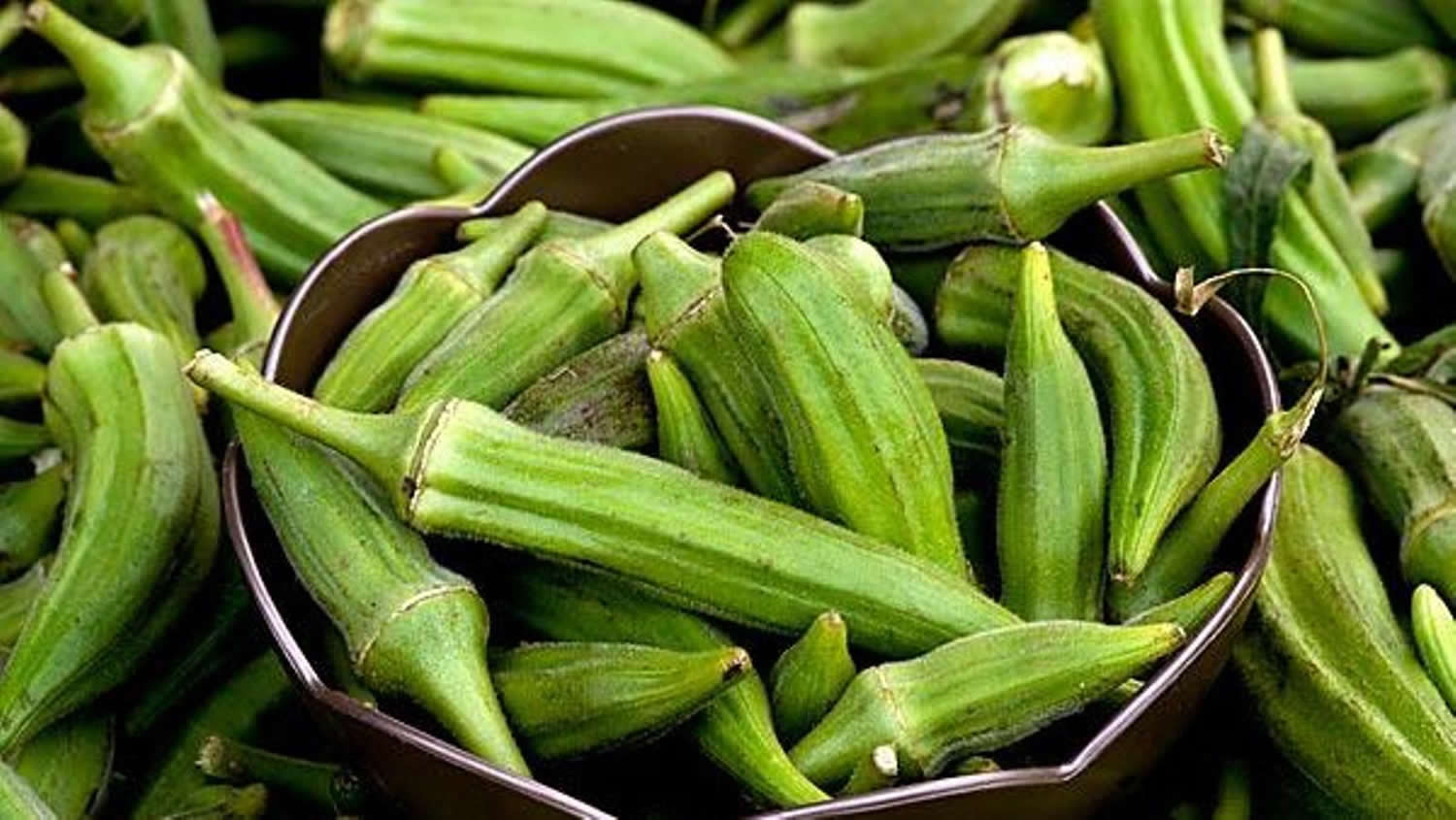

Okra, locally known as “Nkruma” in Ghana, is a versatile and fast-growing crop that adapts well to dry season conditions. Its short maturity period, heat tolerance, and consistent market demand make it a great option for dry season farmers seeking quick returns.
Okra is a warm season crop that performs best in full sunlight with temperatures ranging from 25 to 35°C. It grows well in light, well-drained soils and requires regular watering, especially during flowering and pod development stages. Although okra needs adequate moisture, it is less water-intensive compared to other crops like tomatoes or onions, making it ideal for areas with limited irrigation.
Varieties such as Clemson Spineless and Asontem are commonly used in Ghana due to their high yield potential and disease resistance. Okra matures quickly, typically within 45 to 60 days, allowing for multiple harvests during the dry season. Frequent harvesting also promotes new pod development, ensuring a steady supply.
Dry season okra tends to have better quality pods due to reduced pest and disease pressure. However, farmers should still watch for pests like aphids, flea beetles, and fruit borers. Applying neem-based organic pesticides and practicing crop rotation can help manage these issues effectively.
Market demand for fresh okra is strong across Ghana, especially in urban centers and regional markets. Okra is a daily staple in many Ghanaian dishes, and dry season supplies often fetch premium prices. Selling to local markets, restaurants, and bulk buyers can increase profitability.
With low input requirements and fast growth, okra is one of the most rewarding crops for dry season farming. Proper land preparation, consistent irrigation, and timely harvesting are key to getting the best yields and profits from this green pod crop.
4. Pepper

Pepper, particularly hot pepper or “shito,” is a high-value crop that performs exceptionally well in Ghana’s dry season. The crop is favored by farmers for its economic returns, especially because of its strong demand in local cuisines, food processing industries, and export markets.
Pepper plants thrive in hot, sunny environments, making them naturally suited for the dry season. While they are sensitive to drought during flowering and fruiting, consistent watering through drip or sprinkler irrigation ensures healthy plant growth. Well-drained sandy loam soils enriched with compost or poultry manure create ideal growing conditions.
Popular pepper varieties grown in Ghana include Legon 18, Micky, and Scotch Bonnet. These varieties are known for their pungency, yield potential, and tolerance to heat. Peppers require between 80 to 100 days to mature, and with good care, harvesting can continue for several weeks.
Pest and disease management is crucial for successful pepper production. Common challenges include thrips, aphids, and anthracnose. Regular monitoring, pruning of infected parts, and use of biopesticides can help manage these problems without affecting fruit quality. Mulching also helps retain soil moisture and suppress weeds.
Dry season pepper often has higher quality fruits due to better color development, size, and reduced fungal infections. This translates to higher market value. Peppers can be sold fresh or dried, allowing for multiple revenue streams. Farmers can also tap into agro-processing industries that use peppers for sauces and spice blends.
5. Watermelon
:max_bytes(150000):strip_icc()/how-to-grow-watermelons-1403491-05-fccc4e544a5c48d2a1e90686bfc64a20.jpg)

Watermelon is a profitable fruit crop that thrives in Ghana’s dry season, especially in the Northern, Upper East, and Volta Regions. Its high-water content, refreshing taste, and growing popularity make it a favorite among consumers and a lucrative option for farmers.
The warm, dry climate of the dry season is ideal for watermelon cultivation. The fruit requires plenty of sunshine and moderate irrigation to grow large, sweet melons. Watermelons do best in sandy or loamy soils that are well-drained and rich in organic matter. Regular irrigation, especially during fruit enlargement, is essential for optimal yield and sweetness.
Popular watermelon varieties in Ghana include Crimson Sweet, Sugar Baby, and Charleston Gray. These varieties mature in about 70 to 90 days and produce fruits that weigh between 4 to 10 kg, depending on the type and growing conditions.
Weed control, pest management, and disease prevention are essential. Melon flies, leaf miners, and powdery mildew are common threats, but these can be managed with timely application of safe pesticides and good field hygiene. Using plastic mulch or straw can help suppress weeds and conserve soil moisture.
Watermelon has a strong market presence during the dry season, with high demand in both urban and rural areas. The fruits can be sold at roadside stands, in open markets, and even in bulk to juice vendors and hotels. Prices tend to be higher during the dry season due to lower overall supply.
For farmers with access to irrigation and good land preparation, watermelon offers one of the highest returns per acre. The crop’s relatively short growth cycle and strong market demand make it a wise investment for dry season farming in Ghana.
- AuthorPosts
- You must be logged in to reply to this topic.