



Public Group
Active 8 months, 1 week ago
Group Type By Country
Group Leadership
- Group Administrators
-

Ghana Farmers Community
Best Irrigation Methods in Ghana
- This topic is empty.
- AuthorPosts
- August 19, 2025 at 12:55 pm #673074

 Agric4ProfitsModerator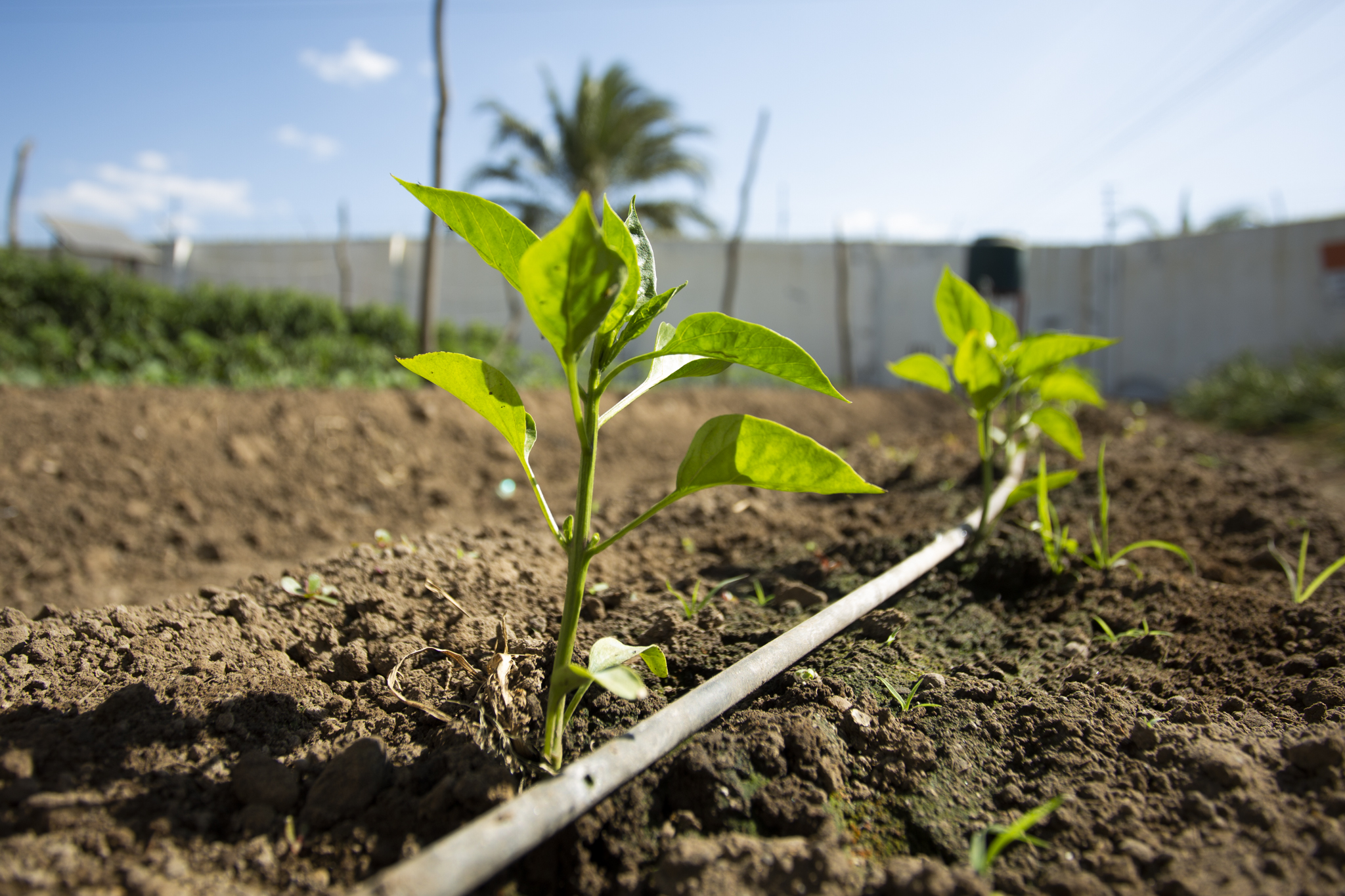
Irrigation is one of the most powerful tools shaping the future of agriculture in Ghana. For centuries, farming in the country has relied heavily on rainfall, which has generally supported crop cultivation across different regions. However, changing weather patterns, prolonged droughts, and irregular rainfall cycles are now threatening food production and the livelihoods of farmers.
Agriculture continues to be a major pillar of Ghana’s economy, employing millions of people and contributing significantly to GDP, but its growth is increasingly tied to how effectively water resources are managed. This is where irrigation becomes essential.
By providing a controlled and reliable supply of water to crops, irrigation ensures that farming is no longer left at the mercy of unpredictable weather. For smallholder farmers, who make up the majority of Ghana’s agricultural workforce, irrigation can mean the difference between a failed harvest and a successful season. It allows them to cultivate crops during the dry season, diversify what they grow, and increase yields consistently.
For commercial farmers, efficient irrigation systems not only boost productivity but also improve the quality of produce, making it easier to meet the demands of both local and international markets.
Ghana’s diverse agro-ecological zones, from the coastal savannas to the forest regions, require different irrigation approaches tailored to local conditions. Drip irrigation, sprinkler systems, surface methods, and more traditional water-lifting techniques each have their place, depending on the availability of resources, farm size, and crop type. Beyond the technical aspects, irrigation also supports food security, reduces rural poverty, and helps communities adapt to the challenges posed by climate change.
This article explores the most suitable irrigation methods for Ghana, highlights the benefits and challenges of each, and provides insights into innovations and strategies that can help farmers and policymakers strengthen agricultural sustainability across the country.
1. Surface Irrigation Techniques
Surface irrigation is among the most traditional and widely practiced irrigation methods in Ghana, especially in rural and smallholder farming communities. This method involves distributing water over the soil surface by gravity flow.
Common types include furrow, basin, and border irrigation. Surface irrigation is favored due to its simplicity, low initial investment, and minimal technical requirements. It is suitable for crops like rice, maize, and vegetables grown on flat or gently sloping land.
However, surface irrigation can be inefficient in terms of water use, leading to losses through evaporation, runoff, and deep percolation if not properly managed. Soil type and land leveling are important factors influencing the success of surface irrigation. Despite its drawbacks, this method remains popular because it requires little energy input and is easy for farmers to implement using locally available materials.
Read Also: Types / Methods and Challenges of Irrigation Farming
2. Drip Irrigation Systems
Drip irrigation is a modern and highly efficient method that delivers water directly to the plant root zone through a network of tubes and emitters. This technique is gaining popularity in Ghana due to its ability to conserve water and enhance crop yields.
Drip irrigation minimizes water loss from evaporation and runoff, making it ideal for regions with water scarcity or irregular rainfall. It is particularly suited for high-value crops such as vegetables, fruits, and flowers.
Although the initial cost and technical knowledge required to install and maintain drip systems are relatively high, the long-term benefits in water savings and productivity make it attractive for commercial farmers and urban/peri-urban agriculture. Training and access to affordable equipment remain key factors for wider adoption among smallholder farmers in Ghana.
3. Sprinkler Irrigation Methods
Sprinkler irrigation simulates natural rainfall by spraying water over crops using pumps and sprinklers. This method is versatile and can be used on uneven terrain and for a variety of crops including cereals, vegetables, and legumes.
In Ghana, sprinkler irrigation is used on farms where water availability is moderate, and infrastructure permits mechanized irrigation. It offers better water distribution and uniformity compared to surface irrigation and reduces soil erosion.
Sprinklers are adaptable to different farm sizes but require energy sources such as electricity or fuel to operate pumps, which can be a limiting factor for some farmers. Maintenance of the system and costs of equipment also influence adoption rates. Sprinkler irrigation contributes to improving crop yields and can be integrated with fertigation (applying fertilizers via irrigation water) for enhanced efficiency.
4. Subsurface Irrigation
Subsurface irrigation involves delivering water below the soil surface, directly to plant roots through buried tubes or pipes. This method reduces evaporation losses significantly and promotes efficient water use. Though still uncommon in Ghana, subsurface irrigation offers promise in areas with water scarcity and high evaporation rates.
It helps maintain soil moisture at optimal levels and reduces weed growth. Implementing subsurface irrigation requires technical expertise and investment, making it more suitable for commercial or experimental farms.
Research and pilot projects could encourage wider use of this method, especially in dry zones and peri-urban areas with limited water resources. The long-term sustainability benefits of subsurface irrigation align well with climate-smart agriculture goals in Ghana.
5. Factors Influencing Choice of Irrigation Method
Choosing the best irrigation method in Ghana depends on multiple factors including water availability, crop type, farm size, soil characteristics, topography, and financial resources. Smallholder farmers often rely on low-cost, easy-to-manage methods such as surface irrigation due to limited capital and technical skills.
Commercial farmers or those with access to credit may invest in efficient systems like drip or sprinkler irrigation to maximize productivity. Government policies and extension services also play a role by providing training and subsidies.
Environmental concerns such as water conservation and climate resilience are increasingly influencing irrigation choices. Farmers must weigh upfront costs against long-term benefits, considering maintenance and energy requirements. Tailoring irrigation methods to local conditions and farmer capacities is essential for enhancing agricultural sustainability and ensuring Ghana’s food security in the face of climate variability.
Frequently Asked Questions
Q1: Why is irrigation important in Ghana?
It reduces dependence on rainfall, improves crop yields, and helps farmers adapt to climate change.Q2: Which irrigation methods are commonly used in Ghana?
Drip, sprinkler, surface irrigation, and traditional water-lifting techniques are among the most common.Q3: Can smallholder farmers afford modern irrigation systems?
Yes, but affordability depends on the type of system. Low-cost drip kits and community-based schemes are accessible options.Q4: How does irrigation improve food security?
It ensures year-round production, reduces the risk of crop failure, and increases the supply of fresh food in local markets.Q5: What challenges limit irrigation expansion in Ghana?
High installation costs, limited access to finance, poor maintenance, and inadequate water infrastructure remain key obstacles.
- AuthorPosts
- You must be logged in to reply to this topic.