



Public Group
Active 8 months, 1 week ago
Group Type By Country
Group Leadership
- Group Administrators
-

Ghana Farmers Community
Cocoa Farming Practices in Ghana
- This topic is empty.
- AuthorPosts
- August 14, 2025 at 12:23 pm #672043

 Agric4ProfitsModerator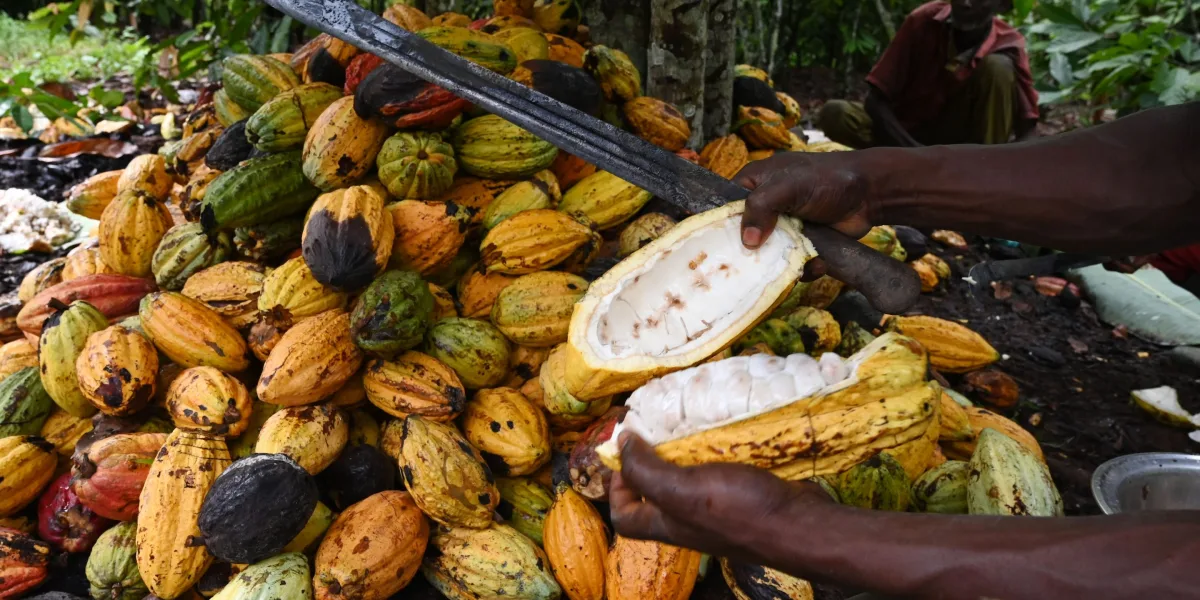
Cocoa remains one of Ghana’s most vital agricultural commodities, central to its export earnings, rural livelihoods, and cultural fabric. As the second largest global cocoa producer, Ghana relies heavily on smallholder farmers across several regions. Yet the sector faces challenges such as aging cocoa trees, pest and disease pressure, climate variability, poor soil health, deforestation, and illegal mining.
To address these challenges, cocoa farming in Ghana is evolving through improved practices. These include integrating agroforestry systems that combine cocoa with shade and multipurpose trees to enhance biodiversity, regulate microclimates, reduce erosion, and diversify income.
Soil fertility and nutrient management are shifting towards integrated approaches leveraging both organic compost and chemical fertilizers based on soil tests to restore productivity sustainably. Pruning, planting hybrid and disease resistant seedlings, and applying Integrated Pest and Disease Management also form pillars of modern farm stewardship.
Moreover, climate smart practices such as mulching, watershed friendly irrigation, zero burning organic reuse, and shade planting are increasingly adopted to counter climate shocks and resource constraints. Training and support from COCOBOD, UNDP, NGOs, and private sector programs encourage farmer adoption of these sustainable methods.
This article explores the key practices shaping cocoa farming in Ghana from site selection and planting to soil management, pest control, agroforestry, and post harvest handling offering a comprehensive overview for farmers, extension agents, or agribusiness stakeholders looking to improve productivity and sustainability.
1. Site Selection and Planting Practices
Selecting an appropriate site begins with understanding Ghana’s cocoa growing zones typically areas with rainfall between 1,000 and 1,500 millimeters annually and suitable soil conditions. Ideal soils are loamy to clay loam, deep at least 1.5 meters, well drained, rich in organic matter, and with neutral pH.
Proper nursery establishment using seedbeds or polybag methods starting November to December is critical; seedlings mature in about six months before transplanting. Hybrid seedlings distributed by COCOBOD are preferred for their disease resistance and faster yield turnaround, often fruiting within three years and boosting productivity by up to 30 percent compared to traditional types. Temporary shade using palm fronds, plantain, or cassava is applied for seedlings, while mature farms maintain 40 to 60 percent permanent shade to regulate temperature and moisture.
Intercropping with food crops like plantain and yams remains common, offering food security but requiring careful management to avoid nutrient competition. Contour planting and terracing are recommended for hilly terrain to mitigate erosion and protect soil structure.
Read Also: Best Ways to Prevent and Control Coccidiosis Among Poultry Birds
2. Soil Fertility, Nutrient Management, and Erosion Control
Maintaining soil fertility is essential due to nutrient depletion from continuous cocoa cultivation. Integrated Nutrient Management blending organic amendments like compost, biochar, and cover crops with inorganic fertilizers supports long term soil health while providing immediate nutrients. COCOBOD facilitates fertilizer access and local supply supporting nutrient replenishment.
Erosion control is crucial especially for young or sloped farms. Mulching, shade trees, and cover crops such as legumes and plantain stabilize soil and retain moisture. Contour farming, terracing, and vegetative hedgerows reduce runoff and enhance infiltration.
Community programs supported by international development organizations have rehabilitated degraded landscapes with community tree planting improving soil moisture retention, yielding environmental benefits, and supporting farmer productivity.
3. Pest, Disease Management, and Pruning
Cocoa farms in Ghana face threats from diseases like black pod and Cocoa Swollen Shoot Virus Disease, and pests including capsid bugs and stem borers. Integrated Pest and Disease Management offers a holistic approach combining biological control, sanitation, minimal strategic pesticide use, and cultural practices like pruning to eliminate diseased wood and improve airflow.
COCOBOD and extension services train farmers in disease recognition and management. Regular pruning formation, sanitary, and structural ensures optimal tree structure, sunlight penetration, and disease prevention.
Emerging climate smart tools including satellite monitoring and mobile advisories provide early warning systems and enable rapid intervention especially for virus and pest outbreaks.
4. Agroforestry, Shade Systems, and Climate Resilience
Agroforestry is at the center of sustainable cocoa in Ghana. Approximately 40 percent of cocoa farmers now integrate shade and multipurpose trees within farms yielding 15 to 30 percent production increases, better soil conditions, biodiversity gains, carbon sequestration, and income diversification. These systems retain 10 to 20 percent more soil moisture and support 30 to 50 percent more biodiversity than monocultures.
Shade grown systems also buffer against climate extremes and reduce deforestation related degradation. Programs promote adoption of climate smart techniques such as mulching, zero burning, reclaimed organic use, and water conservation fostering resilience in areas hit hardest by climate shifts and illegal activities.
5. Harvesting, Post Harvest Handling, and Quality Control
Proper harvesting and post harvest treatment are critical to quality and market value. Ghana’s main cocoa crop is harvested from October to March with a mid crop in July and August. Farmers are trained to pick ripe pods carefully, avoid damaging cushions, and separate diseased pods.
Pods are broken two to three days post harvest, with fermentation lasting about six days to develop flavor precursors. Beans are dried to approximately 7.5 percent moisture using sun drying on raised beds ensuring longevity and quality. Skilled fermentation and drying maintain Ghana’s global reputation for bean excellence.
Certifications like Fairtrade and Rainforest Alliance often tied to agroforestry enable farmers to access price premiums and stable markets. Farmer cooperatives support fair premiums and social development initiatives.
- AuthorPosts
- You must be logged in to reply to this topic.