



Public Group
Active 8 months, 1 week ago
Group Type By Country
Group Leadership
- Group Administrators
-

Ghana Farmers Community
How to Start Rabbit Farming in Ghana
- This topic is empty.
- AuthorPosts
- August 14, 2025 at 1:22 pm #672055

 Agric4ProfitsModerator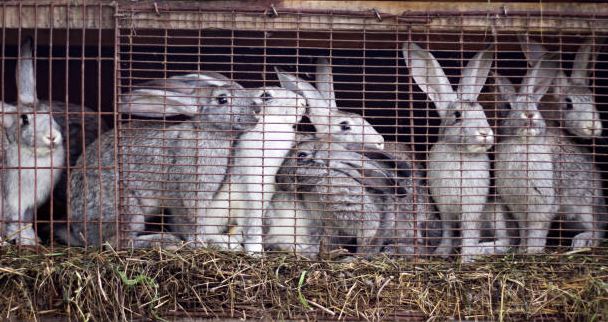
Rabbit farming is an increasingly attractive agribusiness venture in Ghana due to its low startup cost, quick returns, and growing market for rabbit meat and breeding stock. Rabbits are easy to manage, reproduce rapidly, and require less space and feed compared to other livestock.
With rising interest in alternative sources of lean protein and the increasing awareness of rabbit meat’s health benefits, rabbit farming presents a profitable opportunity for smallholder farmers, youth entrepreneurs, and agribusiness investors across the country.
Beyond meat production, rabbits also offer income through manure sales, fur, and live animal trade for breeding. The sector remains underdeveloped compared to poultry and goat farming, creating room for growth and innovation. Starting a rabbit farm in Ghana, however, requires basic knowledge of rabbit behavior, housing, feeding, breeding, and marketing.
This article provides a step-by-step guide to starting rabbit farming in Ghana. It covers breed selection, housing setup, feeding practices, breeding management, and marketing strategies to help you launch a successful rabbit farming venture.
1. Choosing the Right Rabbit Breed
The first step in rabbit farming is selecting the right breed for your farming goals. In Ghana, farmers typically rear rabbits for meat, breeding, or both. Common breeds include the New Zealand White, California White, Chinchilla, Dutch, and Flemish Giant. These breeds are favored for their fast growth rate, good feed conversion, and high meat yield.
New Zealand White is one of the most popular meat breeds in Ghana. It is fast growing, adaptable to the local climate, and can reach market weight in 10 to 12 weeks. California White is another meat-focused breed with good mothering ability and efficient feed utilization.
If you are breeding for commercial purposes, select healthy, disease-free rabbits from reputable farms. Each buck (male) can mate with 5 to 10 does (females), making it cost-effective to start with a small breeding stock. It’s also essential to avoid inbreeding by maintaining proper breeding records and occasionally introducing new bloodlines.
Read Also: All You Need to Know About Small Dog Breeds
2. Housing and Equipment Setup
Proper housing is essential to protect rabbits from weather extremes, predators, and disease. Rabbits are sensitive to heat and require well-ventilated, dry, and shaded enclosures. Housing can be either hutch-based or cage-based, and should allow easy cleaning, feeding, and waste removal.
In Ghana, many farmers use raised wooden or metal cages with wire mesh flooring to allow droppings to fall through. Each adult rabbit should be housed individually to prevent fighting and uncontrolled mating. Cages or hutches should measure at least 2.5 feet long, 2 feet wide, and 2 feet high for each rabbit.
Locate your rabbitry in a quiet, shaded area with good drainage. Equip it with feeding troughs, water containers, and nest boxes for does during kindling (giving birth). Provide enough lighting and airflow while avoiding direct sunlight or heavy winds.
Sanitation is key. Clean the cages regularly, dispose of waste properly, and disinfect the hutch area weekly to reduce the risk of disease outbreaks. Rabbit urine and droppings are excellent organic fertilizer, which you can sell or use on your farm.
3. Feeding and Nutrition
Rabbit feed consists of a combination of forages, vegetables, and formulated pellets. In Ghana, farmers often rely on a mix of grasses such as elephant grass, sweet potato vines, pawpaw leaves, and kitchen waste. These should be fresh, non-toxic, and free of pesticides.
While forages are cheap and readily available, they may not provide all the nutrients rabbits need for fast growth and reproduction. Commercial rabbit pellets can be used to supplement local feeds, especially for pregnant and nursing does, as well as growing kits. Pellets typically contain balanced levels of protein, fiber, vitamins, and minerals.
Fresh, clean water must be available at all times. Rabbits consume more water than many realize, especially during hot weather or lactation.
Avoid feeding wet or moldy materials, as this can cause digestive problems. Introduce any new feed gradually to prevent diarrhea. Providing salt licks and mineral blocks helps meet trace mineral requirements and improves overall health.
Proper feeding leads to better growth rates, earlier maturity, and higher reproductive performance, making feeding management a central part of profitable rabbit farming.
4. Breeding and Health Management
Rabbits reach sexual maturity between four and six months depending on the breed. A healthy doe can produce up to eight litters per year, with each litter averaging 6 to 10 kits. This rapid reproduction makes rabbits ideal for scaling a livestock enterprise quickly.
Controlled mating is recommended. Place the doe in the buck’s cage for mating, not the other way around, to reduce aggression. After mating, remove the doe and monitor her behavior. Kindling occurs about 28 to 31 days later.
Does need a clean nest box filled with soft bedding a few days before kindling. Ensure she has access to plenty of water and quality feed during this period. Kits are weaned after four to six weeks and can be separated to avoid overcrowding.
Vaccination and parasite control are minimal for rabbits in Ghana, but good hygiene, proper ventilation, and biosecurity practices are critical. Watch out for common issues like sore hocks, ear mites, and digestive disturbances. Isolate any sick rabbits and seek veterinary support promptly.
Maintaining accurate records of breeding, weaning, mortality, and feed use helps track progress and spot issues early.
5. Marketing and Business Planning
Once your rabbits reach market weight—typically 2 to 3 kg in 10 to 12 weeks—you can sell them as live animals, meat, or breeding stock. In Ghana, there is growing demand for rabbit meat in restaurants, hotels, households, and health-conscious consumers due to its low fat and high protein content.
You can market directly to consumers, supply meat processors, or connect with agro-based cooperatives. Breeding stock can be sold to new farmers, schools, or NGOs involved in agriculture and youth empowerment programs.
Value addition, such as smoked rabbit meat or packaged cuts, can increase your profit margin. Rabbit manure can also be sold to vegetable farmers or converted into organic compost.
Before starting, draft a simple business plan outlining your startup costs, target market, revenue streams, and growth plan. Common startup costs include cages, breeding stock, feed, tools, and veterinary supplies. Begin small and expand gradually as you gain experience and build market connections.
Rabbit farming in Ghana, when approached with proper planning, hygiene, and good management, offers a low-risk, high-reward agribusiness opportunity for aspiring farmers.
Read Also: International conventions and treaties
- AuthorPosts
- You must be logged in to reply to this topic.