



Public Group
Active 8 months, 1 week ago
Group Type By Country
Group Leadership
- Group Administrators
-

Ghana Farmers Community
Plantain Farming Techniques in Ghana
- This topic is empty.
- AuthorPosts
- August 18, 2025 at 12:02 pm #672876

 Agric4ProfitsModerator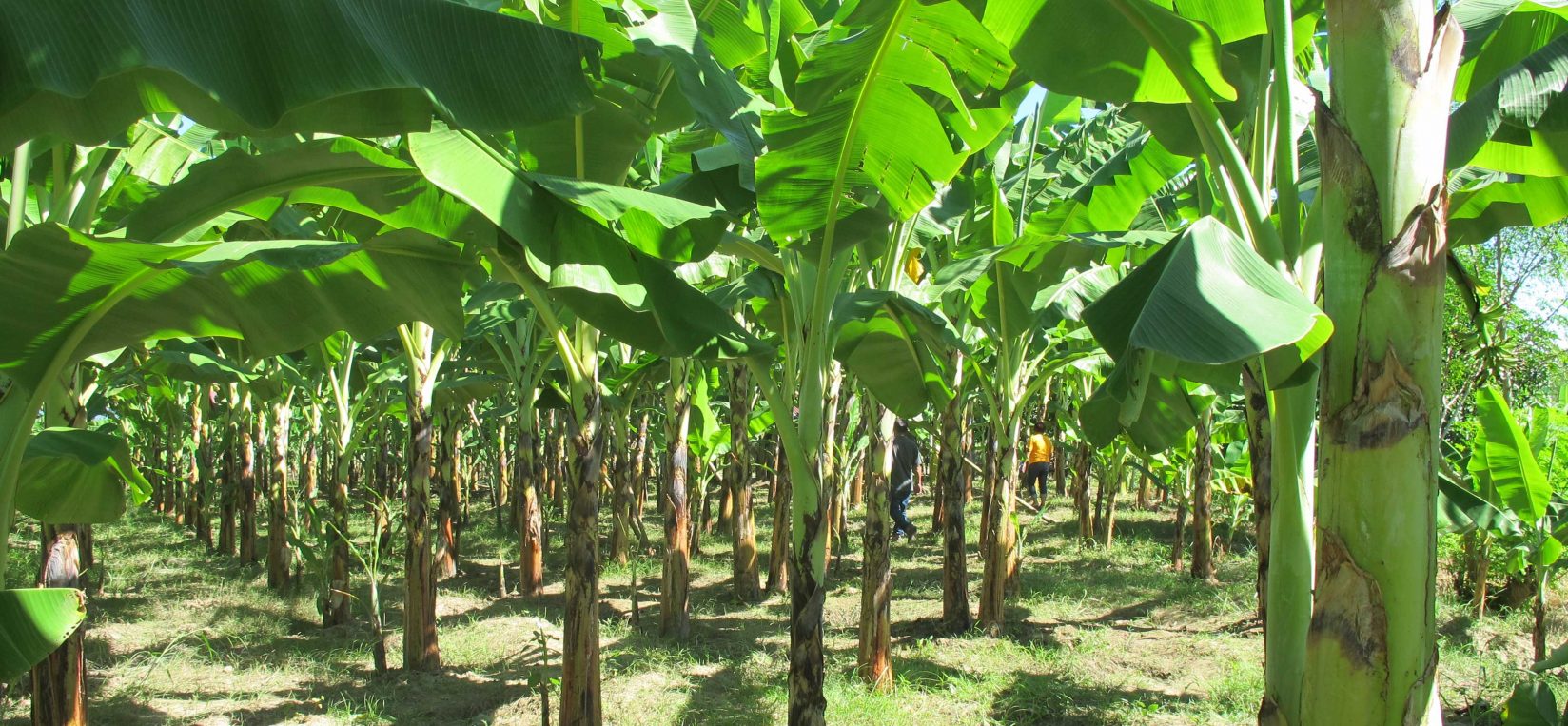
Plantain farming is one of the most important agricultural activities in Ghana, providing a staple food source and income for many farmers. Known locally as “apentu” or “kofi” depending on the region, plantain is a versatile crop widely consumed across Ghana in various forms such as boiled, fried, roasted, or processed into flour and chips. The demand for plantain remains consistently high in both rural and urban areas, making it a profitable venture for both smallholder and commercial farmers.
Ghana’s climate, characterized by warm temperatures and significant rainfall, provides ideal conditions for plantain cultivation, especially in the forest and transitional zones. However, to achieve maximum yield and quality, farmers must apply proper farming techniques that suit local soil and weather conditions.
This article outlines effective plantain farming techniques in Ghana, including site selection, land preparation, planting methods, crop management, pest and disease control, and harvesting practices. Implementing these techniques can help farmers increase productivity, reduce losses, and improve profitability.
Plantain farming also supports food security and employment in rural areas, contributing significantly to Ghana’s economy. Understanding the best farming practices can help farmers meet market demands while sustaining soil health and minimizing environmental impacts.
Whether you are new to plantain farming or looking to improve your current practices, this guide offers valuable information to help you grow healthy, high-yielding plantain crops in Ghana.
1. Selecting the Ideal Site and Preparing the Land
Choosing a suitable site is critical for successful plantain farming. Plantains grow best in well-drained, fertile soils rich in organic matter. Loamy and sandy loam soils with a pH between 5.5 and 6.5 are ideal for plantain cultivation.
Avoid waterlogged or heavy clay soils, which can hinder root growth and cause diseases. Areas with moderate rainfall between 1200mm and 2000mm annually are preferable.
Clear the land of weeds, debris, and previous crop residues. Plough or till the soil to a fine tilth to ensure good aeration and root penetration.
Incorporate organic manure or compost into the soil to enhance fertility and moisture retention. Raised beds or ridges can be constructed in areas prone to waterlogging to improve drainage.
Good land preparation lays a strong foundation for healthy plantain growth and maximizes nutrient availability.
Read Also: How to Apply for a Land Bank Loan in South Africa
2. Planting Materials and Propagation Methods
Healthy planting material is essential for a productive plantain farm. The most common planting material is the sucker, also called “hitch” or “pup,” which grows at the base of mature plantain plants.
Select vigorous, disease-free suckers that are about 1 to 2 meters tall. Remove old leaves and damaged roots before planting to encourage strong growth.
Plant suckers using the single stool method, spacing them about 2.5 to 3 meters apart to allow enough room for growth and air circulation.
Tissue culture plantlets are an emerging alternative, offering disease-free and uniform planting material, though they may be more expensive and less accessible.
Planting is usually done at the start of the rainy season to ensure adequate moisture for establishment.
Proper selection and handling of planting materials significantly influence the success of the farm.
3. Crop Management and Nutrient Application
Effective crop management is vital for healthy plantain growth and high yields. Regular weeding is necessary to reduce competition for nutrients and water.
Irrigation may be required during prolonged dry spells, especially in the early stages of growth. Fertilizer application improves soil fertility. Apply a balanced fertilizer containing nitrogen, phosphorus, and potassium at planting and again during the growth period.
Organic manures such as compost or poultry droppings can be used to supplement inorganic fertilizers and improve soil structure. Mulching around the base of the plants conserves soil moisture, suppresses weeds, and adds organic matter as it decomposes.
Removing dead or diseased leaves and suckers helps maintain field hygiene and reduces pest and disease pressure.
Consistent crop management enhances plant health and productivity.
4. Pest and Disease Control in Plantain Farming
Plantain crops are susceptible to pests such as banana weevils, aphids, and nematodes, and diseases like Black Sigatoka and Panama disease.
Integrated pest management (IPM) is recommended, combining cultural, biological, and chemical controls.
Crop rotation and intercropping with legumes can reduce pest populations and improve soil health. Regular field scouting helps in early pest and disease detection. Remove and destroy infected plants to prevent spread.
Use approved pesticides judiciously and follow safety guidelines to protect human health and the environment. Biological controls such as natural predators and pheromone traps can reduce reliance on chemicals.
Effective pest and disease management protects yields and farm profitability.
5. Harvesting and Marketing Plantain in Ghana
Plantain typically matures 9 to 12 months after planting. Harvesting should be done when the fingers are full-sized but still green, depending on the intended market or use.
Use a sharp knife or machete to cut the bunch carefully to avoid damaging the pseudostem or nearby plants. Post-harvest handling includes washing, sorting, and packaging to enhance market appeal and reduce losses.
Plantain can be sold fresh in local markets or processed into chips, flour, or dried products for added value. Marketing options include direct sales to consumers, wholesalers, retailers, and agro-processing companies.
Forming cooperatives can help farmers negotiate better prices and access larger markets. Efficient harvesting and marketing strategies increase farmer income and contribute to Ghana’s food security.
Frequently Asked Questions
Q1: How profitable is plantain farming in Ghana?
Plantain farming is highly profitable because demand is consistently strong across rural and urban areas. Farmers can sell fresh plantains locally or process them into chips, flour, and other products for higher value. With proper farm management, plantain can provide a steady income year-round.Q2: What type of soil is best for plantain cultivation?
Plantain grows best in well-drained loamy or sandy loam soils rich in organic matter, with a pH between 5.5 and 6.5. Waterlogged or heavy clay soils should be avoided, as they can cause root damage and increase disease risks.Q3: What planting material should farmers use for plantain farming?
The most common planting material is the sucker, also known as a hitch or pup. Healthy, disease-free suckers about 1 to 2 meters tall are ideal. Some farmers also use tissue culture plantlets, which are disease-free and uniform but more expensive.Q4: What are the main pests and diseases that affect plantain?
The major pests include banana weevils, aphids, and nematodes, while common diseases are Black Sigatoka and Panama disease. Integrated pest management practices such as crop rotation, good field hygiene, and careful use of pesticides can help control these threats.Q5: How long does it take plantain to mature and how is it marketed?
Plantain typically matures in 9 to 12 months after planting. Farmers can sell green bunches directly in local markets, supply wholesalers, or process them into products like flour and chips for higher profits. Proper harvesting and handling help maintain quality for better market prices.Read Also: Water quality standards
- AuthorPosts
- You must be logged in to reply to this topic.