



Public Group
Active 8 months, 1 week ago
Group Type By Country
Group Leadership
- Group Administrators
-

Ghana Farmers Community
Starting a Coconut Farm in Ghana
- This topic is empty.
- AuthorPosts
- August 18, 2025 at 11:26 am #672866

 Agric4ProfitsModerator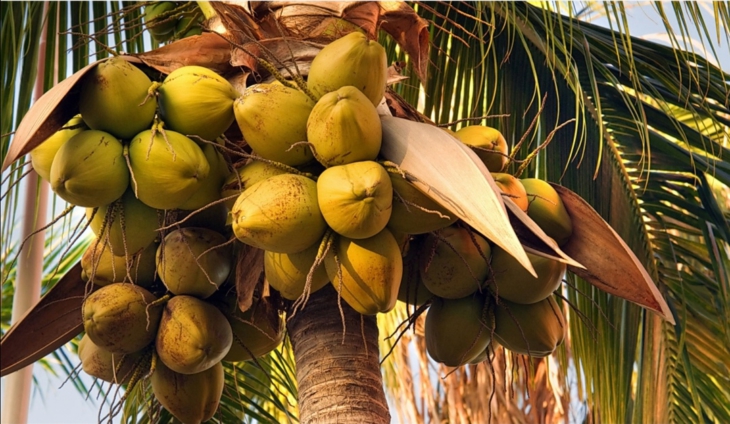
Coconut farming presents a lucrative opportunity for Ghanaian farmers due to the crop’s versatility and increasing demand in both local and international markets. Coconut palms thrive well in Ghana’s coastal and tropical climate, making it an ideal crop for many parts of the country. Beyond the tasty coconut water and flesh, the coconut tree offers numerous by-products such as oil, coir fiber, coconut milk, and activated charcoal, which have diverse industrial and commercial uses.
Starting a coconut farm requires careful planning, knowledge of best farming practices, and patience, as the palm takes several years to mature before yielding substantial harvests. However, once established, coconut farms can provide steady income for decades with relatively low maintenance compared to other crops.
In Ghana, coconut farming is gaining renewed interest, driven by government agricultural initiatives and the rising global demand for coconut products. This article will guide you through the essential steps to start a successful coconut farm, including site selection, nursery establishment, planting, maintenance, and harvesting.
Whether you are a smallholder farmer or an investor interested in large-scale cultivation, understanding the fundamentals of coconut farming in Ghana will increase your chances of profitability and sustainability. This article aims to provide practical advice to help you make informed decisions and avoid common pitfalls.
By following the strategies outlined here, you can establish a thriving coconut farm that contributes to food security, rural employment, and the economy while tapping into a growing market for coconut-derived products.
1. Selecting the Right Site for Coconut Farming
Choosing the right location is the first and most important step in starting a coconut farm in Ghana. Coconut palms prefer well-drained sandy or loamy soils rich in organic matter. The coastal regions of Ghana, such as the Central, Greater Accra, and Volta regions, provide an ideal environment due to their sandy soils and warm, humid climate.
Avoid areas prone to waterlogging or heavy clay soils as these conditions hinder root development and increase the risk of diseases. Coconut palms thrive best in areas receiving annual rainfall between 1000mm and 3000mm. Although drought-tolerant to some extent, prolonged dry spells can reduce yield.
The site should have access to clean water sources, especially for irrigation during dry seasons, and be free from strong winds that could damage young palms. Land with gentle slopes is preferable to steep terrain to reduce erosion risks.
Soil testing is recommended before planting to assess nutrient levels and pH, which should ideally range from 5.0 to 8.0 for optimal growth. If the soil is acidic or deficient in key nutrients, amendments such as lime or organic manure should be applied.
Accessibility to markets and transportation infrastructure also influences the farm’s profitability. Choose a site near roads to ease the movement of farm inputs and the delivery of produce to buyers.
Proper site selection lays a strong foundation for the success of your coconut farm by ensuring healthy palm growth and maximizing productivity.
Read Also: Comprehensive Guide on How to Start Coconut Farming
2. Establishing a Coconut Nursery
Before transplanting young palms to the field, establishing a healthy nursery is crucial. A nursery allows you to raise strong seedlings that have better chances of survival and growth after planting.
Obtain quality seeds from healthy, mature coconut palms preferably from local high-yielding varieties. Mature coconuts typically take 12 months to germinate. You can use the husk-on or husk-removed method for germination, but husk-on tends to retain moisture better.
Prepare nursery beds with well-drained, fertile soil enriched with compost or manure. Space the seeds adequately to prevent competition and ensure good air circulation. Seeds should be sown on their side and watered regularly to maintain moist conditions.
Protect the nursery from pests such as rodents and birds, as well as extreme sun or heavy rain. Shade nets or temporary shelters can help maintain optimal growing conditions.
Seedlings typically take 6 to 12 months to grow to a transplantable size of about 30 to 40 cm tall. During this period, apply balanced fertilizers to promote healthy root and shoot development.
Regularly weed the nursery beds to reduce competition and monitor for any disease symptoms such as fungal infections. Remove affected seedlings promptly to prevent spread.
A well-managed nursery produces strong seedlings that reduce mortality rates when transplanted and contribute to uniform growth and early fruiting.
3. Planting and Field Preparation
Once your seedlings are ready, prepare the planting field carefully to support healthy palm growth. Clear the land of weeds, debris, and stones, and plough or till the soil to loosen it.
Dig holes about 50 cm deep and wide enough to accommodate the seedling roots without bending. Spacing is critical; standard spacing is 7 to 9 meters between palms, depending on the variety and soil fertility. Wider spacing allows for better light penetration and air circulation.
Before planting, enrich each hole with organic manure or compost mixed with topsoil. This provides essential nutrients and improves soil structure. You may also add a balanced fertilizer with nitrogen, phosphorus, and potassium to boost initial growth.
Plant the seedling carefully to ensure the root collar is at ground level, and firm the soil around the base to eliminate air pockets. Water immediately after planting to settle the soil and reduce transplant shock.
Mulching around the base of each palm helps conserve moisture, suppress weeds, and improve soil fertility as it decomposes.
Regularly inspect the young palms for pests like coconut beetles and diseases such as bud rot. Early intervention with appropriate control measures will prevent losses.
Adequate field preparation and careful planting ensure the healthy establishment of your coconut farm, setting the stage for high yields in subsequent years.
4. Maintenance and Care of Coconut Palms
Proper care and maintenance of coconut palms are essential for optimal growth and fruit production. This involves regular watering, fertilization, pest and disease control, and weed management.
Irrigation is important especially during dry seasons. Young palms need frequent watering, while mature palms are more drought-tolerant but benefit from supplemental watering to boost yields.
Fertilize your palms 2 to 3 times a year using a balanced fertilizer containing nitrogen, potassium, and phosphorus. Organic manures such as compost or poultry manure can also improve soil fertility and palm health.
Regularly remove weeds around the base of the palms to reduce competition for nutrients and water. Mulching is a good practice to minimize weed growth.
Monitor the palms for pests such as rhinoceros beetles, red palm weevils, and aphids. Use integrated pest management techniques, including manual removal, traps, and approved insecticides, to keep infestations low.
Diseases like bud rot and lethal yellowing can be serious threats. Maintain good field hygiene by removing dead or infected fronds and applying fungicides as needed.
Pruning old and dead fronds improves air circulation and reduces pest hiding places. It also makes harvesting easier.
Consistent and attentive farm management increases palm longevity and productivity, leading to sustainable income from your coconut farm.
5. Harvesting and Marketing Coconut Products
Coconuts usually start bearing fruit after 4 to 6 years, with peak production occurring around 10 to 20 years. Harvesting requires careful timing to ensure fruits are mature but not overripe.
For fresh coconut water, nuts are harvested when green and tender, typically at 6 to 7 months old. Mature brown coconuts are used for copra (dried kernel) and oil production.
Harvesting is usually done manually using climbing techniques or long poles. Safety measures are essential to prevent accidents. Mechanical harvesters are rare but can be considered for large farms.
Post-harvest handling includes dehusking, drying (for copra), and packaging. Proper drying reduces moisture content and prevents mold during storage.
Marketing coconut products offers diverse opportunities. Fresh coconuts are sold in local markets, roadside stalls, or exported. Processed products like coconut oil, desiccated coconut, coconut water, and coir fiber have growing demand domestically and internationally.
Value addition, such as producing virgin coconut oil or coconut-based cosmetics, can significantly increase profits. Joining cooperatives or farmer groups can improve access to markets and technical support.
Engaging with agro-processing companies and exporters can open access to export markets in Europe, Asia, and the Americas.
With strategic marketing and consistent quality, your coconut farm can become a sustainable business contributing to your livelihood and the Ghanaian economy.
Frequently Asked Questions
Q1: How long does it take for coconut palms to start producing fruits in Ghana?
Coconut palms generally begin bearing fruits 4 to 6 years after planting, depending on the variety and care given. Hybrid varieties often mature faster than traditional tall varieties. Peak production usually occurs between 10 and 20 years, and a well-managed palm can remain productive for 50 to 70 years.Q2: What type of soil is best for coconut farming?
Coconut palms thrive in well-drained sandy or loamy soils rich in organic matter. They tolerate a wide pH range of 5.0 to 8.0 but do not perform well in waterlogged or heavy clay soils. Farmers are advised to conduct soil testing before planting to determine nutrient levels and apply lime or organic matter if needed.Q3: How many coconut palms can be planted on one acre of land?
With standard spacing of 7 to 9 meters between palms, farmers can plant between 60 and 100 coconut palms per acre. Proper spacing ensures adequate light, air circulation, and root development, which directly influences long-term productivity.Q4: What are the common pests and diseases affecting coconut palms in Ghana?
The most common pests include rhinoceros beetles, red palm weevils, and aphids, while diseases such as bud rot and lethal yellowing can cause severe damage. Integrated pest management, proper field hygiene, and timely application of recommended treatments help control these threats.Q5: What are the main market opportunities for coconut farmers in Ghana?
Farmers can sell fresh green coconuts for drinking, mature coconuts for oil and copra, and value-added products like virgin coconut oil, desiccated coconut, or coconut-based cosmetics. Growing export demand in Europe, Asia, and North America also provides profitable opportunities for Ghanaian coconut farmers.Read Also: Air pollution air quality air pollutants
- AuthorPosts
- You must be logged in to reply to this topic.