



Public Group
Active 8 months, 1 week ago
Group Type By Country
Group Leadership
- Group Administrators
-

Kenya Farmers Community
Crop Rotation Methods in Kenya
- This topic is empty.
- AuthorPosts
- July 24, 2025 at 1:45 pm #668627

 Agric4ProfitsModerator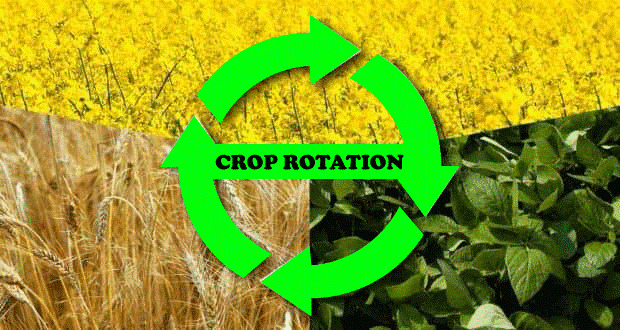

Crop rotation is a traditional, yet highly effective farming practice used by Kenyan farmers to improve soil health, increase yields, and manage pests and diseases. It involves growing different types of crops in a particular sequence on the same piece of land over different seasons or years. This method helps to break pest and disease cycles, improve soil structure, balance nutrient use, and reduce dependence on chemical inputs.
In Kenya, where small-scale farming dominates, many farmers continuously grow the same crop on the same land, often leading to soil exhaustion and declining productivity. For example, planting maize season after season without change can lead to soil nutrient depletion and increased pest infestation. Crop rotation offers a sustainable solution by introducing diversity in the cropping system.
The practice is applicable to all farming scales and can be adapted based on climate, soil type, and market needs. Common rotation systems in Kenya involve alternating cereals with legumes, leafy vegetables with root crops, and pest-prone crops with those less vulnerable to attack. Rotating crops also allows better weed control and optimizes the use of rainfall and irrigation.
This article outlines five essential aspects of crop rotation in Kenya. First, we examine the importance and benefits of crop rotation. Second, we explore common crop rotation patterns used by Kenyan farmers. Third, we discuss how to plan and design a rotation schedule. Fourth, we look at the impact of crop rotation on pest and disease control. Lastly, we consider the role of crop rotation in enhancing soil fertility and long-term sustainability.
By understanding and applying crop rotation methods, farmers in Kenya can boost their productivity, reduce input costs, and build resilience against climate and market shocks.
1. Importance and Benefits of Crop Rotation
Crop rotation offers numerous benefits that support sustainable agriculture in Kenya. It plays a key role in improving soil health, reducing pests and diseases, and increasing overall crop yields. For both smallholder and commercial farmers, crop rotation is a simple yet powerful tool that contributes to long-term farm productivity.
Improved Soil Fertility
Different crops have varying nutrient demands. For example, legumes such as beans and cowpeas fix nitrogen in the soil, enriching it for the next crop. Rotating nitrogen-fixing legumes with heavy-feeding crops like maize or cabbage helps maintain soil fertility.Pest and Disease Control
Rotating crops breaks the life cycle of pests and diseases. When the same crop is grown repeatedly, pests and pathogens build up in the soil. Alternating with unrelated crops helps starve these harmful organisms and reduces their impact naturally.Weed Suppression
Changing crop types also helps manage weeds. Different crops create different canopy coverage and root systems, which can suppress weed growth and prevent dominance by a single weed species.Better Soil Structure
Root systems of various crops impact soil structure differently. Deep-rooted crops such as cassava improve soil aeration and water infiltration, while shallow-rooted crops maintain topsoil cover. This diversity reduces erosion and compaction.Reduced Input Costs
By naturally managing soil nutrients and pests, crop rotation reduces the need for fertilizers and pesticides. This lowers production costs and lessens the environmental impact of farming.Enhanced Crop Yields
Rotated fields often produce healthier crops with higher yields due to better nutrient availability and fewer disease outbreaks.Adopting crop rotation is essential for farmers seeking sustainable and profitable agriculture. When used correctly, it transforms farming systems by promoting ecological balance and long-term productivity.
Read Also: Six (6) Factors Affecting Mechanized Harvesting Of Field Crops
2. Common Crop Rotation Patterns in Kenya
Kenyan farmers use a variety of crop rotation patterns depending on the type of crops grown, the region’s climate, and market demand. While there is no one-size-fits-all approach, some rotation systems are widely practiced across the country.
Cereal–Legume Rotation
This is the most common method. Farmers grow maize or sorghum one season, then switch to beans, cowpeas, or green grams the next. Legumes enrich the soil with nitrogen, benefiting the cereals that follow.Leafy Vegetables–Root Crops Rotation
Farmers growing sukuma wiki or spinach can rotate them with root crops like carrots, onions, or beets. This prevents the buildup of leaf-specific pests and balances nutrient use in the soil.Pest-Sensitive–Pest-Resistant Crop Rotation
In areas with high pest pressure, rotating pest-sensitive crops like tomatoes with resistant ones such as maize helps reduce infestation. This pattern disrupts the reproduction cycle of pests like nematodes or whiteflies.Dry Season–Wet Season Crop Rotation
Some farmers plan their rotation based on rainfall patterns. For example, planting maize during the rainy season and cowpeas or green grams during the dry season makes efficient use of available water.High–Low Nutrient Demand Crop Rotation
Rotating crops that require a lot of nutrients (like cabbage) with low-demand crops (like beans) reduces the strain on soil fertility and prevents rapid nutrient depletion.Farmers are encouraged to keep records of what was planted in each plot and rotate crops annually or biannually. This helps maintain balance in the soil and maximizes long-term benefits.
Selecting the right rotation pattern depends on local agro-ecological conditions, crop compatibility, and access to markets. When well planned, crop rotation leads to consistent yields and healthy soils.
3. Planning and Designing a Rotation Schedule
A well-structured crop rotation plan ensures that the benefits of rotation are fully realized. Planning involves identifying suitable crops, understanding their growth patterns and nutrient needs, and creating a schedule that fits the farm’s production goals and calendar.
Assess Land and Soil Conditions
Start by analyzing your soil type, fertility levels, drainage, and climate. This helps determine which crops are most suitable and how often they should be rotated.Classify Crops by Family and Nutrient Use
Group crops into categories such as legumes, cereals, leafy greens, root crops, and fruiting vegetables. Also, categorize them by their nutrient needs: heavy feeders (cabbage, maize), medium feeders (carrots, onions), and soil builders (beans, peas).Map Crop Sequence
Create a yearly or seasonal map of what will be planted in each section of the farm. For example:Year 1: Maize
Year 2: Beans
Year 3: Cabbage
Year 4: Carrots
Avoid planting crops from the same family in succession. For example, tomatoes, peppers, and eggplants are all from the nightshade family and should not follow each other.
Consider Market Needs and Timing
Align your rotation with market demand. Choose crops that are in high demand during your planned harvest period to ensure profitability.Integrate Cover Crops or Fallow Periods
Incorporate cover crops like sweet potatoes or sun hemp to improve soil structure and suppress weeds. If needed, allow some land to rest (fallow) for a season.Keeping a farm diary or crop calendar helps track what was grown, how it performed, and what needs improvement. With careful planning, a rotation schedule becomes a strategic tool for long-term farm success.
4. Pest and Disease Management through Rotation
Crop rotation is a natural and highly effective method of controlling pests and diseases in Kenyan farms. When the same crop is planted repeatedly, harmful organisms adapt to the conditions and multiply. Rotating crops breaks these cycles and reduces the pest population.
Interrupts Pest Life Cycles
Many pests are crop-specific. For example, the maize stalk borer feeds only on cereal crops. Planting legumes or vegetables after maize starves the pest and lowers future infestation.Reduces Soil-Borne Diseases
Diseases like bacterial wilt or fusarium wilt linger in the soil if the same host crop is planted continuously. Rotation with non-host crops allows the disease to die off over time.Lowers Pesticide Use
By naturally managing pest and disease pressure, crop rotation reduces the need for frequent pesticide applications. This lowers production costs and promotes environmental health.Improves Resistance Over Time
Diverse cropping systems build a more resilient farm ecosystem. Natural predators of pests are more likely to thrive in rotated fields, helping maintain balance.Examples in Kenya
Rotating tomatoes with onions or legumes reduces nematodes and fungal infections.
Alternating brassicas like cabbage with legumes breaks the cycle of black rot and root maggots.
Rotating potatoes with maize or beans lowers the risk of late blight and bacterial wilt.
Effective rotation must be done consistently and over multiple seasons. Pairing crop rotation with other methods such as proper sanitation, resistant varieties, and early planting strengthens pest and disease control.
Farmers who rotate crops reduce dependency on chemicals and create healthier, more productive farms.
5. Enhancing Soil Fertility and Sustainability
One of the most significant benefits of crop rotation is its ability to enhance soil fertility and support sustainable farming practices. In Kenya, where over-cultivation and over-reliance on synthetic fertilizers are common, crop rotation offers a natural alternative.
Nutrient Balancing
Different crops extract different nutrients from the soil. For instance, maize is a heavy nitrogen feeder, while legumes fix nitrogen from the atmosphere. Rotating these crops balances nutrient levels, reducing the need for external fertilizers.Improved Organic Matter
Crop residues from legumes and cover crops decompose and enrich the soil with organic matter. This improves soil structure, water retention, and nutrient availability.Prevents Soil Degradation
Growing the same crop continuously depletes specific nutrients and leads to poor soil structure. Rotation helps distribute nutrient extraction evenly and maintains soil health over time.Promotes Microbial Activity
Rotating crops encourages a diverse and healthy population of soil microbes. These microorganisms play a key role in nutrient cycling, disease suppression, and soil regeneration.Reduces Erosion
By rotating deep-rooted and shallow-rooted crops, soil anchorage is improved. This helps prevent erosion caused by wind or water, especially on sloped land.Sustainable Productivity
Crop rotation promotes long-term sustainability by keeping the soil productive without degrading its quality. It supports climate-smart agriculture and aligns with regenerative farming goals.To further enhance fertility, farmers can combine crop rotation with composting, mulching, and agroforestry. These practices reduce dependency on expensive inputs and promote food security.
By adopting crop rotation, Kenyan farmers not only protect their soils but also invest in a sustainable and resilient farming future.
Read Also: Top 10 countries with worst pollution
- AuthorPosts
- You must be logged in to reply to this topic.