



Public Group
Active 8 months, 1 week ago
Group Type By Country
Group Leadership
- Group Administrators
-

Kenya Farmers Community
Fish Farming Setup Guide in Kenya
- This topic is empty.
- AuthorPosts
- July 21, 2025 at 2:18 pm #668302

 Agric4ProfitsModerator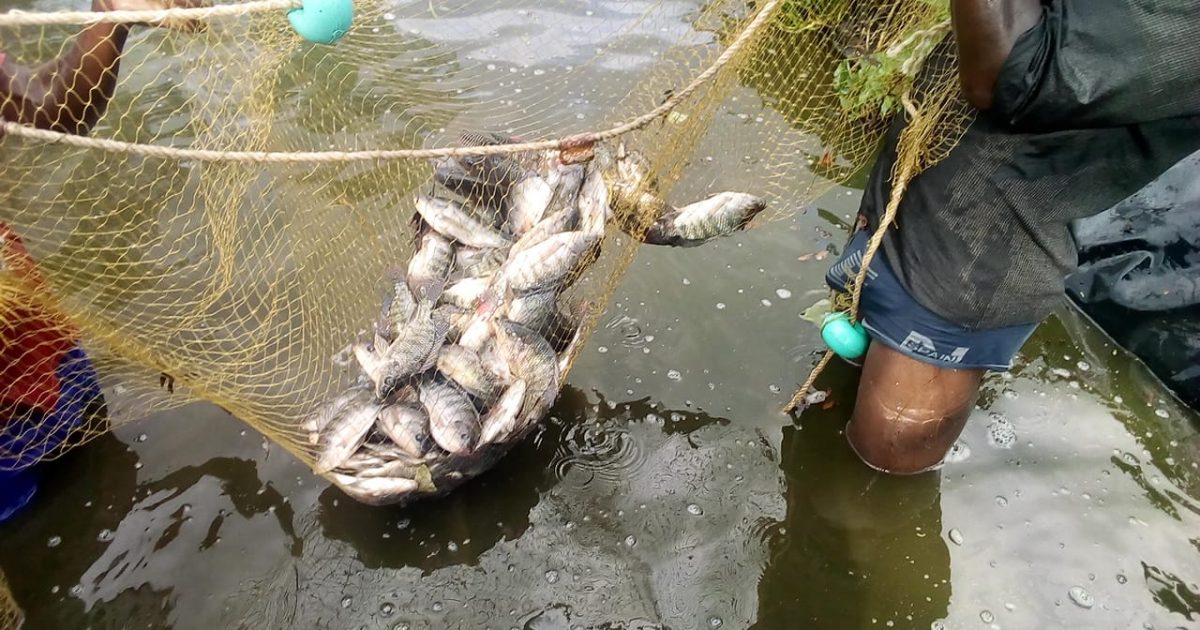
Fish farming is a fast-growing agribusiness in Kenya with great potential for income generation, food security, and employment creation. With the rising demand for fish and the decline in wild fish catch from natural water bodies, more Kenyans are turning to fish farming as a sustainable and profitable venture. Tilapia, catfish, and ornamental fish are the most commonly farmed species due to their adaptability and high market demand.
Kenya’s climate and water availability make fish farming viable in many counties, including Kisumu, Busia, Kakamega, Kiambu, Meru, and Murang’a. Whether in rural areas or peri-urban zones, farmers can engage in fish production using ponds, tanks, cages, or aquaponics systems depending on their land size, water supply, and budget.
This article offers a step-by-step guide on how to set up a successful fish farm in Kenya. It is divided into five major sections. The first part covers site selection and water requirements. The second outlines the types of fish to farm and how to choose the right species. The third focuses on pond construction or tank setup. The fourth discusses feeding, management, and disease control. The final section explains harvesting, marketing, and how to make profits from fish farming.
Fish farming in Kenya has support from both the government and private sector. County governments and development partners offer training, fingerlings, extension services, and sometimes funding. With proper planning and good management practices, farmers can achieve consistent production and high returns.
Whether you are a beginner with small capital or an experienced farmer looking to diversify, this guide will help you understand how to set up and run a productive fish farming business. A well-established fish farm can become a reliable source of income, nutrition, and even export potential in the future.
1. Site Selection and Water Requirements
Selecting the right location is one of the most important decisions in fish farming. A suitable site determines the success of your production and helps reduce costs and risks. The first thing to consider is access to a clean and reliable water source. Fish require sufficient quantities of good quality water for survival, growth, and reproduction.
Ideal water sources include boreholes, rivers, streams, wells, or rainwater reservoirs. The water must be free from pollutants such as chemicals, soap, heavy metals, or industrial waste. Testing the water for pH, oxygen levels, and other parameters is recommended before starting. A pH range of six point five to eight point five is suitable for most fish species.
The land should be gently sloping for pond drainage and easy water flow. Avoid rocky or marshy ground. The soil should be able to retain water, preferably clay or clay-loam. You can test soil by digging a hole, filling it with water, and observing how fast the water drains. If it drains quickly, the soil may not be suitable for earthen ponds unless lined with plastic.
Accessibility is another factor. The site should be reachable by road to ease transport of inputs like feed, fingerlings, and harvesting equipment. Electricity may be needed if you are using pumps, aerators, or lighting systems for tank-based or commercial cage farming.
Availability of space matters. A standard fish pond can measure fifteen by ten meters and hold up to one thousand fish, depending on depth and stocking density. Ensure enough room for future expansion, storage areas, and possibly a hatchery.
Security is also important. Sites close to homesteads or with proper fencing reduce the risk of theft or damage by animals. Select a site that balances water availability, soil type, accessibility, and expansion potential.
A properly chosen site creates a strong foundation for a productive and sustainable fish farming venture.
Read Also: Fish Farming Project Training in Egypt: Building a Sustainable Aquaculture Future
2. Choosing the Right Fish Species to Farm
Selecting the right fish species is a critical decision in setting up a successful fish farm. The choice depends on several factors including your region’s climate, available water resources, market demand, and your level of experience.
In Kenya, the most commonly farmed species are tilapia and African catfish. Tilapia is the most popular due to its high consumer demand, fast growth rate, and adaptability to various farming systems. It thrives in warm water with temperatures ranging between twenty-five and thirty degrees Celsius. Tilapia feeds on natural plankton and supplementary feeds, making it economical to raise. It is suitable for both ponds and tanks.
African catfish is also widely farmed due to its ability to survive in low-oxygen conditions, resist disease, and grow rapidly. Catfish is ideal for areas with limited water or poor water quality. It requires protein-rich feed and does well in tanks, ponds, and recirculating systems. Catfish has a strong market among institutions, hotels, and processors due to its fillet size and shelf life.
Other species such as ornamental fish, mudfish, and trout are also farmed but on a smaller scale. Ornamental fish require specialized care and are mostly sold in urban markets and export channels. Trout farming is limited to highland regions with cold flowing water, like Mount Kenya and parts of the Rift Valley.
When choosing a species, also consider the source of fingerlings. Buy fingerlings from certified hatcheries or research institutions to ensure they are disease-free and of good genetic quality. Stocking poor-quality fish leads to poor growth, high mortality, and financial losses.
Consider your market before choosing the species. If there is high demand for tilapia in local hotels and markets, it is better to focus on that. If you have buyers looking for catfish fillet, then specialize accordingly.
Matching the right species to your site and market helps maximize survival, growth rate, and overall profits in fish farming.
3. Pond Construction or Tank Setup
The next important step in fish farming is building the right structure to raise your fish. Farmers can choose between earthen ponds, concrete tanks, plastic-lined ponds, or raised fish tanks depending on the space available, budget, and fish species being farmed.
Earthen ponds are common in rural areas due to their low cost and suitability for tilapia and catfish. These ponds are dug into the ground, and their size depends on land availability. A standard pond can measure fifteen meters by ten meters with a depth of one point two to one point five meters. Ponds must be compacted to prevent leakage and fitted with inlet and outlet pipes for water flow and drainage.
Plastic-lined ponds are used in areas where the soil cannot hold water. The lining prevents seepage and reduces the cost of cement. These ponds are suitable for areas with rocky or sandy soil. They are also easier to clean and manage.
Concrete tanks are ideal for small-scale or urban fish farmers. They can be built above ground or partly sunken and are long-lasting if well maintained. Common sizes range from three thousand to ten thousand liters. Tanks must be fitted with inlet and outlet systems, drainage pipes, and sometimes aeration equipment to maintain water quality.
Raised tanks made of plastic or metal are increasingly popular, especially for backyard and rooftop fish farming. They are portable, easy to install, and suitable for catfish or fingerling production.
Water supply must be connected to all structures to allow regular water exchange. Stagnant water causes stress, disease, and poor growth. Farmers should also build footpaths, secure fencing, and emergency drainage systems.
Pond or tank construction should be done professionally to ensure durability and proper functioning. Extension officers, local builders, or agribusiness consultants can provide technical support.
Choosing the right structure and constructing it well ensures a safe and productive environment for your fish to grow.
4. Feeding, Management, and Disease Control
Proper feeding and management practices are essential to ensure healthy fish, fast growth, and high survival rates. Neglecting these areas can lead to stunted fish, high mortality, and financial losses.
Fish feed must be balanced with proteins, vitamins, and minerals. Commercial feeds are widely available and come in different formulations for fingerlings, juveniles, and mature fish. For example, fingerlings need feed with higher protein content to support rapid growth. Farmers can also supplement with kitchen waste, maize bran, duckweed, or locally made pellets, although these should not fully replace commercial feeds.
Feeding should be done twice or three times a day depending on the species and age. Overfeeding causes water pollution while underfeeding leads to slow growth. Use feeding trays or feeding rings to reduce waste and monitor consumption. Always feed at the same time daily to create a routine for the fish.
Water management is equally important. Regularly replace a portion of pond or tank water to maintain oxygen levels and remove waste. Stagnant or dirty water reduces fish appetite and can cause diseases. Use aerators or water pumps if necessary.
Stocking density must be maintained. Overcrowding leads to competition for space and oxygen, causing stress and poor growth. The recommended density is one to three fish per square meter in ponds, depending on species and water quality.
Monitor fish behavior daily. Healthy fish are active, feed quickly, and swim normally. Slow movement, floating, or discoloration may indicate disease or poor water quality. Common fish diseases include fungal infections, parasites, and bacterial infections. Isolate sick fish and treat them using appropriate medication or salt baths.
Record keeping is vital. Keep records of feeding schedules, water quality, stocking dates, and growth rates. This helps track performance and identify problems early.
With good feeding, careful observation, and hygiene, fish farmers can reduce losses and achieve high yields throughout the production cycle.
5. Harvesting, Marketing, and Profitability
The final step in fish farming is harvesting and selling your fish for profit. Timing, quality control, and marketing strategy all play a big role in ensuring your hard work pays off.
Fish are usually ready for harvesting after six to eight months, depending on the species, feed quality, and management. Tilapia reaches market size at two hundred to four hundred grams while catfish may reach over one kilogram. Sampling should be done regularly to monitor growth and determine the best harvest time.
Harvesting can be partial or complete. Partial harvesting allows you to sell mature fish while the smaller ones continue growing. Use seine nets or traps to minimize injury during harvesting. In tank systems, water is drained gradually to collect fish with minimal stress.
Post-harvest handling is important. Clean and chill fish immediately to preserve quality. Use insulated containers and follow hygiene standards, especially when selling to hotels, supermarkets, or processors.
Marketing options include farm gate sales, local markets, fishmongers, hotels, restaurants, schools, and supermarkets. Value addition such as smoking, filleting, or drying can increase shelf life and profit margins. Establishing supply contracts or joining farmer cooperatives can secure stable markets.
Profits in fish farming depend on input costs, stocking density, survival rate, and selling price. A well-managed pond with one thousand tilapia can yield six hundred to eight hundred kilograms of fish. At a selling price of three hundred to four hundred shillings per kilogram, this translates to potential income of over two hundred thousand shillings per cycle.
To increase profits, farmers should reduce feed wastage, avoid overstocking, and maintain good water quality. Reinvesting profits in fingerlings, equipment, and training helps scale the business sustainably.
With proper harvesting, marketing, and financial planning, fish farming in Kenya can provide a steady and rewarding income for farmers across different regions.
Read Also: The products derived from consumable waste
- AuthorPosts
- You must be logged in to reply to this topic.