



Public Group
Active 8 months, 1 week ago
Group Type By Country
Group Leadership
- Group Administrators
-

Kenya Farmers Community
Guide on Fish Farming in Kenya
- This topic is empty.
- AuthorPosts
- August 22, 2025 at 10:26 am #673502

 Agric4ProfitsModerator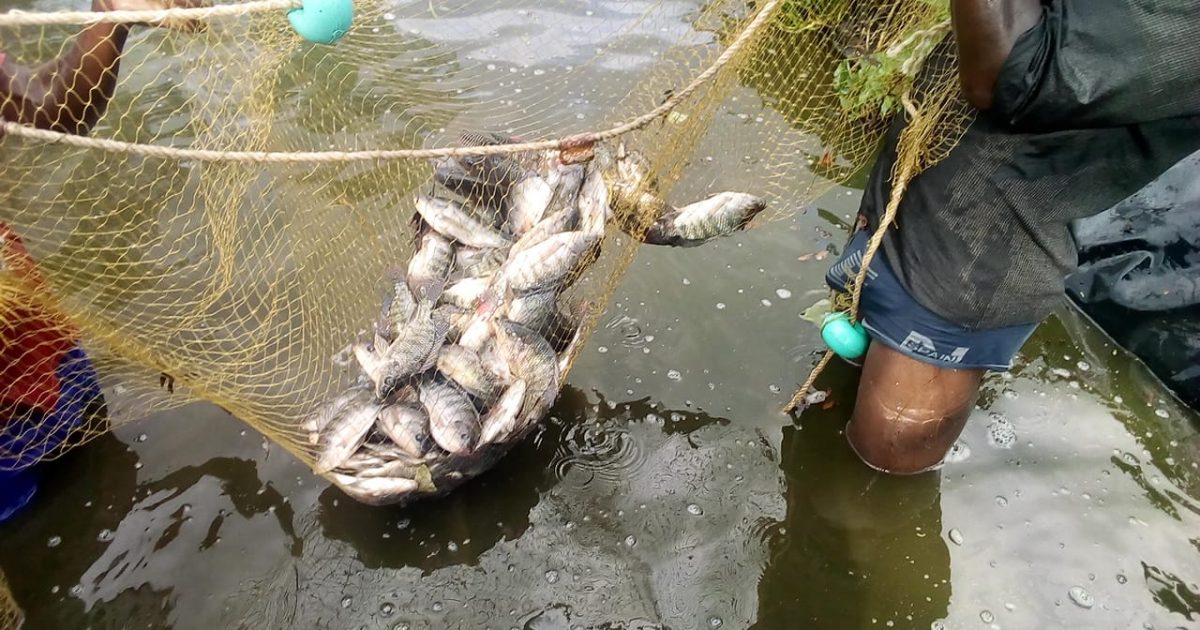
Fish farming, also known as aquaculture, has grown rapidly in Kenya over the past two decades as a reliable and profitable form of agriculture. It offers great potential for improving food security, creating employment, and boosting incomes, especially among rural households. With increasing demand for protein-rich foods and a reduction in natural fish stocks, fish farming is becoming an essential component of the country’s agricultural development.
Kenya’s warm climate, availability of fresh water, and government support through programs such as the Economic Stimulus Programme (ESP) have contributed to the steady rise in fish farming. Tilapia and catfish are the most commonly farmed species due to their adaptability and high market demand. Other species such as trout are also grown in cooler highland regions.
This guide provides a step-by-step overview of fish farming in Kenya, covering site selection, pond construction, fish species selection, feeding and management, harvesting, and marketing. Whether you are a beginner or an expanding fish farmer, the information here is designed to help you succeed.
1. Site Selection and Pond Construction
The first step in establishing a fish farm is identifying a suitable site. The ideal location should have access to clean and reliable water, whether from rivers, springs, boreholes, or rainwater harvesting. The land should be relatively flat or gently sloping to support easy pond construction and drainage. Soil should have good clay content to retain water and prevent seepage.
After selecting the site, the next step is designing and constructing the fishponds. The size and number of ponds depend on the scale of production and available resources. Ponds can be earthen, concrete, or lined with plastic depending on soil conditions and budget. Earthen ponds are the most common and cost-effective in Kenya.
Each pond should have an inlet and outlet to allow controlled flow of water. Proper pond construction includes clearing vegetation, excavating the pond to the desired depth (usually between one and one and a half meters), compacting the soil, and fencing the area to protect against predators and livestock.
Read Also: Causes and Effects of Meat and Fish Spoilage
2. Fish Species Selection and Stocking
Choosing the right fish species is essential for productivity and profitability. In Kenya, the most widely farmed species is tilapia, particularly Nile Tilapia, due to its fast growth rate, resistance to disease, and market preference. Catfish is also popular, especially in regions with high temperatures and limited water resources. Trout is reared in high-altitude areas with cool temperatures and flowing water.
Once the species is chosen, the farmer should source healthy fingerlings from certified hatcheries. Stocking is usually done after pond preparation and water stabilization. The stocking density varies depending on the pond size, water quality, and feeding method but should be balanced to avoid overcrowding, which can lead to stress and disease.
Stocking is best done during cooler times of the day such as early morning or late afternoon. Fingerlings should be acclimatized gradually to the pond water to reduce shock and increase survival rates.
3. Feeding and Pond Management
Proper feeding is critical to fish growth, health, and yield. Fish can be fed using commercial pellets or homemade feeds made from ingredients such as maize bran, cottonseed cake, and fishmeal. A balanced diet ensures that the fish gain weight consistently and reach market size within the shortest time possible.
Feeding should be done one to two times a day depending on the age and species of fish. Overfeeding should be avoided as it wastes feed and pollutes the water, leading to disease. Feed should be given in designated feeding spots to monitor consumption and behavior.
Pond management includes regular monitoring of water quality, particularly dissolved oxygen, pH, temperature, and ammonia levels. Good water quality ensures that fish remain healthy and grow efficiently. Water should be changed periodically, and excess weeds or algae should be removed. Farmers should also watch out for signs of disease such as unusual swimming patterns, discoloration, or slow growth.
Stocking records, feeding logs, and health monitoring should be maintained to help with management decisions and performance evaluation.
4. Harvesting and Post-Harvest Handling
Fish are usually ready for harvest within six to eight months depending on species and feeding practices. Tilapia, for instance, can reach market weight of 250 to 400 grams within that period. Harvesting can be done partially or completely depending on market demand and farm plans.
Complete harvesting involves draining the pond and collecting all mature fish, while partial harvesting allows for continuous production by removing only market-size fish. Nets and traps are commonly used during harvesting. Harvesting should be done early in the morning or late in the afternoon to reduce stress on the fish.
After harvesting, fish should be handled carefully to maintain freshness. They should be cleaned and sorted by size and quality. For long-distance transportation, fish should be placed in cool boxes with ice or kept alive in oxygenated containers.
Some farmers choose to add value by processing fish into fillets, drying, or smoking. This not only increases shelf life but also opens up new markets and fetches better prices.
5. Marketing and Profitability
Marketing is one of the most important aspects of successful fish farming. In Kenya, demand for fresh fish continues to grow in urban centers, supermarkets, hotels, and institutions. Local markets and farm gate sales also provide regular income for small-scale farmers.
To improve profitability, farmers should identify their market early and plan production to meet that demand. Building relationships with consistent buyers, such as fishmongers, traders, or cooperatives, ensures a reliable outlet for harvested fish.
Profitability in fish farming depends on proper management of inputs and operating costs. Feed is usually the largest cost component, so improving feed efficiency can significantly enhance profit margins. Using quality fingerlings, maintaining optimal stocking rates, and preventing disease outbreaks also contribute to better returns.
Group marketing through farmer associations can help reduce costs, improve access to inputs, and enhance bargaining power. In addition, linking with government or NGO programs may provide access to training, credit, and markets.
Fish farming in Kenya, when well-planned and managed, can be a highly rewarding venture with consistent income and great potential for expansion.
Frequently Asked Questions
1. What are the most common fish species to farm in Kenya?
The most popular species are Nile tilapia and African catfish due to their rapid growth, hardiness, and high market demand.
2. What are the essential requirements for starting a fish farm?
You need a reliable water source, suitable land, quality fingerlings (baby fish), fish feed, and capital.
3. What legal permits are needed to start a fish farm?
You must obtain a license from the Kenya Fisheries Service (KeFS) and comply with environmental regulations from the National Environment Management Authority (NEMA).
4. How long does it take for farmed fish to reach market size?
Nile tilapia and African catfish typically reach market size in 6 to 8 months with proper management.
5. How do I ensure my fish farm is profitable?
Focus on excellent water quality management, proper feeding, maintaining optimal stocking densities, and keeping detailed records of your operations.
Read Also: The plastic garbage crisis
- AuthorPosts
- You must be logged in to reply to this topic.