



Public Group
Active 8 months, 1 week ago
Group Type By Country
Group Leadership
- Group Administrators
-

Kenya Farmers Community
Horticulture Guide in Kenya
- This topic is empty.
- AuthorPosts
- August 22, 2025 at 9:50 am #673483

 Agric4ProfitsModerator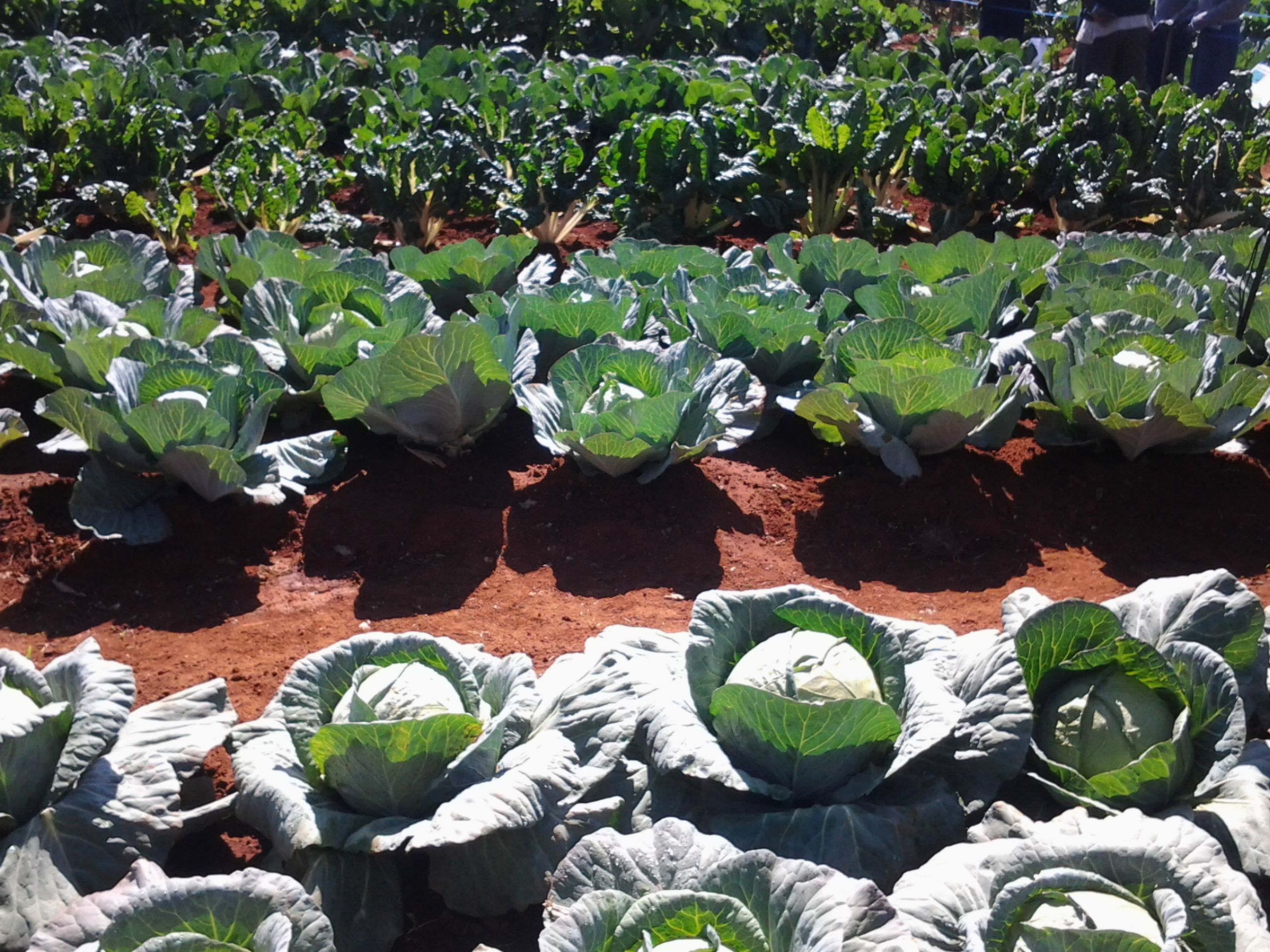
Horticulture is a vital sector in Kenya’s agricultural economy, contributing significantly to food security, employment, and export earnings. It involves the cultivation of fruits, vegetables, flowers, and ornamental plants, many of which thrive under Kenya’s diverse climatic conditions. From the highlands of Central Kenya to the arid zones of Eastern Kenya, horticulture has adapted and expanded, providing opportunities for both small-scale and commercial farmers.
The sector benefits from Kenya’s favorable weather, fertile soils, and proximity to major export markets, including Europe and the Middle East. Additionally, the increasing local demand for fresh produce has spurred growth in urban and peri-urban horticulture.
This guide explores the fundamentals of successful horticulture farming in Kenya, covering site selection, crop choices, management practices, pest control, harvesting, and marketing strategies. Whether you are an aspiring farmer or a seasoned grower, understanding these principles will help optimize production and profitability.
1. Site Selection and Soil Preparation
The foundation of productive horticulture lies in choosing the right location and preparing the soil adequately. Horticultural crops generally prefer well-drained, fertile soils with good organic matter content. The choice of site depends on the specific crop; for example, vegetables like tomatoes and carrots do well in cooler highlands, while tropical fruits such as mangoes and bananas thrive in warmer lowlands.
Soil testing is essential to determine pH levels and nutrient content. Most horticultural crops grow best in slightly acidic to neutral soils with pH between 6 and 7. If soils are acidic or alkaline, amendments such as lime or organic matter can be applied to improve conditions. Land should be cleared of weeds and debris, then ploughed and harrowed to create a fine seedbed. Incorporating organic manure or compost enriches the soil and enhances moisture retention.
Read Also: Soil Testing Centers in Ghana
2. Crop Selection and Nursery Management
Choosing the right crops is influenced by market demand, climate, soil type, and available resources. Common horticultural crops in Kenya include tomatoes, onions, kale, cabbages, carrots, strawberries, avocados, and passion fruits. Farmers should select high-yielding, disease-resistant varieties suited to their region.
Establishing a nursery is often the best way to start vegetable and fruit production. Nurseries provide a controlled environment for raising healthy seedlings before transplanting them to the main field. Seedlings require adequate watering, shading, and protection from pests during their early growth. For perennial crops like fruit trees, grafted seedlings from certified nurseries guarantee better yields and quality compared to direct seeding.
Maintaining hygiene in the nursery is crucial to prevent disease outbreaks. Use sterilized soil or media and avoid overcrowding seedlings to reduce fungal infections.
3. Crop Management and Pest Control
Effective crop management includes timely watering, weeding, fertilization, and pest and disease control. Irrigation systems such as drip or sprinkler irrigation help maintain optimal moisture levels, especially during dry spells. Drip irrigation also conserves water and reduces the risk of foliar diseases by limiting leaf wetness.
Weeding is important to reduce competition for nutrients and water. Mulching with organic materials suppresses weeds, conserves soil moisture, and improves soil health over time.
Fertilizer application should be guided by soil tests and crop nutrient requirements. A balanced supply of nitrogen, phosphorus, and potassium promotes healthy growth and fruiting. Organic fertilizers like manure and compost improve soil structure and microbial activity.
Pest and disease management is a major challenge in horticulture. Common pests include aphids, whiteflies, caterpillars, and fruit flies, while diseases such as bacterial wilt, blight, and powdery mildew can cause significant losses. Integrated Pest Management (IPM) practices combining cultural controls, resistant varieties, biological controls, and safe pesticides are recommended. Regular scouting and early intervention reduce the need for costly chemical sprays.
4. Harvesting and Post-Harvest Handling
Harvesting horticultural crops at the right maturity stage is crucial to maximize quality and shelf life. Vegetables like tomatoes and carrots are picked when fully developed but before over-ripening. Fruits such as mangoes and avocados are harvested at physiological maturity and ripened off the tree.
Careful handling during harvesting minimizes bruising and spoilage. Use clean tools and containers and avoid stacking produce too high. Prompt transportation to packing or processing centers preserves freshness and market value.
Post-harvest handling involves sorting, grading, cleaning, and packaging. Proper packaging materials such as crates, boxes, or bags protect produce during transit. Cold storage or refrigeration extends shelf life, especially for perishable items like leafy greens and strawberries.
Farmers should invest in good storage facilities and develop efficient supply chains to meet market demands consistently.
5. Marketing and Value Addition
Marketing is a critical component of horticultural farming. Farmers can sell their produce in local markets, supermarkets, hotels, restaurants, or through cooperatives and agribusiness firms. Understanding market preferences, seasonality, and price trends helps optimize sales and reduce losses.
Value addition enhances profitability and opens new market opportunities. This includes processing fruits into juices, jams, or dried snacks, and packaging vegetables as ready-to-cook products. Certification for organic or fair-trade produce can attract premium prices in local and export markets.
Farmers are encouraged to join groups or cooperatives to access training, bulk inputs, shared facilities, and better market access. Digital platforms and mobile apps are increasingly used in Kenya for market information, price negotiation, and direct sales to consumers.
With good production practices, effective marketing, and continuous innovation, horticulture in Kenya offers a promising path to improved livelihoods and food security.
Frequently Asked Questions
1. What are the main benefits of horticulture in Kenya?
Horticulture is a key contributor to Kenya’s economy. It provides food security, creates jobs for many people, and earns significant foreign exchange through exports, especially flowers and fresh produce.
2. What are the best crops to grow in Kenya?
The best crops depend on the region, but common and profitable choices include tomatoes, onions, kale, cabbages, and fruits like avocados and passion fruit. High value crops often grown in greenhouses are also popular.
3. What is the most important first step for a new horticulture farmer?
The most crucial first step is site selection and soil preparation. You also need to choose a location with well drained, fertile soil and conduct a soil test to understand its pH and nutrient content before planting.
4. How can I manage pests and diseases effectively?
You should use Integrated Pest Management (IPM), which combines various techniques. This includes using disease resistant crop varieties, proper sanitation, and using safe pesticides only when necessary to reduce the risk of crop loss.
5. How do I make my horticulture business profitable?
Profitability is enhanced by effective marketing and value addition. You can sell directly to supermarkets or restaurants, join a cooperative, or process your produce into products like dried fruit or juices to get better prices.
- AuthorPosts
- You must be logged in to reply to this topic.