



Public Group
Active 8 months, 1 week ago
Group Type By Country
Group Leadership
- Group Administrators
-

Kenya Farmers Community
How to Rear Broiler Chickens in Kenya: A Practical Guide for Farmers
- This topic is empty.
- AuthorPosts
- July 23, 2025 at 1:56 pm #668562

 Agric4ProfitsModerator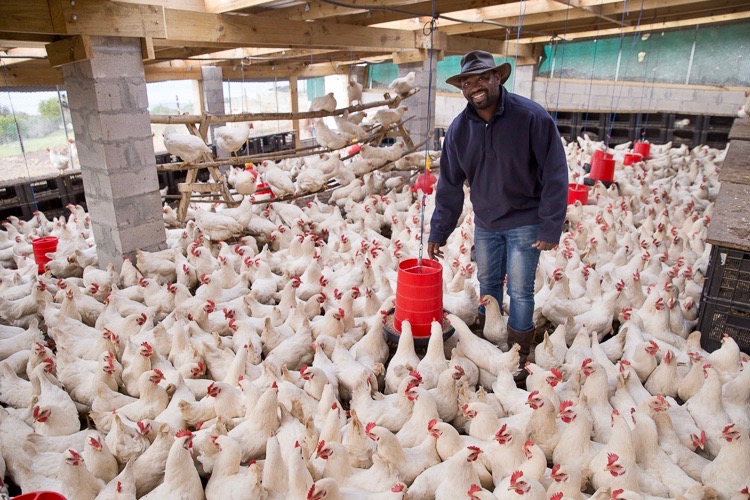
Broiler chicken farming is one of the fastest-growing and most profitable ventures in Kenya’s poultry sector. Broilers are chickens specifically bred for meat production, and they grow rapidly, reaching market weight in just 6 to 8 weeks. With increasing demand for affordable and high-quality protein, broiler farming presents a great opportunity for both small-scale and commercial farmers.
This article provides a comprehensive guide on how to rear broiler chickens successfully in Kenya. You will learn about the essential requirements including housing, feeding, health management, and biosecurity measures that ensure high growth rates and minimal mortality. Understanding broiler rearing techniques helps farmers optimize productivity, reduce costs, and increase profitability.
The guide covers broiler chick management from day-old chicks to market age, including the best feeding practices, vaccination schedules, and environmental conditions needed for healthy growth. We also discuss common challenges such as diseases, predators, and poor nutrition and how to overcome them.
Whether you are starting your first broiler flock or looking to improve your existing farm, this article will equip you with practical knowledge tailored to Kenya’s local conditions. The goal is to help farmers produce quality broiler meat efficiently while maintaining animal welfare and adhering to sustainable farming practices.
By following these guidelines, Kenyan farmers can take advantage of the growing poultry market, supply fresh meat to local consumers, and contribute to national food security.
1. Housing and Brooder Setup for Day-Old Chicks.
Proper housing is critical for broiler chick survival and growth. Broilers require warm, clean, and well-ventilated housing to thrive. The brooding area should be secure to protect chicks from predators and harsh weather. A well-insulated brooder house with controlled temperature between 32°C and 35°C for the first week is essential since chicks cannot regulate their body temperature.
Farmers often use infrared heat lamps or charcoal brooders to maintain warmth. The brooder floor should be covered with clean, dry litter such as sawdust or wood shavings to absorb moisture and provide comfort. The space allowance should be about 0.2 square meters per chick to avoid overcrowding and stress.
Good lighting encourages feeding and drinking behavior. Clean water and starter feed should be placed within easy reach. Brooder hygiene is vital; regular cleaning and removal of wet litter prevent disease outbreaks.
After the first week, the temperature can be gradually reduced by 3°C per week until it reaches ambient temperature. Adequate ventilation without drafts helps maintain fresh air circulation and controls humidity. Proper brooder setup lays the foundation for strong and healthy broiler chickens.
Read Also: Brooder Guards and It’s Uses in Poultry Farming
2. Feeding Management and Nutrition.
Nutrition is one of the most important factors affecting broiler growth and feed conversion efficiency. Broiler chicks require high protein and energy diets formulated specifically for their rapid growth phases. Feeding starts with a high-protein starter feed (around 22-24% protein) from day one until 3 weeks of age.
From weeks 3 to 6, growers switch to a grower feed with slightly lower protein content (18-20%) to support steady muscle development. A finishing feed may be introduced in the last weeks before marketing to optimize weight gain and meat quality.
Fresh, clean water must be available at all times as broilers consume large quantities of water to digest feed efficiently. Feeding frequency should be frequent but controlled to reduce wastage. Many farmers use feeders designed to minimize spillage.
Farmers should buy quality commercial feeds from reputable brands or prepare balanced rations using maize, soybean meal, sunflower cake, and mineral supplements. Vitamin and mineral premixes are essential for healthy bone development, immune support, and disease resistance.
Avoid sudden feed changes to prevent digestive problems. Regularly monitoring feed intake and growth rates helps farmers adjust feeding programs for optimal performance. Proper feeding management ensures broilers reach market weight quickly and profitably.
3. Health Management and Vaccination.
Maintaining good health in broilers is crucial to minimize losses and ensure fast growth. Disease prevention through vaccination, good hygiene, and biosecurity is key. Day-old chicks should receive vaccinations for common diseases such as Newcastle disease and infectious bursal disease (Gumboro).
Farmers must follow recommended vaccination schedules provided by veterinary officers or feed companies. Proper administration techniques and cold chain management maintain vaccine efficacy. Monitoring birds daily for signs of illness such as lethargy, coughing, diarrhea, or reduced appetite helps detect problems early.
Good biosecurity practices include limiting farm access to visitors, disinfecting equipment, and isolating new stock before introduction. Clean drinking water and sanitized feeders reduce disease transmission. Prompt removal of sick or dead birds prevents spread.
Antibiotics and medications should only be used under veterinary guidance to avoid resistance and residue issues. Probiotics and vitamins can support bird immunity and gut health.
By maintaining a proactive health management program, farmers can reduce mortality rates and improve overall flock performance, ensuring profitable broiler production.
4. Environmental Management and Biosecurity Measures.
Environmental conditions such as temperature, humidity, ventilation, and lighting significantly impact broiler productivity. Maintaining optimal temperatures prevents heat stress or chilling, both of which reduce feed intake and growth. Proper ventilation removes harmful gases like ammonia and supplies fresh oxygen.
Humidity levels should be kept between 50% and 70% to prevent respiratory problems. Dust control through regular cleaning reduces disease risk. Adequate lighting encourages feeding and activity but should mimic natural day-night cycles to avoid stress.
Biosecurity is critical in preventing introduction and spread of diseases. This involves controlling farm access, disinfecting footwear and equipment, and restricting contact with wild birds or animals. Farmers should have dedicated clothing and boots for the poultry house.
Proper waste management including timely removal and safe disposal of manure prevents contamination. Regular cleaning and disinfection of the poultry house between batches reduce pathogen load.
Environmental and biosecurity management are integral to sustainable broiler farming, helping maintain healthy birds and reducing veterinary costs.
5. Marketing Broilers and Maximizing Profitability.
Successfully rearing broilers is only part of the equation; marketing them effectively is essential to maximize profits. Broilers are typically sold at 6 to 8 weeks when they reach 2 to 3 kg live weight. Farmers can choose to sell live birds to local markets, middlemen, or directly to consumers and retailers.
Value addition through dressing, processing, and packaging enhances marketability and can attract higher prices. Some farmers supply hotels, restaurants, and supermarkets that demand quality and hygiene standards.
Timing the market is important; selling during festive seasons or when demand peaks can increase earnings. Farmers should keep records of costs, sales prices, and weights to analyze profitability and improve decision-making.
Building relationships with reliable buyers and cooperatives helps secure consistent markets. Diversifying sales channels and exploring niche markets such as organic or free-range broilers can also improve income.
By combining good production practices with smart marketing strategies, Kenyan broiler farmers can build sustainable and profitable enterprises.
Read Also: Hazardous waste complete management guide
- AuthorPosts
- You must be logged in to reply to this topic.