



Public Group
Active 8 months, 1 week ago
Group Type By Country
Group Leadership
- Group Administrators
-

Kenya Farmers Community
Potato Farming in Kenya: a comprehensive giude
- This topic is empty.
- AuthorPosts
- July 24, 2025 at 1:53 pm #668629

 Agric4ProfitsModerator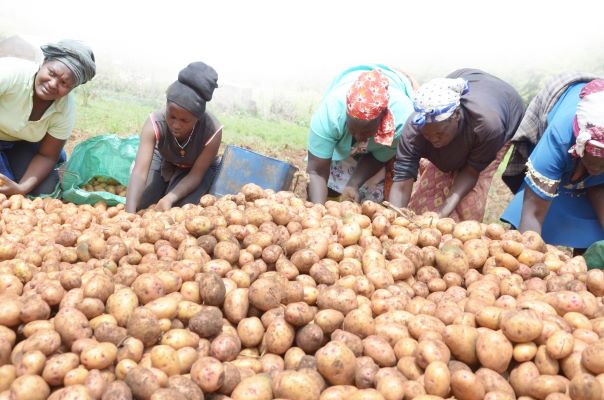
Potato farming is one of the most important agricultural activities in Kenya, particularly in the highland regions. Irish potatoes, locally known simply as “potatoes,” are the second most consumed food crop in the country after maize.
They are grown primarily for household consumption, local market supply, and as a raw material for processing into chips, crisps, and flour. Potatoes are an essential food and income source for thousands of smallholder farmers, especially in counties such as Nyandarua, Meru, Nakuru, Kiambu, and Elgeyo Marakwet.
The crop is favored for its short maturity period, high yield per acre, and ability to grow in cool and moist environments. Potato farming also contributes significantly to employment and agribusiness in Kenya. It supports not only farmers but also traders, transporters, input suppliers, and food processors. Despite its potential, however, the sector faces challenges such as seed shortages, diseases, poor storage infrastructure, and unpredictable market prices.
This article explores five key aspects of potato farming in Kenya. First, it looks at the ecological and land preparation requirements needed for a successful potato crop. Next, it discusses seed selection and planting techniques.
The third section focuses on crop management practices including fertilization, pest control, and irrigation. The fourth part addresses harvesting methods and post-harvest handling to minimize losses. Finally, the article examines the marketing channels and business opportunities in the potato value chain.
Through better practices and increased support, potato farming in Kenya can be transformed into a highly productive and profitable enterprise. Understanding the correct steps, timing, and care is critical for farmers to realize maximum yields and income from their efforts.
1. Ecological Requirements and Land Preparation
Potatoes grow best in cool, high-altitude regions where the average temperatures range between fifteen and twenty degrees Celsius. These conditions are commonly found in Kenyan highlands, where rainfall is reliable and soils are fertile. Potatoes need well-drained, loose, and slightly acidic soils with a pH ranging from five to six. Soils that are too clayey or waterlogged can result in poor tuber formation and increase the risk of diseases like bacterial wilt or blight.
Before planting, the land must be well prepared to create a favorable environment for tuber development. Farmers begin by clearing any vegetation and tilling the soil to a fine texture. Deep plowing is important because it allows proper root and tuber growth and helps with drainage. In areas with a history of potato cultivation, crop rotation is encouraged to prevent soil exhaustion and reduce the build-up of pests and diseases. Preparing ridges or raised beds is also recommended, as these structures improve water drainage and allow for easier tuber expansion.
Incorporating organic matter such as compost or well-rotted manure during land preparation significantly boosts soil fertility and enhances soil structure. This step is especially important in areas where synthetic fertilizers are not easily accessible or where soil degradation has occurred due to continuous cultivation. The timing of land preparation should align with the beginning of the rainy season to ensure that soil moisture is available when the crop is planted.
Proper site selection and land preparation are foundational steps in potato farming. These actions not only support healthy plant growth but also play a crucial role in determining the final yield and quality of the potatoes harvested. Farmers who invest time and effort in this stage often see better results compared to those who skip or rush the process.
Read Also: Sweet Potato Farming in Kenya: A Complete Guide for Farmers
2. Seed Selection and Planting Techniques
Choosing the right seed variety is a critical decision in potato farming. In Kenya, certified seed potatoes are recommended because they are free from diseases and genetically pure. However, access to certified seed is still a challenge for many farmers, leading some to rely on farm-saved seed. While this may reduce costs initially, it often results in poor yields and a higher risk of disease spread.
Seed potatoes should be selected based on market preferences, maturity period, and resistance to diseases. Varieties like Shangi, Dutch Robijn, and Kenya Karibu are popular due to their fast maturity and good market acceptance. Shangi, for example, is widely grown because it matures in about three months and produces a high number of medium-sized tubers.
Before planting, seed tubers are usually cut into pieces, each containing one or two healthy sprouts or eyes. This is done using a clean, sharp knife and followed by a period of healing, known as curing. The curing process allows the cut surfaces to form a protective layer, which reduces the risk of rotting when the seeds are planted in the soil.
Planting is done in furrows prepared in advance, with spacing between rows kept at about seventy-five centimeters and between plants at thirty centimeters. The depth of planting typically ranges from ten to fifteen centimeters, depending on the soil type and seed size. Proper spacing allows adequate room for tuber expansion and facilitates weeding and pest control.
Timely planting is essential, and farmers aim to do it at the onset of rains for optimal soil moisture. In areas with irrigation, planting can be scheduled more flexibly. Ultimately, good seed and careful planting are the first steps toward a healthy and productive potato crop.
3. Crop Management Practices
Successful potato farming depends heavily on consistent and careful crop management throughout the growing season. Fertilization is a key aspect, as potatoes are heavy feeders that require nutrients such as nitrogen, phosphorus, and potassium for proper growth. Organic manure should ideally be applied during land preparation, and this can be supplemented with commercial fertilizers such as DAP at planting and CAN during the growing stage.
Weeding is another crucial practice, especially in the first six weeks when the plants are still small and vulnerable. Weeds compete for nutrients, water, and light, leading to stunted growth if not controlled. Manual weeding is common among smallholder farmers, while larger farms may use mechanical or chemical methods. Timely weeding ensures that the crop remains vigorous and well-nourished.
One of the most important activities in potato management is earthing up. This involves drawing soil around the base of the plants to cover the developing tubers and protect them from sunlight exposure, which can turn them green and make them unfit for consumption. Earthing up also supports the plant against wind and improves drainage around the root zone.
Potatoes are vulnerable to pests such as aphids, cutworms, and potato tuber moths. Diseases like late blight and early blight are common, especially during wet seasons. Regular monitoring, early detection, and prompt control using fungicides or insecticides are essential to prevent crop losses.
Irrigation, especially during dry spells, ensures uniform tuber development. Water stress can reduce yields significantly, so farmers using drip or sprinkler systems have an advantage in terms of consistency and water efficiency.
Overall, good crop management ensures that the plants grow vigorously and produce healthy, marketable tubers. Ignoring these practices often leads to poor performance and financial loss.
4. Harvesting and Post-Harvest Handling
Potatoes are usually ready for harvesting two to three and a half months after planting, depending on the variety and environmental conditions. The crop is considered mature when most of the foliage has yellowed and died back naturally. Premature harvesting leads to small tubers, low yields, and poor market quality.
Before harvesting, it is advisable to stop irrigation for about one to two weeks. This allows the soil to dry and makes digging easier. It also toughens the skin of the tubers, which helps reduce bruising during handling. Harvesting is mostly done using hoes or digging forks for small farms, while mechanized diggers are used in larger operations.
Care must be taken not to bruise, cut, or expose the tubers to sunlight. Damaged potatoes spoil faster and attract fungal infections. After harvesting, the tubers are cured in a cool, dry, and shaded area for a few days. This helps the skin harden and heal any small wounds, which improves their shelf life.
Proper post-harvest handling involves cleaning, grading, and sorting the potatoes according to size and quality. Farmers remove any green, damaged, or diseased tubers before storage or marketing. Clean, healthy tubers fetch better prices and are more acceptable in formal markets.
Storage is another critical aspect. Potatoes should be stored in a cool, dark, well-ventilated room to prevent sprouting and rotting. In many rural areas, simple storage structures like raised sheds are used. Advanced farmers may invest in cold storage to extend shelf life and avoid selling during periods of oversupply.
Good post-harvest handling helps reduce losses, maintain quality, and increase profits. It also builds a reputation for producing clean, high-quality potatoes that meet consumer expectations.
5. Marketing and Agribusiness Opportunities
Potatoes are in high demand across Kenya due to their versatility and wide use in both household and commercial kitchens. Farmers sell their produce in local open markets, to brokers, directly to retailers, or to processors who make chips, crisps, and frozen products. However, access to consistent and fair markets remains a challenge for many growers.
Farmers who produce large quantities often face issues related to price fluctuations, poor road infrastructure, and lack of cold storage. This makes them vulnerable to post-harvest losses and exploitation by middlemen. Organizing into farmer groups or cooperatives can help producers negotiate better prices, access inputs in bulk, and collectively invest in storage or transport.
The rise of agribusiness in Kenya has opened up new opportunities in potato value addition. Processing potatoes into chips, crisps, and peeled frozen packs is becoming increasingly profitable. Entrepreneurs and youth groups are exploring these avenues to add value, reduce wastage, and increase returns.
Linking farmers to institutional buyers such as hotels, restaurants, and schools offers more stable and predictable income. However, this often requires consistency in quality and supply, as well as meeting basic food safety standards.
Digital platforms and mobile apps now allow farmers to access market prices, find buyers, and receive agricultural advice. Embracing technology can help reduce dependence on traditional brokers and improve transparency in the value chain.
Potato farming is no longer just a subsistence activity. With the right approach, it offers a reliable and scalable business opportunity. From fresh market supply to processing and packaging, there are numerous ways farmers and agripreneurs can earn from the potato economy in Kenya.
Read Also: Air pollution air quality air pollutants
- AuthorPosts
- You must be logged in to reply to this topic.