



Public Group
Active 8 months, 1 week ago
Group Type By Country
Group Leadership
- Group Administrators
-

Kenya Farmers Community
Soil Erosion Control Methods in Kenya
- This topic is empty.
- AuthorPosts
- July 25, 2025 at 1:00 pm #668766

 Agric4ProfitsModerator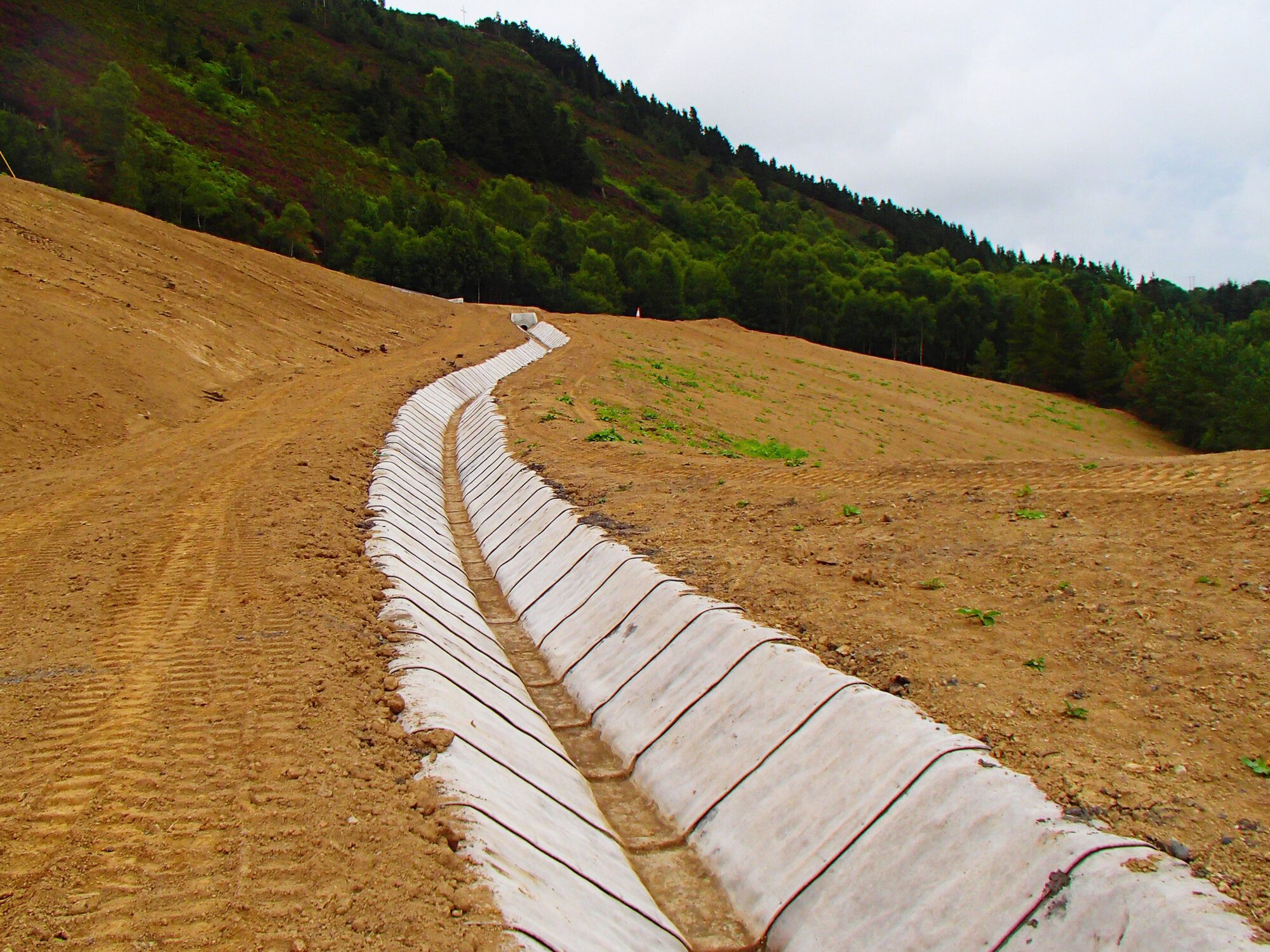
Soil erosion is a major environmental and agricultural challenge in Kenya, affecting both arable land and water catchment areas. It involves the removal of the top fertile soil layer through agents like water, wind, and human activity.
Soil erosion leads to declining soil fertility, poor crop yields, siltation of rivers and dams, and increased vulnerability to climate change. In Kenya, soil erosion is most common in areas with steep slopes, poor land-use practices, deforestation, overgrazing, and erratic rainfall patterns.
To address this issue, both traditional and modern soil erosion control methods are being promoted across the country. These methods aim to reduce the velocity of runoff water, protect the soil surface, and enhance water infiltration. Effective soil conservation not only preserves land productivity but also protects biodiversity, water quality, and livelihoods, especially for smallholder farmers who rely on agriculture.
This article provides a detailed overview of soil erosion control methods in Kenya. It begins by discussing the importance of controlling soil erosion and its impact on agriculture and ecosystems. It then outlines key mechanical control methods such as terraces and check dams.
The third section covers biological approaches like agroforestry and grass planting. The fourth part addresses community-based and policy interventions that support erosion control efforts. Lastly, the article looks into challenges and opportunities in promoting sustainable land management practices in Kenya.
By understanding and implementing effective soil erosion control methods, Kenyan farmers, communities, and policymakers can work together to build resilient agricultural systems and restore degraded landscapes.
Read Also: Soil and Water Conservation in Agriculture
1. Importance of Soil Erosion Control in Kenya
Soil erosion control is critical for sustainable agricultural production and environmental protection in Kenya. The country’s economy and food security heavily depend on agriculture, which is threatened by the loss of fertile topsoil due to erosion. When erosion occurs, valuable nutrients are washed away, leading to soil degradation and declining crop productivity. This directly affects farm incomes, rural food supply, and national economic stability.
Controlling soil erosion also helps protect Kenya’s water catchment areas such as the Mau Forest, Cherangany Hills, and Mt. Kenya region, which supply water to millions of people. Sedimentation from eroded soil can clog rivers, dams, and irrigation systems, reducing water storage and quality.
Moreover, erosion contributes to desertification and the spread of marginal lands, especially in arid and semi-arid areas. This reduces grazing land for livestock and increases competition for natural resources. Soil conservation efforts help preserve biodiversity, stabilize landscapes, and mitigate the effects of climate change such as droughts and floods.
From a social perspective, soil erosion often leads to conflicts over land, migration, and loss of livelihoods. Investing in erosion control is therefore essential for environmental sustainability, economic development, and social stability.
Government agencies, NGOs, and development partners recognize the importance of controlling erosion and have integrated soil and water conservation programs into rural development projects. Farmers are being encouraged to adopt conservation practices not only to safeguard their land but also to contribute to national environmental goals.
2. Mechanical Soil Erosion Control Methods
Mechanical methods are physical structures or land modifications designed to slow down water runoff and reduce the movement of soil. These methods are widely used in Kenya, particularly in hilly and erosion-prone areas.
One of the most common mechanical methods is terracing, especially bench terraces. Terraces are constructed along the contours of sloping land to break the slope and trap soil and water. In places like the Central Highlands and parts of Western Kenya, terracing has been key to preventing gulley formation and enhancing crop production.
Cut-off drains and grass strips are also used to direct runoff water safely without causing soil damage. These are shallow channels that divert water to stable outlets, often reinforced with vegetation to reduce erosion along the path.
Check dams and gabions are small dams or walls made of stones or wire mesh, built across gullies or drainage lines. These structures reduce the speed of flowing water, encourage sediment deposition, and eventually help reclaim gullied land. In arid counties like Makueni and Kitui, check dams are used not only to control erosion but also to recharge groundwater.
Contour plowing is another mechanical approach where farmers plow along the natural contours of the land rather than up and down the slope. This technique slows runoff and enhances water infiltration.
Though effective, mechanical methods can be labor-intensive and may require technical guidance and community cooperation for proper design, construction, and maintenance.
3. Biological Soil Erosion Control Methods
Biological methods involve the use of vegetation and organic practices to reduce erosion, improve soil structure, and enhance ecosystem health. These methods are often low-cost, sustainable, and suitable for integration into smallholder farming systems in Kenya.
Agroforestry, which combines trees with crops or livestock, is one of the most effective biological erosion control strategies. Tree roots help bind the soil, while tree canopies reduce the impact of raindrops that dislodge soil particles. Popular agroforestry species in Kenya include Grevillea, Calliandra, and Sesbania. Agroforestry also provides firewood, fodder, and income through fruit and timber sales.
Grass planting is another widely adopted practice. Grasses like Vetiver, Napier, and Rhodes are planted along contours, terraces, or riverbanks to form natural barriers that trap soil and slow runoff. Grass strips are particularly effective in protecting degraded land and offer additional benefits like animal feed.
Cover cropping involves growing plants such as legumes, sweet potatoes, or groundnuts to cover bare soil and reduce erosion. These crops protect the soil surface, fix nitrogen, and improve organic matter levels.
Mulching is the use of crop residues or organic materials to cover the soil, reduce evaporation, and prevent erosion from wind and rain. Mulching is widely used in dry areas of Kenya and improves moisture retention.
Biological methods not only reduce erosion but also improve soil fertility, crop yields, and biodiversity. Their success, however, depends on consistent maintenance, farmer training, and availability of planting materials.
4. Community-Based and Policy Interventions
Community participation is vital in implementing sustainable soil erosion control. Many successful initiatives in Kenya have emerged through collective action at the village or watershed level.
Water Resource Users Associations (WRUAs) and Community Forest Associations (CFAs) play a major role in mobilizing local people to protect catchment areas and adopt conservation practices. These groups organize tree planting days, build terraces, and monitor land degradation collectively.
Farmer field schools and extension programs educate farmers on best practices for soil conservation. Through demonstrations and peer learning, farmers understand how to apply erosion control techniques on their farms.
At the policy level, Kenya has developed several frameworks to promote sustainable land management, including the National Land Reclamation Policy, National Climate Change Action Plan, and Soil and Water Conservation Manual. County governments have integrated soil conservation into agricultural and environmental programs.
However, implementation of these policies often faces challenges like funding gaps, weak enforcement, and limited coordination among stakeholders. Greater investment in training, infrastructure, and incentives is needed to strengthen policy effectiveness.
Public-private partnerships, youth engagement, and integration of indigenous knowledge are emerging strategies for building more inclusive and resilient soil conservation initiatives.
5. Challenges and Opportunities in Soil Erosion Control
Despite progress, several challenges hinder the widespread adoption of soil erosion control methods in Kenya. Limited awareness, labor shortages, and lack of technical skills prevent many farmers from implementing conservation structures. Some farmers may view erosion control as unproductive or too expensive, especially when immediate financial benefits are not apparent.
Land tenure insecurity also discourages long-term investment in land conservation. In addition, climate variability—characterized by unpredictable rainfall and extreme events—complicates erosion control efforts and damages existing structures.
Nonetheless, there are growing opportunities to scale up soil conservation in Kenya. The increasing availability of GIS and remote sensing tools allows better mapping of erosion-prone areas and targeted interventions. Development organizations and county governments are also providing training, seedlings, and incentives to support conservation farming.
Climate finance, through global initiatives such as REDD+ and the Green Climate Fund, offers potential funding for soil and landscape restoration projects. Kenya’s engagement in international environmental commitments strengthens its capacity to attract such support.
Promotion of conservation agriculture, climate-smart practices, and integrated watershed management holds great promise. Empowering women and youth in soil conservation can also drive innovation and community ownership.
In conclusion, controlling soil erosion is essential for securing Kenya’s agricultural future. With strong community engagement, supportive policies, and sustainable practices, Kenya can restore degraded land, improve food production, and build resilience against climate change.
Read Also: Domestic waste complete management guide
- AuthorPosts
- You must be logged in to reply to this topic.