



Public Group
Active 8 months, 1 week ago
Group Type By Country
Group Leadership
- Group Administrators
-

Kenya Farmers Community
Tea Farming Profit in Kenya
- This topic is empty.
- AuthorPosts
- July 21, 2025 at 1:10 pm #668296

 Agric4ProfitsModerator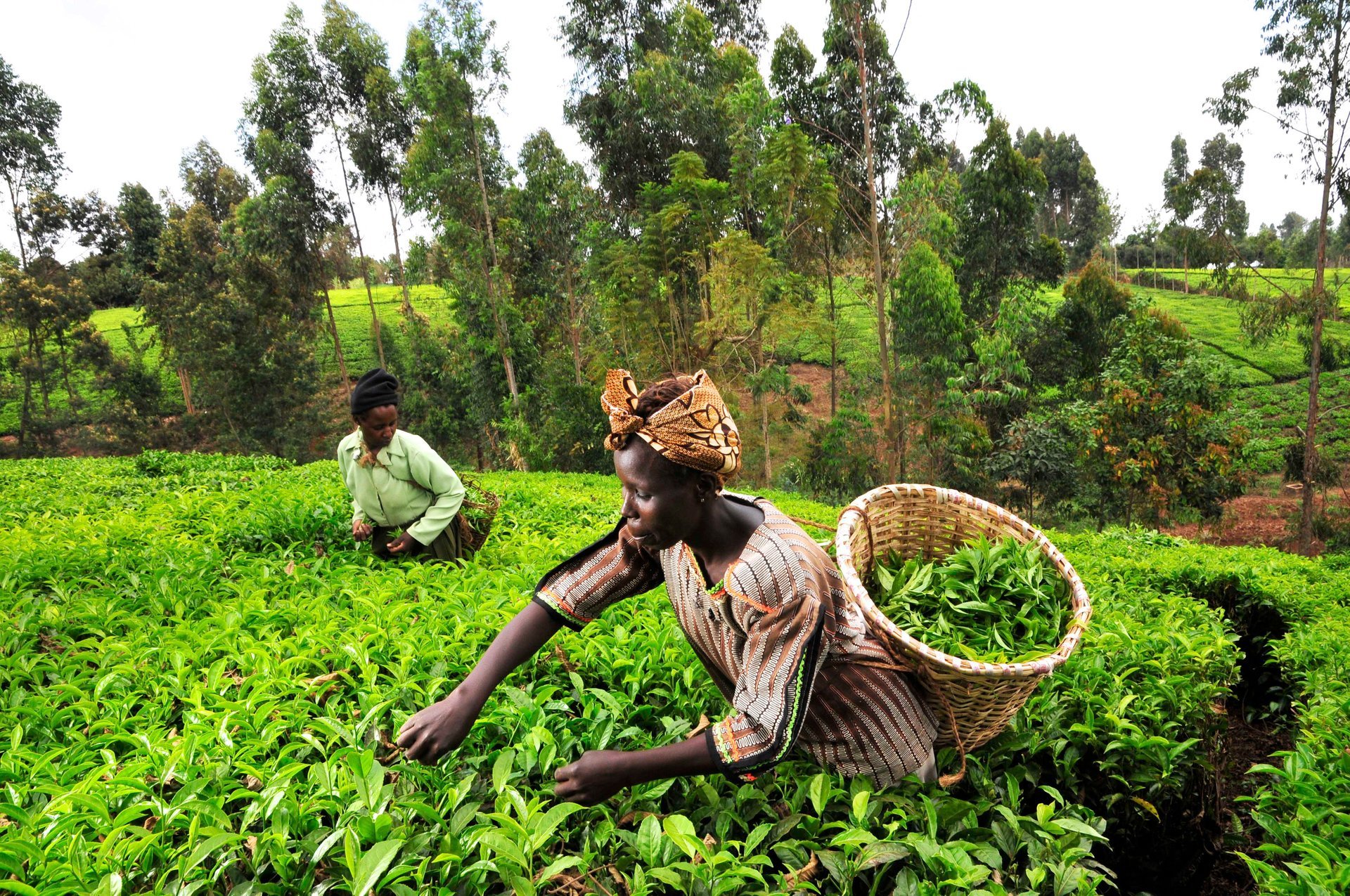
Tea farming remains one of the most profitable agricultural ventures in Kenya. As the country’s leading export crop, tea generates income for thousands of small-scale farmers and large estate owners. The crop is grown mainly in high-altitude regions where there is reliable rainfall and cool temperatures. Areas such as Kericho, Bomet, Nyamira, Murang’a, Kiambu, Nandi, and Embu are famous for their high-quality tea production.
Kenyan tea is globally recognized for its strong aroma, deep color, and high antioxidant content. This quality has made Kenya the leading exporter of black tea in Africa and one of the top producers worldwide. With increasing global demand and steady local consumption, tea farming continues to offer consistent profits to disciplined and well-informed farmers.
This article explores the different aspects that influence tea farming profit in Kenya. These include the initial costs of setting up a tea farm, the average yield and expected income per acre, cost management and labor needs, the role of cooperative societies and factories, and finally, market access and export potential.
Each section provides a deeper look into the key financial areas a tea farmer must understand to make the business sustainable and profitable. From planting the right variety of tea bushes to understanding payment cycles from factories, this article offers detailed guidance.
Whether you are already farming tea or planning to start, this information will help you calculate expected returns, minimize losses, and maximize profit from tea farming in Kenya. With proper management, even a small tea farm can deliver consistent income year after year, making tea farming a dependable source of livelihood.
1. Starting Costs and Investment in Tea Farming
Starting a tea farm in Kenya involves several costs that must be planned carefully. The initial investment includes land preparation, purchasing seedlings, labor for planting, and the cost of fertilizers. For farmers starting from scratch, acquiring land is the biggest cost, though those who already own farmland can begin with a much smaller budget.
To plant tea, land must be cleared, tilled, and terraced, especially in hilly areas to prevent soil erosion. Planting holes are dug and filled with compost or well-rotted manure. Tea seedlings cost between fifteen and twenty shillings each, and an acre typically requires about five thousand seedlings depending on spacing. This means that seedlings alone may cost between seventy-five thousand and one hundred thousand shillings per acre.
Labor is another major cost at the beginning. You will need workers to dig planting holes, transport seedlings, and maintain the bushes during the early stages. Wages vary by region, but on average, labor costs may reach another fifty thousand shillings in the first year.
Fertilizers such as NPK are applied to promote root development and growth. These are needed several times during the year and may cost about twenty thousand shillings per acre. Pest and disease control, though minimal in tea farming, may still require some funds for chemicals and spraying equipment.
Other costs include fencing, pruning tools, watering equipment if the area is dry, and transport for farm inputs. Some farmers may also invest in simple irrigation systems or build shade structures to protect young seedlings during dry months.
In total, setting up a tea farm can cost between one hundred and fifty thousand to two hundred thousand shillings per acre in the first year. While this may seem expensive, tea bushes last over thirty years and start generating income within two to three years, making the investment worthwhile.
Read Also: Step-by-step guide on how to write a business plan for rabbit farming
2. Expected Yield and Income Per Acre
The profitability of tea farming in Kenya depends heavily on the yield per acre and the price paid by factories or buyers. Once mature, a well-managed tea farm can produce consistent harvests every two weeks during the rainy season and once a month during dry periods. On average, a mature tea bush yields about five to six kilograms of green leaf per year.
An acre of tea can hold between five thousand and six thousand bushes. This means a healthy farm can produce about thirty thousand kilograms of green leaf per year. However, the actual yield may vary depending on soil fertility, rainfall, bush management, pruning practices, and the age of the tea plants.
Tea factories buy green leaf from farmers and process it into black tea. The Kenya Tea Development Agency and private factories pay farmers based on the weight of green leaf delivered. The payment is usually done in two parts: a monthly payment and an annual bonus known as a second payment.
The average factory payment ranges between twenty and thirty-five shillings per kilogram of green leaf. This means that if a farmer delivers thirty thousand kilograms per year at an average of twenty-five shillings per kilogram, total gross income will be around seven hundred and fifty thousand shillings per acre annually.
From this, production costs such as labor, fertilizer, plucking charges, and transport must be deducted. These may amount to between two hundred and fifty thousand and three hundred thousand shillings per year. This leaves a net income of about four hundred and fifty thousand to five hundred thousand shillings per acre, depending on efficiency and farm location.
In areas where tea is grown under optimal conditions and sold to high-paying factories or exported directly, profits can be even higher. Over time, as the bushes mature and the farmer adopts good agricultural practices, the yield and profit per acre can improve significantly.
3. Managing Labor and Operating Costs
Labor is one of the most important and recurring costs in tea farming. Unlike crops harvested once or twice a year, tea is plucked every few weeks. This means that the farm must employ or contract pluckers regularly, especially during the high season when the bushes flush quickly.
A typical tea plucker can harvest between twenty and thirty kilograms of green leaf per day. Payment is usually made per kilogram, ranging from three to six shillings depending on region and labor availability. On a productive acre that yields over two thousand kilograms of leaf monthly, labor costs can add up to about ten to fifteen thousand shillings each month.
Other labor needs include pruning, weeding, application of fertilizers, and general maintenance of the farm. Pruning is done every two to three years to stimulate new growth. Weeding must be done regularly to reduce competition for nutrients and water. These tasks may require casual workers or permanent employees depending on the size of the farm.
Fertilizer is applied at least twice per year. The recommended amount is about one hundred kilograms per application per acre, costing about five to six thousand shillings per bag. Therefore, fertilizer costs can reach between twenty thousand and thirty thousand shillings per year. Additional inputs such as manure, mulch, and pest control may also add to the budget.
Transportation of green leaf from the farm to the factory is either handled by the factory or paid for by the farmer, especially in areas without factory collection centers. This cost can range from one to three shillings per kilogram depending on distance.
Efficient cost management requires keeping detailed records of all inputs and expenses. Farmers should aim to minimize waste, avoid overreliance on expensive inputs, and use cooperative buying strategies where possible. With careful labor planning and input control, farmers can maintain healthy profit margins even when market prices fluctuate.
4. Cooperative Societies and Payment Structures
Most small-scale tea farmers in Kenya are members of tea cooperative societies that are affiliated with the Kenya Tea Development Agency. These societies play a central role in the marketing, processing, and payment systems for green leaf. Understanding how cooperatives operate is essential for maximizing profit and reducing exploitation.
When a farmer becomes a member of a cooperative, they deliver their green leaf to the nearest tea buying center managed by that society. The leaf is then weighed, recorded, and transported to the nearest factory for processing. Each kilogram delivered is logged in the farmer’s record for future payment.
Payment is made in two stages. The first is a monthly payment, usually between fifteen and twenty-five shillings per kilogram depending on the factory’s sales performance and operating costs. The second payment, known as the bonus or second payment, is made annually around October or November. This bonus can range from ten to twenty shillings per kilogram based on export prices, currency strength, and factory efficiency.
Cooperative societies deduct certain charges from farmers’ payments. These include transportation costs, factory fees, loan repayments if any, and contributions to community projects or infrastructure. While these deductions are necessary for operations, transparency is critical. Farmers are encouraged to attend annual general meetings and participate in electing accountable leaders.
Some farmers have opted out of cooperative societies and now sell their tea directly to private factories or exporters. This model offers higher prices in some cases but requires strict quality control and consistent supply. Others have formed self-help groups to collectively negotiate better rates or set up mini-processing units.
Choosing the right cooperative or marketing path is essential for long-term profitability. Farmers should regularly assess their society’s performance, compare payout rates, and push for reforms where needed. With effective governance, cooperative societies can ensure fair payment, reduce losses, and strengthen the economic position of smallholder tea farmers in Kenya.
5. Market Access and Profit Maximization
Access to the right market is one of the most important factors in maximizing profit from tea farming. The majority of Kenyan tea is sold through the Mombasa Tea Auction, one of the largest tea trading centers in the world. Prices at the auction are influenced by global demand, seasonal supply, currency exchange rates, and the quality of the tea.
For most small-scale farmers, the path to the auction is through the Kenya Tea Development Agency and its affiliated factories. While this system offers structure and stability, it also means that farmers have little control over pricing or who buys their tea. To maximize profit, some farmers are exploring direct export or value addition.
Farmers who process and package their own tea can earn higher profits by selling to supermarkets, local consumers, or international buyers. This requires investment in processing equipment, branding, certification, and marketing. While this model works best for medium to large-scale farmers, smallholders can participate through cooperatives or partnerships with local entrepreneurs.
Another way to increase profits is by improving tea quality. High-grade leaf earns better prices, both locally and internationally. This involves proper plucking techniques, clean handling, timely delivery, and avoiding contamination. Some factories pay premium rates for high-quality leaf, encouraging farmers to maintain standards.
Farmers can also explore specialty tea markets such as purple tea, green tea, and organic tea. These niche products attract higher prices and appeal to health-conscious consumers. Growing such varieties may require new farming practices but the profit potential is significantly higher.
Finally, access to timely information on prices, weather, and market trends can help farmers make better decisions. Mobile apps, agricultural extension officers, and cooperative bulletins are useful tools. When farmers are informed, they can plan harvests, manage costs, and negotiate better rates.
In conclusion, tea farming in Kenya remains profitable when managed professionally. By controlling costs, maintaining quality, choosing the right marketing channel, and staying informed, a farmer can turn tea into a reliable and growing source of income.
Read Also: The products derived from dog waste
- AuthorPosts
- You must be logged in to reply to this topic.