



Public Group
Active 8 months, 1 week ago
Group Type By Country
Group Leadership
- Group Administrators
-

Kenya Farmers Community
Types of Cash Crops in Kenya
- This topic is empty.
- AuthorPosts
- August 22, 2025 at 11:31 am #673522

 Agric4ProfitsModerator
Cash crops are agricultural products grown primarily for sale rather than for personal consumption. In Kenya, cash crop farming plays a major role in both household income and the national economy. These crops are cultivated with the aim of generating profit either in local markets or through export. Kenya’s diverse climate, ranging from tropical to temperate zones, allows for the production of a wide variety of cash crops throughout the year.
Historically, the development of Kenya’s agricultural sector has been centered around key cash crops such as tea, coffee, and sugarcane. These crops have long served as major export earners, providing livelihoods to millions of farmers and contributing significantly to foreign exchange earnings. Over the years, other high-value crops such as flowers, fruits, and nuts have gained prominence, particularly in regions with access to international markets.
The success of cash crop farming in Kenya depends on several factors including climate suitability, soil conditions, access to markets, input availability, and government support. With growing global demand for organic and exotic produce, Kenyan farmers are increasingly diversifying into non-traditional cash crops to meet both local and international demand.
This article explores the major types of cash crops grown in Kenya, focusing on their production zones, economic importance, and potential for growth. These include tea, coffee, horticultural produce, sugarcane, and pyrethrum. Each section outlines key characteristics of the crop, areas where it is grown, and challenges and opportunities associated with its farming. Whether you are a farmer looking to switch to commercial production or an investor exploring the agriculture sector, understanding Kenya’s cash crop landscape is essential for making informed decisions.
1. Tea


Tea is the leading cash crop in Kenya, both in terms of production volume and export earnings. It contributes significantly to the country’s GDP and provides employment to over 600,000 smallholder farmers who are organized under the Kenya Tea Development Agency (KTDA), as well as large-scale estates. Kenya is among the top three tea exporters in the world, known for producing high-quality black tea that is in demand globally.
Tea is predominantly grown in the highland areas with cool temperatures, adequate rainfall, and deep, acidic soils. Major tea-growing regions include Kericho, Bomet, Nandi, Nyamira, Meru, Embu, Kirinyaga, Murang’a, and parts of Nyeri. These areas provide ideal agro-climatic conditions that support the perennial growth of tea bushes.
The main varieties of tea cultivated are black tea, with some producers also growing specialty teas such as green, white, and purple tea for niche markets. Tea is typically harvested throughout the year, which provides farmers with continuous income. Most of the tea is processed through tea factories managed by KTDA or private companies before being auctioned in Mombasa or exported directly.
Despite its success, tea farming faces challenges such as climate change, declining prices in global markets, and increasing production costs. However, there are opportunities for value addition, branding, and diversification into specialty teas that can fetch higher prices. Farmers are also being encouraged to adopt climate-smart practices and to explore direct marketing channels to increase their earnings.
Tea remains a cornerstone of Kenya’s agriculture and is a profitable option for both smallholders and commercial investors seeking long-term returns in the cash crop sector.
Read Also: Measures of Improving Field Crop Production
2. Coffee


Coffee is one of Kenya’s most valuable traditional cash crops, known worldwide for its rich flavor and high quality. Grown mainly in the high-altitude regions of central Kenya, coffee has long been a key foreign exchange earner for the country and a vital source of income for thousands of farmers. Kenyan coffee is particularly prized in specialty markets across Europe, North America, and Asia.
The main coffee-growing counties include Kiambu, Murang’a, Kirinyaga, Nyeri, Embu, Machakos, Meru, and parts of Bungoma and Kisii. These areas offer favorable conditions such as volcanic soils, moderate temperatures, and adequate rainfall that are essential for the cultivation of Arabica coffee, the dominant variety in Kenya. Robusta coffee is grown on a smaller scale, mainly in lower altitude regions.
Coffee is usually grown under smallholder systems, with farmers organized into cooperatives that manage processing and marketing. The beans are processed through wet or dry methods before being auctioned at the Nairobi Coffee Exchange or sold directly to overseas buyers. The coffee industry has undergone reforms to improve transparency, farmer earnings, and traceability of produce.
Challenges facing coffee farmers include aging trees, low productivity, pests such as coffee berry disease, and fluctuating global prices. However, new initiatives like youth coffee farming programs, improved seed varieties, and direct-to-market sales are revitalizing the sector. Exporters are also focusing on premium and organic coffee to attract niche markets that offer better returns.
For agripreneurs and cooperatives willing to invest in quality and sustainability, coffee farming remains a viable and respected cash crop. With the right support and market access, Kenya’s coffee sector still holds strong potential for growth and profitability.
3. Horticultural Produce


Horticulture is one of the fastest-growing segments in Kenya’s agricultural sector and a top foreign exchange earner. It includes the production of vegetables, fruits, herbs, and flowers, much of which is grown for export to Europe and the Middle East. The sector supports millions of livelihoods and offers numerous agribusiness opportunities for small-scale and commercial farmers.
Key horticultural products include French beans, snow peas, baby corn, mangoes, passion fruits, avocados, bananas, pineapples, chilies, and herbs such as basil and rosemary. The most prominent export flowers are roses and carnations, grown mainly around Lake Naivasha, Thika, and Mount Kenya regions. Vegetables and fruits are cultivated widely in Kirinyaga, Meru, Nakuru, Kiambu, Machakos, and parts of Rift Valley and Western Kenya.
Export-oriented horticulture requires adherence to strict quality standards such as GlobalG.A.P., which ensure food safety, traceability, and environmental compliance. Many smallholder farmers work in partnership with exporters who provide inputs, training, and access to global markets.
Horticulture is attractive due to its short production cycles and high market demand. Unlike traditional cash crops that take years to mature, horticultural crops can start generating income within weeks or months. This makes them ideal for farmers with limited land or capital.
Despite its advantages, horticulture faces challenges such as market volatility, perishability, and pest infestations. However, with cold storage, irrigation systems, and improved logistics, these risks can be managed effectively. There is also rising local demand for fresh produce in urban areas, creating domestic marketing opportunities.
Horticulture remains a versatile and profitable cash crop venture that can be tailored to different scales of production. It is especially suitable for youth and women looking for quick, market-driven returns.
4. Sugarcane
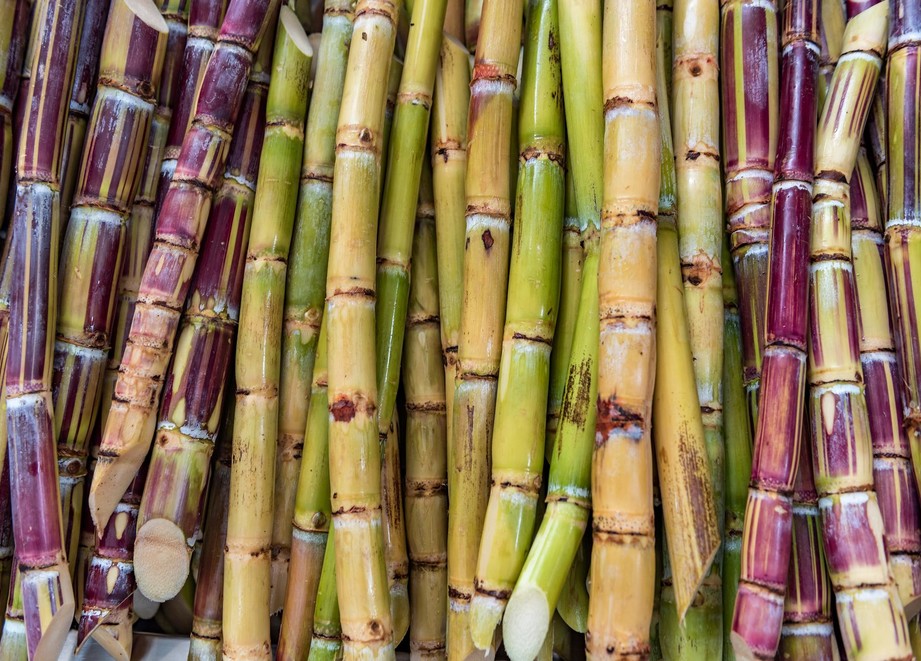

Sugarcane is a major cash crop in the western part of Kenya, particularly in counties such as Kakamega, Bungoma, Busia, Kisumu, and parts of Nandi and Trans Nzoia. It plays a critical role in rural employment, household incomes, and industrial development, especially through the production of sugar and its by-products.
The crop requires a tropical climate with adequate rainfall and fertile soils. Sugarcane is typically grown under both smallholder and estate farming models. Farmers usually deliver their harvest to nearby sugar factories, where it is crushed and processed into raw or refined sugar, molasses, and bagasse used for energy generation.
Sugarcane has a long growing cycle of 12 to 18 months, depending on the variety and climate. While this means returns are not immediate, the harvest can be substantial and consistent when properly managed. Income is earned through cane delivery payments and potential bonuses from sugar companies.
The sector has experienced several challenges including delayed payments, mismanagement of factories, import competition, and outdated farming methods. These issues have led to reduced profitability for farmers. However, the government has initiated reforms aimed at revitalizing the sugar industry by leasing factories, encouraging private investment, and promoting better pricing structures.
Farmers are also being encouraged to adopt new varieties, mechanized harvesting, and sustainable farming practices to improve yields and reduce costs. With reforms and innovation, sugarcane can continue to be a viable cash crop, especially in regions where climatic conditions favor its growth.
Frequently Asked Questions
1. What are cash crops in Kenya?
Cash crops are crops grown mainly for sale and income rather than for family consumption.
2. Which are the main cash crops grown in Kenya?
The major ones include tea, coffee, horticultural produce (fruits, vegetables, flowers), and sugarcane.
3. Why are cash crops important to Kenya’s economy?
They provide household income, create jobs, and earn foreign exchange through exports.
4. Where are Kenya’s main cash crops grown?
Tea is grown in highland regions, coffee in central counties, horticulture around Mount Kenya and Rift Valley, and sugarcane in western Kenya.
5. What challenges face cash crop farming in Kenya?
Farmers deal with fluctuating prices, climate change, pests, diseases, and high production costs.
Read Also: Top 10 countries with worst pollution
- AuthorPosts
- You must be logged in to reply to this topic.