



Public Group
Active 8 months, 1 week ago
Group Type By Country
Group Leadership
- Group Administrators
-

Nigeria Farmers Community
Best Maize Seed for Planting in Nigeria: A Complete Guide for Farmers and Agribusiness Owners
- This topic is empty.
- AuthorPosts
- July 16, 2025 at 12:16 pm #667732

 Agric4ProfitsModerator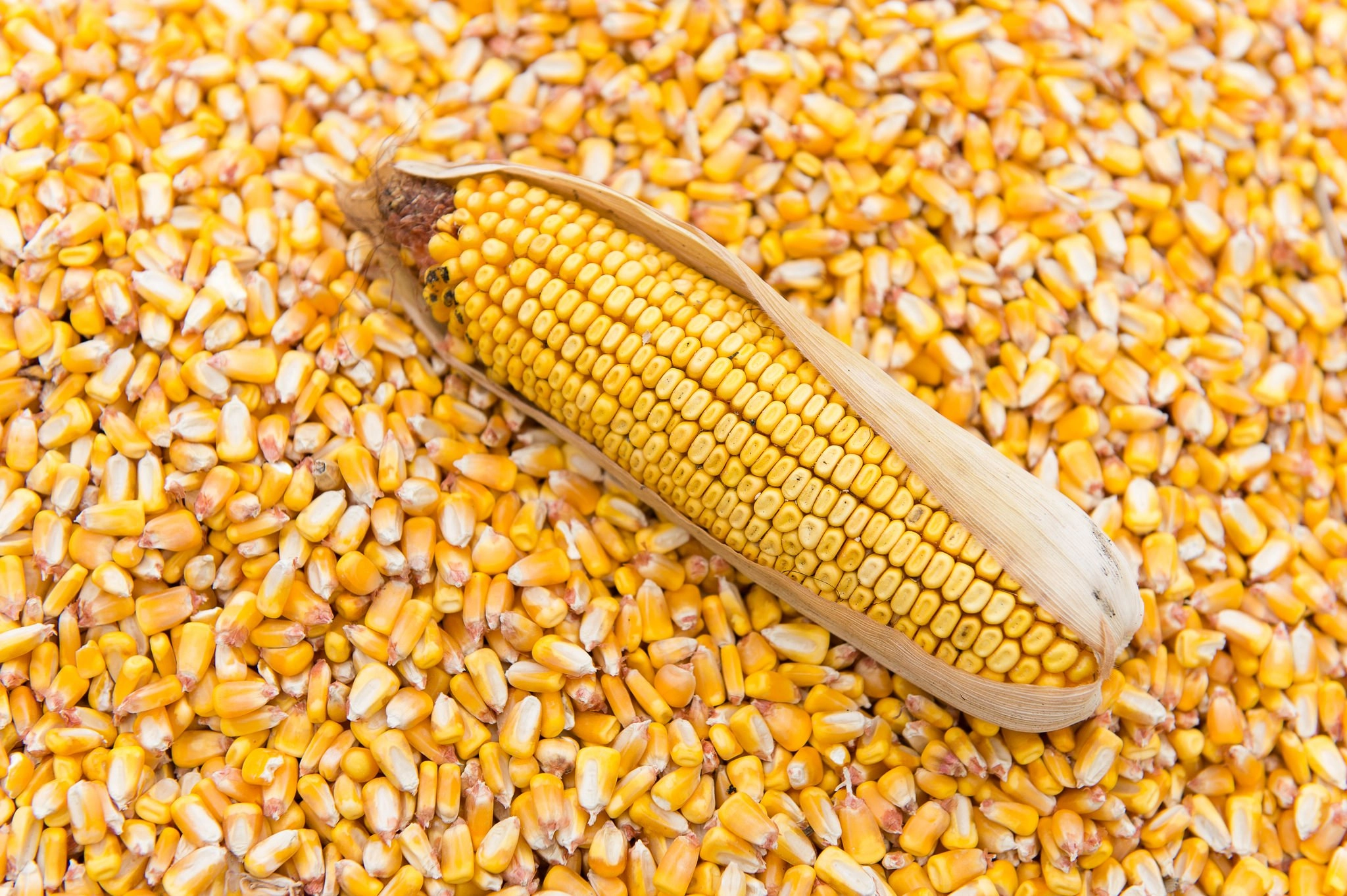
Maize Seed is one of the most widely cultivated cereal crops in Nigeria and a major staple in the diet of millions of Nigerians. It is used for both human consumption and animal feed and also serves as a raw material in various industrial processes.
Because of its economic importance, maize farming continues to attract attention from farmers, agribusiness investors, and policymakers across the country. However, one of the most important factors that determine the success of a maize farm is the quality and type of maize seed used for planting. This article is designed to guide farmers on how to choose the best maize seed for planting in Nigeria.
In this article, you will learn about the different types of maize seeds available in the country and how to identify the most suitable ones based on your location, climate, and farming goals. We will also explore the advantages of using improved and hybrid maize varieties, how to source certified seeds, and what to consider when selecting seeds for commercial or subsistence farming. Whether you are a beginner or an experienced maize farmer, understanding seed selection can make a big difference in your crop yield and overall profitability.
Expect to find detailed information on the performance characteristics of different maize seed varieties such as maturity period, drought tolerance, disease resistance, and yield potential. You will also learn about the role of research institutions in seed development and how government agencies support seed distribution.
In addition, we will provide practical tips on how to avoid fake or low-quality seeds in the market. By the end of this article, you will be equipped with the knowledge needed to make informed decisions about maize seed selection and to boost the productivity of your maize farm.
1. Understanding Maize Seed Varieties in Nigeria
There are several maize seed varieties available in Nigeria, each developed to suit specific environmental and farming conditions. Generally, maize seeds can be categorized into three main types: open-pollinated varieties, hybrid varieties, and genetically modified varieties. Among these, open-pollinated and hybrid maize seeds are the most commonly used by Nigerian farmers.
Open-pollinated varieties are traditional types that can be replanted for several seasons. They are often preferred by smallholder farmers because of their affordability and ability to adapt to local conditions.
However, they tend to have lower yield potential compared to hybrids. Hybrid maize seeds, on the other hand, are developed by crossing two genetically distinct parent lines to produce a seed with superior traits such as higher yields, better disease resistance, and early maturity.
Hybrid seeds do not retain their improved qualities when replanted, which means farmers need to buy new seeds each planting season. Despite this, many farmers prefer hybrid varieties due to their impressive performance in both rain-fed and irrigated farming systems. Some common hybrid maize varieties found in Nigeria include SC 719, Oba Super 2, Oba 98, and SAMMAZ series.
Another important classification of maize seeds is based on their maturity period. Early maturing varieties are ideal for regions with short rainfall duration, while late-maturing types are better suited to areas with longer rainy seasons. Understanding the characteristics of different maize seed varieties allows farmers to select the ones that align best with their local environment and production goals.
Read Also: How Weed Control affects Maize Farms in Nigeria
2. Top Recommended Maize Seed Varieties for Nigerian Farmers
Several maize seed varieties have been tested and recommended by agricultural research institutions and seed regulatory agencies in Nigeria. These varieties have been proven to perform well under different agro-ecological zones and are widely available through certified seed companies. Choosing from these recommended varieties increases the chances of achieving higher productivity and profitability.
One of the most popular varieties is the SAMMAZ series, developed by the Institute for Agricultural Research (IAR), Ahmadu Bello University. Varieties like SAMMAZ 14, SAMMAZ 15, and SAMMAZ 17 are known for their early maturity, high yield, and resistance to common maize diseases. These varieties are suitable for both northern and southern parts of Nigeria and have become the preferred choice for many commercial farmers.
Another reliable option is the Oba Super series developed by Premier Seeds. Oba Super 2 and Oba Super 3 are hybrid varieties that offer excellent yield potential, with good resistance to streak virus and downy mildew. They also have short maturity periods and are ideal for regions with unpredictable rainfall.
SC 719 and SC 651 are hybrid maize varieties developed by Seed Co, a leading seed company in Africa. These varieties are designed for high productivity, pest resistance, and strong drought tolerance. They are often recommended for commercial farming operations and are widely used in Nigeria’s maize belt, particularly in the middle belt and northern regions.
Farmers should also consider varieties like PAN 53, EVDT Y STR, and TZL Comp. 1 for their adaptability and reliable performance. The best choice depends on your location, farming season, and purpose of production. Before making a final decision, consult with local agricultural extension officers or certified seed dealers for guidance on the most suitable variety for your area.
3. Factors to Consider When Choosing Maize Seeds
Choosing the best maize seed for planting involves more than just picking a popular brand or variety. It requires careful consideration of several key factors that affect crop performance and overall farm productivity. By evaluating these factors, farmers can make informed decisions that reduce risk and maximize returns.
One of the most important factors is the agro-ecological zone where the maize will be planted. Nigeria has different zones with varying rainfall patterns, temperatures, and soil types. Maize varieties that perform well in the humid south may not do as well in the arid north. Farmers must choose seeds that are bred to thrive in their specific environment.
Another critical factor is the maturity period of the maize seed. Early maturing varieties are suitable for areas with short rainy seasons or for farmers who want to plant multiple times in a year. Medium and late maturing varieties may produce larger cobs but require a longer growing season. The choice depends on the planting window and expected harvesting period.
Yield potential is also a major consideration. Hybrid seeds typically offer higher yields than open-pollinated ones, but they come at a higher cost. Farmers should weigh the cost of purchasing hybrid seeds against the expected income from the harvest. Disease and pest resistance should also be considered to reduce losses and input costs related to pesticides.
Purpose of cultivation matters as well. If the maize is for home consumption, affordability and reusability might be prioritized. For commercial farming or processing, traits like kernel quality, size, and storage ability are more important. Lastly, always buy from certified seed companies to avoid fake or adulterated seeds that can ruin your harvest.
4. Where and How to Source Quality Maize Seeds
Sourcing high-quality maize seeds is essential to achieving a successful farming season. Unfortunately, the Nigerian seed market is often flooded with adulterated or substandard seeds that can lead to poor germination, low yields, and financial losses. To avoid these issues, farmers must know where and how to get certified maize seeds.
One reliable source is through registered seed companies and agricultural input dealers. Companies such as Premier Seeds, Seed Co, Maslaha Seeds, and Value Seeds are known for producing and distributing certified hybrid and open-pollinated maize varieties. These companies often collaborate with research institutions and regulatory agencies to ensure seed quality and performance.
Another good source is agricultural research institutes like the Institute for Agricultural Research (IAR), National Agricultural Seeds Council (NASC), and International Institute of Tropical Agriculture (IITA). These institutions not only develop improved seed varieties but also supervise their multiplication and certification. Buying directly from their outlets or recommended partners guarantees authenticity.
Farmers can also purchase seeds from government-supported programs or cooperative societies. These programs often offer seeds at subsidized prices and sometimes provide training on best planting practices. Local extension offices and agricultural development programs are useful points of contact for accessing these resources.
When buying maize seeds, always check the label on the package for important details such as variety name, certification number, production date, and expiry date. Avoid buying from roadside vendors or unverified sources. Store seeds in a cool, dry place before planting to preserve viability. By taking these precautions, farmers can ensure they are starting the season with the best possible seeds.
5. Maximizing Yield with the Right Seed and Best Practices
Choosing the right maize seed is only one part of the equation. To achieve maximum yield, farmers must also adopt best agricultural practices that support healthy crop growth and reduce losses. Combining good seed selection with proper land preparation, planting, and crop management ensures a productive harvest.
Start with soil preparation by clearing, plowing, and harrowing the land. Conducting a soil test is recommended to determine nutrient levels and identify any deficiencies. Based on the results, apply the necessary fertilizers or organic manure to enrich the soil. Proper land preparation creates a good foundation for seed germination and root development.
Timely planting is crucial for maize farming. Plant during the early part of the rainy season to ensure the crop receives enough water during its critical growth stages. Use recommended spacing to allow adequate air flow and light penetration. Avoid planting too deep or too shallow to ensure proper emergence.
Apply fertilizers in line with agronomic guidelines, using a combination of organic and inorganic inputs. Nitrogen, phosphorus, and potassium are essential for maize growth. Fertilizer application should be split between the planting stage and later growth stages for best results. Weeding should be done regularly to prevent competition for nutrients.
Pest and disease control is also essential. Monitor the crop regularly and take action at the first sign of infestation. Use approved herbicides, insecticides, or biological control methods as needed. Practicing crop rotation and avoiding continuous planting on the same land helps reduce disease build-up.
Finally, ensure proper harvesting and storage. Harvest at the right time when the grains are fully matured and dry. Store maize in cool, dry, and well-ventilated areas to prevent mold and pest damage. By combining high-quality seeds with effective farm practices, farmers can significantly boost maize yield and profitability.
Read Also: Tools for air water and soil analysis
- AuthorPosts
- You must be logged in to reply to this topic.