



Public Group
Active 8 months, 1 week ago
Group Type By Country
Group Leadership
- Group Administrators
-

Nigeria Farmers Community
How to Start Cabbage Farming in Nigeria
- This topic is empty.
- AuthorPosts
- July 15, 2025 at 10:47 am #667451

 Agric4ProfitsModerator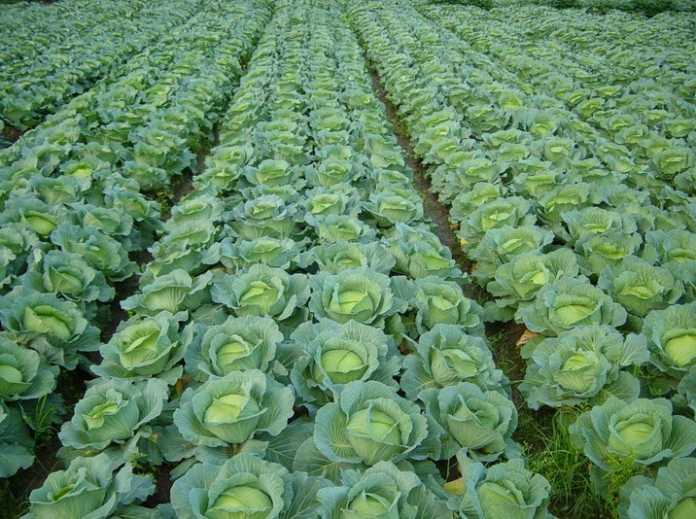
Cabbage farming in Nigeria is a profitable and increasingly popular agribusiness due to the high demand for fresh vegetables across homes, restaurants, and food markets. Cabbage is a leafy green vegetable consumed widely in salads, stews, and traditional meals. It is rich in vitamins A and C, fiber, and antioxidants, making it a favorite among health-conscious consumers and urban households.
This article is a step-by-step guide for anyone interested in starting a cabbage farming business in Nigeria. Whether you are a new farmer, a backyard gardener, or an experienced agriculturist looking to venture into vegetable cultivation, this guide will equip you with the essential knowledge to grow and profit from cabbage.
Cabbage grows well in several parts of Nigeria, especially in the North and Middle Belt regions where the climate is cooler. However, with the right planning and irrigation, it can also be cultivated successfully in other parts of the country.
We will cover key areas such as selecting the right cabbage variety, preparing the land for planting, seedling production and transplanting, pest and disease control, and post-harvest handling and marketing strategies. Each stage of the cabbage farming process requires careful attention to detail, but with the right methods, the crop offers high returns in a short period—usually between 70 to 90 days after transplanting.
Cabbage farming can be done on a small scale with as little as a quarter acre or scaled up to several hectares depending on land and resources. The profitability is influenced by factors such as timing, pest control, water availability, and access to markets.
By the end of this article, you will understand how to set up and manage a successful cabbage farm from scratch. Let us begin with how to choose the right variety for your location and goals.
1. Selecting the Right Cabbage Variety
The first and most important step in cabbage farming is selecting the appropriate variety for your location, soil type, and market demand. Cabbage comes in several types, each with its unique growing conditions, maturity period, and market preference. Choosing the right variety can greatly influence your farm’s productivity and profit margin.
There are two main categories of cabbage varieties in Nigeria: open-pollinated and hybrid. Open-pollinated varieties such as Copenhagen Market and Glory of Enkhuizen are affordable and suitable for small-scale farmers. However, they often produce smaller heads and are more susceptible to pests and diseases. Hybrid varieties like Green Challenger, Oxylus F1, and Super Cabbage F1 are more expensive but yield larger, firmer heads and have better resistance to common diseases.
Hybrid varieties are highly recommended for commercial cabbage farming because of their uniform growth, higher yields, and adaptability to different climatic conditions. However, they require good soil fertility and proper care to perform well.
Cabbage grows best in cooler temperatures between 15 to 25 degrees Celsius. This makes states like Plateau, Kaduna, Jos, and parts of Ogun and Oyo ideal for cultivation. However, with good irrigation and shade netting, cabbage can be grown in warmer regions as well, particularly during the dry season when pest pressure is lower.
When choosing your seeds, ensure you buy from certified seed dealers and select varieties that mature within 70 to 90 days. This will help you plan for multiple harvests per year and take advantage of off-season prices.
Choosing the right variety from the start will increase your chances of success and ensure a consistent harvest that meets market standards.
Read Also: Step-by-Step Guide on How to Plant Cabbage for a Successful Harvest
2. Land Preparation and Soil Management
Proper land preparation and soil management are key to achieving a healthy cabbage crop. Cabbage requires well-drained, loamy soil rich in organic matter and nutrients. The soil should have a pH between 6.0 and 6.5, which supports optimal root development and nutrient absorption.
Start by clearing the land of weeds, debris, and previous crop residues. This helps reduce the presence of pests and soil-borne diseases. After clearing, plough and harrow the soil thoroughly to break it into fine particles. This will create a good tilth that allows roots to penetrate easily and promotes even water distribution.
Cabbage roots are shallow, so the soil needs to be loose and fertile. Before planting, apply well-rotted poultry manure or compost at the rate of 20 to 30 tons per hectare. Organic manure improves soil structure and increases microbial activity. You can also use NPK fertilizer in addition to organic matter. Apply it in split doses before and after transplanting.
To improve water drainage, especially in areas with heavy rainfall or clay soils, create raised beds or ridges. This prevents waterlogging, which can lead to root rot and stunted growth. If you are farming during the dry season, install irrigation systems such as drip lines or watering cans to ensure steady moisture.
Conduct a soil test if possible to know the nutrient composition and apply lime or fertilizers accordingly. Rotate cabbage with other crops like maize, okra, or legumes to prevent soil exhaustion and reduce pest build-up.
A well-prepared and fertile soil sets the stage for strong seedlings and abundant harvests.
3. Nursery Management and Transplanting
Cabbage is best started in a nursery before transplanting to the main field. This allows for better germination, monitoring, and care of young plants in a controlled space. Nursery preparation is simple but must be done with care to ensure strong seedlings.
Begin by choosing a shaded area or constructing a temporary shade with palm fronds, netting, or bamboo. Mix topsoil with compost or decomposed manure in equal ratio to make a rich, well-drained medium. Fill seed trays or small nursery beds with the soil mixture.
Sow seeds by making shallow furrows about 1 cm deep, spacing them about 3 cm apart. Cover lightly with soil and water gently. Water daily in the morning or evening, but avoid overwatering to prevent damping-off disease. Germination occurs within 5 to 7 days.
Once the seedlings reach about 10 to 15 cm in height and develop 3 to 5 true leaves, they are ready for transplanting. This usually takes 3 to 4 weeks after sowing. Before transplanting, harden the seedlings by gradually exposing them to sunlight for a few hours daily. This reduces transplant shock.
Transplant in the early morning or late afternoon when the sun is not too harsh. Use spacing of about 45 cm between plants and 60 cm between rows to give each cabbage enough room to form a full head. Water immediately after transplanting and mulch the base of each plant to conserve moisture and suppress weeds.
A healthy nursery and careful transplanting process will result in vigorous plants and higher field survival.
4. Pest and Disease Management
Pest and disease control is crucial in cabbage farming, as vegetables are often vulnerable to attack if not properly managed. Common pests affecting cabbage include aphids, cutworms, cabbage loopers, grasshoppers, and whiteflies. These pests feed on the leaves and heads, reducing quality and market value.
Diseases such as black rot, damping-off, fusarium wilt, and downy mildew are also common and can destroy entire fields if not detected early. These problems often arise due to poor sanitation, contaminated soil, overcrowding, or excessive moisture.
To prevent and manage pests, implement integrated pest management (IPM) strategies. Start with cultural controls such as crop rotation, removal of infected plants, and planting pest-resistant varieties. Use insect-proof netting during the early stages of growth and keep the field free from weeds and debris.
Neem-based organic sprays, garlic extract, or pepper solution can deter soft-bodied insects naturally. For larger infestations, use appropriate insecticides such as cypermethrin, but always follow recommended application rates and observe pre-harvest intervals to avoid pesticide residue.
For disease management, ensure good spacing between plants to promote airflow. Avoid overhead watering that can spread fungal spores. Use fungicides like mancozeb or copper-based solutions as preventive measures, especially during the rainy season.
Regular field inspections are important. Check the underside of leaves for pests, look for signs of yellowing, wilting, or stunted growth, and take immediate action when problems arise.
A clean farm, good spacing, proper watering, and prompt pest control will protect your cabbage crop and maintain quality until harvest.
5. Harvesting and Marketing Your Cabbage
Cabbage is ready for harvest between 70 and 90 days after transplanting, depending on the variety and growing conditions. The best time to harvest is when the heads are firm, tight, and fully formed. Delayed harvesting can cause the heads to split or lose weight due to water loss.
Use a sharp knife to cut the cabbage head at the base, leaving a few outer leaves for protection during handling. Harvest in the morning or evening when the weather is cool to reduce wilting. Handle the heads carefully to avoid bruising, especially if you are selling to supermarkets or packaging for transport.
After harvesting, sort and grade the cabbage according to size and quality. Remove damaged or infested heads and pack healthy ones in clean baskets or crates. You can store cabbage for a short period in a cool, shaded place, but refrigeration is ideal for longer shelf life.
Marketing your cabbage effectively is essential for profitability. Sell through open markets, wholesalers, roadside vendors, or directly to restaurants and food processors. If you can maintain consistent supply and quality, you may secure bulk buyers such as hotels, schools, or supermarkets.
Consider using social media platforms or WhatsApp groups to advertise and find new customers. During off-season months, cabbage prices increase significantly, so planning your planting to harvest during those periods can generate high returns and become a sustainable agribusiness.
Read Also: Controlled wastes complete management guide
- AuthorPosts
- You must be logged in to reply to this topic.