



Public Group
Active 8 months, 1 week ago
Group Type By Country
Group Leadership
- Group Administrators
-

Nigeria Farmers Community
Cassava Processing Equipment in Nigeria: A Comprehensive Guide for Small and Large-Scale Processors
- This topic is empty.
- AuthorPosts
- July 16, 2025 at 12:52 pm #667736

 Agric4ProfitsModerator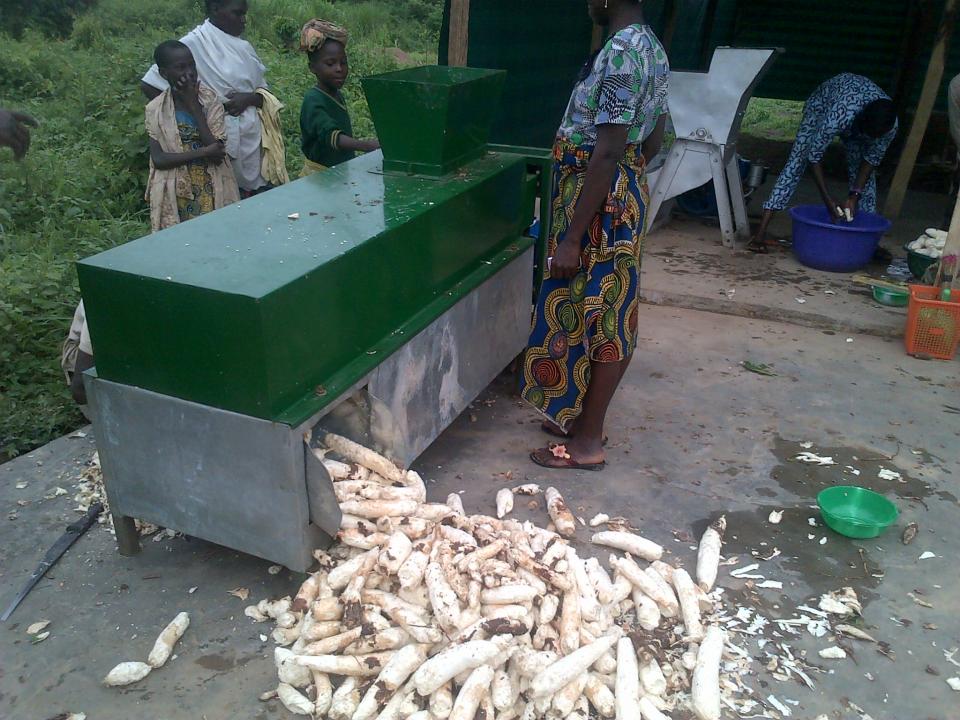
Cassava is one of Nigeria’s most important and widely cultivated crops, serving as a major source of food and income for millions of farmers and agro-entrepreneurs across the country. With increasing demand for processed cassava products such as garri, fufu, starch, and high-quality cassava flour, the need for modern and efficient cassava processing equipment has grown significantly.
These machines help improve productivity, reduce waste, enhance product quality, and save time and labor. This article provides a detailed overview of the essential cassava processing equipment used in Nigeria.
In this article, you will discover the different types of machines used in cassava processing, their functions, costs, and where to get them. Whether you are operating a small-scale garri production unit in a rural community or managing a commercial starch processing facility in a city, understanding the right equipment to invest in is crucial to your business success.
Expect to learn about the basic processing steps involved in turning raw cassava into marketable products, and the machines required for each stage. From peeling and grating to pressing, drying, frying, and packaging, we will break down the entire process and highlight the tools that can make your operation more efficient. You will also get practical tips on how to choose the right equipment based on your budget, scale of operation, and target market.
By the end of this article, you will have a clear understanding of the types of cassava processing equipment available in Nigeria and how to acquire machines that match your business goals. Whether you are just starting out or looking to upgrade your existing facility, this guide will serve as a useful resource for making informed equipment investments in the cassava value chain.
1. Overview of Cassava Processing Stages and Equipment Needed
Cassava processing involves several stages, each of which transforms the raw tubers into a finished product ready for consumption or commercial sale. The equipment required depends on the specific product being made, such as garri, fufu, flour, starch, or animal feed. Each product has its unique process, but most share common initial steps.
The first stage is harvesting and washing, where cassava roots are dug out of the ground and cleaned. Manual washing is time-consuming, so many processors use cassava washers—rotary drum machines that use water and agitation to remove dirt and sand from the roots. This improves hygiene and product quality.
Next is peeling, where the tough outer skin of the cassava root is removed. While small processors may use knives, larger operations use mechanical peelers that can handle hundreds of kilograms per hour. This reduces labor cost and speeds up the process.
The grating stage follows, especially for products like garri and fufu. Cassava grating machines break the peeled roots into mash. These machines are powered by electric motors or petrol engines and come in different capacities depending on your daily production target.
Fermentation and pressing are important for reducing cyanide content in cassava. The grated cassava is packed into sacks and pressed using hydraulic or screw presses to remove excess water. This stage is crucial for fufu and garri production.
Drying comes next. For garri and flour, mechanical dryers are more efficient than sun drying. Tray dryers, flash dryers, and rotary dryers are commonly used. The final stages include sieving, frying, milling, or packaging, depending on the final product. Each of these stages has specialized equipment and understanding them is the first step to choosing what you need for your operation.
Read Also: Understanding Cassava Yield Per Hectare in Nigeria
2. Essential Equipment for Garri Production in Nigeria
Garri is one of the most popular cassava products in Nigeria and West Africa and producing it at a commercial scale requires several pieces of specialized equipment. Investing in the right machines can greatly enhance output, product consistency, and hygiene.
The first key equipment is the cassava grater, used to turn peeled cassava into a smooth mash. A typical grater is powered by an electric motor or a petrol engine and can process up to 1 to 3 tons of cassava per day depending on its size and power rating. Prices range from ₦150,000 to ₦400,000 depending on quality and capacity.
Next is the fermentation stand and dewatering press. After grating, the mash must ferment for one to three days to improve texture and reduce harmful substances. The mash is then transferred into bags and placed under a hydraulic press or manual screw press to extract excess water. A good hydraulic press costs between ₦250,000 and ₦600,000 depending on size.
The semi-dried mash is then sieved to remove lumps before frying. Sieving machines or hand-operated sifters are used for this stage. A small sieving machine can be purchased for around ₦80,000 to ₦150,000.
The most crucial stage in garri production is frying. A garri fryer is used to roast the sieved mash in a wide shallow pan until it becomes dry and crisp. Manual frying can be done with a stainless steel pan, but motorized garri fryers or mechanical stir fryers ensure better efficiency and uniformity. These can cost between ₦300,000 and ₦700,000.
Lastly, the fried garri is cooled and packaged. A garri packaging machine automates the filling and sealing of garri in nylon bags or sachets. This is important for commercial producers targeting supermarkets and export markets. Entry-level packaging machines start from ₦200,000. Each of these machines plays a vital role in maintaining quality and speed in garri processing.
3. Equipment for Cassava Flour and Starch Processing
High-quality cassava flour (HQCF) and industrial starch are two processed cassava products with growing demand in food and manufacturing industries. Producing these products requires more advanced processing and specialized equipment compared to garri or fufu. This section outlines the machines required to produce flour and starch at a profitable scale.
For cassava flour, the process starts with peeling and washing, followed by grating or chipping. A cassava chipper is used to cut the tubers into uniform pieces to allow easier drying. Chippers can process several tons of cassava daily and cost between ₦250,000 and ₦500,000 depending on size and engine type.
Next is mechanical drying. This is a critical stage in cassava flour production. Efficient drying is required to reduce moisture content to acceptable levels for storage and milling. Tray dryers, flash dryers, or rotary dryers are used, depending on the size of the operation. Tray dryers are more affordable for small businesses and cost between ₦800,000 and ₦1.5 million, while flash dryers can cost over ₦5 million for industrial applications.
After drying, the chips are milled into flour using a hammer mill or cassava flour mill. This machine pulverizes the dried chips into a fine powder. A medium-sized hammer mill can be purchased for ₦300,000 to ₦600,000.
For starch production, additional equipment is required, including a rasper, starch extractor, and settling tanks. The rasper crushes cassava into a pulp, and the starch extractor separates the starch from the fiber. The extracted starch is allowed to settle in large tanks before it is dried using mechanical dryers. Starch processing equipment costs more than flour equipment due to its complexity.
Whether you are producing flour or starch, proper milling, sieving, and packaging machines are essential for a complete setup. Investing in reliable and efficient machines improves product quality and gives your business a competitive edge in the cassava processing market.
4. Cost Estimates and Where to Buy Cassava Processing Machines
The cost of cassava processing equipment in Nigeria varies depending on the machine type, capacity, brand, and where you buy it. It’s important to budget carefully and ensure you’re buying from trusted suppliers to avoid substandard or fake equipment.
For a small to medium scale garri processing setup, here is a typical price estimate:
a. Cassava grater: ₦200,000
b. Hydraulic press: ₦400,000
c. Garri fryer (manual or mechanical): ₦350,000
d. Sieving machine: ₦100,000
e. Packaging machine: ₦250,000
Total estimated cost: ₦1.3 million
a. For cassava flour production:
b. Cassava chipper: ₦300,000
c. Tray dryer: ₦1,200,000
d. Hammer mill: ₦500,000
e. Packaging machine: ₦250,000
Total estimated cost: ₦2.25 million
To source these machines, consider buying from registered agricultural equipment suppliers in Nigeria such as Niji Group, Qlink Agricultural Machinery, CassavaTech, and IITA-certified vendors. Many of these companies offer warranties, spare parts, and after-sales support. You can also find suppliers on platforms like Jiji.ng, Afrimash, and Alibaba for imported equipment.
Before purchasing, inspect the machine, ask for a demonstration, and compare prices from multiple vendors. Also, ensure that the machine comes with technical specifications and a service manual. Some manufacturers offer discounts for bulk purchases or may help with installation and training.
Buying quality equipment from reputable sources ensures durability, efficiency, and peace of mind in your cassava processing venture.
5. Tips for Selecting the Right Equipment for Your Business
Selecting the right cassava processing equipment is crucial to the success of your business. The wrong choice can lead to poor product quality, increased downtime, and financial losses. Here are some practical tips to help you make the best investment.
First, define your business goals and scale. Are you producing for local consumption, commercial sale, or industrial supply? The scale of your operation will determine the size and type of equipment needed. Start small if you have a limited budget, and expand gradually as your business grows.
Second, choose machines that are easy to operate and maintain. Avoid overly complex machines if you or your staff lack technical skills. Machines with simple controls and readily available spare parts are easier to manage and cost less to repair.
Third, prioritize durability and energy efficiency. While cheaper machines may seem attractive, they often break down faster and consume more power or fuel. Choose machines made with stainless steel or strong industrial materials for longevity.
Fourth, consider local support and training. Buy from suppliers who offer technical support, training on usage, and servicing. This reduces learning curves and minimizes equipment downtime.
Fifth, always perform a cost-benefit analysis before buying. Compare the cost of the machine with the output it can deliver. A higher-priced machine that can process more tons per day may be more profitable in the long run than a cheaper alternative with lower capacity.
Lastly, explore government and private financing programs. Initiatives from BOI, CBN, or agricultural cooperatives may offer loans or grants for agro-processing equipment. Proper documentation and a solid business plan can increase your chances of getting support.
With the right equipment and planning, cassava processing can become a reliable and scalable agribusiness in Nigeria.
Read Also: Socio economic role of occupational hygiene
- AuthorPosts
- You must be logged in to reply to this topic.