



Public Group
Active 8 months, 1 week ago
Group Type By Country
Group Leadership
- Group Administrators
-

Nigeria Farmers Community
How to Start a Pig Farming Business in Nigeria: a comprehensive guide
- This topic is empty.
- AuthorPosts
- July 15, 2025 at 10:37 am #667447

 Agric4ProfitsModerator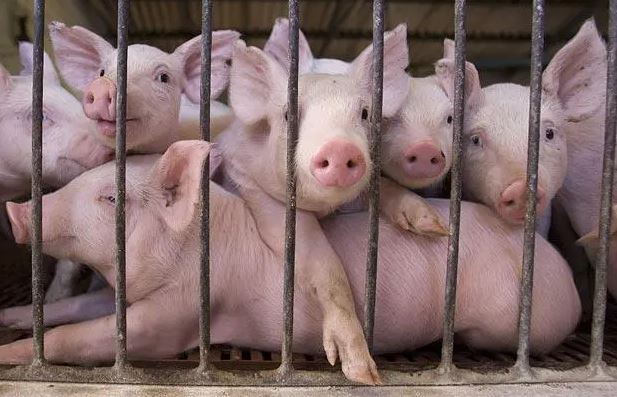
Pig farming is one of the most profitable and fastest-growing agribusiness ventures in Nigeria today. With increasing demand for pork across urban centers, restaurants, hotels, and processed food manufacturers, the pig farming industry presents a great opportunity for both small and large-scale investors. Pork is a popular source of protein, and its rising consumption in Nigeria has created a steady market for farmers who can meet hygiene, quality, and quantity standards.
This article serves as a complete guide for anyone interested in starting a pig farming business in Nigeria. Whether you are a complete beginner or someone with agricultural experience looking to diversify, this guide provides the essential knowledge to help you launch and manage a successful pig farm.
We will explore the most important steps you need to take, including choosing the right pig breed, constructing proper housing, managing feeding and health, understanding reproduction and breeding techniques, and developing effective marketing strategies. Each of these areas plays a crucial role in ensuring your farm runs efficiently and yields good profit.
Pigs are known for their rapid growth and high reproductive rates. A healthy sow can give birth to 8 to 12 piglets per litter and may farrow twice a year. With good management, this can result in exponential growth and substantial returns. Pigs also convert feed to meat more efficiently than many other livestock species, making them cost-effective to raise.
However, to succeed in pig farming, you must be prepared with the right information and adopt good management practices. By the end of this article, you’ll have a practical roadmap to start and scale a pig farming business in Nigeria. Let’s begin by choosing the right breed for your farming goals.
1. Choosing the Right Pig Breeds for Farming
The foundation of a successful pig farming business begins with selecting the right breed. Not all pigs are equal in terms of growth rate, feed efficiency, litter size, or meat quality. Choosing a good breed suited to your farming objectives and local climate will improve productivity and profitability.
In Nigeria, pig breeds fall into two main categories: local (indigenous) and exotic (improved). While local breeds such as the West African Dwarf pig are highly disease-resistant and adaptable to harsh conditions, they tend to grow slowly and yield less meat. Exotic breeds, on the other hand, are fast growers and produce higher-quality pork but require better care, feeding, and housing.
The most commonly used exotic pig breeds in Nigeria include:
a. Large White: Known for its fast growth, large frame, and good reproductive performance. It is suitable for both meat and breeding purposes.
b. Landrace: This breed is well-known for its high-quality bacon and pork. It grows fast and has good mothering ability, making it ideal for breeding programs.
c. Duroc: A reddish-brown pig breed with excellent muscle mass and high feed-to-meat conversion ratio. It is often used in crossbreeding to improve meat quality.
d. Hampshire: A black breed with a white band around its shoulders, known for its lean meat and rapid growth.
Many farmers also crossbreed these exotic types with local pigs to combine hardiness with fast growth. When choosing your piglets, make sure they come from a reputable source, are healthy, active, and show no signs of illness or deformities.
Choosing the right breed will set the pace for your farm’s success. Always match your breed selection to your available resources, farm goals, and market demand.
Read Also: Pig Feeding and Feeds Complete Guide
2. Building a Functional and Hygienic Pig Pen
Proper housing is essential for the health, comfort, and productivity of your pigs. A good pig pen should provide shelter from rain, heat, wind, and predators while ensuring easy cleaning, waste disposal, and disease control. Investing in quality housing will reduce losses and improve your farm’s overall performance.
A typical pig pen should include different compartments for sows, boars, piglets, and grower pigs. Pens can be built using locally available materials such as cement blocks, iron roofing sheets, and reinforced concrete floors. The pen must have proper drainage to allow urine and waste to flow out easily, preventing foul odor and bacterial buildup.
Space allocation is important. Overcrowding leads to stress, stunted growth, and increased disease risk. A growing pig (weighing between 30–60 kg) should have at least 1.5 square meters of space. Breeding pens and farrowing pens for pregnant sows will require more room and must be separated from other pens to reduce disturbances.
Proper ventilation is crucial to control temperature and prevent respiratory infections. Cross-ventilation using windows and open spaces (covered with wire mesh) will improve airflow. The floor should be slightly sloped to help with drainage and prevent water stagnation.
Ensure you include feeding troughs and waterers that are easy to clean and placed in a position where pigs can eat without stepping into them. Also, construct footbaths at the entrance of the pen and limit access to only authorized personnel to reduce contamination risks.
A clean and well-designed pig pen promotes fast growth, reduces stress, and makes farm management much easier.
3. Feeding and Nutrition Management
Feeding is one of the most important factors in pig farming, accounting for over 60 percent of the total cost of production. To raise healthy and fast-growing pigs, you must provide a balanced diet that meets their nutritional requirements at every stage of development.
Pigs require feed rich in energy, protein, vitamins, and minerals. In Nigeria, many farmers rely on commercial pig feed available at agro stores. These are formulated for different categories of pigs—piglets, growers, finishers, and breeders. Commercial feeds are convenient and nutritionally balanced, but they can be expensive.
To reduce cost, some farmers use alternative feed sources such as kitchen leftovers, brewery waste, cassava peels, maize bran, plantain peels, and soybean meal. While this approach may lower expenses, it must be done carefully to ensure the diet is still balanced. Poor feeding leads to slow growth, poor reproduction, and low immunity.
A typical pig diet should contain around 16 to 18 percent protein for growing pigs, and lower levels for adult pigs. Piglets need higher protein content to support early growth. Breeding sows require adequate energy and minerals to maintain health during pregnancy and lactation.
Water is equally vital. Pigs need constant access to clean, fresh water for digestion and overall health. A lack of water can reduce feed intake and cause stress.
Feeding should be done two to three times daily, and feed portions should be adjusted according to age and size. Monitor feed conversion rates and weight gain regularly to ensure you are getting value for your input.
Efficient feeding practices lead to faster growth, shorter time to market, and higher profits.
4. Breeding, Reproduction, and Piglet Management
Reproduction is a major part of pig farming, especially if you plan to run a breeding operation or grow your herd over time. Understanding the breeding cycle, managing sows, and caring for piglets can significantly improve your farm’s productivity.
Pigs reach sexual maturity around 6 to 8 months of age, depending on the breed and feeding. A healthy, mature sow can be bred twice a year and give birth to 8 to 12 piglets per litter. With proper management, a single sow can produce over 20 piglets annually.
Breeding can be done through natural mating or artificial insemination, though the former is more common in Nigeria. Ensure both the boar and sow are healthy, well-fed, and free of infections before mating. After mating, observe the sow for signs of pregnancy and provide special care during gestation, which lasts around 114 days (approximately 3 months, 3 weeks, and 3 days).
As delivery approaches, the sow should be moved to a clean and quiet farrowing pen. Farrowing pens should be equipped with dry bedding, good ventilation, and a creep area where piglets can stay warm without being crushed by the mother.
After birth, piglets should be cleaned, kept warm, and allowed to suckle immediately. Administer iron supplements within the first week to prevent anemia. Castration of male piglets not meant for breeding is usually done within the first 10 days.
Weaning typically takes place between 4 to 6 weeks, after which piglets are moved to grower pens and start on solid feed.
Proper piglet management improves survival rates, ensures faster growth, and contributes to the long-term profitability of your pig farming business.
5. Marketing and Profit Strategies
Marketing is a critical part of running a profitable pig farming business. No matter how well you raise your pigs, if you don’t have a plan for selling them, you risk running into losses or overstocking. Understanding your target market and creating sales channels early is essential.
In Nigeria, there are multiple ways to sell pigs and pig-related products. The most common is selling live pigs to local butchers, meat sellers, or directly to consumers. Pigs are sold by weight, and prices vary depending on size, breed, and location. Some farmers also supply pork directly to hotels, restaurants, and food processors.
Processed pork, such as sausages, bacon, or smoked pork, presents a higher-value market if you have access to proper processing equipment and government approvals. You can also make money from piglets, especially if you raise quality breeds that are in demand for breeding or rearing.
To market your pigs effectively, build relationships with reliable buyers, attend agricultural trade fairs, use social media to showcase your farm, and consider joining local livestock associations. Having a good reputation for clean, healthy, and well-fed pigs will attract more customers and allow you
Read Also: Dog waste complete management guide
- AuthorPosts
- You must be logged in to reply to this topic.