



Public Group
Active 8 months, 1 week ago
Group Type By Country
Group Leadership
- Group Administrators
-

Nigeria Farmers Community
How to Dry and Store Maize in Nigeria for Maximum Profit and Minimal Loss
- This topic is empty.
- AuthorPosts
- July 17, 2025 at 11:19 am #667865

 Agric4ProfitsModerator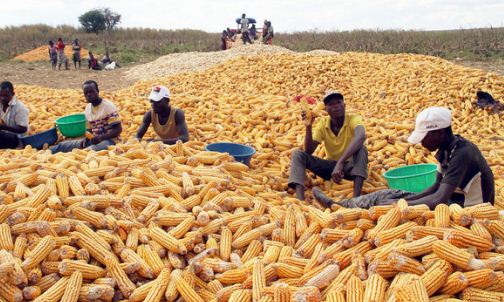
Maize is one of the most important staple crops in Nigeria, consumed widely in various forms such as pap, tuwo, roasted corn, boiled corn, and animal feed. It also serves as a major industrial raw material in breweries, flour mills, and food processing companies. As such, maize farming is a profitable business when done correctly.
However, one of the most critical stages that determine the success of a maize farming venture is the post-harvest process. Every year, a significant portion of harvested maize is lost due to poor drying and improper storage methods, which expose the grains to mold, pests, and spoilage.
In Nigeria’s tropical climate, managing moisture content and protecting harvested maize from insects and rodents can be challenging without the right knowledge and tools. Therefore, knowing how to properly dry and store maize is essential for farmers, grain merchants, and agro-processors who want to protect their investments and maximize their profits. When maize is dried and stored effectively, it maintains its quality, market value, and shelf life, whether it’s kept for household use, animal feed, or future sale.
This article provides a practical guide on how to dry and store maize in Nigeria using locally available resources, traditional methods, and modern technologies. It covers each step from the point of harvesting through to storage, with useful insights on best practices and common mistakes to avoid.
Each of the five sections below discusses a key aspect of post-harvest maize handling. By the end of this guide, readers will be better equipped to reduce post-harvest losses and preserve their maize for both consumption and commercial purposes. The topics covered include harvesting at the right time, proper drying techniques, shelling and cleaning, storage methods, and pest and mold control.
1. Harvesting Maize at the Right Time
The first step to effective maize drying and storage begins with harvesting at the correct time. Harvesting too early results in maize with high moisture content, making it more prone to mold growth and spoilage. On the other hand, leaving maize too long in the field increases the risk of pest attacks and losses from birds and rodents. In Nigeria, maize is typically harvested between August and October, depending on the planting season and region.
The best time to harvest maize is when the husks turn brown and dry, the kernels are hard, and the cobs begin to droop downward. At this stage, the moisture content of the maize is usually around 20 to 25 percent, which is still too high for safe storage but suitable for beginning the drying process. Maize should be harvested in dry weather to avoid additional moisture accumulation. Rain during harvesting can increase fungal infection and spoilage risk.
Harvesting is done either manually or mechanically. Smallholder farmers often use cutlasses and sickles to manually pluck the cobs from the stalks. While this method is labor-intensive, it allows for careful handling and sorting. Mechanized harvesting is faster and more efficient but less common due to cost and limited access to machinery in rural areas.
After harvesting, cobs should be collected in clean sacks, baskets, or tarpaulins and moved immediately to a clean, dry area to begin the drying process. Delay in removing harvested maize from the field can lead to contamination from soil and moisture.
Farmers are advised not to pile harvested maize on the ground to avoid contact with dirt and pests. Proper planning during the harvesting stage lays the foundation for effective drying and long-term storage.
Read Also: Best Time to Plant Maize in Nigeria: A Seasonal Guide for Maximum Yield
2. Proper Drying Techniques for Maize
Drying is the most crucial step in preparing maize for storage in Nigeria. It involves reducing the moisture content of the maize kernels to a safe level of around 12 to 14 percent. Maize with high moisture content is at high risk of mold growth, especially the dangerous aflatoxins that can render the grains unfit for consumption. Traditional sun drying is the most widely practiced method in Nigeria, especially among smallholder farmers.
Sun drying is typically done by spreading the maize cobs or shelled grains on tarpaulins, mats, or concrete floors under direct sunlight. This method is cheap and effective but has several challenges.
It is weather-dependent, exposes maize to dust, animals, and theft, and often results in uneven drying. To improve effectiveness, maize should be turned regularly during drying, and drying surfaces must be kept clean. Shelled maize dries faster than cobs but requires additional labor to shell before drying.
To address the limitations of traditional drying, farmers are increasingly exploring mechanical dryers. These dryers use heat or air circulation to reduce moisture more quickly and evenly. Though more expensive, mechanical dryers are useful during rainy seasons when sun drying is not practical. Some agro-processing centers and cooperatives offer access to shared drying equipment at a fee.
Improper drying can result in discoloration, off-odors, and rot. Farmers must avoid drying maize directly on the bare ground to prevent contamination. Using raised platforms or clean tarpaulins helps maintain grain quality.
Whether using sun or mechanical drying, the key is to ensure that maize reaches the desired moisture content before storage. Proper drying preserves nutritional value, prevents spoilage, and prepares the maize for long-term storage and sale.
3. Shelling and Cleaning Maize After Drying
Once maize cobs are properly dried, the next important step is shelling. Shelling involves removing the kernels from the cobs, which makes the maize easier to store, package, and transport. In Nigeria, shelling can be done manually or with the help of mechanical shellers. Manual shelling is usually done by rubbing cobs against each other or using simple hand tools, which is labor-intensive but manageable for small quantities.
For larger volumes, mechanical shellers are more efficient and time-saving. These machines reduce labor costs and minimize kernel breakage. Mechanical shellers can be powered manually, electrically, or by fuel.
In areas where group farming or cooperatives are common, farmers often share access to shelling machines during harvest season. Regardless of the method used, care should be taken to avoid damaging the kernels, as broken grains are more prone to pest infestation and spoilage.
After shelling, cleaning is necessary to remove chaff, dust, broken kernels, and debris. This can be done by winnowing, sieving, or using mechanical grain cleaners. Clean maize looks more appealing and has a higher market value. It also stores better and is less likely to develop mold or attract pests. Proper cleaning ensures that only healthy, intact grains go into storage.
Maize should not be shelled before drying unless proper drying facilities are available, as shelled maize retains more moisture and spoils quickly if not immediately dried to the correct level. Once shelling and cleaning are complete, the maize should be immediately packed in clean, dry containers to prevent moisture reabsorption. At this stage, the grains are ready for final storage. Taking time to shell and clean maize properly pays off in improved shelf life, better quality, and reduced post-harvest losses.
4. Storage Methods for Maize in Nigeria
Storing maize correctly is essential for maintaining its quality and preventing post-harvest losses. In Nigeria, maize is stored for personal consumption, livestock feed, or sale. Regardless of the purpose, maize must be stored in a way that protects it from moisture, pests, rodents, and contamination. The choice of storage method depends on the quantity of maize, available resources, and environmental conditions.
One of the most common traditional storage methods is the use of woven bags or polypropylene sacks. These sacks are cheap, reusable, and easy to handle. However, they do not offer complete protection against moisture and insects.
To improve effectiveness, farmers can add insect-repellent powders like dry neem leaves or wood ash or use hermetic storage bags. Hermetic bags such as PICS or SuperGrain bags are airtight and prevent oxygen from reaching insects and molds, making them highly effective for long-term storage.
Another method is the use of silos or grain bins, which are more suitable for commercial-scale storage. Metal or concrete silos protect maize from pests and environmental changes but are costly to build and maintain. For smallholder farmers, improved storage structures like cribs or granaries made from mud, bamboo, or wood can also be used, provided they are elevated and well-ventilated.
Whatever method is used, the storage area should be dry, clean, and protected from rain and animals. Maize should be stored off the ground using wooden pallets or raised platforms to prevent moisture absorption.
Regular inspection is also important to identify early signs of spoilage or pest infestation. Well-stored maize can last for 6 to 12 months or more without significant loss in quality. By adopting good storage practices, farmers can reduce losses, maintain food security, and command higher prices in the market.
5. Controlling Pests and Mold in Stored Maize
Pest and mold control is a major concern in maize storage across Nigeria. Even after careful drying and cleaning, stored maize remains vulnerable to weevils, rodents, and fungal contamination if not properly managed.
Insects such as maize weevils and larger grain borers can damage kernels, reduce grain weight, and create entry points for molds. Mold, particularly the Aspergillus species, can produce aflatoxins that are harmful to human and animal health.
One effective way to control pests is to ensure maize is completely dry before storage. Moisture is a key factor that allows pests and mold to thrive. Hermetic storage bags are among the best solutions because they create an oxygen-free environment that kills pests without the use of chemicals. These bags are especially useful for smallholder farmers who want to store maize safely for long periods.
Natural pest repellents like dried neem leaves, chili powder, or wood ash can be mixed with grains before storage. These substances help repel insects and are widely used in traditional storage systems. Chemical preservatives like phosphine tablets or permethrin dust can also be used but must be applied carefully according to guidelines to avoid health risks and chemical residues.
Rodent control is another important aspect of maize storage. Storage facilities should be sealed and rodent-proof, with regular cleaning to avoid attracting pests. Traps and natural predators like cats can help reduce rodent populations. In addition, regular inspection of stored maize allows for early detection of problems so that corrective action can be taken quickly.
Mold control depends largely on moisture management. Any sign of dampness or humidity in the storage environment should be addressed immediately. Proper ventilation and moisture-proof packaging are key to preventing fungal growth. By integrating both traditional and modern methods, Nigerian farmers can effectively control pests and mold, ensuring safe and profitable maize storage.
Read Also: Benefits of retorting in food processing
- AuthorPosts
- You must be logged in to reply to this topic.