


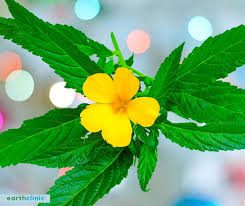
Damiana is a small plant that grows in warm regions like Mexico, Central America, and the Caribbean. People have used it for a long time because it has many uses. Let’s talk about some of the things that make Damiana special.
First, Damiana has a long history of being used as an herbal remedy. People in these regions have used it to treat various health issues for centuries. Some people believe that it can help with things like digestion, anxiety, and even sexual problems.
One of the interesting things about Damiana is its aroma. When you crush the leaves, they release a sweet and pleasant smell. This scent has earned Damiana a reputation as an aphrodisiac, something that can increase desire and pleasure in romantic situations.
The leaves of the Damiana plant contain certain compounds that might be responsible for its effects. For example, it has flavonoids and essential oils that could contribute to its potential health benefits.
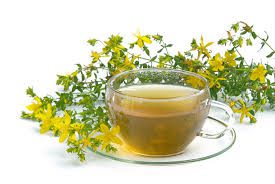
Another fascinating fact about Damiana is its use as a tea. People often make Damiana tea by steeping the dried leaves in hot water. They say that drinking this tea can help with relaxation and even boost mood.
In some places, Damiana is also used as an ingredient in herbal supplements. These supplements claim to offer various health benefits, but it’s important to remember that more research is needed to understand the full extent of Damiana’s effects on the body.
Now, let’s talk about Damiana’s connection to traditional medicine. In many cultures, including the indigenous people of Mexico, Damiana has been used for generations as a natural remedy. It’s often seen as a symbol of vitality and well-being.
Damiana is a fascinating plant with a rich history of use in traditional medicine. People have used it for its potential health benefits and its pleasant aroma. While it’s important to approach herbal remedies with caution and consult with a healthcare professional, Damiana remains an intriguing and culturally significant botanical.
Read Also: 22 Medicinal Health Benefits Of Diplazium esculentum (Edible Fern)
Growing Damiana Plant
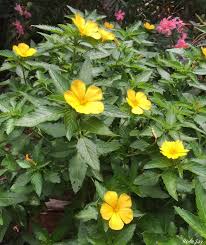
Growing Damiana can be a rewarding experience, especially if you live in a warm and sunny climate. Here are some simple steps to help you grow Damiana plants successfully:
1. Climate and Location: Damiana thrives in warm and arid climates. It’s native to regions like Mexico and Central America, so it needs plenty of sunlight. Make sure to choose a sunny spot in your garden or use a container if you live in a colder climate.
2. Soil: Damiana prefers well-draining soil. Sandy or loamy soil works well. If your soil is heavy and retains too much moisture, consider adding sand or perlite to improve drainage.
3. Propagation: You can grow Damiana from seeds or cuttings. If you’re starting from seeds, plant them in early spring. If using cuttings, take them from healthy, mature Damiana plants and plant them in well-draining soil.
4. Watering: Damiana doesn’t like to be overwatered. Allow the soil to dry out slightly between watering. Water the plant thoroughly when the top inch of soil is dry.
5. Fertilization: Use a balanced, all-purpose fertilizer during the growing season (spring and summer). Follow the manufacturer’s instructions for application.
6. Pruning: Prune Damiana to maintain its shape and encourage bushy growth. You can also remove dead or yellowing leaves as needed.
7. Pests and Diseases: Damiana is relatively resistant to pests and diseases. However, keep an eye out for common garden pests like aphids and spider mites. If you notice any issues, treat them promptly with organic pesticides or insecticidal soap.
8. Harvesting: You can start harvesting Damiana leaves once the plant is well-established, typically after the first year. Harvest leaves by snipping them off gently. Allow the leaves to dry in a shaded, well-ventilated area. Once dried, store them in an airtight container.
9. Uses: Damiana leaves can be used to make tea or herbal infusions. They are also used in herbal remedies. Some people even enjoy Damiana as a smoking herb. Remember to research and use Damiana responsibly, especially if you plan to consume it for its potential medicinal properties.
10. Protection from Frost: If you live in an area with occasional frosts, consider bringing your Damiana plants indoors during the winter months or covering them with frost cloth to protect them from cold temperatures.
Growing Damiana can be a delightful project, and with proper care and attention to its specific needs, you can cultivate healthy plants that provide you with its aromatic leaves for various purposes.
10 Health Benefits Associated with Damiana Plant
Damiana is a plant that has been used traditionally for its potential health benefits. While more research is needed to fully understand its effects, here are 10 potential health benefits of Damiana:
1. Aphrodisiac Properties: Damiana has a reputation as an aphrodisiac and is believed to boost libido and sexual desire, making it popular for enhancing sexual experiences.
2. Stress and Anxiety Reduction: Some people use Damiana to help reduce stress and anxiety levels. It may have mild calming effects that promote relaxation.
3. Digestive Aid: Damiana has been traditionally used to support digestion and alleviate digestive issues like indigestion and constipation.
4. Mood Enhancement: It is believed that Damiana may have mood-enhancing properties and could potentially help alleviate symptoms of mild depression or mood swings.
5. Weight Management: Some herbalists suggest that Damiana can assist with weight management by curbing food cravings and promoting a sense of fullness.
6. Menstrual Pain Relief: Damiana is sometimes used to alleviate menstrual cramps and discomfort. It may have mild muscle-relaxing properties that ease menstrual pain.
7. Respiratory Health: In traditional medicine, Damiana has been used to support respiratory health and relieve symptoms of conditions like coughs and bronchitis.
8. Bladder Health: It is believed that Damiana may help support urinary health and could potentially assist with conditions like urinary tract infections (UTIs).
9. Anti-Inflammatory Effects: Some studies suggest that Damiana may have anti-inflammatory properties, which could benefit those with inflammatory conditions.
10. Antioxidant Properties: Damiana contains antioxidants that help protect the body’s cells from damage caused by free radicals, potentially contributing to overall health.
Scientific Evidence and Case Studies on Damiana Plant
1. Aphrodisiac Properties: Studies have shown that damiana (Turnera diffusa) enhances libido and sexual performance by increasing blood flow and stimulating the nervous system, especially in cases of sexual fatigue or low desire.
2. Antidepressant Effects: Research indicates that damiana possesses mood-lifting properties due to its influence on serotonin and dopamine levels, helping to alleviate mild depression and anxiety.
3. Antioxidant Activity: Scientific evidence suggests that damiana contains flavonoids and phenolic compounds that exhibit strong antioxidant effects, protecting cells from oxidative damage.
4. Anti-inflammatory Benefits: Experimental studies have demonstrated that damiana extracts can reduce inflammation and pain through natural phytochemical actions.
5. Digestive Health Support: Damiana has been traditionally used to improve digestion, relieve constipation, and ease gastrointestinal discomfort.
Nutritional Value Of Damiana Plant
1. Flavonoids: Damiana is rich in flavonoids that act as antioxidants, helping protect the body from oxidative stress and supporting cardiovascular health.
2. Terpenes: The plant contains terpenes that contribute to its aromatic quality and provide calming, anti-inflammatory effects.
3. Arbutin: This natural compound in damiana supports urinary tract health and has mild antiseptic properties.
4. Caffeine-like Compounds: Damiana contains small amounts of stimulating compounds that can enhance focus, mood, and energy levels.
5. Tannins: These plant compounds have astringent properties that help support digestive health and reduce inflammation.
6. Essential Oils: The aromatic oils in damiana contribute to its mood-boosting and relaxation-promoting qualities.
7. Iron and Calcium: Damiana provides trace amounts of iron and calcium, which support bone strength and energy metabolism.
Damiana Leaf
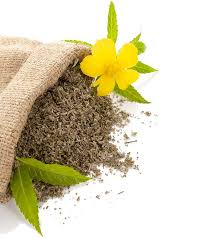
Damiana Leaf is a special plant known for its many uses. People have used Damiana Leaf for a very long time because they believe it can help with different things.
Damiana Leaf comes from a small plant that grows in warm places like Mexico, Central America, and the Caribbean. This plant has been a part of traditional medicine for centuries. People think it can help with issues like digestion, feeling anxious, and even problems related to romance.
One thing that makes Damiana Leaf unique is its smell. When you crush the leaves, they give off a sweet and nice scent. This scent has made some people believe that Damiana Leaf can make romantic moments more special.
The leaves of Damiana Leaf have special things inside them. These things are called compounds. Some of these compounds are called flavonoids and essential oils. People think these compounds might be the reason Damiana Leaf can be good for our health.
Another interesting thing about Damiana Leaf is that people make tea from it. To make Damiana Leaf tea, you take the dried leaves and soak them in hot water. People say that drinking this tea can make them feel relaxed and happier.
In some places, Damiana Leaf is also used in supplements. These supplements claim to help with different health things, but it’s important to remember that we need more research to really know all the good things Damiana Leaf can do.
Now, let’s talk about how Damiana Leaf is important in traditional medicine. In many cultures, especially in Mexico, Damiana Leaf has been used for a very long time. People see it as a symbol of good health and happiness.
Damiana Leaf is a special plant with a history of use in traditional medicine. People think it can help with many things, and its sweet scent makes it special. Remember that while Damiana Leaf is interesting, it’s important to be careful and talk to a doctor before using it for your health. Damiana Leaf is a plant that’s been around for a very long time, and it’s still an interesting part of our world today.
Read Also: Effect of Tropical Climate on Animal Parasites, Vectors and Diseases
Damiana Tea

Damiana tea is a popular herbal infusion made from the leaves of the Damiana plant, scientifically known as Turnera diffusa or Turnera aphrodisiaca. This tea has been enjoyed for centuries due to its potential therapeutic properties and its pleasant, aromatic flavor.
Making Damiana tea is quite simple. You start by steeping dried Damiana leaves in hot water, much like brewing any other herbal tea. Typically, you’ll use about 1-2 teaspoons of dried Damiana leaves for every cup of hot water. Let it steep for 5-10 minutes to allow the flavors and potential health compounds to infuse into the water.
Damiana tea has a unique flavor profile. It’s often described as having a mild, earthy taste with sweet undertones. The aroma of Damiana tea is also quite pleasant, emitting a sweet and slightly floral scent.
Potential Benefits
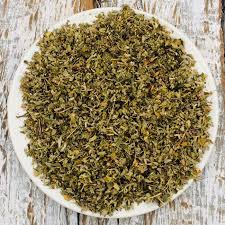
Damiana tea is believed to offer several potential health benefits, although more research is needed to confirm these claims. Some of the suggested benefits include:
1. Aphrodisiac Effects: Damiana is renowned for its reputation as a natural aphrodisiac. It’s believed to enhance libido and sexual desire, making it a popular choice for romantic occasions.
2. Relaxation and Stress Relief: Some people find that Damiana tea has mild calming effects, which can help with relaxation and stress reduction.
3. Mood Enhancement: Damiana tea may contribute to improved mood and may be used to alleviate mild feelings of anxiety or depression.
4. Digestive Aid: Traditionally, Damiana has been used to support digestion and relieve common digestive complaints such as indigestion and constipation.
5. Weight Management: Some individuals use Damiana tea to curb food cravings and promote a sense of fullness, which may assist in weight management efforts.
6. Respiratory Support: It’s believed that Damiana tea may have benefits for respiratory health and could potentially provide relief from coughs and bronchitis.
While Damiana tea is generally considered safe, it’s essential to use it responsibly and in moderation. If you have underlying health conditions or are taking medications, it’s wise to consult with a healthcare professional before adding Damiana tea to your routine.
Damiana tea is not only enjoyed for its potential health benefits but also for its delightful taste and aroma. Whether you’re sipping it for relaxation or exploring its aphrodisiac qualities, Damiana tea remains a fascinating and culturally significant herbal infusion.
Frequently Asked Questions About Damiana Plant
1. What is damiana plant?
Damiana (Turnera diffusa) is a small aromatic shrub native to Mexico and Central America, traditionally used as an herbal remedy and natural aphrodisiac.
2. What are the main health benefits of damiana?
It helps improve mood, boost libido, enhance digestion, and provide antioxidant protection.
3. Is damiana good for anxiety and stress?
Yes, damiana acts as a mild relaxant and can help reduce anxiety and promote calmness.
4. Can damiana improve sexual health?
Yes, studies show that damiana enhances libido, improves blood flow, and may help address sexual dysfunction.
5. Is damiana safe to drink as tea?
Yes, damiana leaves are commonly brewed into herbal tea that can be safely consumed in moderation.
6. How often can I take damiana?
It can be taken daily in moderate doses as tea or supplement, following product instructions or herbal guidance.
7. Does damiana contain caffeine?
No, it does not contain caffeine, but it has mild stimulating compounds that increase alertness and energy.
8. Can damiana help with digestion?
Yes, damiana supports healthy digestion and may help relieve mild constipation or bloating.
9. Are there any side effects of damiana?
In excessive amounts, damiana may cause mild insomnia or digestive upset; moderation is advised.
10. Is damiana safe during pregnancy?
No, damiana should be avoided during pregnancy or breastfeeding as it may stimulate uterine contractions.
Do you have any questions, suggestions, or contributions? If so, please feel free to use the comment box below to share your thoughts. We also encourage you to kindly share this information with others who might benefit from it. Since we can’t reach everyone at once, we truly appreciate your help in spreading the word. Thank you very much for your support and for sharing!
Disclaimer: This article is for educational and informational purposes only. The health benefits described are based on scientific research and traditional knowledge. They are not a substitute for professional medical advice, diagnosis, or treatment. Always consult a healthcare professional before using any herb or natural remedy for medical purposes.
Read Also: All You Need to Know About Cosmos Flower