


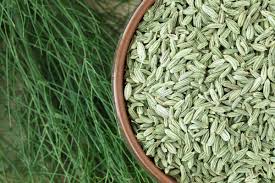
Fennel seeds are tiny, golden-brown wonders that come from the fennel plant. They are not only delicious but also carry a rich history of culinary and medicinal uses. These seeds are widely appreciated for their unique flavor and aroma, making them a common ingredient in many cuisines and dishes worldwide.
Fennel seeds have been enjoyed for centuries, dating back to ancient civilizations like the Egyptians, Greeks, and Romans. They have found their way into various culinary traditions, often used as a spice to enhance the taste of dishes. These seeds have a distinct sweet, licorice-like flavor that adds a delightful twist to both savory and sweet recipes.
Cultivated in many parts of the world, fennel seeds are harvested from the flowering fennel plant, scientifically known as Foeniculum vulgare. The plant itself is quite attractive, with feathery green leaves and bright yellow flowers. However, it’s the seeds that hold the most culinary and medicinal value.
In many cultures, fennel seeds are used as a natural flavoring agent in a wide array of dishes. They are a common addition to bread, pastries, and desserts, imparting their unique taste and aroma. In savory dishes, fennel seeds are often used to season meat, fish, and vegetable-based dishes, adding depth and complexity to the flavor profile.
Beyond their culinary uses, fennel seeds have been treasured for their potential health benefits for centuries. These seeds have been traditionally used to aid digestion, relieve bloating, and reduce flatulence. They are often consumed as an herbal tea or chewed after meals to promote digestive comfort.
Fennel seeds have also been explored for their potential antioxidant properties. Antioxidants are compounds that help protect the body from oxidative stress and damage caused by free radicals. While more research is needed to fully understand the extent of their antioxidant effects, fennel seeds are valued for their potential contribution to overall health.
In addition to their culinary and potential health benefits, fennel seeds have been used in various traditional remedies and herbal medicine practices. They have been employed to alleviate symptoms of respiratory issues, such as coughs and bronchitis, as well as to support lactation in nursing mothers.
However, fennel seeds are more than just a delightful spice; they are a versatile and valuable ingredient in the world of cooking and natural health remedies. Their unique flavor and aroma have made them a cherished addition to countless recipes, while their potential health benefits continue to intrigue researchers and health enthusiasts alike. From ancient civilizations to modern kitchens, fennel seeds remain a small but significant part of our culinary and herbal traditions.
Read Also: Fertilizer Application, Pests and Diseases Control in Cocoa
How to Grow the Fennel Seeds
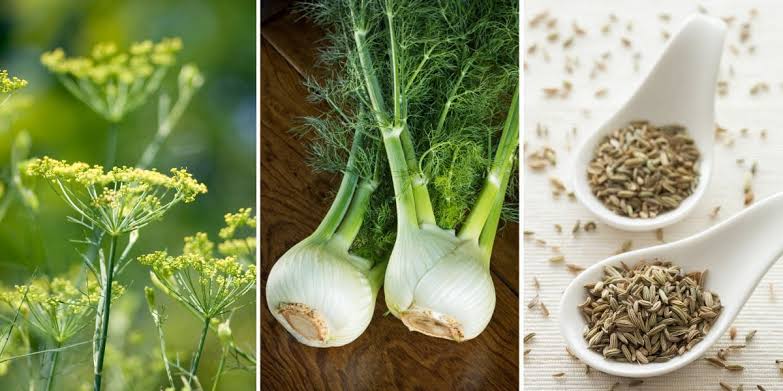
Growing fennel seeds can be a rewarding experience, as it allows you to enjoy the fresh, aromatic seeds straight from your garden. Here’s a simple guide on how to grow fennel seeds:
1. Selecting a Location: Choose a sunny spot in your garden with well-drained soil. Fennel prefers full sun but can tolerate partial shade.
2. Soil Preparation: Fennel thrives in fertile, loamy soil with good drainage. Ensure the soil is rich in organic matter by amending it with compost or well-rotted manure.
3. Planting Fennel Seeds: Fennel can be grown from seeds or transplants. If starting from seeds, sow them directly into the garden bed in early spring, after the last frost date in your area.
Plant the seeds about ¼ inch deep and space them 12-18 inches apart in rows, leaving about 2-3 feet between rows.
Keep the soil consistently moist until the seeds germinate, which usually takes 7-14 days.
4. Watering: Fennel requires regular watering to keep the soil evenly moist. Water at the base of the plant to avoid wetting the foliage, which can lead to fungal issues.
5. Thinning: Once the fennel seedlings have grown a few inches tall, thin them to allow proper spacing between plants. Aim for a final spacing of 12-18 inches.
6. Fertilization: Fennel doesn’t require heavy fertilization, but a balanced, all-purpose fertilizer can be applied during the growing season to encourage healthy growth.
7. Weeding and Mulching: Keep the area around the fennel plants free from weeds, as they can compete for nutrients and water. Applying a layer of mulch can help suppress weeds and retain soil moisture.
8. Caring for Fennel: Fennel is generally low-maintenance. Ensure consistent moisture, and watch out for signs of pests like aphids or caterpillars, which can occasionally be a problem.
9. Harvesting Fennel Seeds: Fennel seeds are typically harvested in late summer to early fall when the flower heads have dried and turned brown. Cut the flower heads from the plant, ideally on a dry day, and place them in a paper bag or a dry, well-ventilated area to allow the seeds to fully dry.
10. Storing Fennel Seeds: Once the seeds are completely dry, store them in an airtight container in a cool, dark place. Properly stored fennel seeds can remain viable for several years.
By following these steps, you can successfully grow and harvest your own fennel seeds to use in cooking or for their potential health benefits. Enjoy the satisfaction of growing this aromatic herb in your own garden.
12 Health Benefits of Fennel Seeds
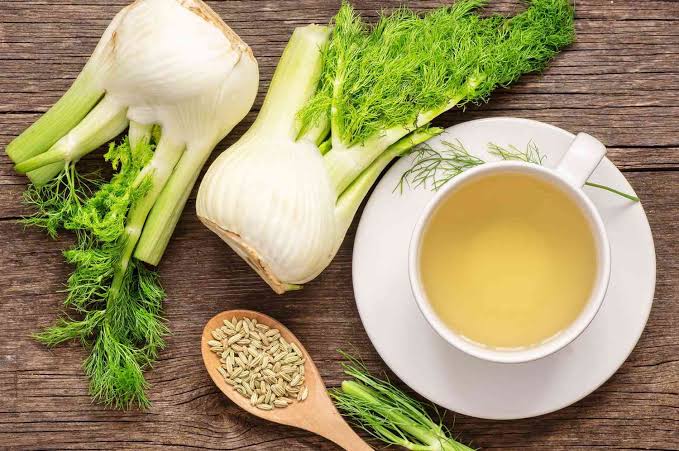
Fennel seeds offer numerous potential health benefits due to their natural compounds and nutritional content. Here are 12 health benefits associated with fennel seeds:
1. Digestive Aid: Fennel seeds can help alleviate digestive issues, including bloating, indigestion, and flatulence. Chewing fennel seeds or drinking fennel tea after meals may promote digestion.
2. Antioxidant Properties: Fennel seeds contain antioxidants, such as flavonoids and polyphenols, which help protect cells from oxidative damage caused by free radicals.
3. Anti-Inflammatory: Some compounds in fennel seeds, like anethole, have anti-inflammatory properties that may help reduce inflammation in the body.
4. Oral Health: Chewing fennel seeds can freshen breath and help with oral hygiene. They are often used as a natural breath freshener.
5. Menstrual Pain Relief: Fennel tea may help ease menstrual cramps and discomfort due to its muscle-relaxant properties.
6. Weight Management: Fennel seeds are low in calories and high in fiber, which can aid in weight management by promoting a feeling of fullness.
7. Heart Health: The fiber, potassium, and folate content in fennel seeds may support heart health by helping regulate blood pressure and reducing the risk of heart disease.
8. Respiratory Health: Fennel seeds have been used in traditional medicine to soothe coughs and respiratory issues due to their expectorant and anti-inflammatory properties.
9. Bone Health: Fennel seeds contain calcium and magnesium, which are essential for maintaining strong bones.
10. Skin Health: Fennel seeds are rich in vitamin C, which can contribute to healthy and glowing skin by promoting collagen production and protecting against UV damage.
11. Regulation of Blood Sugar: Some studies suggest that fennel seeds may help regulate blood sugar levels, making them potentially beneficial for individuals with diabetes.
12. Anemia Prevention: Fennel seeds contain iron, which is important for preventing and managing anemia, a condition characterized by a lack of red blood cells.
Scientific Evidence and Case Studies on Fennel Seeds
1. Digestive Health: A randomized placebo-controlled study showed that fennel seed oil emulsion significantly reduced crying time and symptoms in infants with colic, demonstrating its effectiveness as a digestive aid.
2. Menopausal Symptoms: In a double-blind trial, postmenopausal women consuming fennel seed powder experienced reduced menopausal symptoms including hot flashes and improved sexual desire, with no significant placebo effect.
3. Anti-Inflammatory Effects: Research on intestinal cells and mice models indicated that fennel seed extract attenuated inflammation by preserving tight junction proteins and reducing ulcer index in colitis, supporting its role in gut barrier function.
4. Anticancer Properties: Studies revealed that anethole, a key compound in fennel seeds, inhibited the growth and spread of breast and liver cancer cells in lab models, showing promising tumor-reducing effects.
Read Also: Important Diseases of Crop Plants
Uses of Fennel Seeds
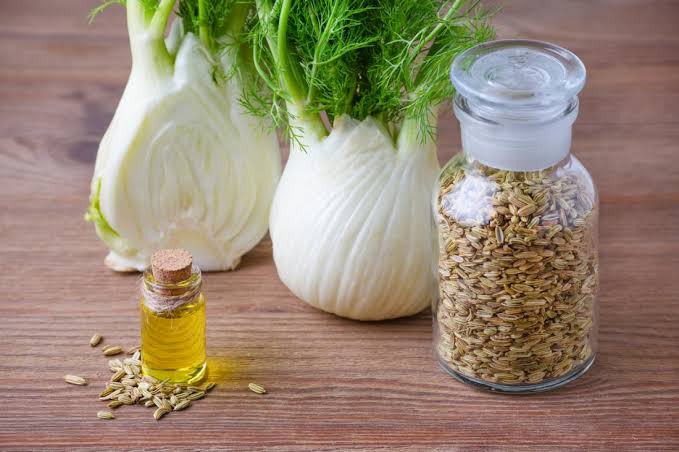
Here are five common uses of fennel seeds:
1. Culinary Flavoring: Fennel seeds are widely used in cooking to add a distinct, sweet, and licorice-like flavor to a variety of dishes. They are often included in spice blends, soups, stews, curries, and pickles.
2. Herbal Tea: Fennel seeds are commonly used to make a soothing herbal tea. This tea is known for its digestive benefits and is often consumed after meals to ease indigestion, bloating, and discomfort.
3. Breath Freshener: Chewing a few fennel seeds can help freshen your breath naturally. This is a common practice in many cultures, particularly after meals.
4. Aromatherapy: Fennel seed essential oil is used in aromatherapy for its calming and grounding effects. It is sometimes added to massage oils or diffused to create a calming atmosphere.
5. Medicinal Remedies: Fennel seeds have been used in traditional medicine for various purposes, including relieving menstrual discomfort, reducing cough and respiratory issues, and promoting overall well-being. However, it’s essential to consult a healthcare professional before using them for medicinal purposes.
These are just a few of the versatile uses of fennel seeds in culinary and traditional practices. Fennel seeds’ unique flavor and potential health benefits make them a valuable addition to both the kitchen and natural medicine cabinet.
Fennel Pollen
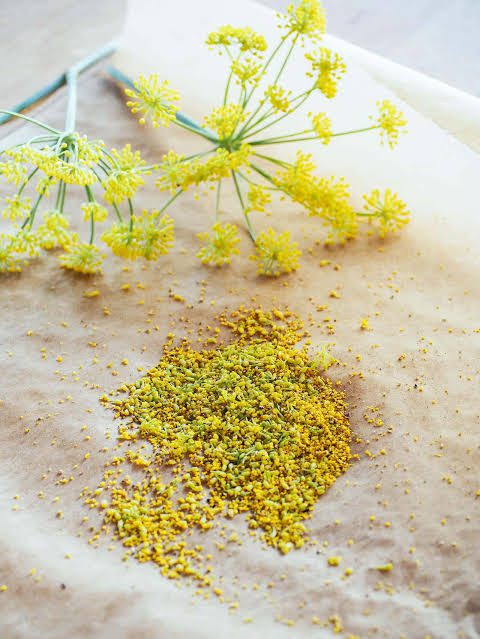
Fennel pollen is a nice spice that comes from the beautiful yellow flowers of the fennel plant. It’s a unique and flavorful seasoning that has been used in Mediterranean cuisine for centuries. In this article, we’ll explore what fennel pollen is, how it’s harvested, its culinary uses, and the potential health benefits it offers.
Fennel pollen is the powdery substance collected from the flowering tops of the fennel plant, scientifically known as Foeniculum vulgare. These small, aromatic flowers burst forth with a sweet and slightly licorice-like flavor, and the pollen they produce is highly fragrant.
Harvesting fennel pollen is a delicate process. The flowers are typically left to bloom fully, and then the pollen is collected by shaking or gently tapping the flowers over a screen or container. This meticulous method ensures that only the pollen is gathered, leaving the rest of the plant intact for future growth. The pollen is then carefully dried to preserve its flavor and aroma.
Uses of Fennel Pollen
Fennel pollen is a versatile spice that can elevate the flavor of various dishes. It’s often described as having a complex taste profile that combines sweetness, hints of licorice, and a touch of citrus. Here are some common culinary uses:
1. Seasoning: Fennel pollen can be used as a seasoning for meats, fish, and vegetables. It pairs exceptionally well with pork, lamb, and seafood, adding a unique depth of flavor.
2. Baking: Bakers and pastry chefs appreciate fennel pollen for its ability to enhance the taste of bread, cakes, and pastries. It can be sprinkled on top or incorporated into the dough.
3. Salads: A pinch of fennel pollen can transform a simple salad, bringing a burst of aromatic freshness to the greens.
4. Infusions: Fennel pollen can be infused into oils, vinegars, or even honey to create unique and flavorful condiments.
5. Cocktails: Some mixologists experiment with fennel pollen to craft distinctive cocktails with a hint of licorice undertones.
Health Benefits of Funnel Pollen
While fennel pollen is primarily used as a culinary spice, it also offers potential health benefits. It contains various vitamins, minerals, and antioxidants that may support well-being. Some of its potential health benefits include:
1. Digestive Aid: Fennel pollen is known for its digestive properties and may help alleviate bloating and indigestion.
2. Antioxidant Properties: The pollen contains antioxidants that can help combat oxidative stress in the body.
3. Anti-Inflammatory: Some studies suggest that fennel pollen may have anti-inflammatory effects, which could be beneficial for overall health.
4. Rich in Nutrients: Fennel pollen is a source of essential nutrients like vitamin C, calcium, and iron, which contribute to a balanced diet.
Frequently Asked Questions About Fennel Seeds
1. What are fennel seeds? Fennel seeds are the dried fruits from the Foeniculum vulgare plant, known for their sweet, licorice-like flavor and use as a spice in cooking and traditional medicine.
2. What are the health benefits of fennel seeds? They support digestion, reduce inflammation, aid lactation, promote heart health through potassium and fiber, and may help with weight management by curbing appetite.
3. How do you use fennel seeds in cooking? Fennel seeds can be toasted and added to curries, breads, sausages, or salads; they are also ground into spice blends or used whole in pickling and baking.
4. Can fennel seeds help with digestion? Yes, their fiber and compounds like anethole relax the gut, easing bloating, gas, and indigestion, as supported by studies on gastrointestinal relief.
5. Are fennel seeds safe during pregnancy? In small culinary amounts, yes, but high doses or essential oils may pose risks like hormonal interference; consult a doctor before medicinal use.
6. How do you make fennel seed tea? Steep 1-2 teaspoons of crushed fennel seeds in hot water for 5-10 minutes; drink 1-3 times daily for digestive or relaxation benefits.
7. What is the nutritional value of fennel seeds? They are rich in fiber, protein, calcium, iron, magnesium, and antioxidants, providing about 345 calories per 100 grams with low fat and high carbs.
8. Can fennel seeds help with weight loss? Early studies indicate they reduce appetite and overeating, potentially aiding weight management when incorporated into a balanced diet.
9. Are there any side effects of fennel seeds? Generally safe in moderation, but large amounts may cause allergic reactions, estrogen-like effects, or interactions with medications; avoid if allergic to carrots or celery.
Do you have any questions, suggestions, or contributions? If so, please feel free to use the comment box below to share your thoughts. We also encourage you to kindly share this information with others who might benefit from it. Since we can’t reach everyone at once, we truly appreciate your help in spreading the word. Thank you very much for your support and for sharing!
Disclaimer: This article is for educational and informational purposes only. The health benefits described are based on scientific research and traditional knowledge. They are not a substitute for professional medical advice, diagnosis, or treatment. Always consult a healthcare professional before using any herb or natural remedy for medical purposes.