


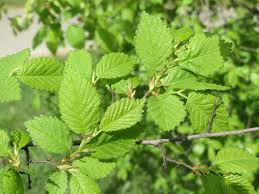
Slippery Elm is a special tree with a slippery name. Slippery Elm’s real name is Ulmus rubra, but people like to call it Slippery Elm because of its slippery inner bark. This inner bark has been used for a very long time by Native Americans and early settlers for many different reasons.
The inner bark of Slippery Elm is gooey and sticky when mixed with water. People used to make a special kind of porridge from it. They mixed the inner bark with water and made a thick, slimy porridge. This porridge was easy to eat, especially when someone had a sore throat or a tummy ache. It could soothe the pain and make you feel better.
Another great thing about Slippery Elm is that it’s like a gentle friend for your stomach. When you have an upset stomach or heartburn, Slippery Elm can help calm things down. It’s like a natural medicine that doesn’t have any harsh chemicals.
Slippery Elm can also help when your throat feels scratchy and sore. If you have a cough or a cold, a warm drink made with Slippery Elm can be really comforting. It’s like a warm, soothing hug for your throat.
But Slippery Elm doesn’t just help inside your body. It’s also useful on the outside. People used to use it to make salves and ointments. These ointments were put on the skin to help with burns, wounds, or insect bites. Slippery Elm can be like a gentle healer for your skin.
So, in simple words, Slippery Elm is like a helpful friend that can soothe your tummy, calm your throat, and even make your skin feel better. It’s a special tree with a slippery name that has been a friend to many people for a very long time.
Read Also: Rust Disease on Beans Production: Identification & Control
How to Grow the Slippery Elm Tree
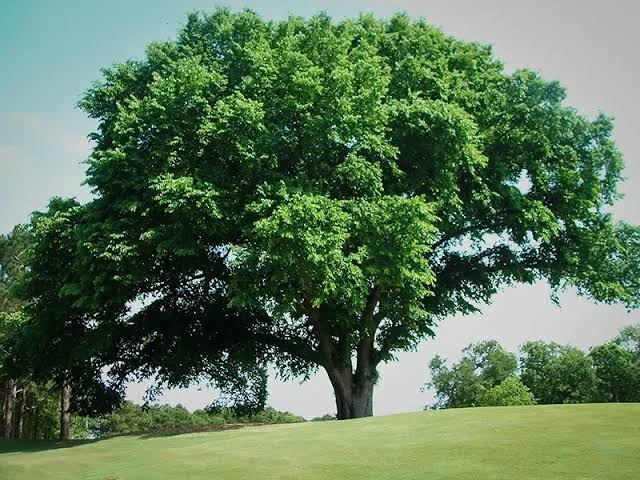
Growing Slippery Elm is a wonderful way to enjoy the benefits of this unique tree in your own space. Here are simple steps to help you grow Slippery Elm:
1. Choose the Right Location: Find a suitable spot in your yard or garden. Slippery Elms prefer full sun to partial shade, so pick a spot that receives at least 6 hours of sunlight each day.
2. Prepare the Soil: Slippery Elms thrive in well-drained soil. Ensure the soil is rich, loamy, and slightly acidic. You can improve the soil by adding organic matter like compost.
3. Get the Seeds or Seedlings: You can either grow Slippery Elm from seeds or purchase young seedlings from a nursery. If using seeds, you might need to scarify them (gently scratch the seed coat) or stratify them (simulate winter conditions) to help with germination.
4. Planting: If you’re planting seeds, sow them in the spring. If you have seedlings, plant them in a hole twice the size of the root ball. Make sure to space multiple trees at least 20 feet apart to allow for proper growth.
5. Watering: Young Slippery Elms need regular watering to establish their roots. Keep the soil consistently moist but not waterlogged. Once the tree is established, it can tolerate some drought.
6. Mulch and Fertilize: Apply a layer of mulch around the base of the tree to retain moisture and suppress weeds. Fertilize your Slippery Elm with a balanced, slow-release fertilizer in the spring.
7. Pruning: As your tree grows, you can prune it to shape it or remove any dead or damaged branches. Pruning is best done during the dormant season in late winter or early spring.
8. Pest and Disease Control: Keep an eye out for common tree pests and diseases. Regular inspection can help you catch any problems early and take appropriate action.
9. Patience: Growing trees takes time. Slippery Elms are slow growers, and it may take several years before your tree reaches a mature size.
10. Enjoy and Care: Once your Slippery Elm is established, you can enjoy its benefits, such as shade and the potential to harvest some of its inner bark if done sustainably. Continue to care for your tree by watering and occasional fertilization.
Growing Slippery Elm can be a rewarding experience, and it’s a great way to contribute to the environment by planting a native tree species. Just remember to be patient and give your tree the care it needs to thrive.
13 Health Benefits of the Slippery Elm
Slippery Elm, a unique tree with many traditional uses, is believed to offer several health benefits. While some of these benefits are based on historical usage and anecdotal evidence, it’s essential to consult with a healthcare professional for specific medical advice. Here are 13 potential health benefits of Slippery Elm:
1. Soothes Sore Throat: Slippery Elm can provide relief from the discomfort of a sore throat when consumed as a tea or lozenge.
2. Eases Coughing: It may help reduce coughing when used as a natural cough remedy.
3. Digestive Aid: Slippery Elm’s mucilage can coat the digestive tract, potentially easing irritation and soothing conditions like gastritis and heartburn.
4. Gastrointestinal Health: It is believed to be beneficial for various digestive issues, including irritable bowel syndrome (IBS), constipation, and diarrhea.
5. Ulcer Support: Slippery Elm might help protect and soothe ulcers in the stomach and intestines.
6. Irritable Bowel Syndrome (IBS): Some individuals find relief from IBS symptoms such as abdominal pain and discomfort by using Slippery Elm.
7. Inflammatory Bowel Disease (IBD): It may offer relief to those with conditions like Crohn’s disease and ulcerative colitis by reducing inflammation.
8. Weight Management: Slippery Elm supplements may promote weight loss due to its potential to increase feelings of fullness.
9. Skin Health: When applied topically, Slippery Elm can help soothe skin irritations, including burns, rashes, and insect bites.
10. Respiratory Health: It may help with respiratory conditions like asthma and bronchitis by reducing inflammation in the airways.
11. Detoxification: Some proponents believe that Slippery Elm can aid in detoxifying the body by absorbing toxins from the gastrointestinal tract.
12. Diabetes Management: There is limited research suggesting that Slippery Elm may help regulate blood sugar levels, but more studies are needed to confirm this effect.
13. Oral Health: It can be used as an ingredient in natural toothpaste and mouthwash products to support gum health.
Scientific Evidence and Case Studies on Slippery Elm Tree
1. Gastrointestinal Protection: Studies show that Ulmus rubra (Slippery Elm) bark forms a soothing mucilage that coats the stomach and intestines, relieving conditions like acid reflux, gastritis, and ulcers.
2. Sore Throat and Respiratory Relief: Research indicates that slippery elm helps soothe sore throats, coughs, and bronchial irritation by coating mucous membranes and reducing inflammation.
3. Anti-inflammatory Properties: Scientific evidence reveals that slippery elm contains polysaccharides and phenolic compounds that exhibit strong anti-inflammatory and antioxidant activities.
4. Wound Healing Support: Studies demonstrate that slippery elm’s mucilage promotes external wound healing and tissue regeneration due to its soothing and hydrating properties.
5. Colon Health and Detoxification: Research suggests that slippery elm supports bowel regularity and aids in detoxification by easing irritation and inflammation in the digestive tract.
Nutritional Value Of Slippery Elm Tree
1. Rich in Mucilage: The inner bark contains a gelatinous fiber that soothes mucous membranes in the digestive and respiratory systems.
2. Contains Antioxidants: Slippery elm provides phenolic compounds that help reduce oxidative stress and inflammation.
3. Provides Dietary Fiber: The mucilage acts as a soluble fiber, aiding digestion and supporting gut health.
4. Promotes Hydration: The bark’s soothing texture helps maintain hydration in mucous tissues and skin.
5. Contains Trace Minerals: It includes small amounts of calcium, magnesium, and potassium that support bodily functions.
6. Supports Digestive Balance: Its compounds promote healthy gut flora and protect the intestinal lining.
7. Natural Soothing Agent: The bark’s slippery texture calms irritated tissues throughout the body.
Reaf Also: Root Rots Disease on Beans Production: Identification & Control
Slippery Elm Tea
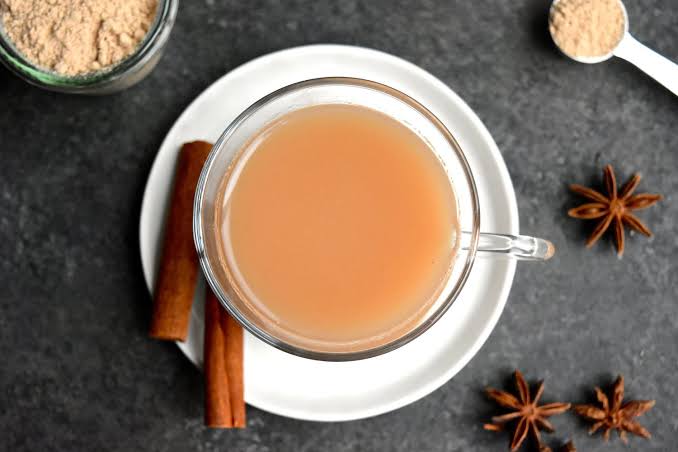
Slippery Elm tea is a natural drink made from the inner bark of the Slippery Elm tree, scientifically known as Ulmus rubra. This tree is native to North America and has been used for centuries by Indigenous peoples for its medicinal properties.
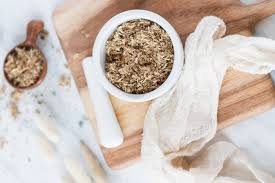
To make Slippery Elm tea, the inner bark is carefully harvested and then dried. Once dried, it can be ground into a fine powder or used in its natural form as coarse flakes. This inner bark contains mucilage, a substance that becomes gel-like when mixed with water, giving Slippery Elm tea its unique texture and soothing properties.
The preparation of Slippery Elm tea is quite simple. All you need to do is add the powdered or flaked bark to boiling water and allow it to steep for a few minutes. The result is a thick, viscous liquid with a slightly sweet and nutty flavor. Many people enjoy Slippery Elm tea for its taste, but its benefits go far beyond its pleasant flavor.
One of the key reasons people turn to Slippery Elm tea is for its soothing and healing properties. It is renowned for its ability to coat and soothe the throat and gastrointestinal tract. If you have a sore throat, cough, or digestive discomfort, Slippery Elm tea can provide relief. Its mucilage content forms a protective layer that reduces irritation and inflammation.
In addition to its soothing effects, Slippery Elm tea has been traditionally used to address various health issues. It is often recommended for individuals with conditions like heartburn, acid reflux, and irritable bowel syndrome (IBS). Its gentle nature makes it suitable for those with sensitive stomachs.
Furthermore, Slippery Elm tea is considered safe for pregnant and nursing women, as well as children, making it a versatile remedy for the whole family. It is also used as a natural remedy for diarrhea, thanks to its ability to absorb excess fluids and toxins in the digestive tract.
Beyond its internal uses, Slippery Elm tea has also found its way into the world of natural skincare. Its soothing properties make it a common ingredient in lotions, creams, and ointments, often used to alleviate skin irritation, burns, and minor wounds.
It is very important to note that while Slippery Elm tea offers many potential benefits, it should not be considered a cure-all. If you have a serious medical condition or are taking medication, it’s crucial to consult with a healthcare professional before incorporating Slippery Elm tea into your routine.
Slippery Elm tea is a time-tested natural remedy with a wide range of potential benefits. Its soothing properties make it a popular choice for addressing throat and digestive discomfort, and its gentle nature makes it suitable for various age groups. Whether you enjoy it for its taste or rely on it for its healing properties, Slippery Elm tea is a valuable addition to your wellness routine.
Slippery Elm Bark
Slippery elm bark is the inner bark of the Slippery Elm tree, scientifically known as Ulmus rubra. It is a valuable natural resource that has been used for centuries for its medicinal and therapeutic properties.
Slippery elm bark has a distinctive appearance. When peeled from the tree, it appears reddish-brown on the outside and has a smooth, slippery texture on the inner side. This inner side is where the medicinal properties of the bark reside.
To prepare slippery elm bark for various applications, it is typically harvested, dried, and then processed into either a fine powder or coarse flakes. This processed bark can then be used in different forms, including capsules, teas, lozenges, and topical ointments.
One of the advantages of slippery elm bark is its safety profile. It is considered safe for most people, including pregnant and nursing women, as well as children. However, as with any natural remedy, it’s advisable to consult with a healthcare professional, especially if you have underlying health conditions or are taking medication.
Frequently Asked Questions About Slippery Elm Tree
1. What is the Slippery Elm Tree?
The Slippery Elm Tree (Ulmus rubra) is a North American tree whose inner bark is used for medicinal purposes, especially for soothing the digestive and respiratory systems.
2. What are the main benefits of Slippery Elm?
It relieves sore throat, supports digestion, heals ulcers, and soothes inflammation in the body.
3. How does Slippery Elm help the digestive system?
Its mucilage forms a protective coating over the stomach and intestines, reducing irritation and promoting healing.
4. Can Slippery Elm help with coughs or sore throats?
Yes, it coats the throat and reduces coughing, irritation, and dryness.
5. Is Slippery Elm good for acid reflux?
Yes, it helps neutralize stomach acid and soothes the esophagus, making it effective for acid reflux or GERD relief.
6. Can Slippery Elm be used for wounds or skin irritation?
Yes, it can be applied externally as a poultice to soothe burns, wounds, or inflamed skin.
7. Does Slippery Elm have any side effects?
It is generally safe, though excessive intake may interfere with the absorption of some medications.
8. Can pregnant women use Slippery Elm?
It should be used with caution during pregnancy and only under medical supervision.
9. How is Slippery Elm usually consumed?
It is available as tea, capsules, powder, or lozenges for internal or topical use.
10. Who should avoid using Slippery Elm?
People on prescription medications should consult a healthcare provider before use to avoid absorption interference.
Do you have any questions, suggestions, or contributions? If so, please feel free to use the comment box below to share your thoughts. We also encourage you to kindly share this information with others who might benefit from it. Since we can’t reach everyone at once, we truly appreciate your help in spreading the word. Thank you very much for your support and for sharing!
Disclaimer: This article is for educational and informational purposes only. The health benefits described are based on scientific research and traditional knowledge. They are not a substitute for professional medical advice, diagnosis, or treatment. Always consult a healthcare professional before using any herb or natural remedy for medical purposes.
Read Also: How to Setup a Tomato Farm