


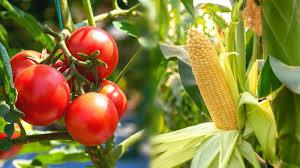
This article outlines effective techniques for growing sweet corn and tomatoes using compost and manure. These methods emphasize soil preparation, nutrient management, and planting strategies to ensure healthy crops. Both vegetables require specific conditions, and this guide provides practical steps for success.
Read Also: Types and Recommended Duration for your Physical Activity
Sweet Corn Cultivation
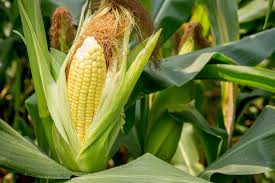
Sweet corn, a hardy and popular vegetable, thrives in warm conditions and requires careful planting and soil management. This section details the steps for growing sweet corn using compost and manure techniques to maximize yield and quality.
A. Optimal Growing Conditions
Sweet corn grows best in temperatures between 15-25°C, preferring warmer climates. Ideal planting times are from spring through summer. Unlike other maize varieties, sweet corn requires higher population density, so thinning is not necessary.
B. Field Layout and Spacing
To ensure healthy growth, plant sweet corn at 60cm intervals between plants and 75cm between rows. This spacing accommodates the crop’s need for dense planting. Use a measuring rope to maintain consistent spacing across rows.
C. Soil Preparation
1. Remove God’s Blanket: Move the mulch layer 30cm downslope from each planting station to expose the soil.
2. Soil Fracturing: If soils are compacted, fracture each 75cm row line to 30cm deep to improve root growth.
3. Dig Planting Stations: Create 15cm deep, 12cm wide, and 15cm long planting stations at 60cm intervals, heaping soil downslope for reuse.
D. Nutrient Application
1. Correcting Acidic Soils: Apply 1 tablespoon of wood ash/bonemeal or 1 teaspoon of lime per planting station to neutralize acidic soils.
2. Compost/Manure: Add 500ml of compost or fresh manure, high in nitrogen, to each station to boost nutrient availability.
3. Soil Separation Layer: Cover inputs with a 3cm soil layer, leaving a 5cm planting depth.
E. Planting and Maintenance
1. Planting Seeds: Place three seeds per station (left, middle, right) and cover with soil from the downslope heap. Replace the 2.5cm mulch blanket to suppress weeds.
2. Top Dressing: If yellowing occurs, apply a teaspoon of urea or 350ml of manure tea 3cm deep, upslope, at knee height and piping stages.
3. Harvesting: Harvest when the last silks on cobs begin drying for sweet, succulent corn.
Read Also: Plant Breeding For Disease and Pest Resistance and Their Inheritance
Tomato Cultivation
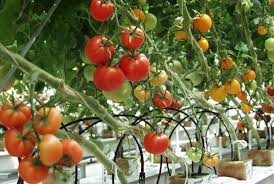
Tomatoes, rich in vitamins A, C, E, and antioxidants, are challenging to grow but rewarding with proper care. This section covers techniques for planting determinate and indeterminate tomato varieties using compost and manure for optimal results.
A. Growing Conditions and Challenges
Tomatoes thrive in 20-27°C temperatures, with spring to early summer as the best planting time. They require deep, fertile, well-drained soils and excellent pest control. Novice growers should build experience and soil health before attempting tomatoes.
B. Field Layout and Support
1. Spacing for Determinate Varieties: Plant at 60cm between plants and 75cm between rows for home gardens, or 150cm between rows for field-scale.
2. Spacing for Indeterminate Varieties: Use 60cm between plants and 150cm between rows due to their climbing nature.
3. Trellis Support: Build a trellis network along rows to support heavy fruit and prevent lodging.
C. Soil and Planting Station Preparation
1. Remove God’s Blanket: Move mulch 30cm downslope to expose soil at planting stations.
2. Soil Fracturing: Fracture soil to 30cm deep along 75cm row lines to enhance root penetration.
3. Dig Planting Stations: Create 15cm deep, 12cm wide, and 15cm long stations at 60cm intervals, with 75cm or 150cm row spacing based on variety.
D. Nutrient Management
1. Correcting Acidic Soils: Add 1 tablespoon of wood ash/bonemeal or 1 teaspoon of lime per station to balance soil pH.
2. Compost/Manure Application: Use 500ml of compost or mature manure per station to avoid excessive leaf growth.
3. Covering Inputs: Cover inputs with soil from the downslope heap and replace the 2.5cm mulch blanket.
E. Planting Seedlings and Pest Control
1. Transplanting Seedlings: At 10-12cm tall, transplant seedlings into stations, ensuring roots are straight and soil is pressed gently around them.
2. Pest Prevention: Maintain healthy soils, thick mulch, and nutrient supply to reduce stress and pest susceptibility.
3. Crop Rotation: Use a two-year break for solanaceous crops to minimize pest and disease risks.
Frequently Asked Questions
1. What is the best time to plant sweet corn and tomatoes?
Sweet corn and tomatoes should be planted from spring through early summer, with sweet corn thriving at 15-25°C and tomatoes at 20-27°C.
2. Why is soil fracturing important for these crops?
Fracturing compacted soil to 30cm deep improves root growth, ensuring sweet corn and tomatoes access nutrients and water effectively.
3. How much compost or manure should be applied per planting station?
Apply 500ml of compost or manure per planting station for both sweet corn and tomatoes to provide essential nutrients.
4. Can I use fresh manure for tomatoes?
Use mature manure for tomatoes to avoid excessive leaf growth, which can reduce fruit production.
5. How do I prevent pests in tomato crops?
Maintain healthy soils, use thick mulch, and rotate crops every two years. Organic options like neem oil can also help.
6. When should I harvest sweet corn?
Harvest sweet corn when the last silks on the cobs start drying to ensure the kernels are sweet and succulent.
7. Why is a trellis necessary for tomatoes?
Tomatoes, especially indeterminate varieties, produce heavy fruit and are prone to lodging, so a trellis provides essential support.
8. How many seeds should I plant per sweet corn station?
Plant three sweet corn seeds per station (left, middle, right) and avoid thinning due to the crop’s need for high density.
Do you have any questions, suggestions, or contributions? If so, please feel free to use the comment box below to share your thoughts. We also encourage you to kindly share this information with others who might benefit from it. Since we can’t reach everyone at once, we truly appreciate your help in spreading the word. Thank you very much for your support and for sharing!