


Bitterleaf, or Vernonia amygdalina, is a cherished plant in African herbal medicine. Known as grawa, ewuro, or onugbu, it grows across sub-Saharan Africa. Its bitter taste masks powerful medicinal properties, used for centuries to treat ailments, earning it a revered status in traditional healing.
This shrub thrives in diverse environments, from forests to grasslands. Its leaves, often featured in dishes like Nigeria’s ofe onugbu, are rich in bioactive compounds. These contribute to its therapeutic potential, making bitterleaf a staple in both culinary and medicinal practices across cultures.
Bitterleaf’s versatility extends to its roots, stems, and leaves, all harnessed for health benefits. From managing diabetes to fighting infections, its applications are vast. Modern science is now validating its traditional uses, sparking interest in its global medicinal potential.
Nutritionally, bitterleaf is a powerhouse, packed with vitamins, minerals, and antioxidants. These nutrients support immunity, detoxification, and overall wellness. Its affordability and accessibility make it a practical choice for natural remedies in resource-limited settings.
The plant’s bitterness, which can be reduced by washing or boiling, doesn’t detract from its value. Bitterleaf bridges traditional knowledge with modern health practices, offering a natural approach to wellness that’s both effective and sustainable.
This article explores bitterleaf’s nutritional value, health benefits, scientific backing, and common questions. By delving into its properties, we highlight why Vernonia amygdalina remains a cornerstone of natural healing and dietary health.
Read Also: Reasons why Bitter-Leaf is good for you
Nutritional Value of Bitterleaf

1. Proteins: Bitterleaf contains about 12.8g of protein per 100g of dry leaves. These provide amino acids like aspartic acid, vital for tissue repair, muscle growth, and enzyme function, supporting overall body maintenance and recovery.
2. Fiber: With 37.8g of fiber per 100g, bitterleaf aids digestion. Fiber promotes regular bowel movements, lowers cholesterol, and stabilizes blood sugar, contributing to heart health and a balanced digestive system.
3. Calcium: Bitterleaf offers 249mg of calcium per 100g, essential for strong bones and teeth. Calcium also supports muscle function and nerve signaling, reducing the risk of osteoporosis and cardiovascular issues.
4. Magnesium: Containing 39mg of magnesium per 100g, bitterleaf supports energy production and muscle relaxation. Magnesium helps regulate blood pressure and nerve function, promoting heart health and stress reduction.
5. Iron: With 121mg of iron per 100g, bitterleaf boosts red blood cell production. Iron prevents anemia, enhances oxygen transport, and supports cognitive function, particularly benefiting women and children.
6. Zinc: Bitterleaf provides 0.8mg of zinc per 100g, strengthening immunity and aiding wound healing. Zinc supports skin health and DNA formation, crucial for growth and infection resistance.
7. Vitamin A: Rich in vitamin A, bitterleaf promotes healthy vision and skin. As an antioxidant, it protects cells from damage, boosts immunity, and reduces the risk of chronic diseases.
8. Vitamin C: Bitterleaf’s vitamin C content enhances immunity and collagen formation. This antioxidant supports wound healing, fights oxidative stress, and improves iron absorption for better overall health.
9. Vitamin E: Bitterleaf contains vitamin E, which protects cells from free radical damage. It supports skin health, reduces inflammation, and may lower the risk of heart disease.
10. Flavonoids: Bitterleaf’s flavonoids, like quercetin, offer antioxidant and anti-inflammatory benefits. They neutralize free radicals, reduce inflammation, and protect against chronic conditions like cancer and diabetes.
Health Benefits of Bitterleaf
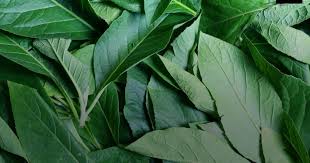
1. Fever Reduction: Bitterleaf’s andrographolide and flavonoids lower body temperature by reducing internal heat. Used widely in African remedies, it effectively manages feverish conditions, providing relief from discomfort.
Usage: Boil 10g of dried bitterleaf and 25g of dried turmeric in 200ml of water until 100ml remains. Add 100ml of honey, divide into three parts, and drink warm three times daily.
2. Cancer Prevention: Andrographolide in bitterleaf inhibits cancer cell growth, particularly in liver and lung tumors. Its immune-boosting properties may prevent tumor development, offering potential as a natural anticancer agent.
Usage: Boil 15g of dried bitterleaf in 3 cups of water until 1 cup remains. Drink ½ cup twice daily for two weeks. Consult a doctor for prolonged use.
3. Immune System Boost: Bitterleaf’s panni colin and other compounds enhance immunity, increasing resistance to infections like colds or even AIDS, as noted in some U.S. patents.
Usage: Boil 10g of dried bitterleaf in 2 cups of water for 15 minutes. Drink 1 cup twice daily to strengthen immunity.
4. Appendicitis Treatment: Bitterleaf’s anti-inflammatory and antiseptic properties reduce appendicitis-related inflammation and pain, supporting recovery in the digestive tract.
Usage: Boil 30g of fresh bitterleaf in 400ml of water until half remains. Add 1 tablespoon of honey, cool, and drink three times daily.
5. Dysentery Relief: Bitterleaf targets Shigella bacteria, reducing blood and mucus in stools. Its antimicrobial action soothes gastrointestinal distress, aiding dysentery recovery.
Usage: Boil 9–15g of dried bitterleaf in 3 cups of water until 1 cup remains. Drink ½ cup twice daily after cooling.
6. Diarrhea Management: Bitterleaf regulates bowel movements and fights diarrhea-causing infections. Its bioactive compounds calm the digestive system, reducing dehydration risks.
Usage: Boil 10g of dried bitterleaf in 2 cups of water for 10 minutes. Drink ½ cup twice daily until symptoms improve.
7. Typhoid Treatment: Bitterleaf’s antibacterial properties combat typhoid-causing bacteria, reducing fever and supporting recovery by cleansing the system.
Usage: Boil 15g of dried bitterleaf in 3 cups of water until 1 cup remains. Drink ½ cup twice daily for one week.
8. Stomachache Relief: Chewing bitterleaf stems or drinking its juice quickly eases stomach pain. Its antispasmodic effects relax digestive muscles. Example: Chidi, a Nigerian farmer, used bitterleaf juice to relieve chronic post-meal stomachaches, noticing relief within minutes.
Usage: Chew a tender bitterleaf stem or squeeze juice from fresh leaves, add a pinch of salt, and drink 3 tablespoons.
9. Prostate Cancer Support: Bitterleaf increases urine flow and reduces prostate inflammation. Its antioxidants may slow cancer cell growth, supporting prostate health.
Usage: Squeeze fresh bitterleaf leaves to make 1 cup of juice. Drink four times daily, monitoring with regular checkups.
10. Insomnia Relief: Bitterleaf promotes relaxation, improving sleep quality. Its calming effects help those with sleeplessness achieve restful nights.
Usage: Boil 10g of dried bitterleaf in 2 cups of water for 10 minutes. Drink 1 cup at night for two weeks.
11. Fertility Enhancement: Bitterleaf detoxifies the body, improving ovarian function and boosting fertility by reducing antibody pollution in women.
Usage: Boil 15g of fresh bitterleaf in 3 cups of water until 1 cup remains. Drink ½ cup daily for one month.
12. Malaria Treatment: Bitterleaf’s sesquiterpene lactones reduce malaria parasite load and fever, supporting traditional use. Example: Ama, a Ghanaian teacher, used bitterleaf tea to manage recurring malaria, reporting fewer symptoms after consistent use.
Usage: Boil 20g of fresh bitterleaf in 4 cups of water until 1 cup remains. Drink ½ cup twice daily for 5 days.
13. Diabetes Management: Bitterleaf regulates blood sugar through its hypoglycemic effects, stabilizing glucose metabolism for diabetes control.
Usage: Boil 15g of dried bitterleaf in 3 cups of water until 1 cup remains. Drink ½ cup twice daily before meals.
14. Digestive Health: Bitterleaf stimulates digestive enzymes, relieving indigestion and bloating while promoting nutrient absorption and gut health.
Usage: Boil 10g of fresh bitterleaf in 2 cups of water for 10 minutes. Drink ½ cup after meals.
15. Appetite Stimulation: Bitterleaf boosts appetite in those recovering from illness, aiding nutritional intake and supporting recovery.
Usage: Boil 10g of dried bitterleaf in 2 cups of water for 15 minutes. Drink ½ cup before meals daily.
16. Skin Condition Treatment: Bitterleaf’s antimicrobial properties treat rashes, acne, and eczema when applied topically, reducing inflammation and infection.
Usage: Squeeze fresh bitterleaf leaves and apply the juice to affected skin twice daily, avoiding open wounds.
17. Blood Pressure Reduction: Bitterleaf’s ethanol extracts relax blood vessels, lowering blood pressure. Example: Tunde, a Lagos trader, used bitterleaf tea to manage hypertension, seeing improved readings after a month.
Usage: Boil 15g of dried bitterleaf in 3 cups of water until 1 cup remains. Drink ½ cup twice daily.
18. Cholesterol Reduction: Bitterleaf’s fiber and antioxidants lower bad cholesterol, reducing heart disease risk and supporting cardiovascular health.
Usage: Boil 10g of fresh bitterleaf in 2 cups of water for 10 minutes. Drink 1 cup daily.
19. Liver Protection: Bitterleaf’s flavonoids protect the liver from toxins, supporting detoxification and preventing liver disease.
Usage: Boil 15g of dried bitterleaf in 3 cups of water until 1 cup remains. Drink ½ cup daily for two weeks.
20. Anti-Inflammatory Effects: Bitterleaf inhibits proinflammatory cytokines, reducing pain and swelling in conditions like arthritis.
Usage: Boil 10g of dried bitterleaf in 2 cups of water for 10 minutes. Drink 1 cup daily.
21. Antimicrobial Activity: Bitterleaf fights bacterial and fungal infections, effective for skin and gastrointestinal issues.
Usage: Boil 15g of fresh bitterleaf in 3 cups of water until 1 cup remains. Drink ½ cup twice daily.
22. Antioxidant Properties: Bitterleaf’s flavonoids neutralize free radicals, protecting cells from oxidative stress and chronic diseases.
Usage: Boil 10g of dried bitterleaf in 2 cups of water for 15 minutes. Drink 1 cup daily.
23. Weight Loss Support: Bitterleaf boosts metabolism and reduces appetite, aiding weight loss. Example: Wanjiku, a Kenyan student, added bitterleaf soup to her diet, losing 5kg in two months.
Usage: Boil 10g of fresh bitterleaf in 2 cups of water for 10 minutes. Drink ½ cup before meals daily.
24. Worm Expulsion: Bitterleaf’s anthelmintic properties expel intestinal worms, improving gut health and nutrient absorption.
Usage: Boil bitterleaf roots and stalks in 3 cups of water until 1 cup remains. Drink ½ cup twice daily.
25. Breast Milk Production: Bitterleaf stimulates lactation, helping nursing mothers increase milk supply for infant nutrition.
Usage: Boil 10g of fresh bitterleaf in 2 cups of water for 10 minutes. Drink 1 cup daily.
26. Pain Relief: Bitterleaf’s antinociceptive properties reduce muscle and joint pain, improving mobility and comfort.
Usage: Boil 15g of dried bitterleaf in 3 cups of water until 1 cup remains. Drink ½ cup daily.
27. Hepatitis Support: Bitterleaf’s hepatoprotective effects reduce liver inflammation, aiding hepatitis management and detoxification.
Usage: Boil 15g of fresh bitterleaf in 3 cups of water until 1 cup remains. Drink ½ cup twice daily.
28. Wound Healing: Bitterleaf juice, applied topically, prevents infection and speeds healing of minor wounds.
Usage: Squeeze fresh bitterleaf leaves and apply the juice to minor wounds twice daily, avoiding deep cuts.
29. Blood Detoxification: Bitterleaf cleanses the blood, removing toxins and supporting overall health to prevent sickness.
Usage: Boil 10g of dried bitterleaf in 2 cups of water for 15 minutes. Drink 1 cup daily.
Read Also: Female Fish and their Reproductive Strategies
Scientific Evidence and Case Studies on Bitterleaf

1. Anti-Malarial Activity: Abosi and Raseroka (2003) showed bitterleaf extracts reduced malaria parasite load in mice, supporting its traditional use (Abosi, A. O., & Raseroka, B. H., 2003, British Journal of Biomedical Science, 60(2), 89–91).
2. Antidiabetic Properties: Archna Talwar et al. (1992) found bitterleaf leaf extracts lowered blood sugar in diabetic rabbits, validating its diabetes management potential (Akah, P. A., & Okafor, C. L., 1992, Phytotherapy Research, 6(3), 171–173).
3. Anti-Inflammatory Effects: Adedapo et al. (2014) demonstrated that bitterleaf acetone extracts reduced inflammation in animals by inhibiting cytokines (Adedapo, A. A., et al., 2014, Journal of Pharmacognosy and Phytochemistry, 3(1), 57–62).
4. Hepatoprotective Effects: Adesanoye and Farombi (2010) confirmed bitterleaf protected rat livers from toxin-induced damage, aiding detoxification (Adesanoye, O. A., & Farombi, E. O., 2010, Experimental and Toxicologic Pathology, 62(1), 47–53).
5. Antimicrobial Activity: Akinpelu (1999) reported bitterleaf’s antibacterial effects against clinical isolates, supporting its use for infections (Akinpelu, D. A., 1999, Fitoterapia, 70(3), 232–234).
6. Antidiabetic and Anti-Hypertensive Effects: A 2020 study in the Journal of Food Biochemistry found bitterleaf reduced blood pressure and sugar in rats, correlating with enzyme activity (Journal of Food Biochemistry, 2020, 44(6), e13206).
7. Anti-Obesity Effects: Atangwho et al. (2013) showed bitterleaf reduced body weight in obese rats, supporting weight loss benefits (Atangwho, I. J., et al., 2013, Evidence-Based Complementary and Alternative Medicine, 2016, 8252741).
Frequently Asked Questions About Bitterleaf
1. What is bitterleaf, and where does it grow?
Bitterleaf (Vernonia amygdalina) is a medicinal shrub native to tropical Africa, found in forests, grasslands, and along rivers. It’s also cultivated in Asia for culinary and health purposes.
2. How can I make bitterleaf less bitter?
Soak or boil the leaves, changing the water multiple times. This reduces bitterness while preserving nutrients, making it ideal for soups or teas.
3. Is bitterleaf safe during pregnancy?
Bitterleaf may aid lactation but could risk miscarriage. Consult a doctor before using it during pregnancy to ensure safety and avoid complications.
4. Can bitterleaf aid weight loss?
Yes, it boosts metabolism and curbs appetite. Boil 10g of fresh leaves in 2 cups of water and drink ½ cup daily before meals.
5. How does bitterleaf help with diabetes?
Bitterleaf lowers blood sugar by improving glucose metabolism. Boil 15g of dried leaves in 3 cups of water and drink ½ cup twice daily.
6. Can bitterleaf treat skin conditions?
Its antimicrobial properties treat acne and rashes. Squeeze fresh leaves and apply the juice to affected areas twice daily, avoiding open wounds.
7. Does bitterleaf interact with medications?
It may interact with diabetes or blood pressure medications. Consult a healthcare provider before combining bitterleaf with prescribed drugs.
8. How often should I use bitterleaf?
Moderate daily use, like ½ cup of bitterleaf tea or juice, is safe. Follow specific usage guidelines and consult a professional for long-term use.
Do you have any questions, suggestions, or contributions? If so, please feel free to use the comment box below to share your thoughts. We also encourage you to kindly share this information with others who might benefit from it. Since we can’t reach everyone at once, we truly appreciate your help in spreading the word. Thank you very much for your support and for sharing!
Disclaimer: This article is for educational and informational purposes only. The health benefits described are based on scientific research and traditional knowledge. They are not a substitute for professional medical advice, diagnosis, or treatment. Always consult a healthcare professional before using any herb or natural remedy for medical purposes.