


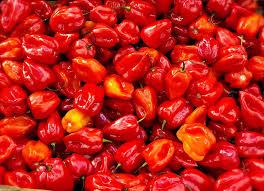
Cameroon Pepper, also known as African Bird Pepper or Scotch Bonnet Pepper, is a type of chili pepper that is native to Central and West Africa. It is a small, round, and extremely hot pepper that is commonly used in African and Caribbean cuisine.
The pepper is named after the country of Cameroon because it is one of the major producers and exporters of the spice. The plant is a perennial shrub that grows up to 5 feet tall and produces small, lantern-shaped fruits that ripen from green to yellow, orange, or red.
Cameroon Pepper is known for its intense heat, which is rated between 100,000 to 350,000 Scoville Heat Units (SHU), making it one of the hottest peppers in the world. It is used in various forms, including fresh, dried, powdered, and as a condiment or ingredient in sauces, marinades, and spice blends.
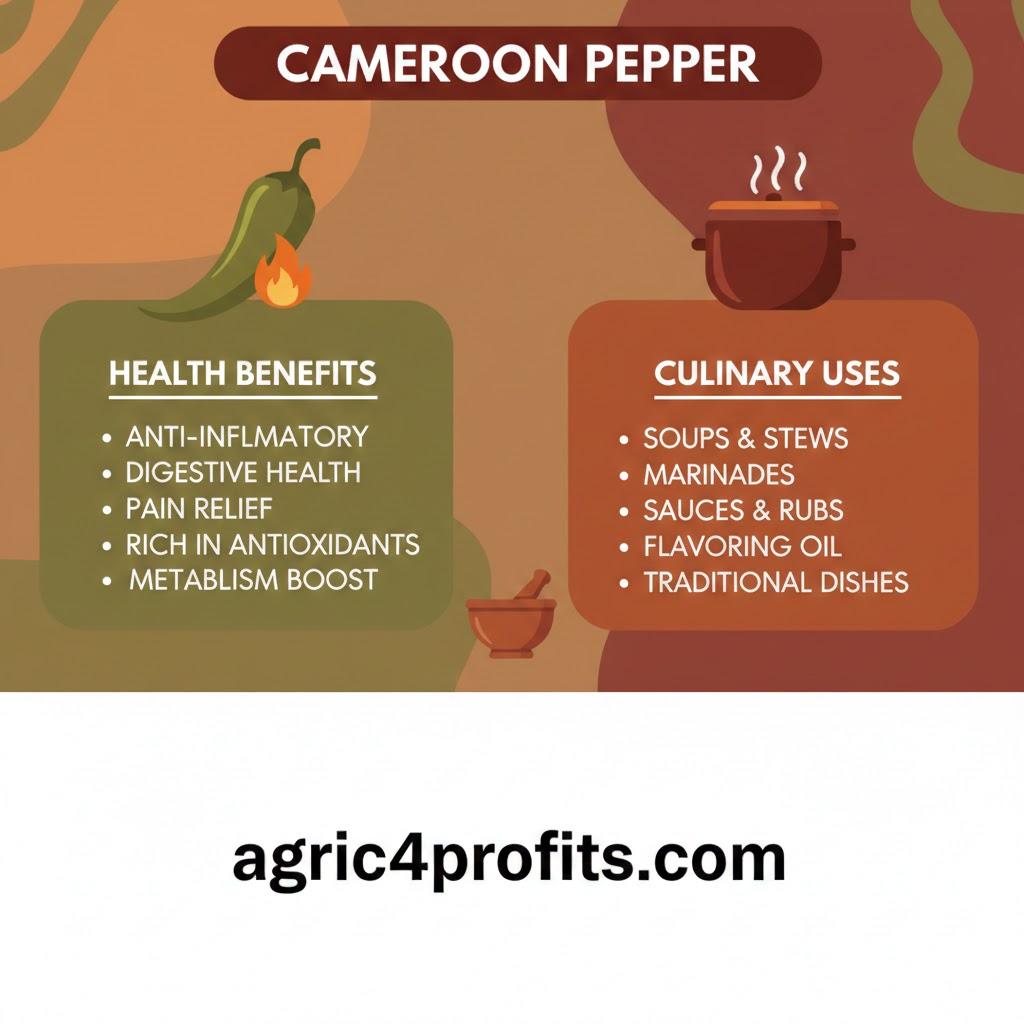
The pepper is rich in vitamins A and C, and also contains capsaicin, which has been shown to have anti-inflammatory, antioxidant, and pain-relieving properties. Additionally, it is believed to have other health benefits, including aiding digestion, boosting metabolism, and reducing blood pressure.
In addition, Cameroon Pepper is a spicy and versatile spice that is commonly used in African and Caribbean cuisine. It is rich in vitamins and capsaicin, and may have several health benefits.
Read Also: Health Benefits and Uses of Uda Plant
Description of Cameroon Pepper
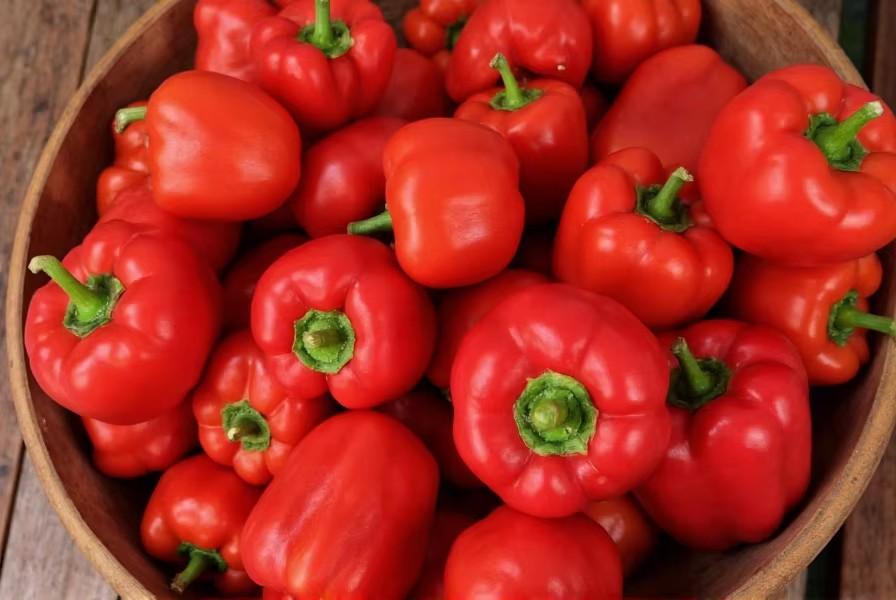
Cameroon pepper is a type of chili pepper that is typically small to medium-sized, and has a conical or cylindrical shape. When ripe, it can range in color from yellow to red, and it has a slightly wrinkled texture on the surface. The pepper plant itself can grow up to 3 feet tall, and it produces clusters of the small peppers.
Cameroon pepper has a unique flavor that is both sweet and spicy, with a heat level that ranges from mild to hot. It is often compared to the flavor of paprika, but with a slightly stronger heat. The pepper is typically dried and ground into a powder, which is then used to season dishes in African cuisine.
In addition to its culinary uses, Cameroon pepper has also been used in traditional medicine to treat various ailments such as arthritis, stomach pains, and respiratory problems. It is believed to have anti-inflammatory and antibacterial properties.
15 Health Benefits of Cameroon Pepper
Cameroon Pepper, also known as African Bird Pepper or Scotch Bonnet Pepper, is a versatile ingredient that can be used in a variety of ways to add flavor and heat to dishes. Below are 15 uses of Cameroon Pepper:
1. Boosts Metabolism: Cameroon pepper contains capsaicin, a compound that can help boost metabolism and promote weight loss.
2. Reduces Inflammation: Capsaicin in Cameroon pepper has anti-inflammatory properties, which can help reduce inflammation in the body.
3. Regulates Blood Sugar: Cameroon pepper can help regulate blood sugar levels, which is beneficial for people with diabetes.
4. Enhances Digestion: The spicy taste of Cameroon pepper can stimulate digestive enzymes and enhance digestion.
5. Promotes Heart Health: Cameroon pepper can lower cholesterol levels and reduce the risk of heart disease.
6. Improves Blood Circulation: Cameroon pepper contains iron, which can improve blood circulation and prevent anemia.
7. Boosts Immunity: Cameroon pepper is rich in antioxidants, which can help boost the immune system.
8. Prevents Cancer: Capsaicin in Cameroon pepper can inhibit the growth of cancer cells and prevent the development of tumors.
9. Relieves Pain: Capsaicin in Cameroon pepper can help relieve pain and soreness, especially in the muscles and joints.
10. Treats Respiratory Problems: Cameroon pepper can help relieve respiratory problems like asthma and bronchitis by clearing the airways.
11. Fights Bacterial Infections: Cameroon pepper has antimicrobial properties, which can help fight bacterial infections.
12. Improves Skin Health: Cameroon pepper can improve skin health by reducing inflammation and preventing acne.
13. Reduces Migraine: Capsaicin in Cameroon pepper can help reduce the frequency and intensity of migraine headaches.
14. Enhances Cognitive Function: Cameroon pepper can enhance cognitive function and improve memory and concentration.
15. Reduces Anxiety: Cameroon pepper can help reduce anxiety and promote relaxation by increasing the production of endorphins in the brain.
Read Also: Health Benefits and Uses of Uda Seeds
Uses of Cameroon Pepper
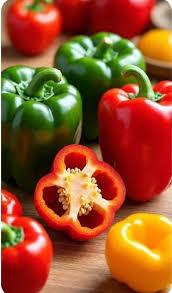
Cameroon Pepper, also known as African Bird Pepper or Scotch Bonnet Pepper, is a versatile spice that can be used in various ways in cooking.
Below are some basic uses of Cameroon Pepper:
Seasoning: Cameroon Pepper can be used as a seasoning in various dishes like soups, stews, and sauces to add a spicy flavor.
Marinade: Cameroon Pepper can be added to marinades for meats like chicken, beef, and pork to add flavor and tenderize the meat.
Rub: Cameroon Pepper can be used as a dry rub for meats before cooking, which adds a spicy flavor to the meat.
Condiment: Cameroon Pepper can be used as a condiment in dishes like pizza, burgers, and sandwiches to add a spicy kick.
Pickling: Cameroon Pepper can be added to pickled vegetables like cucumbers, onions, and carrots to add a spicy flavor.
Spice Blend: Cameroon Pepper can be used as a key ingredient in spice blends like jerk seasoning or curry powder, which adds a spicy flavor to the dishes.
Hot Sauce: Cameroon Pepper can be blended with other ingredients like vinegar, garlic, and salt to make homemade hot sauce.
Infusion: Cameroon Pepper can be infused in oil or vinegar to make flavored cooking oils or salad dressings, which adds a spicy flavor to the dishes.
Tea: Cameroon Pepper can be used to make a spicy tea, which can help relieve respiratory problems like coughs and colds.
Flavoring: Cameroon Pepper can be used as a flavoring for alcoholic beverages like Bloody Marys or margaritas, which adds a spicy flavor to the drinks.
Preservation: Cameroon Pepper can be added to homemade salsa, chutneys, and jams to add flavor and act as a natural preservative.
Garnish: Cameroon Pepper can be used as a garnish for dishes like ceviche, sushi, or grilled meat to add color and spice.
Snack: Cameroon Pepper can be roasted and eaten as a spicy snack, similar to roasted peanuts or almonds.
Seasoned Salt: Cameroon Pepper can be mixed with salt and used as a seasoned salt to flavor popcorn, chips, or roasted nuts.
Baking: Cameroon Pepper can be used in baking recipes, like gingerbread or pumpkin pie, to add heat and flavor. It can also be added to chocolate desserts to create a spicy flavor contrast.
How to Grow and Harvest Cameroon Pepper
Cameroon Pepper, also known as African Bird Pepper or Scotch Bonnet Pepper, can be grown in both tropical and subtropical regions. Below is a step-by-step guide on how to grow and harvest Cameroon Pepper:
Choose a suitable location: Cameroon Pepper requires a warm and sunny location with well-draining soil. It can be grown in pots or in the ground, depending on your preference.
Plant the seeds: Plant the seeds in small pots or trays filled with well-draining soil. The seeds should be planted about 1/4 inch deep and spaced about 1 inch apart. Keep the soil moist, but not waterlogged.
Transplant the seedlings: Once the seedlings have grown to about 3 inches tall and have several leaves, they can be transplanted into larger pots or in the ground. The plants should be spaced about 1 to 2 feet apart.
Water and fertilize: Cameroon Pepper plants require regular watering and fertilization. They should be watered when the soil is dry to the touch, and fertilized every two weeks with a balanced fertilizer.
Prune the plants: Pruning the plants can help promote bushy growth and increase the yield. Pinch off the tips of the plants when they are about 6 inches tall, and remove any suckers or side shoots that appear.
Harvest the peppers: Cameroon Pepper plants usually start producing fruit about 90 days after planting. The peppers can be harvested when they are fully ripe and have turned red, yellow, or orange. Cut the peppers off the plant using sharp scissors or pruning shears.
Dry and store the peppers: Once the peppers are harvested, they can be dried in the sun or in a dehydrator. Once dried, they can be stored in an airtight container and used as needed.
Scientific Evidence and Case Studies on Health Benefits and Uses of Cameroon Pepper
1. Analgesic and anti-inflammatory effects: Piper guineense extracts exhibit significant pain-relieving and anti-inflammatory properties comparable to standard drugs in animal models.
2. Antimicrobial activity: The seeds show strong antibacterial and antifungal effects against pathogens including Staphylococcus aureus, Escherichia coli, and Candida species.
3. Antioxidant properties: High phenolic and flavonoid content in Cameroon pepper provides potent free radical scavenging activity, protecting cells from oxidative damage.
4. Antidiabetic potential: Studies demonstrate that Piper guineense reduces blood glucose levels and improves insulin sensitivity in diabetic animal models.
5. Gastrointestinal benefits: Extracts stimulate digestive enzymes and protect against gastric ulcers, supporting traditional use for stomach issues and digestion.
Nutritional Value Of Health Benefits and Uses of Cameroon Pepper
Cameroon pepper (dried seeds, approximate values per 100g) offers these key nutrients:
1. Rich in protein: Contains about 20-25g of protein, supporting muscle repair, growth, and overall body function.
2. High in healthy fats: Provides essential fatty acids and lipids that promote heart health and energy supply.
3. Good source of dietary fiber: Aids digestion, prevents constipation, and helps maintain healthy blood sugar levels.
4. Contains iron: Supplies iron crucial for red blood cell production and prevention of anemia.
5. Source of calcium: Contributes to bone strength, teeth health, and muscle contraction.
6. Rich in potassium: Supports blood pressure regulation, heart rhythm, and fluid balance.
7. High in antioxidants: Abundant in piperine and other bioactive compounds that combat oxidative stress and inflammation.
Summary of Health Benefits and Uses of Cameroon Pepper
| Aspect | Key Details |
|---|---|
| Description | Dried seeds of Piper guineense, a West African spice with strong, aromatic, peppery flavor used in soups, stews, and traditional dishes. |
| Nutritional Highlights | High in protein, fats, fiber, iron, calcium, potassium, and potent antioxidants like piperine. |
| Health Benefits | Relieves pain and inflammation, fights infections, boosts immunity, supports digestion, regulates blood sugar, aids weight management, promotes heart health, enhances nutrient absorption, acts as aphrodisiac. |
| Uses | Seasoning in cooking, soup and stew flavor enhancer, traditional medicine, spice blends, meat tenderizer, natural preservative. |
| Scientific Support | Evidence for analgesic, antimicrobial, antioxidant, antidiabetic, and digestive protective effects. |
| Precautions | Use in moderation; excessive intake may cause irritation or digestive discomfort in sensitive individuals. |
Frequently Asked Questions About Health Benefits and Uses of Cameroon Pepper
1. What is Cameroon pepper?
Cameroon pepper, also known as African black pepper or Guinea pepper, is the dried seed of the Piper guineense plant, a popular West African spice.
2. Is Cameroon pepper different from regular black pepper?
Yes, it is from Piper guineense, not Piper nigrum, with a stronger, more pungent flavor and distinct health properties.
3. Can Cameroon pepper help with pain relief?
Yes, its extracts have analgesic and anti-inflammatory effects useful for pain management.
4. Does Cameroon pepper support digestion?
Yes, it stimulates digestive enzymes and helps prevent gastric issues.
5. Is Cameroon pepper good for blood sugar control?
Yes, studies show it can lower blood glucose levels and improve insulin sensitivity.
6. Does Cameroon pepper boost immunity?
Yes, its antimicrobial and antioxidant properties help fight infections and strengthen immunity.
7. Can Cameroon pepper be used as a natural aphrodisiac?
Yes, traditionally used to enhance libido and sexual performance.
8. Is Cameroon pepper high in antioxidants?
Yes, it is rich in piperine and other compounds that protect against oxidative damage.
9. How is Cameroon pepper typically used in cooking?
Ground or whole in soups, stews, sauces, and traditional West African dishes for flavor and aroma.
10. Is Cameroon pepper safe for daily use?
Yes in culinary amounts, but avoid excessive consumption to prevent potential irritation.
Do you have any questions, suggestions, or contributions? If so, please feel free to use the comment box below to share your thoughts. We also encourage you to kindly share this information with others who might benefit from it. Since we can’t reach everyone at once, we truly appreciate your help in spreading the word. Thank you very much for your support and for sharing!
Disclaimer: This article is for educational and informational purposes only. The health benefits described are based on scientific research and traditional knowledge. They ayre not a substitute for professional medical advice, diagnosis, or treatment. Always consult a healthcare professional before using any herb or natural remedy for medical purposes.
Read Also: Green Waste Complete Management Guide