


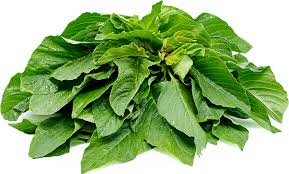
Efo leaves are a type of leafy vegetable commonly consumed in West Africa, particularly in Nigeria. The term “efo” refers to a variety of leafy greens, including spinach, amaranth, and other greens that are used in Nigerian cuisine. Efo leaves are usually cooked in stews and soups and are often paired with ingredients such as meat, fish, or beans.
In Nigerian cuisine, efo leaves are highly valued for their nutritional benefits, as they are rich in vitamins, minerals, and antioxidants. They are also known for their versatility in cooking, as they can be used in a variety of dishes and preparations.
Also, efo leaves are a nutritious and delicious ingredient in Nigerian cuisine and are enjoyed by many people across the region.
Read Also: How to Control Cassava Diseases and Pests
Description of Efo Leaves
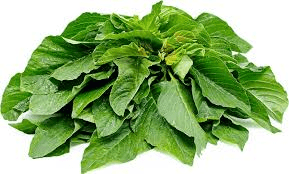
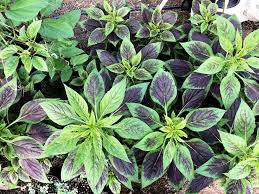
Some common types of efo leaves include spinach (known as efo tete in Yoruba), amaranth (efo shoko), waterleaf (efo yanrin), and pumpkin leaf (efo elegusi).
Spinach efo leaves are usually tender and have a mild flavor, while amaranth and waterleaf leaves tend to be slightly tougher and have a more bitter taste. Pumpkin leaf efo is larger and tougher than the other types and is often used in traditional Nigerian soups and stews.
Overall, efo leaves are a nutritious and flavorful ingredient in Nigerian cuisine and are used in a variety of dishes and preparations.
Types of Efo Leaves
Spinach (Efo Tete): This is a very popular type of efo leaf that is often used in Nigerian cuisine. It has a mild flavor and a soft texture, making it easy to cook and incorporate into dishes.
Amaranth (Efo Shoko): This type of efo leaf has a slightly bitter taste and a tougher texture than spinach. It is often used in traditional Nigerian soups and stews.
Waterleaf (Efo Yanrin): Waterleaf is a tender and juicy efo leaf with a slightly sour taste. It is often used in salads and can also be cooked in soups and stews.
Bitterleaf (Efo Ewuro): As the name suggests, this efo leaf has a bitter taste and a tough texture. It is often used in soups and stews to add a bitter flavor.
Scent Leaf (Efinrin): This type of efo leaf has a strong and aromatic flavor that is often used in soups and stews. It is also used in herbal remedies due to its medicinal properties.
Pumpkin Leaf (Efo Elegusi): This efo leaf is large and has a slightly bitter taste. It is often used in traditional Nigerian soups and stews.
Each type of efo leaf has its own unique taste and texture, making them suitable for different dishes and preparations.
Health Benefits of Efo Leaves
Rich in Vitamins: Efo leaves are a rich source of vitamins A, C, and K, which are essential for maintaining healthy vision, skin, and bones.
Boosts Immunity: Efo leaves contain antioxidants that help to boost the immune system and fight off infections.
Promotes Digestion: The fiber content in efo leaves helps to promote healthy digestion and prevent constipation.
Supports Weight Loss: Efo leaves are low in calories and high in fiber, making them a great addition to a weight loss diet.
Regulates Blood Sugar: Efo leaves contain compounds that help to regulate blood sugar levels and prevent spikes in insulin.
Reduces Inflammation: The antioxidants in efo leaves help to reduce inflammation in the body, which can lead to a range of chronic diseases.
Lowers Cholesterol: Efo leaves contain compounds that help to lower LDL (bad) cholesterol levels in the blood.
Prevents Anemia: Efo leaves are a good source of iron, which is essential for preventing anemia.
Supports Heart Health: The fiber, antioxidants, and other nutrients in efo leaves help to support heart health and reduce the risk of heart disease.
Boosts Brain Function: Efo leaves contain compounds that help to improve cognitive function and memory.
Promotes Healthy Skin: The vitamin A in efo leaves helps to promote healthy skin by supporting cell growth and repair.
Prevents Cancer: Efo leaves contain compounds that help to prevent the growth and spread of cancer cells.
Reduces Risk of Osteoporosis: The vitamin K in efo leaves helps to support bone health and reduce the risk of osteoporosis.
Supports Eye Health: The vitamin A in efo leaves helps to maintain healthy vision and prevent eye diseases.
Reduces Anxiety: Efo leaves contain compounds that help to reduce anxiety and promote relaxation.
Prevents Asthma: Efo leaves contain compounds that help to reduce inflammation in the lungs and prevent asthma attacks.
Regulates Blood Pressure: The potassium in efo leaves helps to regulate blood pressure and prevent hypertension.
Reduces the Risk of Stroke: The antioxidants in efo leaves help to prevent the formation of blood clots that can lead to stroke.
Promotes Hair Growth: The vitamin A in efo leaves helps to promote healthy hair growth and prevent hair loss.
In addition, efo leaves are a highly nutritious and beneficial addition to a healthy diet.
Read Also: Health Benefits and Uses of Kpomo
Uses of Efo Leaves
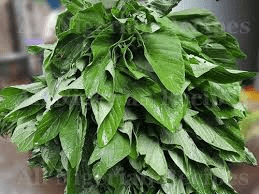
Soups and Stews: Efo leaves are often used in traditional Nigerian soups and stews, such as egusi soup, vegetable soup, and pepper soup. They add flavor, nutrients, and texture to these dishes.
Salads: Some types of efo leaves, such as waterleaf and spinach, can be used in salads. They add a fresh and crunchy texture to the salad and provide important vitamins and minerals.
Side dishes: Efo leaves can also be used as a side dish to accompany a main meal. They can be sautéed with spices, garlic, and onions for added flavor.
Smoothies and Juices: Efo leaves can be added to smoothies and juices for a nutrient boost. They add a mild flavor and provide vitamins and minerals.
Wraps: Efo leaves can be used as a wrap for rice, beans, or other fillings. This is a healthy and low-carb alternative to tortillas or bread.
Medicinal purposes: Some types of efo leaves, such as scent leaf, are used in traditional medicine to treat various ailments such as headaches, stomachaches, and fever.
Additionally, efo leaves are a versatile and nutritious ingredient that can be used in a variety of dishes and preparations. They add flavor, texture, and important nutrients to meals, making them a valuable addition to a healthy diet.
Nutritional Value of Efo Leaves
High in fiber: Efo leaves are an excellent source of dietary fiber, which can help promote digestive health and prevent constipation.
Rich in vitamins and minerals: Efo leaves are a good source of vitamins A, C, and K, as well as minerals such as iron, calcium, and potassium.
Antioxidant properties: Efo leaves contain antioxidants such as flavonoids and carotenoids, which can help protect your cells from damage caused by free radicals.
Low in calories: Efo leaves are a low-calorie food, making them an excellent choice for people looking to manage their weight.
May have anti-inflammatory properties: Some studies suggest that efo leaves may have anti-inflammatory properties, which can help reduce inflammation in the body.
However,efo leaves are a healthy addition to any diet, and incorporating them into your meals can provide you with a range of health benefits.
Scientific Evidence and Case Studies on Health Benefits and Uses of Efo Leaves
1. Antioxidant and anti-inflammatory properties: Efo leaves, particularly from Amaranthus species like A. hybridus and A. viridis, contain high levels of flavonoids, carotenoids, phenolic compounds, and betalains, providing strong free radical scavenging and reducing oxidative stress in in vitro and animal models.
2. Hypoglycemic and antidiabetic effects: Leaf extracts lower blood glucose levels, improve insulin sensitivity, and modulate carbohydrate metabolism in diabetic animal models, attributed to fiber, polyphenols, and enzyme-inhibiting compounds.
3. Cardiovascular and hypolipidemic benefits: Regular consumption reduces total cholesterol, LDL, and triglycerides while supporting better lipid profiles and vascular health, linked to dietary fiber and potassium content in human and animal studies.
4. Antimicrobial activity: Extracts from Amaranthus leaves show antibacterial effects against pathogens like Staphylococcus aureus, Pseudomonas aeruginosa, and others, with low inhibitory concentrations in lab studies.
5. Nutritional support for anemia and bone health: High iron, calcium, vitamin K, and other minerals help prevent anemia, strengthen bones, and support overall metabolic health, as evidenced by compositional analyses and traditional use.
Nutritional Value Of Health Benefits and Uses of Efo Leaves
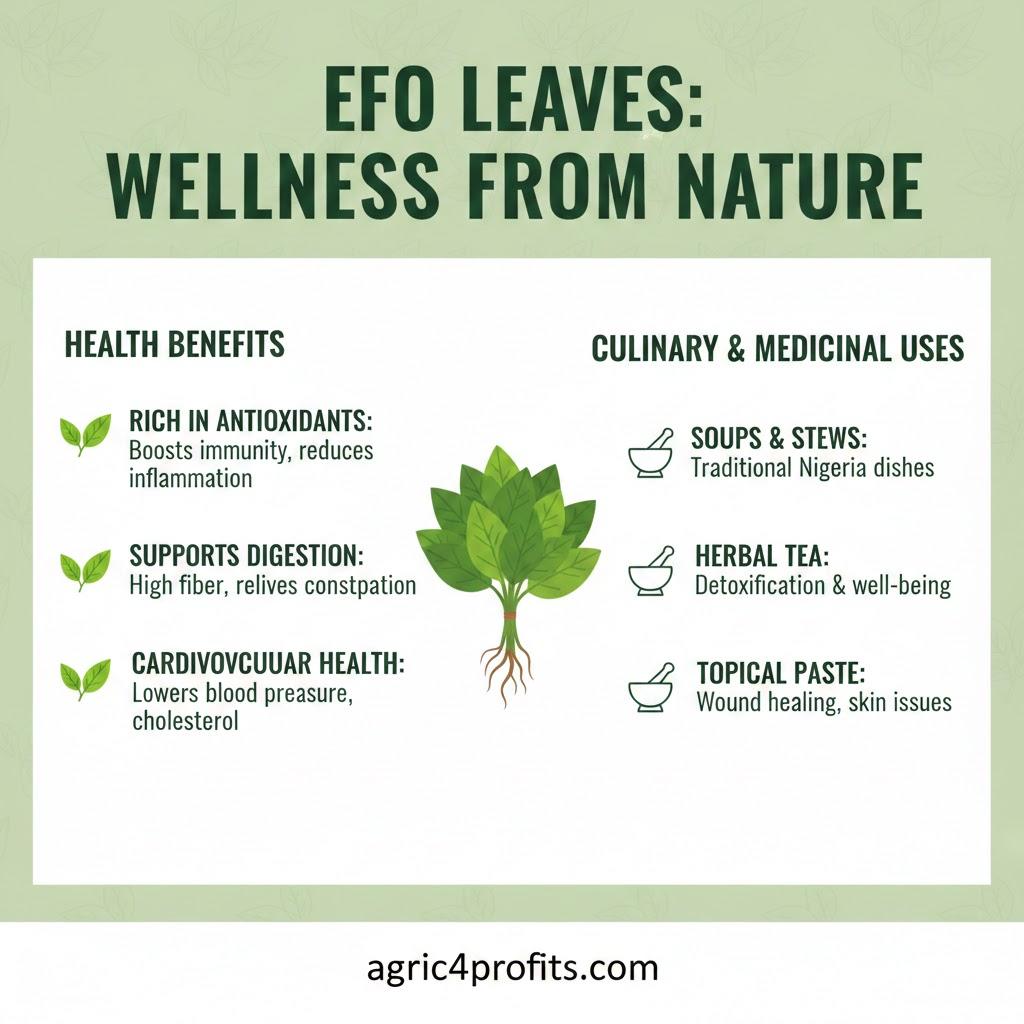
Efo leaves (commonly Amaranthus hybridus or similar greens, approximate values per 100g fresh or as reported in studies) offer these key nutrients:
1. High in dietary fiber: Contains significant fiber (around 2-4g or more), promoting digestion, preventing constipation, regulating blood sugar, and supporting cholesterol control.
2. Rich in vitamin C: Provides notable vitamin C for immune support, collagen production, antioxidant protection, and skin health.
3. Excellent source of vitamin A: Supplies high beta-carotene/vitamin A for vision, immune function, skin integrity, and cell growth.
4. Good source of vitamin K: Offers vitamin K essential for blood clotting, bone metabolism, and reducing osteoporosis risk.
5. Contains iron: Includes iron to support red blood cell production, prevent anemia, and improve oxygen transport.
6. Rich in minerals like calcium and potassium: High calcium for bone and teeth strength; potassium for blood pressure regulation and heart health.
7. Abundant in antioxidants and phytochemicals: Packed with flavonoids, carotenoids, betalains, polyphenols, and other compounds combating oxidative stress and inflammation.
Summary of Health Benefits and Uses of Efo Leaves
| Aspect | Key Details |
|---|---|
| Description | Efo leaves refer to various dark green leafy vegetables in Nigerian (especially Yoruba) cuisine, including types like efo tete (spinach/amaranth), efo shoko (amaranth/Lagos spinach), efo yanrin (waterleaf), efo ewuro (bitterleaf), and others; tender to tough texture with mild to bitter taste. |
| Nutritional Highlights | High fiber, vitamins A, C, K; minerals (iron, calcium, potassium); low calories; rich antioxidants (flavonoids, carotenoids, polyphenols). |
| Health Benefits | Boosts immunity and fights infections, promotes digestion and prevents constipation, supports weight loss, regulates blood sugar for diabetes management, lowers bad cholesterol and supports heart health, prevents anemia, reduces inflammation and oxidative stress, promotes healthy skin/hair/eyes, strengthens bones and prevents osteoporosis, may reduce cancer risk, relieves anxiety, prevents asthma/stroke, regulates blood pressure. |
| Uses | Culinary: in soups (egusi, vegetable, pepper soup), stews, salads, sautéed sides, smoothies, juices, wraps; medicinal: traditional remedies for various ailments; adds flavor, texture, and nutrients to meals. |
| Preparation | Washed and chopped; added to soups/stews late in cooking; sautéed with spices; used fresh in salads or blended. |
| Scientific Support | Evidence for antioxidant, anti-inflammatory, hypoglycemic, hypolipidemic, and antimicrobial effects from phytochemical and nutritional studies on Amaranthus and related species. |
Frequently Asked Questions About Health Benefits and Uses of Efo Leaves
1. What are Efo leaves?
Efo leaves are a general term for various nutritious leafy greens used in Nigerian cuisine, such as amaranth (efo tete or shoko), spinach, waterleaf, bitterleaf, and others, known for their dark green color and health benefits.
2. Are Efo leaves high in vitamins?
Yes, they are rich in vitamins A, C, and K, supporting vision, immunity, skin, bones, and blood clotting.
3. Can Efo leaves help with diabetes?
Yes, their fiber and compounds help regulate blood sugar, prevent spikes, and improve insulin sensitivity.
4. Do Efo leaves support heart health?
Yes, fiber lowers bad cholesterol, potassium regulates blood pressure, and antioxidants reduce inflammation for better cardiovascular health.
5. Is Efo good for digestion?
Yes, high dietary fiber promotes regular bowel movements, prevents constipation, and supports gut health.
6. Can Efo leaves prevent anemia?
Yes, their iron content aids red blood cell production and helps combat iron-deficiency anemia.
7. Are Efo leaves low in calories?
Yes, they are low-calorie yet nutrient-dense, making them ideal for weight management and satiety.
8. How are Efo leaves typically used in cooking?
Chopped and added to soups (like egusi or vegetable soup), stews, sautéed as sides, or used in salads, smoothies, and juices.
9. Do Efo leaves have antioxidant benefits?
Yes, packed with flavonoids, carotenoids, and polyphenols that fight free radicals and reduce oxidative stress.
10. Is it safe to eat Efo leaves regularly?
Yes, as part of a balanced diet they provide numerous benefits with no major issues reported in traditional use; moderation is key for variety.
Do you have any questions, suggestions, or contributions? If so, please feel free to use the comment box below to share your thoughts. We also encourage you to kindly share this information with others who might benefit from it. Since we can’t reach everyone at once, we truly appreciate your help in spreading the word. Thank you very much for your support and for sharing!
Disclaimer: This article is for educational and informational purposes only. The health benefits described are based on scientific research and traditional knowledge. They ayre not a substitute for professional medical advice, diagnosis, or treatment. Always consult a healthcare professional before using any herb or natural remedy for medical purposes.