


Ogiri is a traditional seasoning made from fermented castor beans. Castor beans are first boiled, then wrapped in banana leaves or plantain leaves and left to ferment for several days.
After the fermentation process is complete, the beans are mashed into a paste, which is then mixed with salt and other ingredients like spices, fish or shrimp, and left to dry in small balls or cubes.
Ogiri is a popular seasoning used in traditional Nigerian cuisine to add a unique and savory flavor to dishes like soups, stews, and sauces.
It has a strong, pungent aroma and flavor that is similar to fermented soybeans or miso paste. However, it should be used in moderation due to its potent flavor and the toxicity of castor beans if consumed in large amounts.
Ogiri is often used to flavor soups, stews, and sauces in Nigerian cuisine, and it can also be used as a condiment or seasoning for rice dishes, beans, and other foods. It is particularly popular in the southeastern part of Nigeria, where it is known as “dawa dawa” or “iru” in other parts of the country.
While ogiri is a popular seasoning in some traditional cuisine, it should be used in moderation as consuming large amounts of castor beans can be toxic due to the presence of ricin, a poisonous protein. It is important to ensure that ogiri is properly prepared and fermented before consumption to reduce the risk of ricin poisoning.
Read Also: The Best Time and Method of Fertilizer Application
Description of Ogiri (Castor Beans)

Ogiri, also known as castor beans, is a type of seed used in West African cuisine as a seasoning ingredient. The seeds are typically boiled, fermented, and then ground into a paste or powder, which is then used to flavor a variety of dishes.
Ogiri has a pungent, strong, and slightly bitter flavor that adds depth and complexity to dishes. It is commonly used in soups, stews, and sauces, as well as in traditional dishes such as egusi soup, okra soup, and ofe nsala.
While ogiri is a popular ingredient in West African cuisine, it is important to note that the seeds themselves are highly toxic and should not be consumed raw. Proper preparation techniques, such as boiling and fermentation, are necessary to remove the toxic compounds and make the seeds safe for consumption.
It is also important to use caution when handling ogiri, as the seeds and their byproducts can cause skin irritation and other health issues if not handled properly.
19 Health Benefits of Ogiri (Castor Beans)
It is important to note that while ogiri (castor beans) is a traditional seasoning ingredient in West African cuisine, the seeds themselves are toxic and require proper preparation before consumption. The following potential health benefits are based on the nutritional properties of properly prepared ogiri.
1. Rich in protein: Ogiri is a good source of plant-based protein, making it a valuable ingredient for vegetarians and vegans.
2. High in fiber: Ogiri contains fiber, which helps promote digestive health and can help reduce the risk of chronic diseases such as diabetes and heart disease.
3. Provides essential minerals: Ogiri is a good source of essential minerals such as iron, calcium, and phosphorus, which are important for maintaining healthy bones and teeth.
4. Boosts immunity: The protein and other nutrients in ogiri can help boost the immune system and protect against infections and illnesses.
5. Anti-inflammatory properties: Ogiri has been shown to have anti-inflammatory properties, which can help reduce inflammation and pain throughout the body.
6. May help regulate blood sugar levels: The fiber and protein in ogiri can help regulate blood sugar levels and prevent spikes and crashes in blood glucose.
7. May help reduce cholesterol: Studies have shown that ogiri may help reduce cholesterol levels in the blood, which can lower the risk of heart disease.
8. Rich in antioxidants: Ogiri contains antioxidants, which can help protect the body against free radical damage and reduce the risk of chronic diseases such as cancer.
9. May help promote weight loss: The protein and fiber in ogiri can help promote feelings of fullness and reduce appetite, making it a potential aid in weight loss efforts.
10. Supports healthy digestion: The fiber in ogiri can help promote healthy digestion and prevent constipation.
11. May help lower blood pressure: Some studies suggest that ogiri may help lower blood pressure, which can reduce the risk of heart disease and stroke.
12. May help reduce the risk of diabetes: The fiber and protein in ogiri can help regulate blood sugar levels and prevent insulin resistance, reducing the risk of type 2 diabetes.
13. Supports healthy bones: The calcium and phosphorus in ogiri are important for maintaining strong and healthy bones.
14. May help reduce the risk of osteoporosis: The calcium and phosphorus in ogiri can help prevent the loss of bone mass and reduce the risk of osteoporosis.
15. Promotes healthy skin: The antioxidants in ogiri can help protect the skin against free radical damage and promote healthy, youthful-looking skin.
16. Supports healthy hair: The protein and other nutrients in ogiri can help promote healthy hair growth and prevent hair loss.
17. May help improve cognitive function: Some studies suggest that the antioxidants in ogiri may help improve cognitive function and prevent age-related decline.
18. Supports heart health: The fiber, protein, and other nutrients in ogiri can help support heart health and reduce the risk of heart disease.
19. May help improve sleep: The protein and other nutrients in ogiri may help promote better sleep and reduce the risk of insomnia.
Read Also: Guide on Calculating the Rate of Fertilizer to Be Applied
Uses of Ogiri (Castor Beans)

Ogiri, also known as castor beans, is a traditional seasoning ingredient in West African cuisine. The seeds are typically boiled, fermented, and ground into a paste or powder, which is then used to flavor a variety of dishes. Below are some common uses of ogiri:
Soups: Ogiri is a popular ingredient in soups such as egusi soup, okra soup, and ofe nsala. It adds depth and complexity to the flavor of the soup.
Stews: Ogiri can also be added to stews, such as tomato stew or vegetable stew, to enhance the flavor.
Sauces: Ogiri can be added to sauces, such as tomato sauce or peanut sauce, to give them a unique flavor.
Rice dishes: Ogiri can be added to rice dishes, such as jollof rice or fried rice, to give them a distinct flavor.
Bean dishes: Ogiri can be added to bean dishes, such as black-eyed peas or red beans, to enhance their flavor.
Meat dishes: Ogiri can be used as a seasoning for meat dishes, such as goat stew or chicken curry, to add depth and complexity to the flavor.
Vegetable dishes: Ogiri can be used as a seasoning for vegetable dishes, such as spinach or collard greens, to give them a unique flavor.
It is very important to note that the seeds of the castor bean plant are toxic and must be properly prepared before use. Boiling and fermentation are necessary to remove the toxic compounds and make the seeds safe for consumption.
It is also important to use caution when handling ogiri, as the seeds and their byproducts can cause skin irritation and other health issues if not handled properly.
Preparation and Storage of Ogiri (Castor Beans)
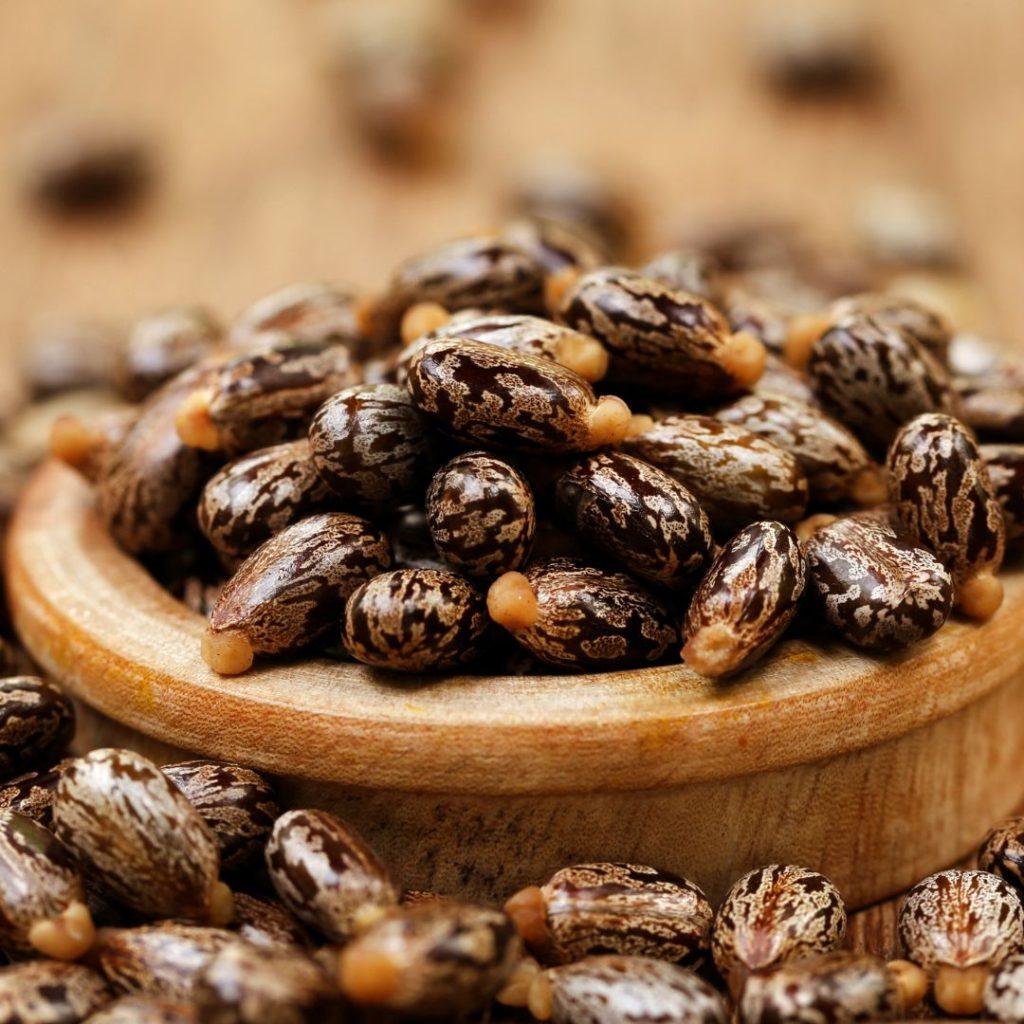
Preparation of ogiri involves a series of steps to remove the toxic compounds from the castor beans and make them safe for consumption. Here are the typical steps for preparing ogiri:
Boiling: The castor beans are first boiled in water for several hours to soften the outer shell and remove the toxic compounds.
Fermentation: The boiled beans are then wrapped in leaves, such as banana leaves, and left to ferment for several days to a week. During this process, naturally occurring bacteria break down the remaining toxic compounds and convert the beans into a paste or powder.
Drying: After fermentation, the ogiri paste or powder is spread out to dry in the sun or oven.
Storage: Once dried, ogiri can be stored in an airtight container in a cool, dry place for several months.
It is very important to note that improper preparation of ogiri can result in the retention of toxic compounds, which can cause serious health problems. Therefore, it is recommended to purchase ogiri from a reputable source or to prepare it using traditional methods under the guidance of an experienced cook.
When storing ogiri, it is important to keep it in a cool, dry place away from moisture and sunlight. This will help to prevent mold and spoilage. It is also important to keep ogiri away from other strong-smelling foods, as it can absorb odors and flavors.
Scientific Evidence and Case Studies on Ogiri (Castor Beans)
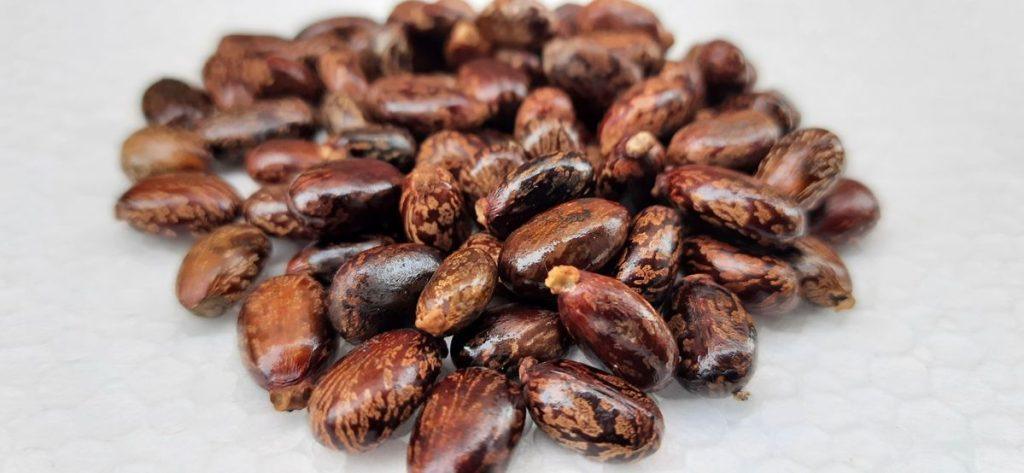
1. Increased protein and nutrient bioavailability: Fermentation significantly boosts crude protein content (from around 22% to 26-28% in studies) and improves digestibility through microbial breakdown of anti-nutrients.
2. Reduction in anti-nutritional factors: Proper fermentation detoxifies toxic compounds like ricin in castor beans, making the condiment safer and enhancing overall nutritional value.
3. Antioxidant enhancement: Fermented ogiri shows improved antioxidant properties due to microbial activity, helping combat oxidative stress and supporting cellular protection.
4. Probiotic and gut health benefits: The fermentation process introduces beneficial microbes that aid digestion, promote gut microbiota balance, and improve nutrient absorption.
5. Antimicrobial activity: Compounds developed during fermentation exhibit activity against harmful bacteria, contributing to traditional uses in food preservation and health support.
Nutritional Value Of Ogiri (Castor Beans)
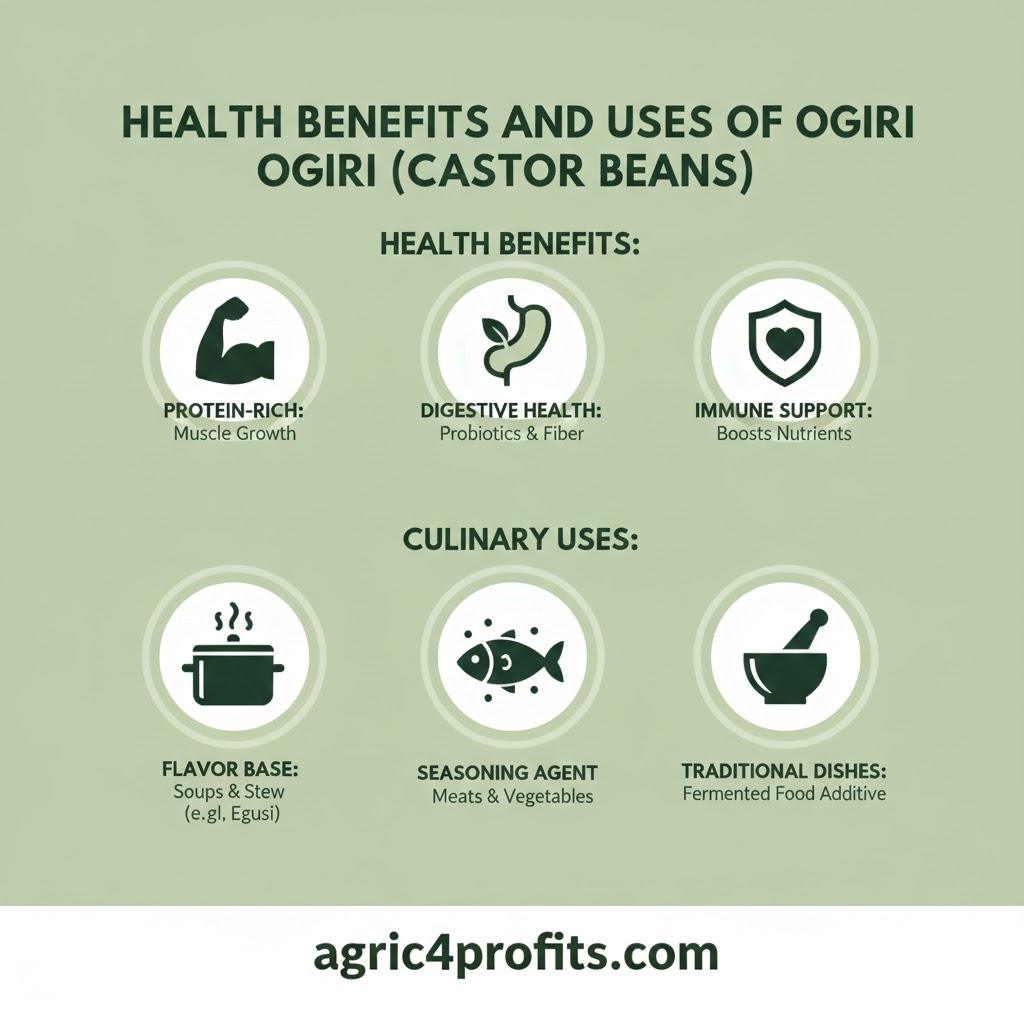
1. High protein content: Provides substantial plant-based protein (often 22-28% or more after fermentation), serving as an excellent source for muscle repair, growth, and vegetarian diets.
2. Rich in healthy fats: Contains moderate to high levels of fats (around 13-48% depending on preparation), including unsaturated fats that support energy needs and heart health.
3. Good source of dietary fiber: Offers fiber that promotes digestive regularity, prevents constipation, and helps regulate blood sugar and cholesterol levels.
4. Essential minerals: Supplies key minerals such as iron (for blood health), calcium and phosphorus (for bone strength), potassium, and magnesium (for overall metabolic functions).
5. Vitamins and antioxidants: Includes vitamins like B vitamins (from fermentation) and others (A, C, E in traces), along with antioxidants that protect against free radicals and support immunity.
6. Improved digestibility from fermentation: The process reduces anti-nutrients and increases bioavailability of nutrients, making proteins and minerals more accessible to the body.
7. Energy-providing carbohydrates: Contains carbohydrates (reduced during fermentation but still present), contributing to sustained energy alongside fats and proteins.
Summary of Ogiri (Castor Beans)
| Aspect | Details |
|---|---|
| Common Names | Ogiri, Ogiri Igbo, castor bean paste/seasoning |
| Botanical Source | Fermented seeds of Ricinus communis (castor beans) |
| Origin/Appearance | Traditional West African (especially Igbo/Nigerian) condiment; pungent, strong-flavored paste or balls, grayish-oily consistency |
| Preparation Process | Boiling beans to detoxify, wrapping in leaves for fermentation (several days), mashing into paste, adding salt/spices, drying into balls/cubes |
| Key Health Benefits | Rich protein source, supports digestion and gut health, boosts immunity, anti-inflammatory, regulates blood sugar/cholesterol, antioxidant-rich, aids weight management, supports bones, skin, hair, heart, and brain health |
| Culinary Uses | Seasoning for soups (egusi, okra, ofe nsala), stews, sauces, rice, beans, meat/vegetable dishes; adds umami and depth |
| Nutritional Highlights | High protein, fats, fiber, minerals (iron, calcium, phosphorus, potassium), vitamins, antioxidants; fermentation enhances digestibility and reduces toxins |
| Precautions | Raw castor beans highly toxic (ricin); must be properly boiled and fermented; use in moderation; source from reputable preparers to avoid risks |
Frequently Asked Questions About Ogiri (Castor Beans)
1. What is Ogiri and how is it made?
Ogiri is a fermented seasoning from castor beans; beans are boiled to remove toxins, fermented in leaves for days, mashed into paste, and dried.
2. Is Ogiri safe to eat since castor beans are toxic?
Yes, when properly prepared through boiling and fermentation, which detoxifies ricin; improper preparation can be dangerous, so use trusted sources.
3. What does Ogiri taste like?
It has a strong, pungent, savory, slightly bitter flavor with umami notes, similar to fermented locust beans or miso.
4. How is Ogiri used in cooking?
Added in small amounts to soups (like egusi or okra), stews, sauces, rice, beans, and vegetable/meat dishes for flavor enhancement.
5. What are the main nutritional benefits of Ogiri?
High in plant protein, healthy fats, fiber, minerals (iron, calcium), and antioxidants; fermentation boosts digestibility and gut-friendly probiotics.
6. Can Ogiri help with digestion?
Yes, its fiber and probiotic effects from fermentation support gut health, reduce constipation, and improve nutrient absorption.
7. Does Ogiri support heart health?
It may help by providing healthy fats, fiber to lower cholesterol, and potassium for blood pressure regulation.
8. Is Ogiri good for diabetes management?
In moderation, its fiber and protein can help regulate blood sugar; fermentation may further support glucose control.
9. Are there any side effects of consuming Ogiri?
Excessive use or poorly prepared Ogiri can cause issues due to residual toxins; moderation is key, and consult a doctor if unsure.
10. How should Ogiri be stored?
Keep in an airtight container in a cool, dry place away from moisture and sunlight to prevent spoilage or mold.
Do you have any questions, suggestions, or contributions? If so, please feel free to use the comment box below to share your thoughts. We also encourage you to kindly share this information with others who might benefit from it. Since we can’t reach everyone at once, we truly appreciate your help in spreading the word. Thank you very much for your support and for sharing!
Disclaimer: This article is for educational and informational purposes only. The health benefits described are based on scientific research and traditional knowledge. They ayre not a substitute for professional medical advice, diagnosis, or treatment. Always consult a healthcare professional before using any herb or natural remedy for medical purposes.
Read Also: How Tuition Tax Credits Can Help You Save Thousands of Dollars