


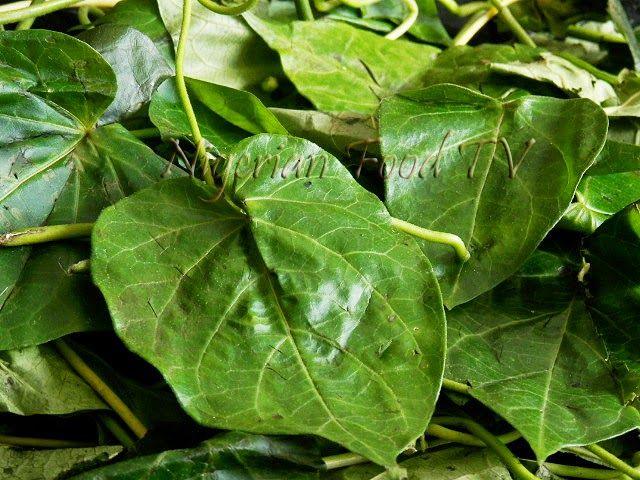
Okazi leaves, also known as afang leaves, are a popular vegetable used in many Nigerian dishes, particularly in the southern and southeastern regions of the country. The leaves come from the Gnetum africanum plant, which is a climbing vine that grows in the tropical rainforests of Central and West Africa.
The leaves are dark green in color and have a tough texture, which makes them ideal for use in soups and stews. They have a slightly bitter taste and a strong aroma, which is why they are often paired with other ingredients to balance out their flavor.
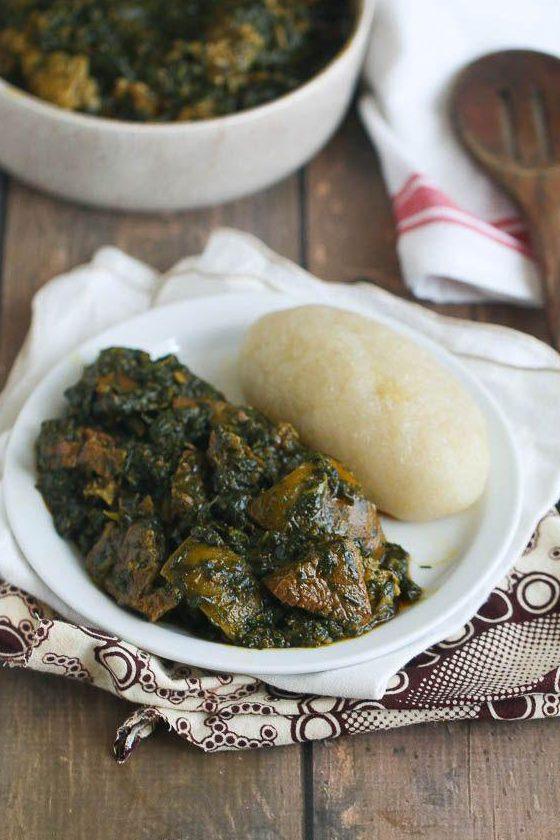
Okazi leaves are commonly used to prepare dishes such as afang soup, which is made with a blend of okazi leaves and water leaves, and is typically served with fufu or eba (staple foods made from cassava or yam). The leaves are also used in other dishes such as egusi soup, vegetable soup, and oha soup.
Okazi leaves are rich in nutrients such as vitamins A and C, calcium, iron, and protein, making them a healthy addition to any diet. They are also believed to have medicinal properties, such as the ability to lower blood pressure and reduce inflammation.
Overall, okazi leaves are a versatile and nutritious vegetable that play an important role in Nigerian cuisine.
Read Also: Ways to Avoid Fowl Cholera Disease (Pasteurella multocida) in Poultry Farm Birds
Description of Okazi Leaves
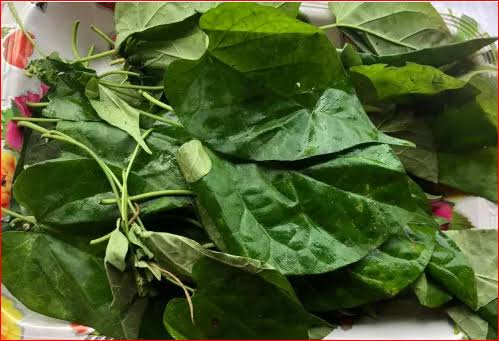
The leaves are traditionally used in Nigerian cuisine, particularly in the southern and southeastern regions of the country, to prepare a variety of dishes.
Okazi leaves are typically used in soups and stews, and are often paired with other ingredients to balance out their flavor. The leaves are also rich in nutrients, including vitamins A and C, calcium, iron, and protein, and are believed to have medicinal properties as well.
In terms of appearance, okazi leaves are oblong or ovate in shape, with a pointed tip and a slightly serrated edge. The leaves are typically 20-25 cm in length and 10-15 cm in width, although the size can vary depending on the specific plant and growing conditions.
Overall, okazi leaves are an important and versatile vegetable in Nigerian cuisine, and are valued for their unique flavor and nutritional benefits.
Health Benefits of Okazi Leaves
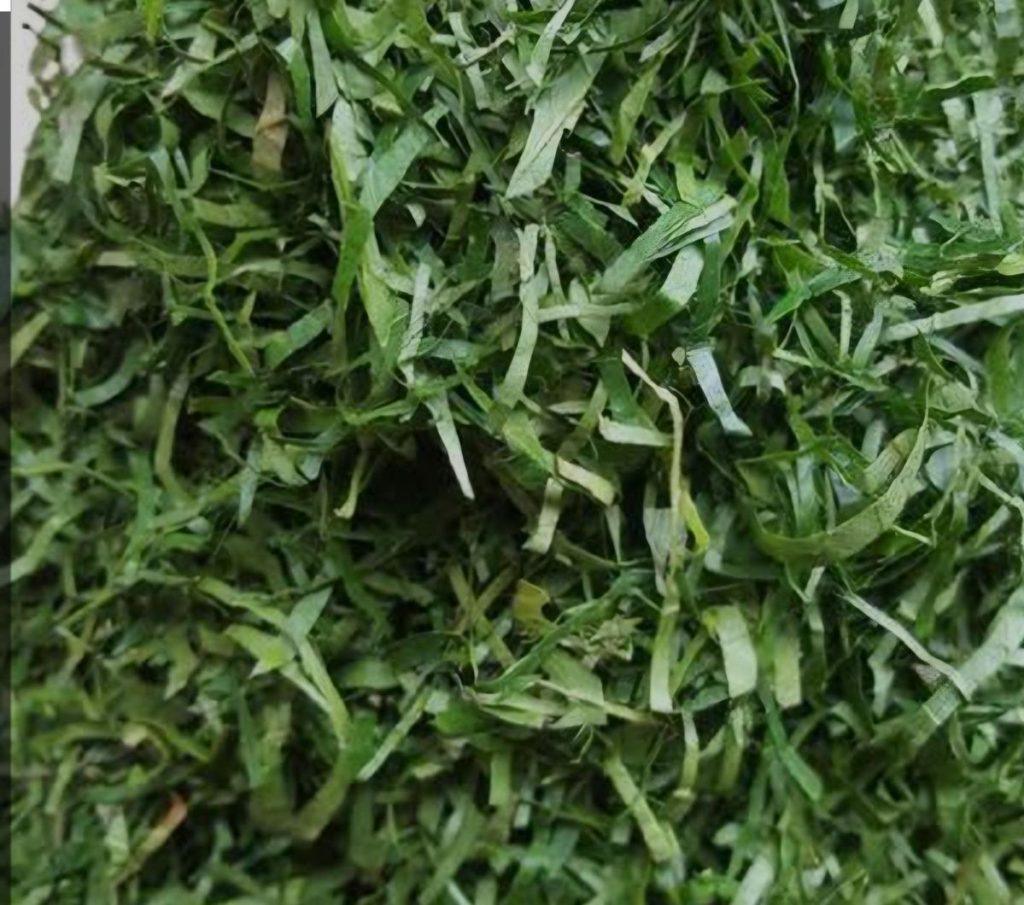
Rich in antioxidants: Okazi leaves are a good source of antioxidants, which protect the body from free radical damage and reduce the risk of chronic diseases.
Boosts immunity: Okazi leaves are rich in vitamin C, which helps to boost the immune system and protect the body against infections.
Promotes digestive health: Okazi leaves contain fiber, which helps to promote digestive health and prevent constipation.
Lowers cholesterol: Okazi leaves contain compounds that can help to lower cholesterol levels in the body, reducing the risk of heart disease.
Regulates blood sugar: Okazi leaves contain compounds that can help to regulate blood sugar levels, making them a good choice for people with diabetes.
Helps in weight loss: Okazi leaves are low in calories and high in fiber, making them a good addition to a weight loss diet.
Reduces inflammation: Okazi leaves contain compounds that have anti-inflammatory properties, which can help to reduce inflammation in the body.
Promotes healthy bones: Okazi leaves are rich in calcium, which is important for maintaining strong and healthy bones.
Reduces risk of cancer: Okazi leaves contain compounds that have been shown to have anti-cancer properties, reducing the risk of cancer.
Helps in wound healing: Okazi leaves contain compounds that can help to promote wound healing and reduce the risk of infections.
Reduces the risk of hypertension: Okazi leaves contain compounds that can help to lower blood pressure and reduce the risk of hypertension.
Helps in detoxification: Okazi leaves contain compounds that can help to detoxify the body and eliminate harmful toxins.
Promotes healthy skin: Okazi leaves are rich in vitamins A and C, which are important for maintaining healthy skin.
Reduces the risk of heart disease: Okazi leaves contain compounds that can help to reduce the risk of heart disease by lowering cholesterol levels and reducing inflammation.
Reduces the risk of stroke: Okazi leaves contain compounds that can help to reduce the risk of stroke by improving blood flow to the brain.
Helps in the management of asthma: Okazi leaves contain compounds that can help to manage asthma symptoms.
Promotes healthy vision: Okazi leaves are rich in vitamin A, which is important for maintaining healthy eyes and vision.
Boosts energy: Okazi leaves contain iron, which is important for the production of red blood cells and can help to boost energy levels.
Also, Okazi leaves are a nutritious vegetable with a range of health benefits, making them a great addition to any diet.
Read Also: Health Benefits and Uses of Shaki Meat
Uses of Okazi Leaves
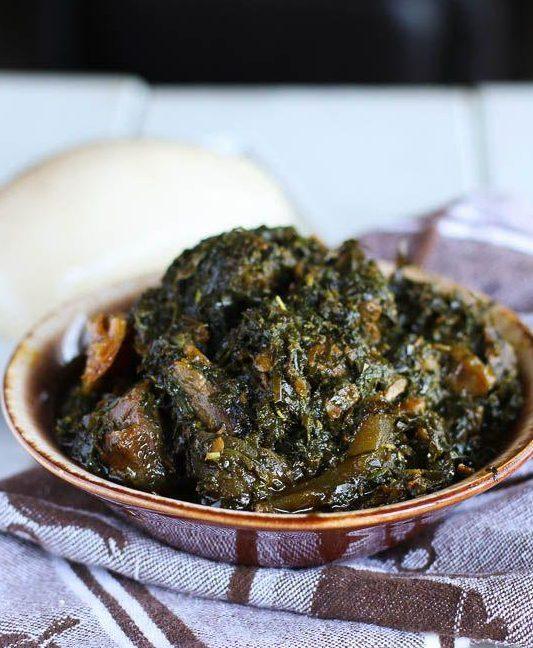
Cooking: Okazi leaves are a popular ingredient in many Nigerian dishes, particularly in the southern and southeastern regions of the country. They are commonly used to prepare soups and stews, such as afang soup and egusi soup, and are often paired with other ingredients to balance out their flavor.
Medicinal use: Okazi leaves are also used in traditional medicine for their medicinal properties. They are believed to have anti-inflammatory, antioxidant, and anti-cancer properties, and are used to treat a range of conditions, including fever, diarrhea, and high blood pressure.
Flavoring: Okazi leaves have a slightly bitter taste and a strong aroma, which makes them ideal for use as a flavoring agent in many dishes. They can also be used to add flavor to drinks and teas.
Cosmetic use: Okazi leaves are sometimes used in cosmetic products, such as soaps and creams, due to their skin-nourishing properties.
Livestock feed: Okazi leaves can also be used as livestock feed, particularly for goats and sheep, due to their high nutritional value.
Soil improvement: Okazi leaves can be used as a natural fertilizer to improve soil fertility, due to their high nutrient content.
Overall, Okazi leaves are a versatile ingredient with a range of uses, both in Nigerian cuisine and in traditional medicine. They are valued for their unique flavor and nutritional properties, and are an important part of the local culture and economy in many parts of West Africa.
Scientific Evidence and Case Studies on Okazi Leaves (Gnetum africanum)
1. Antioxidant activity and health-promoting compounds: Raw and cooked Okazi leaves contain significant phytochemicals, vitamins, minerals, and chlorophyll, with cooking enhancing overall antioxidant capacity while retaining most lipids, carbohydrates, vitamins, and phytochemicals, supporting use in managing oxidative stress-related diseases.
2. Nutritional retention after cooking: Studies show that traditional Nigerian cooking (decoction) results in insignificant loss of key nutrients like vitamins and phytochemicals but increases ash, Mg, P, and antioxidant potency, justifying its dietary role in disease management.
3. Presence of beneficial minerals and absence of toxins: Leaf analyses confirm high levels of Ca, Fe, Mg, Na, K, Zn, and others with no toxic metals like Cr or Pb, indicating safety and potential for supporting bone health, anemia prevention, and overall nutrition.
4. Potential for anemia and reproductive support: Supplementation increases serum iron and vitamin E levels in models, suggesting benefits for anemia treatment and related issues through improved iron and antioxidant status.
5. Phytochemical and proximate composition supporting medicinal use: High crude protein (~20%), fiber (~7%), carbohydrates (~52%), and presence of alkaloids, saponins, glycosides, and tannins provide basis for traditional anti-inflammatory, antidiabetic, and antimicrobial applications.
Nutritional Value Of Okazi Leaves (Gnetum africanum)
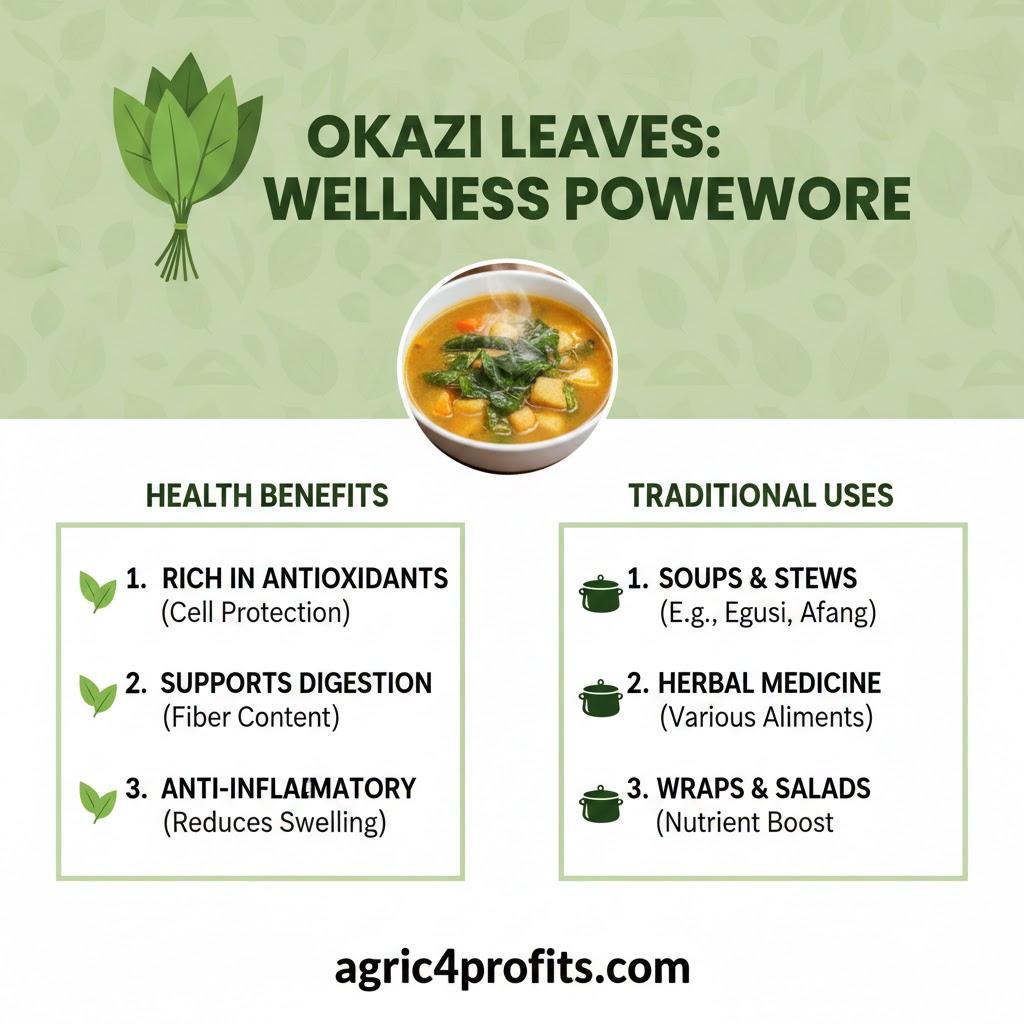
Okazi leaves (Gnetum africanum) are nutrient-dense (values approximate per 100g dry or as reported in studies):
1. Crude protein: Around 13-20%, providing essential amino acids for tissue repair, growth, and overall body maintenance.
2. Dietary fiber: High at 7-37%, aiding digestion, preventing constipation, promoting satiety, and supporting gut health.
3. Vitamin C: Significant amounts (around 45-52mg in raw/cooked forms), boosting immunity, collagen production, and antioxidant protection.
4. Vitamin A and carotenoids: Present (carotenoids ~250-317mg), supporting vision, skin health, and immune function.
5. Iron: Notable levels, helping prevent anemia by supporting red blood cell formation and oxygen transport.
6. Calcium and magnesium: Rich sources (Ca high in some analyses, Mg increased post-cooking), promoting strong bones, teeth, muscle function, and cardiovascular health.
7. Other minerals and low calories: Includes potassium, zinc, sodium, phosphorus for electrolyte balance, metabolism, and blood pressure regulation; overall low in calories with high nutrient density.
Summary of Okazi Leaves (Gnetum africanum)
| Aspect | Description |
|---|---|
| What are Okazi Leaves | Dark green, tough, slightly bitter leaves from Gnetum africanum (climbing vine in tropical rainforests of West/Central Africa); also called afang leaves (Efik/Ibibio), oblong/ovate shape, 20-25cm long; popular in Nigerian southern/southeastern cuisine. |
| Nutritional Highlights | Rich in protein (13-20%), fiber (7-37%), vitamins A/C, iron, calcium, magnesium, potassium, zinc; antioxidants, phytochemicals; low calories, high nutrient density. |
| Key Health Benefits | Boosts immunity (vitamin C), promotes digestion (fiber prevents constipation), lowers cholesterol/heart disease risk, regulates blood sugar (diabetes support), aids weight loss (satiety), reduces inflammation, supports bone health (calcium), fights oxidative stress/cancer risk, aids wound healing, reduces hypertension/stroke risk, detoxifies, promotes skin/vision health, boosts energy (iron), manages asthma symptoms. |
| Common Uses | Culinary: In soups/stews (afang soup with water leaves, egusi, oha, vegetable soup), served with fufu/eba; thinly sliced for flavor; medicinal: Traditional treatment for enlarged spleen, sore throat, fever, diarrhea, high BP/cholesterol, stomach issues, pain at childbirth, snake poison; teas/drinks, cosmetic soaps/creams, livestock feed, soil fertilizer. |
| Preparation Methods | Wash thoroughly, slice thinly, cook in soups/stews to soften and release flavor/nutrients; can be sun-dried/stored or frozen; sometimes chewed raw traditionally but usually cooked. |
| Precautions | Excessive intake may cause bloating/discomfort from high fiber; wash properly to avoid contamination; safe in moderation for children/pregnancy (beneficial nutrients like iron/calcium/folate); cook to improve digestibility. |
| Overall | Versatile, nutrient-rich West African vegetable with strong traditional and scientific support for nutritional/medicinal value; enhances flavor in dishes while providing broad health benefits for immunity, digestion, heart, and more. |
Frequently Asked Questions About Okazi Leaves (Gnetum africanum)
1. What are Okazi leaves and their other names?
Okazi leaves come from Gnetum africanum, also known as afang leaves in southeastern Nigeria (Efik/Ibibio), a dark green vegetable from a tropical climbing vine.
2. What are the main health benefits of Okazi leaves?
They boost immunity, aid digestion, lower cholesterol/blood sugar, support weight loss, reduce inflammation, promote bone health, fight oxidative stress/cancer risk, aid wound healing, reduce hypertension, detoxify, and support skin/vision/energy.
3. Is Okazi leaves good for diabetes management?
Yes, compounds help regulate blood sugar by slowing glucose absorption, with fiber and phytochemicals supporting traditional use in diabetes control.
4. How do I prepare Okazi leaves for cooking?
Wash thoroughly, slice thinly, add to soups/stews like afang soup; cook to soften texture, enhance flavor, and improve nutrient availability/digestibility.
5. Are Okazi leaves nutritious during pregnancy?
Yes, in moderation; rich in iron, calcium, folate, and other nutrients that support maternal health, blood formation, and fetal development.
6. Does Okazi leaves help with weight loss?
Yes, low calories and high fiber promote fullness, reduce overeating, and support healthy weight management.
7. Can Okazi leaves be eaten raw?
Traditionally sometimes chewed raw, but usually cooked due to tough texture; cooking makes it more digestible and releases benefits better.
8. What nutrients are prominent in Okazi leaves?
High in protein, fiber, vitamins A/C, iron, calcium, magnesium, potassium, zinc, and antioxidants for broad nutritional support.
9. Are there side effects from eating Okazi leaves?
Generally safe; excess high fiber may cause bloating or discomfort; always wash well to prevent contamination.
10. How do Okazi leaves support heart health?
They lower cholesterol, reduce inflammation, provide potassium/magnesium for blood pressure regulation, and decrease risks of heart disease and stroke.
Do you have any questions, suggestions, or contributions? If so, please feel free to use the comment box below to share your thoughts. We also encourage you to kindly share this information with others who might benefit from it. Since we can’t reach everyone at once, we truly appreciate your help in spreading the word. Thank you very much for your support and for sharing!
Disclaimer: This article is for educational and informational purposes only. The health benefits described are based on scientific research and traditional knowledge. They ayre not a substitute for professional medical advice, diagnosis, or treatment. Always consult a healthcare professional before using any herb or natural remedy for medical purposes.
Read Also: Key Strategies In Becoming Successful In International Marketing