


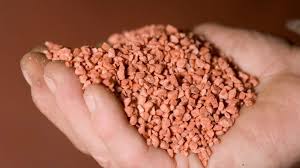
Potash is a general term used to describe a group of water-soluble potassium compounds that are commonly used in the production of fertilizers. The term “potash” comes from the Dutch word “potaschen,” which means “pot ashes,” as the compound was originally extracted from the ashes of burnt wood and plants.
Potassium is an essential nutrient for plants, and potash is an important source of this nutrient. Potash can come from several different sources, including mined deposits, evaporated deposits from salt lakes, and by-products of industrial processes such as the production of aluminum.
Potash is typically used as a fertilizer to improve the yield and quality of crops such as corn, wheat, and soybeans. It can also be used in the production of other goods, such as glass, soaps, and detergents.
Potash is often applied to soil in combination with other nutrients, such as nitrogen and phosphorus, to create a balanced fertilizer that provides all the nutrients that crops need to grow and thrive.
The global demand for potash is driven by the need to increase food production to feed a growing population. Canada, Russia, and Belarus are among the largest producers of potash in the world, but it is also produced in other countries such as the United States, China, and Germany.
Read Also: Comprehensive Amazing Health Benefits of Cauliflower
Description of Potash
Potash is a general term used to describe a group of water-soluble potassium compounds that are commonly used in the production of fertilizers.
It is an essential nutrient for plant growth, and provides a concentrated source of potassium, which is necessary for plant growth and the development of strong roots, stems, and leaves.
Potash can exist in different forms, including potassium chloride (KCl), potassium sulfate (K2SO4), and potassium-magnesium sulfate (K2SO4·2MgSO4). Potassium chloride is the most commonly used form of potash, and it contains approximately 60-62% potassium. Potassium sulfate and potassium-magnesium sulfate have lower potassium content, but are used in certain types of crops that require more sulfur or magnesium.
Potash is typically mined from underground deposits, but it can also be extracted from the ashes of burnt wood and plants, as was historically done. It is generally sold in granular form, and can be applied to soil through various methods such as broadcast application, banding, or fertigation.
In addition to its use as a fertilizer, potash is also used in various industrial applications such as glass production, soap and detergent manufacturing, and the production of some types of medicine. It can also be used as a food preservative. Overall, potash plays a crucial role in supporting global food production and sustaining agricultural productivity.
20 Health Benefits of Potash
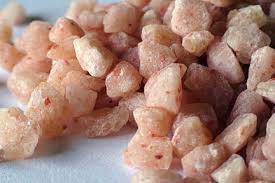
According to research, there is no scientific evidence that potash has health benefits for human consumption, as it is typically used as a fertilizer for crops.
Potassium, on the other hand, is an essential nutrient for human health and is found in a variety of foods such as fruits, vegetables, and dairy products. Below are 20 potential health benefits of potassium:
1. Regulates blood pressure: Potassium can help regulate blood pressure by counteracting the effects of sodium, which can lead to high blood pressure.
2. Supports heart health: Adequate potassium intake is associated with a reduced risk of heart disease and stroke.
3. Improves bone health: Potassium may help improve bone health by reducing the loss of calcium from the body.
4. Reduces the risk of kidney stones: Potassium may help reduce the risk of kidney stones by promoting the excretion of calcium in the urine.
5. Improves muscle function: Potassium is necessary for proper muscle function and can help prevent muscle cramps and spasms.
6. Promotes nerve function: Potassium plays a key role in nerve function and can help prevent conditions such as numbness and tingling.
7. Supports digestive health: Potassium may help regulate digestion and prevent conditions such as constipation.
8. Enhances cognitive function: Adequate potassium intake is associated with improved cognitive function and memory.
9. Reduces the risk of diabetes: Potassium may help reduce the risk of diabetes by improving insulin sensitivity.
10. Supports adrenal function: Potassium is necessary for proper adrenal function, which helps regulate the body’s response to stress.
11. Helps maintain electrolyte balance: Potassium is an important electrolyte that helps maintain fluid and electrolyte balance in the body.
12. May improve sleep quality: Potassium may help improve sleep quality by promoting relaxation and reducing muscle tension.
13. Reduces inflammation: Potassium may help reduce inflammation in the body, which is associated with a variety of health conditions.
14. Supports immune function: Potassium is necessary for proper immune function and can help promote overall health.
15. Helps prevent osteoporosis: Potassium may help prevent osteoporosis by reducing bone loss and improving bone strength.
16. Reduces the risk of stroke: Adequate potassium intake is associated with a reduced risk of stroke.
17. Promotes healthy skin: Potassium may help promote healthy skin by improving hydration and reducing dryness.
18. Helps regulate blood sugar levels: Potassium may help regulate blood sugar levels by improving insulin sensitivity.
19. Supports vision health: Potassium is necessary for proper vision health and can help prevent conditions such as macular degeneration.
20. Reduces the risk of cancer: Adequate potassium intake is associated with a reduced risk of certain types of cancer, such as colon cancer.
It is very important to note that while potassium is essential for human health, excessive potassium intake can be harmful and may lead to a condition called hyperkalemia.
Therefore, it’s important to consume potassium in moderation and under the guidance of a healthcare professional if you have any underlying health conditions.
Uses of potash
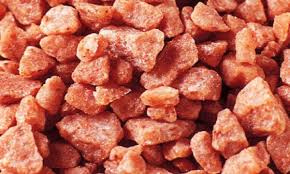
Potash is mainly used in agriculture as a fertilizer, providing plants with a concentrated source of potassium, which is essential for plant growth and the development of strong roots, stems, and leaves. Below are some of the main uses of potash:
Fertilizer: Potash is used as a primary ingredient in many fertilizers due to its high potassium content. It can be used to improve crop yields and overall plant health.
Crop production: Potash is used in the production of a wide variety of crops, including fruits, vegetables, cereals, and nuts. It helps improve crop quality and yields.
Soil improvement: Potash can be used to improve soil quality by balancing soil pH levels and promoting beneficial microbial growth.
Animal feed: Potash can be added to animal feed to provide essential minerals and nutrients for livestock.
Industrial applications: Potash is used in a variety of industrial applications, including the production of glass, soap, and detergents. It can also be used as a food preservative and is an important ingredient in some types of medicine.
Water treatment: Potash can be used in water treatment processes to help remove impurities and contaminants.
Fire extinguisher: Potash can be used as an ingredient in fire extinguishers due to its ability to smother flames.
Metal refining: Potash can be used in the refining of metals such as aluminum and gold.
Oil and gas drilling: Potash can be used in oil and gas drilling operations as a drilling fluid to help lubricate and cool the drill bit.
De-icing agent: Potash can be used as a de-icing agent on roads and sidewalks during the winter months.
In summary, potash has a wide range of uses, from agriculture to industrial applications. Its main use is as a fertilizer, providing plants with a concentrated source of potassium, which is essential for plant growth and development. Potash is also used in animal feed, water treatment, metal refining, and as a de-icing agent, among other applications.
Read Also: How to Grow Herbs and Spices in Urban Areas
Sources of Potash
Potash is a naturally occurring mineral that is found in rocks and soils. There are several sources of potash, including:
Potash ore: The majority of the world’s potash is extracted from underground mines that produce ore containing potassium chloride. The ore is then processed to extract the potash.
Salt lakes and brines: Potash can also be obtained from naturally occurring salt lakes and brines. The brines are pumped to the surface and the potash is extracted using evaporation ponds.
Wood ash: Potash was historically obtained from burning wood, as the ash contains potassium carbonate, which is a type of potash. While this method is no longer used on a large scale, small-scale farmers and gardeners may still use wood ash as a source of potash.
Sea vegetables: Certain types of seaweed, such as kelp, contain high levels of potassium and can be used as a natural source of potash.
Recycling: Potash can also be obtained from recycling processes, such as the incineration of plant material or the processing of food waste.
Scientific Evidence and Case Studies on Potash
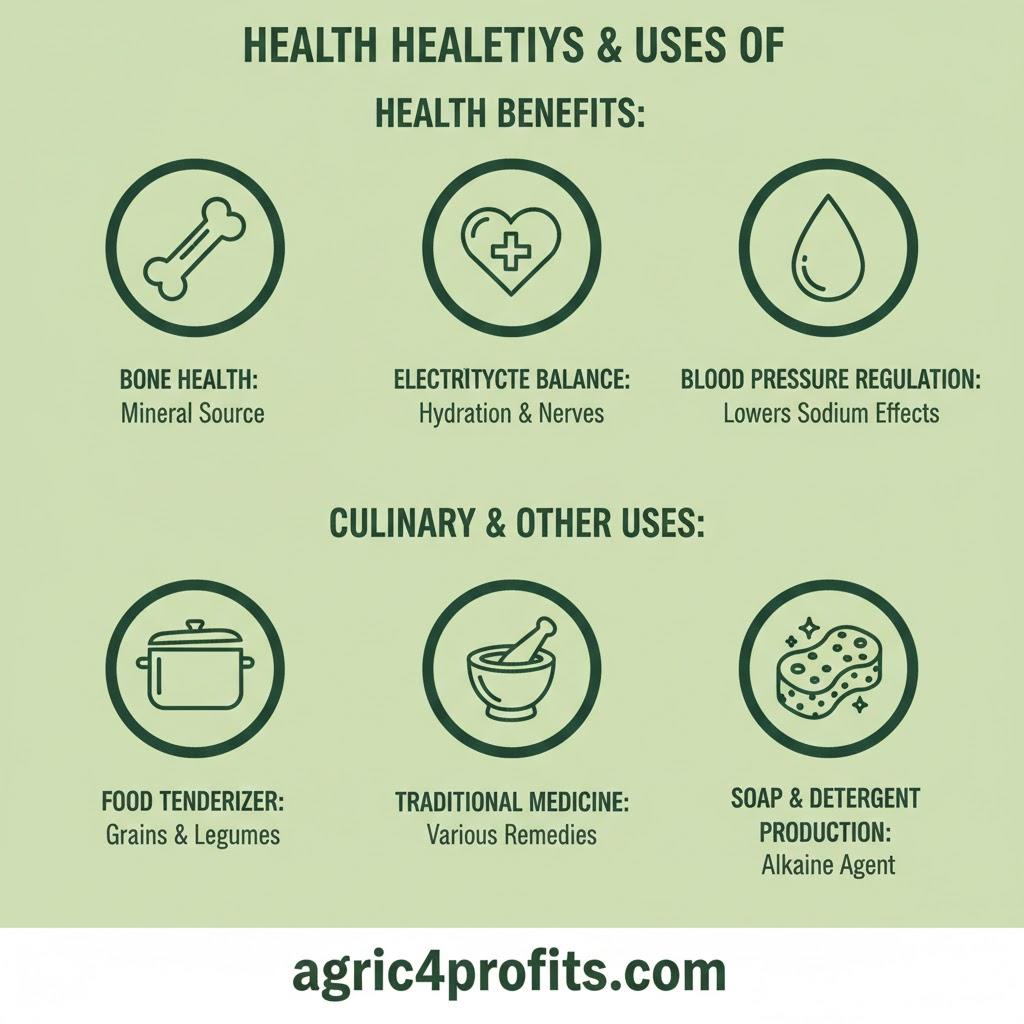
1. Antacid and expectorant properties: Potash exhibits antacid effects that help neutralize stomach acid and act as an expectorant, supporting traditional uses for relieving cough, constipation, and flatulence.
2. Meat tenderizing and texture improvement: As an alkaline agent, it breaks down proteins and softens tough foods like beans, vegetables, and meats, enhancing digestibility and texture in culinary applications.
3. Antimicrobial and fungicidal activity: Demonstrates fungicidal properties and potential to inhibit certain pathogens, contributing to its role as a preservative in traditional food storage.
4. Mineral composition and elemental benefits: Contains essential minerals like potassium, sodium, and traces of others from natural sources, which may support electrolyte balance and related physiological functions in moderate use.
5. Toxicological considerations in food use: Studies on Nigerian potash types (trona and natron) indicate potential risks from heavy metals or high alkalinity with prolonged/high intake, affecting organs like stomach, esophagus, and lipid profiles, highlighting the need for regulated use.
Summary of Potash
| Aspect | Details |
|---|---|
| Common Names | Potash, Akanwu, Kaun, Kanwa, Akaun, Trona/Natron (mineral forms) |
| Sources/Types | Traditionally from burned plant ashes (e.g., cocoa pods, palm fronds); natural mineral evaporites like trona or natron; available as lumps, powder, or granules |
| Origin/Appearance | Alkaline salt used widely in West Africa (especially Nigeria); grayish-white to brownish lumps or fine powder; highly alkaline with soapy/bitter taste |
| Preparation/Processing | Derived by leaching ashes of certain plants with water, evaporating to crystals; commercial forms may be mined or processed |
| Key Health Benefits | Acts as antacid for stomach issues, relieves constipation/flatulence/cough (expectorant), tenderizes meat/beans/veggies, preserves food, potential toothache relief, supports sliminess in soups like ewedu/okra |
| Culinary Uses | Tenderizer in beans, okra, ewedu (jute leaf soup), ogbono, and other soups/stews; small amounts added to enhance texture, draw, and draw out sliminess; used in traditional dishes for softening tough ingredients |
| Other Uses | Medicinal concoctions for cough/chest issues, toothache remedy, preservative, fire extinguisher component, fertilizer production, soap/glass making |
| Nutritional/Functional Highlights | Provides alkalinity for pH adjustment in food, supplies potassium and other minerals in trace amounts; enhances food texture and preservation |
| Precautions | Highly alkaline/caustic—can cause burns/irritation if mishandled; excessive consumption linked to stomach/esophagus damage, heavy metal risks, organ effects; use sparingly; not a direct potassium supplement; consult professionals for medicinal use |
Frequently Asked Questions About Potash
1. What is potash (akanwu/kaun) in Nigerian cooking?
It is a natural alkaline salt, often from plant ashes or minerals like trona, used as a food additive for tenderizing and texture enhancement.
2. Why is potash added to soups like ewedu or okra?
It helps create the characteristic sliminess/draw in soups, softens vegetables/meats, and improves overall texture during cooking.
3. Is potash the same as baking soda?
No, though both are alkaline; potash is typically potassium carbonate or natural salts like trona, stronger and more traditional in African cuisine.
4. What are the traditional health uses of potash?
Used as an antacid for stomach relief, expectorant for cough, constipation remedy, toothache soother, and in medicinal mixtures.
5. Can potash tenderize tough foods?
Yes, its alkalinity breaks down proteins in beans, peas, meats, and tough vegetables, making them softer and quicker to cook.
6. Is potash safe to consume regularly?
In small culinary amounts, traditionally considered safe, but excessive or long-term use may cause digestive irritation, burns, or other risks due to high alkalinity.
7. Does potash have preservative properties?
Yes, it acts as a natural preservative in some traditional foods and preparations due to its antimicrobial effects.
8. What precautions should be taken with potash?
Use only food-grade in tiny quantities; avoid direct skin/eye contact as it’s caustic; not recommended for high intake; source from reputable places to minimize contaminants like heavy metals.
9. Can potash help with constipation?
Traditionally used for its antacid and mild laxative-like effects to relieve constipation and bloating.
10. How should potash be stored?
Keep in a dry, airtight container away from moisture and children, as it can absorb water and remain stable for long periods.
Do you have any questions, suggestions, or contributions? If so, please feel free to use the comment box below to share your thoughts. We also encourage you to kindly share this information with others who might benefit from it. Since we can’t reach everyone at once, we truly appreciate your help in spreading the word. Thank you very much for your support and for sharing!
Disclaimer: This article is for educational and informational purposes only. The health benefits described are based on scientific research and traditional knowledge. They ayre not a substitute for professional medical advice, diagnosis, or treatment. Always consult a healthcare professional before using any herb or natural remedy for medical purposes.
Read Also: How Tuition Tax Credits Can Help You Save Thousands of Dollars