


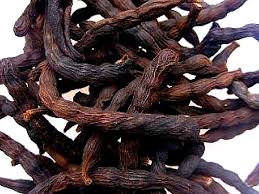
Uda plant is also known as Xylopia aethiopica. This plant is native to West Africa and is commonly used in traditional medicine and cuisine. In traditional medicine, various parts of the Uda plant are used to treat a range of ailments such as stomach pain, toothache, fever, and malaria. It is also used as a natural insecticide.
In cuisine, the Uda plant is used as a spice to add flavor to soups, stews, and sauces. The dried fruit of the plant has a spicy, aromatic flavor and is often compared to black pepper.
Its worth noting that while the Uda plant has a long history of use in traditional medicine and cuisine, scientific research on its medicinal properties and potential side effects is still ongoing. As with any herbal remedy, it is very important to speak with a healthcare provider before using the Uda plant for medicinal purposes.
Read Also: Begonia Flowers – All you need to know
Description of Uda Plant

The Uda plant, also known as Xylopia aethiopica, is a small to medium-sized evergreen tree that is native to West Africa. It can grow up to 20 meters tall, and its trunk is usually about 30 cm in diameter. The Uda plant has a greyish-brown bark that is rough and fissured.
The leaves of the Uda plant are simple, alternate, and elliptical in shape, with a smooth margin and a glossy surface. The flowers are small, greenish-yellow, and are borne on short stalks at the base of the leaves.
The fruit of the Uda plant is a woody capsule that is about 2-3 cm in diameter, with a rough surface and a dark brown color when ripe. The fruit contains numerous seeds that are surrounded by a fleshy pulp.
The Uda plant is highly valued for its aromatic properties, and various parts of the plant are used in traditional medicine and cuisine. The dried fruit of the plant is particularly prized for its spicy, aromatic flavor, which is often compared to black pepper.
It is used as a spice in West African cuisine to flavor soups, stews, and sauces. In traditional medicine, various parts of the plant are used to treat a range of ailments such as stomach pain, toothache, fever, and malaria.
Health Benefits of Uda Plant
While there is still ongoing research on the medicinal properties of the Uda plant (Xylopia aethiopica), Below are 20 of the potential health benefits associated with this plant:
1. Pain relief: The Uda plant has analgesic properties that can help alleviate pain associated with conditions such as toothache, headache, and menstrual cramps.
2. Anti-inflammatory: The plant contains anti-inflammatory compounds that can help reduce inflammation and swelling in the body, potentially improving conditions such as arthritis and other inflammatory disorders.
3. Anti-infective: The Uda plant has antibacterial, antifungal, and antiviral properties that can help fight infections and promote healing.
4. Respiratory health: The plant is used in traditional medicine to treat respiratory problems such as cough, cold, and bronchitis, possibly due to its expectorant and bronchodilator properties.
5. Immune system support: The Uda plant has immune-boosting properties that can help strengthen the body’s defenses against infections and diseases.
6. Digestive aid: The plant has digestive properties that can help relieve digestive issues such as bloating, constipation, and diarrhea, possibly due to its carminative and anti-spasmodic effects.
7. Blood sugar control: The Uda plant has been shown to have hypoglycemic effects, which can help lower blood sugar levels in people with diabetes.
8. Heart health: The plant has been found to have cardio-protective properties that can help improve heart health and reduce the risk of cardiovascular disease.
9. Anti-cancer: Some studies have found that the Uda plant may have anti-cancer properties and may help inhibit the growth of cancer cells, potentially due to its antioxidant and anti-inflammatory effects.
10. Menstrual cramp relief: The plant has been traditionally used to alleviate menstrual cramps and regulate menstrual cycles, possibly due to its analgesic and antispasmodic properties.
11. Fever reduction: The Uda plant has been traditionally used to reduce fever and relieve symptoms associated with fever.
12. Anti-aging: The plant contains antioxidants that can help protect the body against the harmful effects of free radicals and may have anti-aging benefits.
13. Anti-malarial: The plant has been traditionally used to treat malaria and may have anti-malarial properties, possibly due to its antipyretic and anti-inflammatory effects.
14. Anti-ulcer: Some studies have found that the Uda plant may have anti-ulcer properties and may help protect the stomach lining from damage.
15. Skin health: The plant is used in traditional medicine to treat various skin problems such as eczema, rashes, and itching, possibly due to its anti-inflammatory, antifungal, and antimicrobial effects.
16. Weight loss: The plant has been found to have weight loss properties and may help promote weight loss when included in a healthy diet.
17. Arthritis relief: The Uda plant has been traditionally used to treat arthritis and may have anti-inflammatory properties that can help reduce joint pain and stiffness.
18. Liver support: The plant has been traditionally used to treat liver problems such as jaundice and may have hepatoprotective properties, potentially due to its antioxidant effects.
19. Anti-anxiety: The plant has been found to have anxiolytic properties that can help reduce anxiety and promote relaxation.
20. Cognitive function: The plant has been traditionally used to improve cognitive function and memory and may have neuroprotective properties, possibly due to its antioxidant effects.
Read Also: BellFlowers – All You Need to Know
Uses of Uda Plant
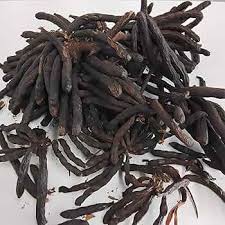
Below are some basic uses of the Uda plant (Xylopia aethiopica):
Culinary uses: The Uda plant is widely used as a spice in African cuisine due to its strong, pungent flavor. It is used to flavor soups, stews, and sauces and can also be added to marinades for meat and fish dishes.
Traditional medicine: The Uda plant has been used for centuries in traditional medicine to treat a variety of ailments such as diarrhea, fever, and respiratory problems. It is believed to have anti-inflammatory, antibacterial, and antifungal properties, among others.
Cosmetics: The plant has antimicrobial and anti-inflammatory properties that make it potentially useful in cosmetics and skincare products. It may be used as an ingredient in lotions, creams, and soaps.
Insect repellent: The Uda plant has insecticidal properties and may be used to repel insects such as mosquitoes and ants. It can be used in natural insect repellent formulations.
Soap making: The Uda plant is used in soap making for its fragrance and potential skin benefits. Its essential oil or powder may be added to soap formulations.
Flavoring agent: The Uda plant is used to flavor alcoholic beverages such as gin and beer. It adds a distinct flavor and aroma to the drinks.
Aromatherapy: The plant has a strong, spicy aroma that can be used in aromatherapy to promote relaxation and relieve stress. Its essential oil may be used in diffusers or added to massage oils.
Agricultural uses: The Uda plant has pesticidal properties and may be used as a natural pesticide in agriculture. Its extracts may be used to control pests in crops.
Animal feed: The plant is rich in nutrients and has potential medicinal properties, making it a suitable feed supplement for livestock. It may help improve animal health and productivity.
Ornamental plant: The Uda plant has attractive, glossy leaves and may be grown as an ornamental plant in gardens and landscaping. Its foliage adds visual interest to outdoor spaces.
Scientific Evidence and Case Studies on Health Benefits and Uses of Uda Plant
1. Anti-inflammatory and hypoglycaemic effects: Aqueous extract of Tetrapleura tetraptera fruit demonstrates significant anti-inflammatory and blood sugar-lowering properties in rat models.
2. Anti-obesity and metabolic syndrome benefits: Tetrapleura tetraptera spice attenuates weight gain, insulin resistance, high blood glucose, and inflammation in high-carbohydrate, high-fat diet-induced obese and type 2 diabetic rats.
3. Antimicrobial and antioxidant activity: The plant’s phytochemicals provide strong antioxidant, antimicrobial, anti-inflammatory, anti-diabetic, and anti-parasitic effects, supporting its use against infections and oxidative stress.
4. Wound healing promotion: Topically applied Tetrapleura tetraptera stem-bark extract accelerates cutaneous wound healing in normal and dexamethasone-treated rat models.
5. Reproductive and testicular support: Aqueous extract of Tetrapleura tetraptera fruit peels enhances copulatory behavior, steroidogenesis, spermatogenesis, and maintains testicular integrity in male rats.
Nutritional Value Of Health Benefits and Uses of Uda Plant

Uda (Tetrapleura tetraptera pods/seeds, approximate values per 100g dried) offers these key nutrients:
1. High in dietary fiber: Contains around 20-21g of fiber, supporting digestion, bowel regularity, and satiety for weight management.
2. Good source of protein: Provides about 15g of protein, contributing to tissue repair and muscle maintenance.
3. Contains carbohydrates: Offers around 52g of carbohydrates for energy provision.
4. Source of healthy fats: Supplies about 9g of fats, including beneficial compounds for overall health.
5. Rich in antioxidants and phytochemicals: Abundant in flavonoids, alkaloids, tannins, and other bioactive compounds that combat oxidative stress.
6. Contains minerals: Includes potassium and other minerals that support heart health and blood pressure regulation.
7. Low in calories: Relatively low-calorie spice ideal for flavoring without adding significant energy.
Summary of Health Benefits and Uses of Uda Plant
| Aspect | Key Details |
|---|---|
| Description | Uda plant (Tetrapleura tetraptera), also known as Aidan fruit or Prekese, is a tropical African tree with woody pods used as a spice and medicinal plant; pods are dark brown, aromatic, with a pungent pepper-like flavor. |
| Nutritional Highlights | High fiber, protein, carbohydrates, fats, antioxidants, phytochemicals (flavonoids, alkaloids, tannins), minerals like potassium. |
| Health Benefits | Pain relief (toothache, headache, cramps), anti-inflammatory (arthritis), anti-infective (antibacterial, antifungal, antiviral), respiratory support (cough, cold), immune boost, digestive aid (bloating, constipation), blood sugar control, heart health, potential anti-cancer, menstrual relief, fever reduction, anti-aging, anti-malarial, anti-ulcer, skin health, weight loss, arthritis relief, liver support, anti-anxiety, cognitive enhancement. |
| Uses | Culinary spice in soups, stews, sauces, marinades; traditional medicine for various ailments; cosmetics (lotions, soaps); insect repellent; soap making; flavoring beverages; aromatherapy; agricultural pesticide; animal feed supplement; ornamental plant. |
| Preparation | Pods boiled for tea, ground as spice, or used in extracts for remedies. |
| Precautions | Use in moderation; consult healthcare provider for medicinal use as research on side effects is ongoing. |
Frequently Asked Questions About Health Benefits and Uses of Uda Plant
1. What is Uda plant?
Uda, also called Aidan fruit or Prekese (Tetrapleura tetraptera), is an African tree whose dried pods are used as a spicy aromatic seasoning and traditional remedy.
2. What does Uda taste like?
It has a pungent, peppery, slightly bitter flavor similar to black pepper with woody and aromatic notes.
3. Can Uda help with blood sugar control?
Yes, studies show it has hypoglycaemic effects and helps manage diabetes by lowering blood glucose levels.
4. Is Uda good for inflammation and pain?
Yes, its anti-inflammatory and analgesic properties relieve pain, swelling, and conditions like arthritis.
5. Does Uda support digestive health?
Yes, it aids digestion, relieves bloating, constipation, and diarrhea as a carminative spice.
6. Can Uda boost the immune system?
Yes, its antimicrobial, antiviral, and antioxidant compounds help fight infections and strengthen immunity.
7. Is Uda used for malaria treatment?
Yes, traditionally and in studies, it shows anti-malarial and antipyretic effects.
8. Does Uda benefit heart health?
Yes, it helps lower blood pressure, reduce inflammation, and support cardiovascular function.
9. How is Uda typically used in cooking?
Pods are added whole or ground to soups, stews, sauces, and marinades for flavor in West African dishes.
10. Is Uda safe for regular use?
Yes in culinary amounts, but consult a doctor for medicinal doses due to ongoing research on potential effects.
Do you have any questions, suggestions, or contributions? If so, please feel free to use the comment box below to share your thoughts. We also encourage you to kindly share this information with others who might benefit from it. Since we can’t reach everyone at once, we truly appreciate your help in spreading the word. Thank you very much for your support and for sharing!
Disclaimer: This article is for educational and informational purposes only. The health benefits described are based on scientific research and traditional knowledge. They ayre not a substitute for professional medical advice, diagnosis, or treatment. Always consult a healthcare professional before using any herb or natural remedy for medical purposes.
Read Also: Why Term Insurance Could Be the Right Choice for You