


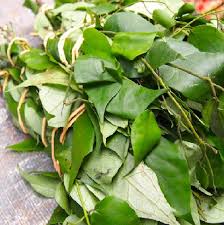
Uziza leaves are a type of African plant that is commonly used as a spice in West African cuisine. The botanical name of the plant is Piper guineense, and it is also known as Guinea pepper or Benin pepper.
Uziza leaves are usually sold in dried form and have a pungent aroma and a slightly bitter taste. They are commonly used to add flavor to soups, stews, sauces, and other dishes, and are particularly popular in Nigerian cuisine.
In addition to their culinary uses, uziza leaves are also believed to have some medicinal properties. They are said to have antimicrobial, anti-inflammatory, and analgesic effects, and are sometimes used to treat a variety of ailments, including coughs, colds, and rheumatism.
However, it is important to note that there is limited scientific research on the medicinal properties of uziza leaves, and they should not be used as a substitute for medical treatment without consulting a healthcare professional.
Read Also: Guide on Shea Butter Processing, Health Benefits and Uses
Description of Uziza Leaves
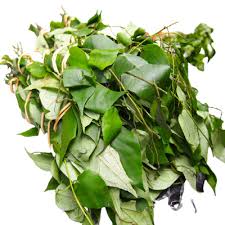
The leaves are oval-shaped and have a pointed tip, with a slightly rough texture. They grow up to about 12 cm in length and 5 cm in width. Uziza leaves are often used as a seasoning in traditional African cuisine, and are particularly popular in Nigerian and Cameroonian cooking.
Uziza leaves are sometimes confused with another similar-looking plant called utazi, which is also used as a seasoning in West African cuisine. However, utazi leaves are lighter in color and have a smoother texture compared to uziza leaves.
Overall, uziza leaves are an important ingredient in many traditional West African dishes, and are known for their unique and strong flavor.
Health Benefits of Uziza Leaves
Antioxidant properties: Uziza leaves are rich in antioxidants, which can help to protect the body against damage from harmful free radicals.
Anti-inflammatory effects: Some studies suggest that uziza leaves may have anti-inflammatory properties, which could help to reduce inflammation in the body and potentially alleviate symptoms of conditions like arthritis.
Pain relief: Uziza leaves may have analgesic properties, which could help to reduce pain and discomfort.
Digestive health: Uziza leaves are believed to aid digestion and alleviate digestive issues like constipation and diarrhea.
Immune system support: Uziza leaves are high in vitamins and minerals that can help to support the immune system and promote overall health.
Respiratory health: Uziza leaves are often used to treat respiratory conditions like coughs and colds, and are believed to have antimicrobial properties that can help to fight off infection.
Anti-malaria properties: Some studies suggest that uziza leaves may have anti-malaria properties, which could potentially make them a useful natural remedy for this disease.
Blood sugar regulation: Uziza leaves may help to regulate blood sugar levels, which could be beneficial for people with diabetes or other blood sugar-related conditions.
Heart health: Uziza leaves contain compounds that may help to reduce the risk of heart disease by promoting healthy blood flow and reducing inflammation.
Skin health: Uziza leaves are believed to have antibacterial and antifungal properties that can help to improve skin health and treat skin infections.
Anti-cancer properties: Some studies suggest that uziza leaves may have anti-cancer properties, although more research is needed in this area.
Weight management: Uziza leaves are low in calories and high in fiber, which could help to promote weight loss and weight management.
Vision health: Uziza leaves are high in vitamin A, which is important for maintaining good vision health.
Bone health: Uziza leaves are a good source of calcium and other minerals that are important for maintaining healthy bones.
Wound healing: Uziza leaves may have wound healing properties, and are sometimes used to treat cuts and other injuries.
Anti-anxiety properties: Some studies suggest that uziza leaves may have anti-anxiety properties, which could potentially help to alleviate symptoms of anxiety and stress.
Anti-aging effects: Uziza leaves are rich in antioxidants that can help to slow down the aging process and promote overall health and wellness.
Uses of Uziza Leaves
Flavoring soups and stews: Uziza leaves are often used to add flavor to soups and stews, particularly in Nigerian cuisine. They have a unique, slightly bitter taste that can add depth to savory dishes.
Seasoning meats: Uziza leaves can be used as a seasoning for meats, particularly in marinades or rubs. They can add a pungent, aromatic flavor to grilled or roasted meats.
Flavoring rice dishes: Uziza leaves can be added to rice dishes like jollof rice or fried rice to add flavor and complexity to the dish.
Adding to sauces: Uziza leaves can be blended into sauces or dips like pesto or hummus to add a unique flavor.
Infusing oils: Uziza leaves can be steeped in oil to create a flavored oil that can be used for cooking or as a finishing oil.
Making tea: Uziza leaves can be steeped in hot water to create a tea that is believed to have a range of health benefits.
Garnishing dishes: Uziza leaves can be used as a garnish for a variety of dishes, adding color and flavor to the presentation.
Making spice blends: Uziza leaves can be ground up and used as an ingredient in spice blends like garam masala or curry powder.
Overall, uziza leaves are a versatile ingredient in African cuisine and can be used in a variety of dishes to add flavor and depth.
Read Also: How to Make Neem Insecticide from Neem Leaves (Dogoyaro)
Nutritional Value of Uziza Leaves

Rich in Vitamins and Minerals: Uziza leaves are a good source of vitamins and minerals that are essential for overall health. They contain high levels of vitamins A, C, and E, which are important antioxidants that protect the body from oxidative stress. They also contain minerals such as calcium, iron, and potassium.
High in Fiber: Uziza leaves are rich in dietary fiber, which is important for maintaining a healthy digestive system. Fiber helps to regulate bowel movements, reduce constipation, and lower the risk of colon cancer.
Low in Calories: Uziza leaves are low in calories, which makes them a great option for people who are trying to lose weight. A 100-gram serving of uziza leaves contains only about 20 calories.
Contains Essential Oils: Uziza leaves contain essential oils such as myristicin, elemicin, and safrole, which have antibacterial and antifungal properties. These oils also have a warming effect on the body, which makes them a popular ingredient in traditional medicine for treating various ailments.
Additionally, uziza leaves are a nutritious and flavorful addition to any diet. They are easy to find in local markets and can be used in a variety of dishes, including soups, stews, sauces, and salads.
Scientific Evidence and Case Studies on Health Benefits and Uses of Uziza Leaves (Piper guineense)
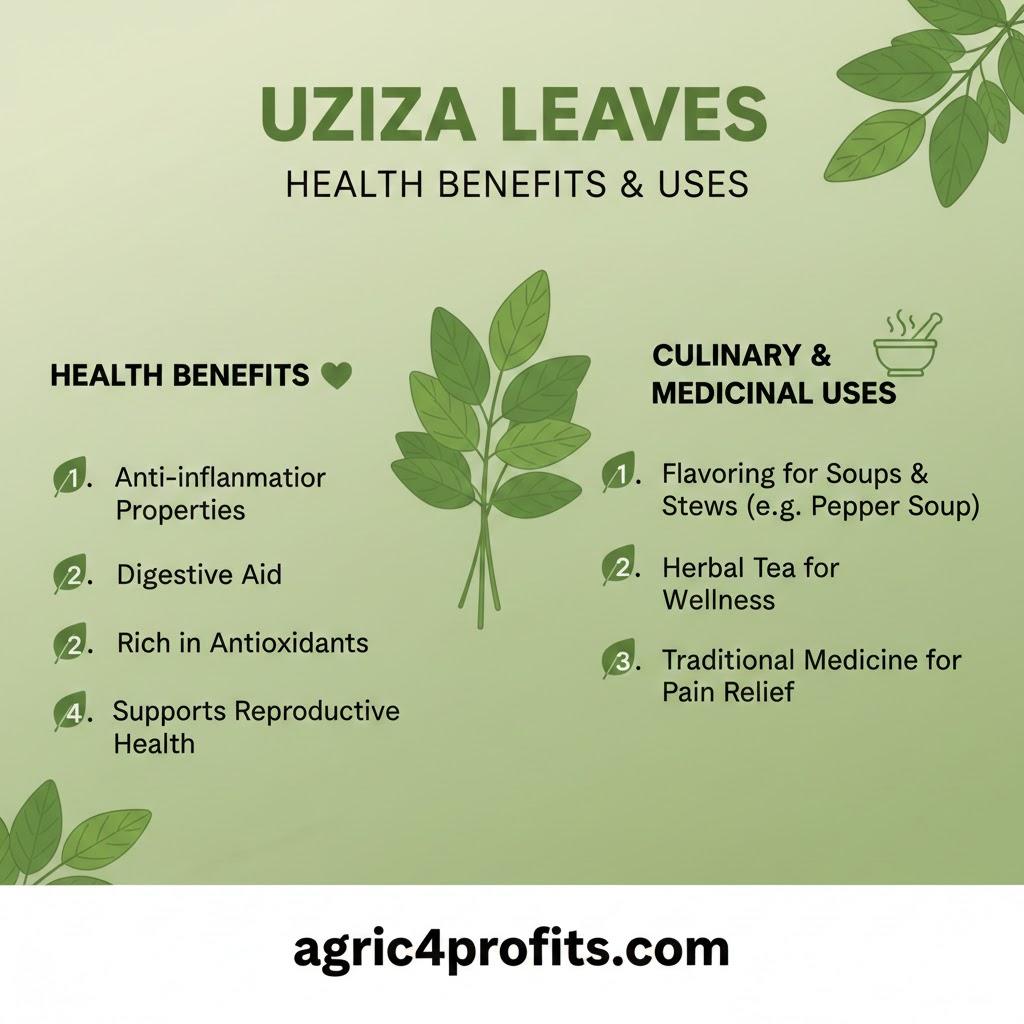
1. Antimicrobial activity: Flavonoids and piperine in Uziza leaf extracts demonstrate strong antibacterial and antifungal effects against pathogens like Staphylococcus aureus and Candida species in in vitro studies, supporting traditional use for infections and respiratory issues.
2. Antioxidant and anti-inflammatory effects: High phenolic compounds, flavonoids, and essential oils provide potent free radical scavenging and reduce inflammation markers, as shown in lab assays and animal models.
3. Analgesic and anti-inflammatory properties: Extracts exhibit pain-relieving and anti-inflammatory effects comparable to standard agents in animal models, useful for conditions like arthritis and menstrual pain.
4. Digestive and gastrointestinal benefits: Piperine and fiber content aid digestion, reduce flatulence, and support bowel regularity, with traditional evidence for treating diarrhea, dysentery, and constipation.
5. Hypoglycemic potential: Leaf extracts lower blood glucose and improve insulin sensitivity in diabetic animal models, aligning with uses for blood sugar regulation.
Summary of Health Benefits and Uses of Uziza Leaves (Piper guineense)
| Aspect | Key Details |
|---|---|
| Description | Uziza leaves come from Piper guineense (Guinea pepper or African black pepper), a West African climbing plant in the Piperaceae family; dark green, oval-shaped with pointed tips, slightly rough texture, strong pungent aroma, and bitter-peppery taste; often sold dried. |
| Nutritional Highlights | High fiber, protein, vitamins C and E, minerals (potassium, calcium, iron); low calories (~20-25kcal/100g); rich in antioxidants, flavonoids, piperine, and essential oils. |
| Health Benefits | Provides antioxidant protection against free radicals, reduces inflammation and pain (arthritis, menstrual cramps), aids digestion and relieves constipation/flatulence, supports immunity and fights infections (antimicrobial), regulates blood sugar for diabetes, promotes heart health and blood flow, improves skin health (antibacterial/antifungal), supports respiratory health (coughs/colds), potential anti-malaria/anti-cancer properties, aids weight management, maintains vision/bone health, promotes wound healing, may reduce anxiety/stress and slow aging. |
| Uses | Culinary: seasoning/flavoring in soups, stews, sauces, meats, rice dishes, marinades, spice blends; medicinal: brewed as tea for digestion/pain relief; traditional remedy for various ailments; garnish or infusion in oils. |
| Preparation | Dried leaves ground or used whole in cooking; steeped in hot water for tea; added late in dishes to preserve flavor/aroma. |
| Scientific Support | Evidence for antimicrobial, antioxidant, anti-inflammatory, analgesic, and hypoglycemic effects from phytochemical and extract studies; limited but supportive research overall. |
| Precautions | Use in moderation; not a substitute for medical treatment; consult healthcare provider for medicinal use due to limited extensive research. |
Frequently Asked Questions About Health Benefits and Uses of Uziza Leaves (Piper guineense)
1. What are Uziza leaves?
Uziza leaves are the dark green, pungent leaves of the Piper guineense plant, a West African spice known for its peppery-bitter flavor, commonly used in Nigerian and other regional cuisines.
2. How do Uziza leaves benefit digestion?
High fiber and piperine promote bowel regularity, reduce constipation, flatulence, and aid overall digestive health.
3. Are Uziza leaves good for immunity?
Yes, rich in vitamins C and E plus antioxidants, they support immune function and help fight infections.
4. Can Uziza leaves help with inflammation and pain?
Yes, their anti-inflammatory and analgesic properties may relieve arthritis, menstrual cramps, and general discomfort.
5. Do Uziza leaves regulate blood sugar?
Yes, studies show potential hypoglycemic effects that help manage blood glucose levels.
6. Is Uziza useful for respiratory issues?
Yes, antimicrobial properties support traditional use for coughs, colds, and respiratory infections.
7. Can Uziza leaves support heart health?
Yes, compounds promote healthy blood flow, reduce inflammation, and may lower heart disease risk.
8. How are Uziza leaves typically used in cooking?
Added to soups, stews, sauces, meats, rice, or marinades for flavor; often used dried and added toward the end of cooking.
9. Can Uziza leaves be consumed as tea?
Yes, steeped in hot water to make a medicinal tea for digestion, pain relief, or general wellness.
10. Are Uziza leaves safe for regular use?
Yes in culinary amounts as part of a balanced diet; moderate medicinal use is traditional, but consult a doctor for therapeutic doses due to limited extensive research.
Do you have any questions, suggestions, or contributions? If so, please feel free to use the comment box below to share your thoughts. We also encourage you to kindly share this information with others who might benefit from it. Since we can’t reach everyone at once, we truly appreciate your help in spreading the word. Thank you very much for your support and for sharing!
Disclaimer: This article is for educational and informational purposes only. The health benefits described are based on scientific research and traditional knowledge. They ayre not a substitute for professional medical advice, diagnosis, or treatment. Always consult a healthcare professional before using any herb or natural remedy for medical purposes.