


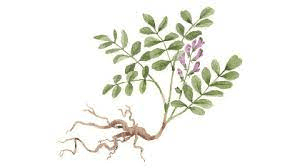
Licorice, Glycyrrhiza glabra, has considerably different strengths than the strong candy flavor that has come to be associated with it. Licorice root is an adaptogen herb that grows in Europe, the Mediterranean, and Asia. It has been used for countless purposes over thousands of years, including as a leaky gut treatment.
Although some members of the legume family, including licorice, can be found in the United States, Glycyrrhiza glabra is predominantly indigenous to Europe and Asia.
Additionally, “Chinese licorice” could be listed on items. In that situation, the second variety, Glycyrrhiza Uralensis, is probably the culprit.
The advantages of licorice root are largely the same for both types. But it’s important to remember that Glabra is often the variety mentioned when talking about licorice root.
The term Glycyrrhiza recalls the plant’s best-known moniker sweet root. We can understand why our forefathers were motivated to transform the extract into candy because it can be 30 to 50 times sweeter than sugar!
Since ancient times, Chinese medicine has employed anti-inflammatory licorice root for conditions like coughs and colds, gastrointestinal problems, and problems with female reproduction.
It’s noteworthy to know that licorice was utilized as a “guide medication” in traditional Chinese medicine. Licorice root was combined with other herbs and treatments to boost their effects and essentially direct the other herbs to the areas of the body where they would be most helpful. 2013 saw Tianjin University of Traditional Chinese Medicine observe and evaluate its use.
The advantages of licorice as a supplement were not disregarded in Europe either. Ancient usage of licorice root date back to the Middle Ages and beyond, including in Greece and Rome.
By the 20th century, manufacturing had made it possible to remove the root for use in drugs and then extract it for use as a candy sweetener.
Read Also: 8 Amazing Health Benefits of Galangal

You can still find genuine licorice candy, which is typically referred to as black licorice to distinguish it from the red imitation candy. However, that familiarly strong licorice flavor is typically replicated by the similarly flavored anise seed (a common biblical herb).
The FDA issued a warning to consumers to be aware that black licorice is more than simply a tasty pleasure due to the therapeutic potency and advantages of licorice root.
But why do we only consider licorice root as a candy flavoring if it has such a wide range of health benefits? What does DGL licorice root entail, and do you need to purchase specific licorice root supplements?
Let’s go over the background, applications, and unanswered questions of licorice root. This traditional herb has a lot to offer. Although licorice is well-known for its use in sweet foods, licorice root deserves to be known for its health advantages.
Since glycyrrhizin is mostly responsible for the licorice root’s adverse effects, DGL licorice is probably your best bet if any of them worry you.
Licorice root extract should never be taken by anybody who is pregnant since it may raise the risk of early delivery or miscarriage, or if they have heart, liver, or kidney problems.
According to some research, licorice supplements shouldn’t be consumed by those who have female hormone-sensitive disorders such as breast cancer, uterine cancer, ovarian cancer, endometriosis, or uterine fibroids since they may have estrogen-like effects.
Additionally, it could exacerbate erectile dysfunction, hypokalemia, potassium shortage (a muscular disorder brought on by nerve illness), and hypertonia.
Read Also: 6 Health Benefits of Horehound (Marrubium vulgare)
5 Health Benefits of Licorice Root (Glycyrrhiza glabra)

Given the variety of substances found in licorice and their obvious advantages, it is not surprising that this ancient herb has endured through the ages. Just a few benefits of licorice root include pain reduction, adrenal fatigue, PMS, heartburn treatment, and leaky gut.
These kinds of illnesses are incredibly common in our society. There aren’t many people out there who aren’t dealing with one (or more!) of these issues.
Americans spend $90 billion annually to treat gastrointestinal problems that include heartburn alone. Let’s quickly review each of these typical ailments and how licorice root helps them.
1. Helps Regulate Heartburn and Acid Reflux
Functional dyspepsia, which involves nausea, indigestion, and stomach discomfort in addition to heartburn, has been shown to be treatable with an extract of Glycyrrhiza glabra.
The licorice utilized in the trial was DGL, therefore there were no glycyrrhizin-related side effects for the subjects. Chewable tablets of DGL are available for purchase and can be taken before meals.
2. Adrenal Fatigue
Despite living in a relatively straightforward era of history, environmental, bodily, and mental stress problems are widespread in our culture. When we’re really just dealing with a budget issue or a choice at work, so many of us have put our adrenal glands into overdrive and feel like we’re running from woolly mammoths.
Licorice was discovered to assist the body more effectively regulate cortisol, the stress hormone, giving your adrenals a respite, according to a study published in the medical journal Molecular and Cellular Endocrinology.
It turns out to be one of the most important adaptogen herbs for enhancing stress response.
Read Also: 3 Health Benefits of Mugwort (Artemisia vulgaris)
3. Immunity
In the fight against illnesses including hepatitis C, HIV, and influenza, licorice is becoming a more important player. Licorice extract is possibly a potent immune system companion because the triterpenoid component has been proven to be an antiviral.
According to a study that appeared in Food Chemistry, licorice has “antioxidant, free-radical scavenging, and immuno stimulating” qualities.
4. Cure Sore Throat And Cough
Licorice root is a powerful expectorant that helps to loosen and evacuate the mucus that a sore throat or cough is attempting to get rid of. Its calming demulcent and anti-inflammatory qualities can provide quick sore throat relief.
Demulcents work best when they come into contact with the area of the body that needs to be calmed, therefore the extracts found in tea, cough syrups, and cough drops work best.
5. Pain Relief
Licorice can help with cramps in the abdomen and possibly in the muscles because it is an antispasmodic. Licorice functions as a corticosteroid when applied topically, which helps to relieve the discomfort associated with eczema and other skin disorders.
In addition to functioning as a natural cure for joint pain, anti-inflammatory properties may also assist reduce pain.
Read Also: 6 Health Benefits of Juniper Berries
Scientific Evidence and Case Studies on Licorice Root (Glycyrrhiza glabra)
1. Functional Dyspepsia (Indigestion): A randomized, double-blind, placebo-controlled study by Raveendra et al. assessed the efficacy of a flavonoid-rich extract of licorice (GutGard) in patients with functional dyspepsia. The results demonstrated that patients treated with the licorice extract showed a significant decrease in total symptom scores, including upper abdominal fullness and bloating, compared to the placebo group after 30 days.
2. Atopic Dermatitis (Eczema): Research conducted by Saeedi et al. investigated the therapeutic effects of a topical gel containing 2% licorice extract on patients with atopic dermatitis. The study found that the licorice gel was effective in reducing the severity of symptoms such as erythema (redness), edema (swelling), and itching over a two-week period, suggesting it as a viable herbal alternative for skin inflammation.
3. Post-Operative Sore Throat: A clinical trial by Agarwal et al. evaluated the effectiveness of gargling with licorice fluid prior to anesthesia to prevent sore throat caused by the insertion of a breathing tube (intubation). The findings revealed that the incidence and severity of post-operative sore throat were significantly lower in the group that gargled with licorice compared to those who used plain water or sugar water.
4. Eradication of Helicobacter pylori: A randomized controlled study by Hajiaghamohammadi et al. compared the efficacy of adding licorice extract to a standard clarithromycin-based triple therapy regimen for eradicating H. pylori bacteria. The results indicated that the addition of licorice significantly increased the eradication rate of the bacteria, particularly in patients with peptic ulcers, compared to the standard therapy alone.
5. Reduction of Body Fat Mass: An investigation by Armanini et al. examined the effect of glycyrrhetinic acid (a component of licorice) on body fat mass in healthy volunteers. The study showed that daily consumption of licorice for two months resulted in a significant reduction in body fat mass, likely due to the inhibition of the enzyme 11beta-hydroxysteroid dehydrogenase type 1 at the level of fat cells.
Nutritional Value Of Licorice Root (Glycyrrhiza glabra)
1. Glycyrrhizin (Glycyrrhizic Acid): This is the primary bioactive compound responsible for the root’s intense sweetness (50 times sweeter than sugar). Pharmacologically, it has potent anti-inflammatory and antiviral properties, though it can mimic aldosterone and raise blood pressure if consumed in excess.
2. Glabridin: A unique isoflavane found in the root’s hydrophobic fraction. Glabridin is widely studied for its ability to inhibit tyrosinase (an enzyme that produces melanin), making it a key ingredient in skincare for brightening dark spots and treating hyperpigmentation.
3. Liquiritin: This flavonoid glycoside is another major constituent that contributes to the plant’s medicinal profile. It functions as an antioxidant and has been shown to help disperse melanin in the skin, aiding in the treatment of conditions like melasma.
4. Polysaccharides: Licorice root is rich in water-soluble polysaccharides, specifically glycyrrhizan GA. These complex carbohydrates provide demulcent properties, meaning they form a soothing film over mucous membranes, which helps relieve irritation in the throat and stomach lining.
5. Chalcones (Isoliquiritigenin): The root contains chalcones such as isoliquiritigenin. These compounds exhibit significant antispasmodic activity, helping to relax smooth muscles in the digestive tract, and possess anti-tumor properties by inducing apoptosis in certain cancer cells.
6. Triterpenoid Saponins: Beyond glycyrrhizin, the root contains other triterpenoids that act as expectorants. They work by thinning and loosening mucus in the respiratory tract, making it easier to cough up phlegm during respiratory infections.
7. Coumarins: Licorice contains coumarin derivatives like herniarin and umbelliferone. These compounds have anti-inflammatory, antibacterial, and antifungal activities, and contribute to the herb’s ability to support the immune system.
Frequently Asked Questions About Licorice Root (Glycyrrhiza glabra)
1. Why does licorice root raise blood pressure?
The compound glycyrrhizin inhibits the enzyme that breaks down cortisol, causing a build-up that mimics the hormone aldosterone, leading to sodium retention and potassium loss.
2. What is DGL (Deglycyrrhizinated Licorice)?
DGL is a processed form of licorice where the glycyrrhizin has been removed, making it safer for long-term use and for people with high blood pressure.
3. Is licorice root safe during pregnancy?
No, high consumption of glycyrrhizin during pregnancy has been linked to cognitive and behavioral issues in children and may increase the risk of preterm labor.
4. Can licorice root help with acid reflux?
Yes, particularly DGL, which stimulates the production of protective mucus in the stomach and esophagus, helping to soothe heartburn and repair the gut lining.
5. Does licorice interact with medications?
Yes, it has significant interactions with diuretics, corticosteroids, blood pressure medications, and blood thinners like warfarin.
6. How does licorice benefit the skin?
Extracts containing glabridin are used topically to lighten dark spots, reduce redness, and treat inflammatory conditions like eczema and acne.
7. Can I eat black licorice candy for medicinal benefits?
Most commercial “licorice” candy is flavored with anise oil and contains no actual licorice root; you must check the ingredients for “licorice extract.”
8. How long can I safely take whole licorice root?
It is generally recommended to limit the use of whole licorice (containing glycyrrhizin) to 4–6 weeks to avoid potential cardiovascular side effects.
9. Is licorice root antiviral?
Yes, studies have shown that glycyrrhizin has antiviral activity against viruses such as influenza, hepatitis C, and SARS-CoV-associated coronaviruses.
Do you have any questions, suggestions, or contributions? If so, please feel free to use the comment box below to share your thoughts. We also encourage you to kindly share this information with others who might benefit from it. Since we can’t reach everyone at once, we truly appreciate your help in spreading the word. Thank you very much for your support and for sharing!
Disclaimer: This article is for educational and informational purposes only. The health benefits described are based on scientific research and traditional knowledge. They ayre not a substitute for professional medical advice, diagnosis, or treatment. Always consult a healthcare professional before using any herb or natural remedy for medical purposes.
Read Also: Importance of Water Purification to Public Health and Safety