


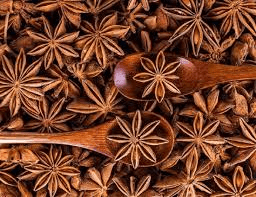
Anise (Pimpinella Anisum L.) is a plant belonging to the Umbelliferae family and one of the oldest medicinal plants. It is an annual grassy herb with 30–50 cm high, white flowers, and small green to yellow seeds, which grows in the Eastern Mediterranean Region, West Asia, the Middle East, Mexico, Egypt, and Spain.
P. anisum is primarily grown for its fruits (aniseeds) that harvested in August and September. Aniseeds contain 1.5–5% essential oil and used as flavouring, digestive, carminative, and relief of gastrointestinal spasms. Consumption of aniseed in lactating women increases milk and also reliefs their infants from gastrointestinal problems.
In the food industry, anise is used as flavoring and aromatic agent for fish products, ice cream, sweets, and gums.
Despite the various studies which were conducted on Pimpinella anisum, there is no comprehensive review study on constituents and effectiveness of this plant. So the objective of this study was collecting all published articles about the chemical constituents and pharmacological properties of aniseeds with literature search of Googlescholar, PubMed, Sciencedirect, Scopus, and SID database from 1970 up to 2011.The agricultural studies and investigations on aniseeds tissue culture were excluded.
Anise (Pimpinella anisum) in Traditional Medicine
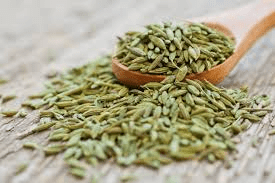
Anise seeds are used as analgesic in migraine and also as carminative, aromatic, disinfectant, and diuretic in traditional medicine.
Aniseed has warm and dry nature and can increase milk production, menstruation, urine, and sweat secretion and also making good complexion. It is also effective in polishing of teeth. In some traditional texts, anise is mentioned for melancholy, nightmare, and also in treatment of epilepsy and seizure.
Chemical Constituents of Aniseed
Aniseed contains 1.5–6.0 mass % of a volatile oil consisting primarily of trans-anethole and also as much as 8–11 mass % of lipids rich in fatty acids, such as palmitic and oleic acids, as well as approximately 4 mass % of carbohydrates, and 18 mass % of protein.
Other studies have demonstrated the presence of eugenol trans-anethole, methylchavicol, anisaldehyde, estragole, coumarins, scopoletin, umbelliferone, estrols, terpene hydrocarbons, polyenes, and polyacetylenes as the major compounds of the essential oil of anise seed.
Study of the essential oil of Pimpinella anisum L. fruits by GC and GC-MS showed the presence of trans-anethole (93.9%) and estragole (2.4%). Other compounds that were found with concentration higher than 0.06% were (E)-methyleugenol, α-cuparene, α-himachalene, β-bisabolene, p-anisaldehyde, and cis-anethole.
In another study for determination of the composition of essential oil of Pimpinella anisum L. fruits obtained from different geographical areas of Europe, in addition to the major components (trans-anethole (76.9–93.7%) and γ-himachalene (0.4–8.2%), some other compounds such as trans-pseudoisoeugenyl 2-methylbutyrate, p-anisaldehyde, and methylchavicol were also identified in essential oil.
Study of components of the whole plants and the seeds of Pimpinella anisum from Alberta showed that the major oil constituent (trans-anethole) was 57.4% of whole plant and 75.2% of seed oil. The other constituents of plant oil, present in amounts of 1–5% were cis-anethole, carvone, β-caryophyllene, dihydrocarvyl acetate, estragole and limonene.
The chemical constituents of aniseed extract obtained by Supercritical extraction using CO2 were determined by GC-MS. The major compounds were anethole (~90%), γ-himachalene (2−4%), p-anisaldehyde (<1%), methylchavicol (0.9−1.5%), cis-pseudoisoeugenyl 2-methylbutyrate (~3%), and trans-pseudoisoeugenyl 2-methylbutyrate (~1.3%).
A new terpene hydrocarbon called neophytadiene was isolated from aniseed in 1978. 4-(β-d –-glucopyranosyloxy) benzoic acid which is one of the phenolic glycosides of the Umbelliferae family was also isolated from aniseed. In a study by Fujimato et al., four aromatic compound glucosides, an alkyl glucoside, and a glucide were isolated as new compounds from the polar portion of methanolic extract of anise fruits.
The structures of the new compounds were clarified as (E)-3-hydroxy-anethole β-d-glucopyranoside, (E)-10-(2-hydroxy-5-methoxyphenyl) propane β-d-glucopyranoside, 3-hydroxyestragole β-d-glucopyranoside, methyl syringate 4-O-β-d-glucopyranoside, hexane-1,5-diol 1-O-β-d-glucopyranoside, and 1-deoxy-l-erythritol 3-O–β-d-glucopyranoside.
Isolation and structure elucidation of flavonoid constituents from anise, caraway, coriander, and fennel by means of chromatography on cellulose columns lead to isolation of quercetin 3-glucuronide, rutin, luteolin 7-glucoside, isoorientin, and isovitexin as crystalline compounds and apigenin 7-glucoside and a luteolin glycoside as noncrystalline compounds from anise.
In another study, a silver ion HPLC procedure was used to determine the fatty acids composition of aniseed oil, The results showed the positionally isomeric 18:1 fatty acids oleic acid (cis 9–18:1), petroselinic acid (cis 6–18:1), and cis-vaccenic acid (cis 11–18:1), in aniseed oil by a single gradient run on a single cation exchange column laboratory converted to the silver ion form. Also three lignin-carbohydrate-protein complexes were isolated from a hot water extract of the seeds of Pimpinella anisum by combination of anion-exchange, gel filtration, and hydrophobic interaction column chromatographies.
Pharmacological Properties
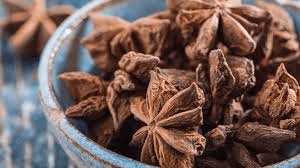
The pharmacological effects of Aniseed (Pimpinella anisum)
| System | Effect | Preparation | Organism |
|---|---|---|---|
| Antibacterial | Aqueous and 50% (v/v) methanol extract | Ethanol extract | Essential oil and methanol extract (in combination with Thymus vulgaris) Aqueous decoction |
| Antifungal | Essential oil | Fluid extract | Methanol extract |
| Insecticidal | Essential oil | p-Anisaldehyde from aniseed oil | |
| Antiviral | Essential oil | Lignin-carbohydrate-protein complexes from hot water extract | |
| Muscle | Muscle relaxant of tracheal chain | Aqueous extract Ethanolic extract Essential oil | |
| Antispasmodic and relaxant of anococcygeus smooth muscle | Hydroalcoholic extract (60% ethanol) Essential oil | ||
| Anticonvulsant | Methanol extract of seeds Aqueous extract of leaves and stem | ||
| Nervous system | Analgesic | Essential oil Fixed oil | |
| Conditioned place aversion in morphine dependence | Essential oil | ||
| Gastrointestinal | Antiulcer | Aqueous suspension | |
| Palliation of nausea | Essential oils of aniseeds, foeniculum vulgar, Anthemis nobilis, and Mentha piperita | ||
| Laxative | Phytotherapic compound of anise and foeniculum vulgar, Sambucus nigra, Cassia angustifolia | ||
| Increase glucose absorption from the jejunum | Essential oil | ||
| Renal | Reduce volume of urine by increase activity of the renal Na+-K+-ATPase | Essential oil | |
| Endocrine | Antidiabetic | Seed powder | |
| Hypolipidemic | |||
| Immune system | Antioxidant | Ethanol extract Water extract Essential oil Oleoresin Ethyl acetate fraction of ethanol extract Anise tea | |
| Increase of β-carotene, vitamins A, C | Seed powder | ||
| Reduction of menopausal hot flashes | Capsules of anise extract | ||
| Others | Growth promoter of day-old broilers | Essential oil | |
| Reduction of pain in dysmenorrhea | Herbal capsule (extracts of anise, celery, saffron) |
Read Also: How to Grow Herbs and Spices in Urban Areas
Health Benefits of Anise (Pimpinella anisum)

1. Antibacterial and Antifungal Effects
The antibacterial activities of the aqueous, 50% (v/v) methanol, acetone and petroleum ether extracts of Pimpinella anisum L. fruits were tested against 4 pathogenic bacteria (Staphylococcus aureus, Streptococcus pyogenes, Escherchia coli, and Klebsiella pneumoniae) by disc diffusion method.
The results showed that only aqueous and methanol extracts exhibited fair antibacterial activity against all of the test bacteria and the aqueous extract was found to be more effective than methanolic extract, whereas acetone and petroleum ether extracts cannot inhibit the growth of the pathogenic test bacteria. Antimicrobial effects of water and ethanolic extracts of aniseed were studied by Gulcin et al. against 10 bacterial species and also Candida albicans with disc diffusion method.
Read Also: Methods of Preparing, Cooking and Enjoying Cabbage
2. Muscle Relaxant Effect
The relaxant effect of Pimpinella anisum on isolated guinea pig tracheal chains and its possible mechanism was studied by Boskabady and Ramazani-Assari. In this research, the bronchodilatory effects of aqueous and ethanol extracts and essential oil of anise were examined on precontracted isolated tracheal chains of the guinea pig by 10 mM methacholine in two different conditions including nonincubated tissues (group 1) and incubated tissues with 1 mM propranolol and 1 mM chlorpheniramine (group 2). The results showed that aqueous and ethanol extracts, essential oil, and theophylline (1 mM) showed significant relaxant effects compared to those of controls.
3. Anticonvulsant Effect
Anticonvulsant effects of an essential oil of the fruits of Pimpinella anisum against seizures induced by pentylenetetrazole (PTZ) or maximal electroshock (MES) in male mice. This study revealed that P. anisum increases the threshold of clonic seizures induced by i.v. infusion of PTZ, and it can also block tonic convulsions induced by i.p. injection of PTZ. Moreover, P. anisum possesses anticonvulsant activity against tonic seizures induced by MES.
In another study by Heidari and Ayeli, the effect of methyl alcoholic extract of anise on picrotoxin-induced seizure in mice was studied. The results showed that anise extract caused an increased delay in the onset of seizure in the mice which had been pretreated with different doses of the extract, and the most effective dose was 200 mg/kg (P < 0.05).
4. Effect on Gastrointestinal System
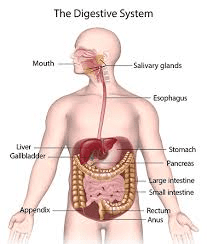
4.1. Effect on Gastric Ulcer
For studying the effect of aqueous suspension of anise against gastric ulcers in rat, acute gastric ulceration was produced by various noxious chemicals and indomethacin. The results showed that anise significantly inhibited gastric mucosal damage induced by necrotizing agents and indomethacin. The antiulcer effect was further confirmed histologically.
4.2. Palliation of Nausea
In a case study, an aromatherapy treatment containing Pimpinella anisum, Foeniculum vulgare, var. dulce, Anthemis nobilis, and Mentha piperita was examined in twenty-five patients suffering from the symptoms of nausea in a hospice and palliative care program. A majority of patients who used the aromatherapy treatments reported relief. However, all patients in this study were also using a variety of other treatments for their symptoms.
4.3. Effect on Constipation
The laxative efficacy of a phytotherapic compound containing Pimpinella anisum L., Foeniculum vulgare Miller, Sambucus nigra L., and Cassia augustifolia was studied in a randomized clinical trial included 20 patients presenting with chronic constipation according to the criteria of the American Association of Gastroenterology. The primary endpoint was colonic transit time (CTT), measured radiologically.
Secondary endpoints included number of evacuations per day, perception of bowel function, adverse effects, and quality of life. The results of the study revealed significant laxative effects of phytotherapic compound when compared with placebo. This effect was demonstrated by a decrease in colonic transit time as well as an increase in the number of daily evacuations.
Although quality of life did not show significant differences among the study periods and no significant differences were observed in terms of adverse effects throughout the study period, so this compound can be a safe alternative option for the treatment of constipation.
4.5. Effect on Morphine Dependence
The effects of essential oil of Pimpinella anisum on the expression and acquisition of conditioned place preference (CPP) induced by morphine in mice were studied. The findings showed that subcutaneous injections of morphine (2–5 mg/kg) produced place preference in a dose-dependent manner and injection of essential oil of P. anisum may induce conditioned place aversion in mice, that is, the essential oil has some aversive effects as investigated by place conditioning paradigm. In addition, this oil has also a GABA ergic effect.
Read Also: Comprehensive Guide on Dry Beans Production
5. Analgesic and Anti-Inflammatory Effect
Screening of some Iraqi medicinal plants for analgesic activity showed that the extracts of Tribulus terrestris and Pimpinella anisum exhibited significant analgesic activity versus benzoquinone-induced writing and in thermal tests. In a study by Tas, essential oil of Pimpinella anisum showed significant analgesic effect similar to morphine and aspirin.
Also fixed oil of anise was investigated for anti-inflammatory and analgesic activity in mice. The finding showed that the fixed oil of anise has anti-inflammatory effect as strong as indomethacin and it showed analgesic effect comparable to that of 100 mg/kg aspirin and 10 mg/kg morphine at 30th min.
6. Effect on Menopausal Hot Flashes
In a double blind clinical trial, the effect of anise extract on menopausal hot flashes in 72 postmenopausal women was examined. In this study, consumption of 3 capsules of anise extract (each capsule contains 100 mg of extract) for 4 weeks leads to significant reduction in hot flash frequency and intensity and in postmenopausal women.
7. Effect on Dysmenorrhea
In a study by Khoda Karami et al., the effectiveness of a herbal capsule containing dried extracts of celery, saffron, and anise was compared with mefenamic acid capsule in 180 female students (with age 17–28) with primary dysmenorrhea.
The results showed significant reduction in pain intensity in both herbal and mephnamic acid group compare to placebo group. Also the results revealed that the effectiveness of herbal capsule was better than the mephnamic acid in pain relief and can be a suitable alternative in primary dysmenorrhea.
8. Antioxidant Activity
In a study by Gulcin et al., the antioxidant properties of water and ethanolic extracts of aniseeds were evaluated using different antioxidant tests, and antioxidant activities were compared with synthetic antioxidants such as butylated hydroxyanisole (BHA), butylated hydroxytoluene (BHT), and α-tocopherol.
Both extracts of aniseeds showed strong antioxidant activity, reducing power, DPPH radical and superoxide anion scavenging, hydrogen peroxide scavenging, and metal chelating activities compared to BHA, BHT, and α-tocopherol, and water extract exhibited greater antioxidant capacity than ethanolic extract.
9. Insecticidal Effects
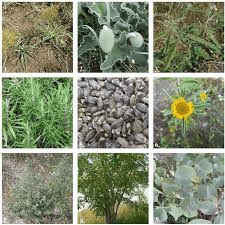
Plant essential oils from 40 plant species including Pimpinella anisum were tested for their insecticidal activities against larvae of Lycoriella ingenua using a fumigation bioassay. Some of the essential oil including anise and garlic essential oil showed good insecticidal activity against the larvae. Among the identified compound in effective essential oils, allyl isothiocyanate was the most toxic against larvae of L. ingenua followed by trans-anethole, diallyl disulfide, and p-anisaldehyde.
Prajapati et al. showed that the essential oils of Juniperus macropoda and Pimpinella anisum were highly effective as larvicidal and ovicidal against three mosquito species. Also the anise essential oil showed repellency against mosquito Culex pipiens. In another study, the exposure to vapours of essential oils from anise and cumin resulted in 100% mortality of the eggs of two stored-product insects (the confused flour beetle, Tribolium confusum, and the Mediterranean flour moth, Ephestia kuehniella).
The acaricidal activity of p-anisaldehyde derived from anise seed oil and commercially available components of anise seed oil were studied against the house dust mites, Dermatophagoides farina, and D. pteronyssinus. The results showed that the compound most toxic to these dermatophagoides were p-anisaldehyde followed by benzyl benzoate and, therefore, p-anisaldehyde may be useful as a lead compound for the selective control of house dust mites.
Read Also: Health Benefits of Spinach (Spinacia oleracea)
10. Antiviral Effects
The effects of the essential oil of Foeniculum vulgar and Pimpinella anisum were examined against PVX (potato virus), TMV (tobacco mosaic virus) and TRSV (tobacco ring spot virus), on the hypersensitive host Chenopodium amaranticolor. The essential oil is at 3000 ppm completely inhibited PVX, TMV, and TRSV. Three lignin-carbohydrate-protein complexes (LC1, LC2, and LC3) with antiviral and immunostimulating activity were isolated from a hot water extract of seeds of Pimpinella anisum by combination of anion exchange, gel filtration, and hydrophobic interaction column chromatographies.
These complexes showed antiviral activities against herpes simplex virus types 1 and 2, human cytomegalo virus, and measles virus. Also the effects of these complexes in activation of macrophage were investigated. After RAW 264.7, murine macrophage cells had been incubated with these compounds for 20 h, and the nitric oxide (NO) production was enhanced in dose-dependent manner.
The effects of these compounds on mRNA and protein expression of inducible nitric oxide synthase (iNOS) in RAW 264.7 cells showed that they induced mRNA iNOS expression in a time-dependent manner. Furthermore, they induced expression of both IL-1β and IL-10 mRNAs. These results suggest that the lignin-carbohydrate-protein complexes from P. anisum possessed potency as functional food ingredients against infectious diseases.
11. Effects on Diabetic Patients
The antidiabetic, hypolipidemic, and antioxidant activities of aniseeds and coriander seeds were compared in type 2 diabetic patients. The seed powders (5 g/day) were administered to two groups of type 2 diabetes patients for 60 days. The results indicated 11% rise of fasting blood glucose in control and 36% decrease in aniseed-treated, and 13% decrease in coriander-treated type 2 diabetics. Also significant decrease in serum cholesterol and triglycerides in aniseed treated and coriander seed-treated patient was observed.
Protein oxidation in serum and lipid peroxidation in erythrocytes and plasma was decreased in both treated groups as compared with the initial values. Both the groups showed rise in serum β-carotene and vitamin A levels which could have resulted in a significant decrease in lipid peroxidation in RBC and plasma, and also rise in vitamin C was detected in both anise and coriander group. So both the seeds have antidiabetic, hypolipidemic and antioxidant effects in diabetic patient.
12. Effect on Glucose Absorption
The effect of aniseed oil on the absorption of glucose from the jejunum and water from the colon and kidney tubules and also its mechanism of action were studied by Kreydiyyeh et al. The findings showed that aniseed oil increased significantly glucose absorption in the rat jejunum, because the oil enhanced the activity of the Na+-K+ ATPase which increases the sodium gradient that gears the mucosal glucose transport.
However, adding of anise oil at a 0.05% concentration did not have any significant effect on colonic water absorption, and it seems thus that the ATPase in the colon is resistant to the oil effect. Furthermore, adding aniseed oil to drinking water, reduced the volume of urine produced in the rat and increased the activity of the renal Na+-K+ ATPase even at extremely low concentrations.
13. Effect on Broiler Performance
In the study by Ciftci et al., adding 400 mg/kg of anise oil to the diet of day-old broilers was improved feed conversion ratio by approximately 6% compared to antibiotic group. So anise oil can be considered as a natural growth promoter for poultry.
14. Effect on Milk Production
The effects of diet supplementation with aniseed and fenugreek a seed on the performance does and kits were studied. Finding revealed that the daily milk intake of kits in anisum-fenugreek group was equivalent to that of control rabbits. Also, the 17 days body weight did not differ significantly between two groups. At 35 days of lactation, the differences between anisum-fenugreek group and control groups were not significant in litter size, litter weight, kit weight and 1–35 day weight, gain. In conclusion, further studies are needed to investigate the palatability and optimal level of these spices in the feed of lactating rabbits.
Scientific Evidence and Case Studies on Importance and Health Benefits of Anise (Pimpinella Anisum)
1. Antimicrobial Activity: Anise essential oil and extracts demonstrate strong antibacterial effects against pathogens like Staphylococcus aureus and Escherichia coli, and antifungal activity against Candida species and dermatophytes, due to compounds like anethole.
2. Anticonvulsant Properties: Anise extracts delay seizure onset and reduce mortality in models induced by PTZ or picrotoxin, suggesting potential in managing epilepsy through modulation of neuronal activity.
3. Gastrointestinal Benefits: Anise inhibits gastric mucosal damage from chemicals and indomethacin, promotes laxative effects, and enhances glucose absorption via Na+-K+ ATPase stimulation.
4. Antioxidant Effects: Anise extracts scavenge free radicals (DPPH, superoxide), reduce lipid peroxidation, and elevate antioxidants like beta-carotene and vitamins A/C in diabetic models.
5. Analgesic and Anti-Inflammatory: Anise oil provides pain relief comparable to aspirin or morphine and anti-inflammatory effects similar to indomethacin in animal models.
Nutritional Value Of Importance and Health Benefits of Anise (Pimpinella Anisum)
1. Essential Oils (1.5-6%): Primarily trans-anethole (up to 94%), providing flavor, digestive aid, and antimicrobial properties.
2. Lipids/Fatty Acids (8-11%): Rich in palmitic and oleic acids, supporting energy and cell membrane health.
3. Carbohydrates (4%): Offer quick energy and fiber-like benefits for digestion.
4. Protein (18%): Contributes to muscle repair and overall nutrient balance.
5. Flavonoids and Phenolics: Including quercetin, rutin, and coumarins, acting as antioxidants to combat oxidative stress.
6. Terpenes and Polyenes: Such as gamma-himachalene and neophytadiene, enhancing anti-inflammatory and insecticidal effects.
7. Minerals and Vitamins: Traces of iron, calcium, and vitamins from associated compounds, supporting bone health and immunity.
Summary of Importance and Health Benefits of Anise (Pimpinella Anisum)
| Aspect | Key Points |
|---|---|
| Primary Benefits | Aids digestion, relieves flatulence/coughs/colds, increases urine/appetite/milk production, eases menstrual pain/sex drive; anticonvulsant, antioxidant, antimicrobial. |
| Chemical Highlights | Trans-anethole (main), estragole, anethole, flavonoids (quercetin/rutin), fatty acids (palmitic/oleic), proteins/carbs. |
| Traditional Uses | Analgesic for migraine, carminative, diuretic, treats epilepsy/melancholy/nightmares, improves complexion/milk production. |
| Pharmacological Effects | Antibacterial/antifungal/antiviral/insecticidal; muscle relaxant/anticonvulsant/analgesic; antiulcer/laxative/antidiabetic/hypolipidemic; reduces hot flashes/dysmenorrhea. |
| Recommendations | Use seeds/oil/extracts moderately; consult for therapeutic use; potential in food/flavoring/poultry growth; avoid excess due to estragole risks. |
Frequently Asked Questions
1. What are the main health benefits of anise?
Anise aids digestion, reduces flatulence, relieves coughs/colds, boosts appetite/urine flow/milk production, eases menstrual discomfort, and has anticonvulsant/antioxidant effects.
2. How does anise help with digestion?
Its carminative properties relieve spasms, prevent constipation, inhibit gastric ulcers, and enhance glucose absorption via Na+-K+ ATPase activity.
3. Is anise effective against infections?
Yes, its essential oil/extracts show antibacterial (e.g., against Staphylococcus), antifungal (e.g., Candida), and antiviral (e.g., herpes/measles) activities due to anethole.
4. Can anise reduce pain and inflammation?
Anise oil provides analgesic effects similar to aspirin/morphine and anti-inflammatory comparable to indomethacin; useful for dysmenorrhea/migraine.
5. Does anise have antioxidant properties?
Yes, extracts scavenge radicals (DPPH/superoxide), reduce lipid peroxidation, and boost vitamins A/C/beta-carotene levels.
6. Is anise safe for diabetic patients?
Anise seed powder lowers blood glucose/cholesterol/triglycerides and has antioxidant effects in type 2 diabetes models.
7. How does anise affect seizures?
Extracts delay onset/reduce mortality in PTZ/picrotoxin-induced models, potentially via Ca2+/K+ channel modulation.
8. Can anise promote milk production?
Yes, aniseed increases milk in lactating women and relieves infant gastrointestinal issues; also studied in rabbits.
9. What are anise’s insecticidal uses?
Essential oil kills larvae/eggs of insects like mosquitoes/mites/beetles, with p-anisaldehyde as a key toxic compound.
10. Are there cautions for using anise?
Moderate use; avoid if allergic to estragole; consult for pregnancy/therapeutic doses; potential GABAergic effects in dependence models.
Do you have any questions, suggestions, or contributions? If so, please feel free to use the comment box below to share your thoughts. We also encourage you to kindly share this information with others who might benefit from it. Since we can’t reach everyone at once, we truly appreciate your help in spreading the word. Thank you very much for your support and for sharing!
Disclaimer: This article is for educational and informational purposes only. The health benefits described are based on scientific research and traditional knowledge. They are not a substitute for professional medical advice, diagnosis, or treatment. Always consult a healthcare professional before using any herb or natural remedy for medical purposes.
Read Also: 31 Healing Powers of Bitterleaf (Vernonia Amygdalina)