



Arum cylindraceum, commonly known as the Wild Arum or White Arum, is a perennial medicinal plant native to various parts of Europe and Asia. This unique plant is characterized by its distinctive appearance and has been used for various medicinal purposes by traditional herbalists.
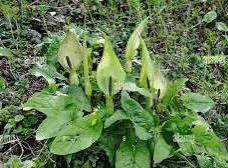
The Arum cylindraceum plant features a single long, cylindrical spadix that is enveloped by a white or pale green modified leaf called a spathe. The spathe resembles a hood and encases the spadix, which is densely covered with small flowers. The flowering structure emits a peculiar odor that some describe as foul or pungent, which is thought to attract its pollinators, typically flies and beetles.
In traditional herbal medicine, different parts of the Arum cylindraceum plant have been utilized for their potential therapeutic properties. The rhizomes, or underground stems, contain various bioactive compounds, including alkaloids and flavonoids.
These compounds have been attributed to potential benefits such as anti-inflammatory, antispasmodic, and diuretic effects. The plant has also been used to treat respiratory issues and skin conditions, although scientific research on its medicinal properties is limited.
It’s important to note that while Arum cylindraceum has a history of traditional use, its strong odor and potential toxicity due to its alkaloid content make it less commonly used in modern herbal medicine.
The Medicinal Health Benefits of Arum cylindraceum (Wild Arum)
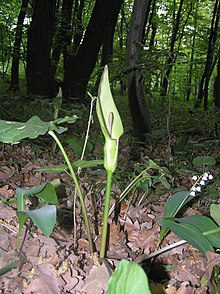
Arum cylindraceum is a perennial plant native to Europe and Asia. While its pungent odor and potential toxicity have limited its modern usage, traditional herbalists have long revered this plant for its potential medicinal properties. In this section, we delve into the various health benefits attributed to Arum cylindraceum, supported by historical usage and emerging scientific research.
1. Anti-Inflammatory Properties: Arum cylindraceum has been traditionally used for its potential anti-inflammatory effects. Compounds found in the plant, such as alkaloids and flavonoids, may help reduce inflammation in the body. For example, Arum cylindraceum extracts could be employed to alleviate symptoms of conditions like arthritis or inflammatory skin conditions, providing relief from pain and discomfort.
2. Antispasmodic Effects: The plant’s bioactive components may also exhibit antispasmodic properties, helping to relax muscles and ease muscle spasms. This makes Arum cylindraceum a potential natural remedy for conditions characterized by muscle cramps and spasms, such as irritable bowel syndrome (IBS) or menstrual cramps.
3. Respiratory Support: Arum cylindraceum has historical usage in addressing respiratory issues. Its potential bronchodilatory and expectorant properties could aid in respiratory conditions like bronchitis or asthma. Inhalation of vaporized Arum cylindraceum extracts might help open up airways and alleviate congestion.
4. Diuretic Effects: The diuretic properties of Arum cylindraceum could promote increased urine production, aiding in the elimination of excess fluids and toxins from the body. This potential benefit may be relevant for individuals with conditions like edema or urinary tract infections.
5. Traditional Skin Care: The plant’s extracts have been used topically for treating skin conditions. Its potential antimicrobial and anti-inflammatory effects might make it useful in addressing minor skin irritations, wounds, or acne.
6. Cognitive Function: Limited research suggests that certain compounds in Arum cylindraceum might have cognitive-enhancing effects. These compounds could potentially support brain health and cognitive function, although more research is needed in this area.
7. Gastrointestinal Health: The plant’s antispasmodic and anti-inflammatory properties could benefit gastrointestinal health. Arum cylindraceum might be utilized to alleviate symptoms of digestive issues like indigestion, bloating, or stomach cramps.
8. Analgesic Potential: Traditional use indicates that Arum cylindraceum might possess mild analgesic properties, potentially offering relief from mild pain. It could be considered as a complementary approach for managing minor aches and pains.
Read Also: 10 Medicinal Health Benefits of Crassocephalum (Crassocephalum crepidioides)
The Methods of Usage to Achieve the Provided Medicinal Health Benefits of Arum cylindraceum (Wild Arum)
1. Anti-Inflammatory Properties: To harness Arum cylindraceum’s anti-inflammatory effects, prepare an infusion by steeping dried or fresh plant parts in hot water for about 10-15 minutes. Strain the liquid and consume it as a tea. Regular consumption could help reduce inflammation in conditions like arthritis. Alternatively, a topical poultice made from crushed leaves could be applied to inflamed areas to provide localized relief.
2. Antispasmodic Effects: Create a tincture by soaking Arum cylindraceum rhizomes in alcohol for a few weeks. Dilute a few drops of the tincture in water and consume it to potentially ease muscle spasms. For menstrual cramps, combine the tincture with other soothing herbs like chamomile for a more comprehensive remedy.
3. Respiratory Support: Inhaling vaporized Arum cylindraceum extracts could help open up airways. Add a few drops of the essential oil to a bowl of hot water and inhale the steam while covering your head with a towel. The inhalation can provide relief from congestion and support respiratory health.
4. Diuretic Effects: Prepare a decoction by boiling dried Arum cylindraceum rhizomes in water for around 15-20 minutes. Let it cool, strain, and drink the liquid to stimulate diuresis. Consume it in moderation to aid in flushing out excess fluids and toxins from the body.
5. Traditional Skin Care: Infuse Arum cylindraceum leaves in a carrier oil like coconut oil. Strain after a few weeks and apply the infused oil topically to minor skin irritations, wounds, or acne-prone areas. The antimicrobial and anti-inflammatory properties of the oil could promote healing and soothe the skin.
6. Cognitive Function: Limited information is available on this potential benefit. However, if further research confirms cognitive-enhancing effects, consumption of Arum cylindraceum extracts as part of a herbal blend or tea might be considered for brain health support.
7. Gastrointestinal Health: For digestive benefits, consume Arum cylindraceum tea or tincture before or after meals. The antispasmodic and anti-inflammatory properties could help alleviate indigestion, bloating, and stomach cramps. Adjust the dosage according to your body’s response and consult a healthcare professional if needed.
8. Analgesic Potential: Utilize Arum cylindraceum-infused oil or tincture as a massage oil for mild pain relief. Gently massage the affected area to potentially alleviate discomfort. However, remember that this remedy might be more suitable for minor aches and pains, and severe pain should be addressed with appropriate medical care.
Read Also: 15 Medicinal Health Benefits of Cussonia spicata (Wild Cabbage Tree)
The Side Effects of Using Arum cylindraceum Medicinal Plant
1. Toxicity: Arum cylindraceum contains compounds such as alkaloids that can be toxic when ingested in large amounts. Ingesting parts of the plant, especially in significant quantities, can lead to symptoms like vomiting, diarrhea, abdominal pain, and even more severe reactions. Extreme caution should be exercised to prevent accidental ingestion, especially by children and pets.
2. Skin Irritation: The plant’s sap can cause skin irritation and allergic reactions in some individuals. Direct contact with the plant’s sap may lead to itching, redness, and irritation. It’s advisable to wear gloves and take precautions when handling the plant.
3. Respiratory Irritation: The strong odor emitted by Arum cylindraceum can cause respiratory irritation in sensitive individuals. Inhaling the scent or working closely with the plant without proper ventilation could lead to coughing, sneezing, or irritation of the throat and airways.
4. Gastrointestinal Distress: Consuming Arum cylindraceum in excessive amounts or without proper preparation can result in gastrointestinal distress, including nausea, vomiting, and diarrhea. The plant’s alkaloids may irritate the digestive system.
5. Pregnancy and Breastfeeding: Due to its potential toxicity, pregnant and breastfeeding individuals should avoid using Arum cylindraceum. The plant’s compounds could pose risks to both the mother and the developing fetus or nursing infant.
6. Interaction with Medications: There is limited research on the potential interactions between Arum cylindraceum and pharmaceutical medications. As a precaution, individuals taking medications should consult a healthcare professional before using any herbal remedies, including Arum cylindraceum.
7. Allergic Reactions: Some individuals may be allergic to compounds present in Arum cylindraceum. Allergic reactions can vary in severity and may include symptoms like itching, rash, hives, swelling, and difficulty breathing.
Nutritional Value of Arum cylindraceum (Wild Arum)
1. Carbohydrates: The tubers of Arum cylindraceum contain starch, a complex carbohydrate that serves as an energy source. Historically, the starch was extracted and used for culinary purposes, such as stiffening fabrics in medieval times, indicating its caloric potential when properly processed.
2. Fiber: The plant’s tubers and leaves provide dietary fiber, which can support digestive health. Fiber aids in regulating bowel movements and may contribute to gut health when the plant is detoxified for consumption.
3. Minerals (Iron): Research has identified iron in Arum cylindraceum tubers, with levels reported at approximately 134 mg/kg in some studies. Iron is essential for oxygen transport in the blood and overall energy metabolism.
4. Calcium: The plant contains calcium, primarily in the form of calcium oxalate crystals, which are toxic in raw form. When properly processed, calcium from detoxified parts may contribute to bone health, though specific quantities are not well-documented.
5. Protein: Arum cylindraceum contains small amounts of protein, particularly in its tubers. While not a primary protein source, it can contribute to nutritional needs in traditional diets where the plant is carefully prepared.
6. Amino Acids: Studies have identified amino compounds like isobutylamine, diethylamine, and others in related Arum species. These compounds may play a role in metabolic processes, though their specific nutritional impact in Arum cylindraceum is underexplored.
7. Antioxidants: The plant may contain phytochemicals with antioxidant properties, as seen in related species like Arum maculatum. These compounds could help combat oxidative stress, but specific antioxidant profiles for Arum cylindraceum are not fully detailed in research.
8. Vitamins: While specific vitamin content is not well-documented for Arum cylindraceum, related Arum species suggest the presence of trace vitamins like vitamin C, which could support immune function if safely extracted.
9. Polyphenols: Some Arum species contain polyphenolic compounds, which may offer anti-inflammatory benefits. Though not explicitly quantified in Arum cylindraceum, these compounds could be present in small amounts, contributing to health when detoxified.
10. Glucomannan: Research on related species like Arum maculatum indicates the presence of glucomannan, a polysaccharide that may support digestive health and blood sugar regulation. It’s likely present in Arum cylindraceum tubers, but further studies are needed.
Scientific Evidence and Case Studies on Arum cylindraceum
1. Azab (2017): A review article by Azab explored the medicinal potential of the Arum genus, including Arum cylindraceum. The study highlighted traditional uses for nutritional and medicinal purposes but noted that Arum cylindraceum is less studied than other species. It suggested potential antimicrobial properties based on extracts tested against microbes, though specific health benefits remain under-researched (Azab, A. (2017). Arum: A plant genus with great medicinal potential. European Chemical Bulletin, 6(2), 59-68).
2. Klouchek-Popova et al. (1979): This study investigated the pharmacological effects of glucomannan isolated from Arum maculatum tubers, a close relative of Arum cylindraceum. The findings suggested that glucomannan may protect against stomach ulcers in experimental models, indicating potential digestive health benefits that could apply to Arum cylindraceum (Klouchek-Popova, E., Koleva, M., Popov, A., Tsonev, I., & Akhtardzhiev, Kh. (1979). Pharmacological and morphological studies of the effect of the glucomannan isolated from Arum maculatum on experimental stomach ulcers. Eksp Med Morfol, 18(4), 234-239).
3. Majumder et al. (2005): This research examined the insecticidal activity of lectins from Arum maculatum tubers, which may share similarities with Arum cylindraceum. While not directly tied to human health, the study suggests that lectins could have antimicrobial properties, potentially applicable to infection prevention if further explored (Majumder, P., Mondal, H. A., & Das, S. (2005). Insecticidal activity of Arum maculatum tuber lectin and its binding to the glycosylated insect gut receptors. Journal of Agricultural and Food Chemistry, 53(17), 6725-6729).
Frequently Asked Questions About Arum cylindraceum
1. Is Arum cylindraceum safe to eat?
No, Arum cylindraceum is toxic when raw due to calcium oxalate crystals and other compounds. It requires careful detoxification, such as prolonged boiling or soaking, to be safe for consumption.
2. What parts of Arum cylindraceum are used traditionally?
The tubers and leaves are used in some cultures, but only after processing to remove toxins. Historically, tubers were used to extract starch, and leaves were cooked as a vegetable.
3. Does Arum cylindraceum have medicinal properties?
Traditional uses suggest potential antimicrobial and digestive benefits, but scientific evidence is limited. Studies on related species indicate possible anti-inflammatory or antimicrobial effects.
4. How does Arum cylindraceum differ from Arum maculatum?
Arum cylindraceum has a vertical tuber, a greener spathe, and no spotted leaves, unlike Arum maculatum, which has a horizontal tuber and may have spotted leaves.
5. Can Arum cylindraceum be grown in gardens?
Yes, it’s cultivated as an ornamental plant in shady, moist conditions. However, its toxicity and potential to spread require careful management.
6. What are the risks of handling Arum cylindraceum?
Contact with the plant’s sap can cause skin irritation, rashes, or blisters due to calcium oxalate crystals. Always handle with gloves and avoid ingestion.
7. Are the berries of Arum cylindraceum edible?
No, the bright red berries are highly toxic to humans and animals, causing severe irritation and potential internal bleeding if ingested.
8. Where is Arum cylindraceum commonly found?
It grows in Central Europe, parts of Turkey, and Cyprus, typically in deciduous woodlands, coniferous forest edges, or grassy slopes up to 1700 meters.
Do you have any questions, suggestions, or contributions? If so, please feel free to use the comment box below to share your thoughts. We also encourage you to kindly share this information with others who might benefit from it. Since we can’t reach everyone at once, we truly appreciate your help in spreading the word. Thank you very much for your support and for sharing!
Disclaimer: This article is for educational and informational purposes only. The health benefits described are based on scientific research and traditional knowledge. They are not a substitute for professional medical advice, diagnosis, or treatment. Always consult a healthcare professional before using any herb or natural remedy for medical purposes.
Read Also: Collective Farming: The Key to Sustainable Food Systems