


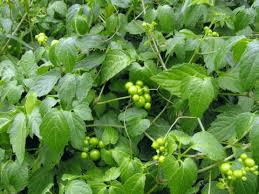
Cayratia debilis, commonly referred to as “Cayratia” or “American Grapevine,” is a captivating plant with distinctive botanical characteristics. Belonging to the Vitaceae family, this perennial vine exhibits unique features that make it easily recognizable in its natural habitat.
Cayratia debilis is a climbing vine that displays vigorous growth. It possesses twining stems and tendrils that enable it to climb and cling to various supports, such as trees, fences, and arbors. This climbing habit allows the plant to reach sunlight efficiently, promoting its growth and overall health.
The leaves of Cayratia debilis are heart-shaped, characterized by their lobed and serrated margins. They are typically green and possess a lush appearance. The leaves are arranged alternately along the stems and provide an aesthetic charm to the plant’s overall appearance.
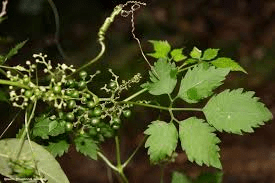
Cayratia debilis produces small, greenish-yellow flowers that are borne in loose clusters. These clusters arise from the leaf axils, adding a delicate and charming aspect to the plant’s aesthetics. While the individual flowers might not be showy, the collective clusters create an attractive visual impact.
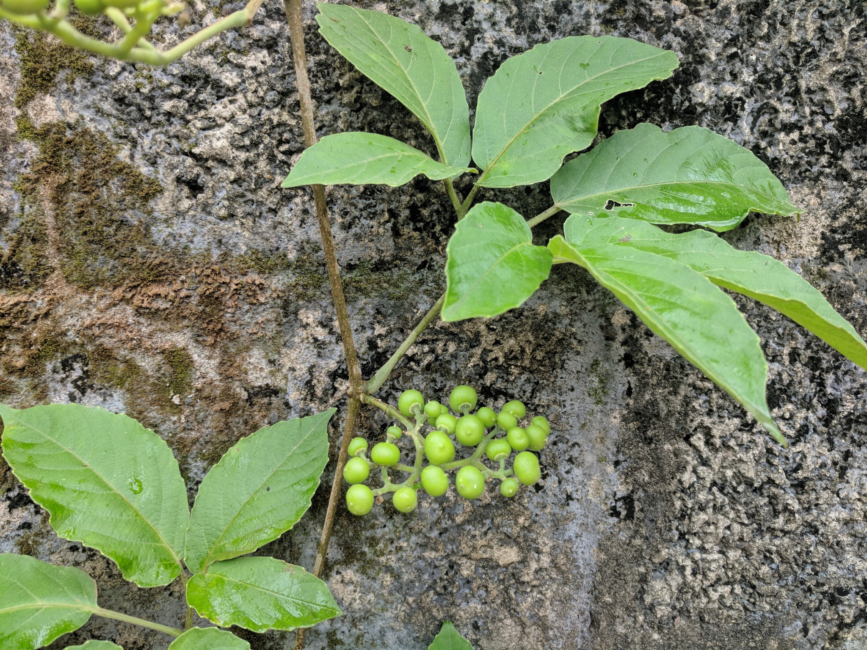
Cayratia debilis develops small, round berries. These berries can range in color from green to purple-black when ripe. The berries are not only visually appealing but also hold significant nutritional value. They are rich in antioxidants and possess potential health benefits, contributing to the plant’s medicinal properties.
Cayratia debilis is native to North America and is commonly found in various regions within the continent. It thrives in diverse habitats, including woodlands, thickets, and disturbed areas. Its adaptability to different environments makes it a versatile and resilient plant.
Cayratia debilis can be cultivated for its ornamental value, as its climbing habit and heart-shaped leaves can enhance the beauty of gardens and landscapes. Additionally, the plant’s berries have been traditionally used for various medicinal purposes due to their potential health-promoting properties.
The conservation status of Cayratia debilis varies depending on its specific region and habitat. Conservation efforts might be warranted to ensure the protection of this plant and its habitat, especially in areas where it may be vulnerable to habitat loss or other threats.
Read Also: How to Prevent Other Predators in a Snail Farm (Snail Business)
The Medicinal Health Benefits of Cayratia debilis (Cayratia)
1. Antioxidant Support: Cayratia debilis is rich in antioxidants, which play a vital role in neutralizing harmful free radicals in the body. By reducing oxidative stress, these antioxidants contribute to overall cellular health and may help prevent chronic diseases.
2. Anti-Inflammatory Properties: The plant’s compounds possess anti-inflammatory effects that can assist in alleviating inflammation-related conditions. This can be particularly beneficial for individuals dealing with inflammatory disorders.
3. Cardiovascular Health: Cayratia debilis may promote cardiovascular well-being by supporting healthy blood circulation and assisting in maintaining optimal blood pressure levels.
4. Immune System Enhancement: The immune-boosting properties of Cayratia debilis can strengthen your body’s defense mechanisms, making it more resilient against infections and illnesses.
5. Blood Sugar Regulation: Research suggests that Cayratia debilis may aid in regulating blood sugar levels, offering potential benefits for those managing diabetes or seeking to prevent blood sugar imbalances.
6. Digestive Comfort: The plant has been traditionally used to alleviate digestive discomfort, such as indigestion, bloating, and mild gastrointestinal issues.
7. Stress and Anxiety Relief: Certain compounds in Cayratia debilis may possess calming properties, potentially helping to reduce stress and anxiety levels.
8. Skin Health Support: Topical applications of Cayratia debilis extracts might promote skin health, soothing irritations and contributing to a healthy complexion.
9. Natural Pain Relief: The plant’s extracts may provide relief from minor aches and pains due to their potential analgesic properties.
10. Respiratory Well-Being: Cayratia debilis has been used traditionally to ease respiratory discomfort, making it a potential natural remedy for respiratory issues.
11. Antibacterial Potential: Certain compounds within Cayratia debilis exhibit antibacterial properties that can aid in fighting bacterial infections.
12. Anti-Fungal Effects: The plant’s extracts may offer protection against certain fungal infections, supporting overall fungal control.
13. Potential Anti-Cancer Properties: Emerging research suggests that Cayratia debilis may contain compounds with potential anti-cancer properties, though further studies are needed to fully understand this aspect.
14. Bone Health Support: Cayratia debilis is a source of minerals that contribute to bone health, potentially reducing the risk of bone-related issues.
15. Liver Wellness: Traditional use includes promoting liver health and aiding detoxification processes within the body.
16. Menstrual Comfort: Cayratia debilis might help alleviate menstrual discomfort and contribute to regular menstrual cycles.
17. Anti-Aging Effects: The antioxidants in the plant could contribute to its potential anti-aging effects on the skin.
18. Metabolism and Weight Management: Certain compounds may support healthy metabolism and weight management efforts.
19. Nervous System Harmony: Cayratia debilis could positively impact the nervous system, contributing to overall well-being.
20. Muscle Relaxation: Extracts from Cayratia debilis might help relax muscles and provide relief from muscle spasms.
Read Also: Snapdragon Flowers (Antirrhinum Majus): Complete Growing and Care Guide
The Methods of Usage to Achieve the Provided Health Benefits of Cayratia debilis (Cayratia)
1. Allergic Reactions: Individuals with allergies to plants within the Vitaceae family or similar botanicals should exercise caution when using Cayratia debilis. Allergic reactions can range from mild skin irritations to more severe symptoms like rash, itching, or swelling.
2. Gastrointestinal Distress: In some cases, excessive consumption of Cayratia debilis or its extracts might lead to gastrointestinal discomfort, including symptoms like nausea, vomiting, or stomach cramps.
3. Interaction with Medications: Cayratia debilis might interact with certain medications, potentially affecting their effectiveness or causing adverse reactions. If you are taking medications, especially for conditions like diabetes or high blood pressure, consult your healthcare provider before using this plant.
4. Pregnancy and Nursing: Pregnant or nursing individuals should exercise caution when using Cayratia debilis. Limited research is available on its safety during pregnancy, so it’s advisable to consult a healthcare professional before use.
5. Blood Sugar Levels: While Cayratia debilis might help regulate blood sugar levels, individuals with diabetes should monitor their blood sugar closely when using this plant to avoid potential fluctuations.
6. Herbal Interactions: Combining Cayratia debilis with other herbal supplements or remedies might lead to interactions or unexpected effects. Always consult a healthcare professional before starting any new herbal regimen.
7. Overconsumption: Using excessive amounts of Cayratia debilis might lead to unwanted effects. It’s important to follow recommended dosages and usage guidelines to prevent any adverse reactions.
8. Skin Sensitivity: When using Cayratia debilis topically, some individuals may experience skin sensitivity or irritation. Perform a patch test before applying extracts to larger areas of skin.
9. Liver Health: While Cayratia debilis has been associated with liver support, excessive consumption or use may have unintended effects on liver function. Moderation is key.
10. Lack of Scientific Data: Limited scientific research is available on the safety and potential side effects of Cayratia debilis. As such, it’s important to approach its use with caution and seek guidance from healthcare professionals.
11. Children and Infants: The safety of using Cayratia debilis in children and infants has not been well established. It’s best to avoid using it in this population or consult a pediatrician before considering its use.
The Side Effects of Using Cayratia debilis Medicinal Plant
1. Allergic Reactions: Individuals who are allergic to plants within the Vitaceae family, or those with a history of plant allergies, may experience allergic reactions when using Cayratia debilis.
These reactions can include skin rashes, itching, redness, or even more severe symptoms such as difficulty breathing. If you have allergies, it’s best to consult a healthcare professional before using this plant.
2. Gastrointestinal Discomfort: Consuming excessive amounts of Cayratia debilis or its extracts may lead to gastrointestinal issues such as stomach upset, nausea, vomiting, or diarrhea. It’s important to follow recommended dosages and usage guidelines to avoid digestive discomfort.
3. Interaction with Medications: Cayratia debilis could potentially interact with certain medications, especially those related to blood sugar regulation or blood pressure control.
If you are taking medications, particularly for diabetes or hypertension, consult your healthcare provider before incorporating Cayratia debilis into your routine.
4. Pregnancy and Nursing: If you are pregnant, nursing, or planning to become pregnant, it’s recommended to exercise caution when using Cayratia debilis. Limited information is available about its safety during pregnancy, so consulting a healthcare professional before use is advisable.
5. Blood Sugar Effects: While Cayratia debilis may assist in regulating blood sugar levels, individuals with diabetes should closely monitor their blood sugar while using this plant. Adjustments to medication dosages may be necessary to prevent hypoglycemia.
6. Herbal Interactions: Combining Cayratia debilis with other herbal supplements or remedies could lead to interactions or unexpected effects. If you’re using other herbal remedies, consult a healthcare professional to ensure safe combinations.
7. Liver Health Considerations: While Cayratia debilis has been associated with potential liver support, excessive consumption may have unintended effects on liver function. Moderation is essential to avoid any negative impact on liver health.
8. Lack of Scientific Data: Scientific research on Cayratia debilis is still limited, and its safety profile is not fully established. It’s important to approach its use cautiously, especially if you have underlying health conditions.
9. Sensitivity to Topical Use: When applying Cayratia debilis extracts topically, some individuals may experience skin sensitivity, redness, or irritation. Conduct a patch test before applying to larger areas of skin.
10. Children and Infants: The safety of using Cayratia debilis in children and infants is not well-documented. It’s advisable to avoid using it in these populations or consult a healthcare professional before doing so.
Nutritional Value of Cayratia debilis
1. Flavonoids: Cayratia debilis contains flavonoids, which are potent antioxidants that help neutralize free radicals in the body, potentially reducing the risk of chronic diseases like heart disease and cancer.
2. Phenolic Compounds: These compounds contribute to the plant’s antioxidant properties, supporting cellular health by reducing oxidative stress and inflammation.
3. Terpenoids: Terpenoids in Cayratia debilis may have anti-inflammatory and antimicrobial effects, aiding in immune system support and infection prevention.
4. Alkaloids: Alkaloids present in the plant may offer therapeutic effects, such as pain relief or antimicrobial activity, though specific effects require further study.
5. Tannins: Tannins have astringent properties that may support digestive health by reducing inflammation in the gut and aiding in nutrient absorption.
6. Vitamin C: The plant likely contains vitamin C, which boosts immune function, supports collagen formation, and acts as an antioxidant to protect cells.
7. Minerals: Preliminary studies suggest Cayratia debilis may contain trace minerals like calcium and potassium, which support bone health and muscle function.
8. Steroids: Plant steroids in Cayratia debilis may have anti-inflammatory properties, potentially aiding in the management of inflammatory conditions.
9. Saponins: These compounds may support immune health and have potential cholesterol-lowering effects, though more research is needed.
10. Fiber: The plant’s leaves and stems may provide dietary fiber, which promotes healthy digestion and supports gut microbiota.
Scientific Evidence and Case Studies on Cayratia debilis
1. Kumar et al. (2011): A review by Kumar and colleagues explored the chemical and biological properties of Cayratia trifolia, a closely related species, noting similar phytochemicals like flavonoids and tannins in Cayratia debilis. These compounds showed antioxidant and antimicrobial activity, suggesting potential for infection control and oxidative stress reduction (Kumar, D., Kumar, S., Gupta, J., Arya, R., & Gupta, A. (2011). A review on chemical and biological properties of Cayratia trifolia Linn. (Vitaceae). Pharmacognosy Reviews, 5(10), 184–188).
2. Chakraborty et al. (2014): This study investigated the mosquito larvicidal activity of Cayratia trifolia leaf extracts, indicating that compounds like terpenoids and flavonoids, also present in Cayratia debilis, have bioactive properties. While not directly nutritional, this highlights the plant’s potential for health-related applications (Chakraborty, S., Singha, S., Bhattacharya, K., & Chandra, G. (2014). Control of human filarial vector, Culex quinquefasciatus Say 1823 (Diptera: Culicidae) through bioactive fraction of Cayratia trifolia leaf. Science.gov).
3. Kumar et al. (2012): A pharmacognostic study of Cayratia trifolia leaves identified flavonoids, tannins, and steroids, which are likely present in Cayratia debilis. These compounds showed antioxidant activity, supporting their role in reducing oxidative stress and inflammation (Kumar, D., Kumar, S., Gupta, J., Arya, R., & Gupta, A. (2012). Pharmacognostic evaluation of Cayratia trifolia (Linn.) leaf. Pharmacognosy Journal, 4(27), 19–25).
The scarcity of studies specifically on Cayratia debilis limits definitive conclusions, but its similarities to Cayratia trifolia suggest it may offer antioxidant, antimicrobial, and anti-inflammatory benefits. More research is needed to explore its full potential.
Frequently Asked Questions About Cayratia debilis
1. What is Cayratia debilis?
Cayratia debilis is a climbing plant from the Vitaceae family, native to tropical regions like Africa and Asia, used traditionally for food and medicine.
2. Can Cayratia debilis be eaten?
Yes, its leaves and fruits are sometimes consumed in traditional diets, though nutritional data is limited, and it should be prepared properly.
3. What are the health benefits of Cayratia debilis?
It may provide antioxidant, anti-inflammatory, and antimicrobial benefits due to its flavonoids, tannins, and terpenoids, but more research is needed.
4. Is Cayratia debilis safe to use as medicine?
While used traditionally for ailments like inflammation, consult a healthcare professional before using it medicinally, as scientific evidence is limited.
5. Where does Cayratia debilis grow?
It grows in tropical and subtropical regions, including Africa and Asia, often in forests or along streams at low to moderate elevations.
6. How is Cayratia debilis used traditionally?
Its leaves and fruits are used in traditional medicine for digestive issues, inflammation, and as a poultice for wounds or swellings.
7. Are there any side effects of Cayratia debilis?
No major side effects are documented, but excessive consumption or improper use may cause issues due to its bioactive compounds.
8. Can Cayratia debilis help with diabetes?
Some traditional uses suggest it may help manage blood sugar, but there’s no direct scientific evidence for Cayratia debilis specifically.
Do you have any questions, suggestions, or contributions? If so, please feel free to use the comment box below to share your thoughts. We also encourage you to kindly share this information with others who might benefit from it. Since we can’t reach everyone at once, we truly appreciate your help in spreading the word. Thank you very much for your support and for sharing!
Disclaimer: This article is for educational and informational purposes only. The health benefits described are based on scientific research and traditional knowledge. They are not a substitute for professional medical advice, diagnosis, or treatment. Always consult a healthcare professional before using any herb or natural remedy for medical purposes.
Read Also: The Products Derived From HDPE Plastic Containers